Taste Beijing Part I: Local Food Featuring 5 Classic Dishes & Legendary Street Snacks
A Taste of Beijing: The Classic Culinary Experience
Beijing isn’t just China’s political and cultural capital—it’s a treasure trove of local food and culinary heritage. From imperial feasts to street snacks, the city’s cuisine reflects centuries of history and regional flavors. Planning your Beijing local food trails? Start with these 5 classic dishes, perfect for international visitors seeking authentic tastes of the capital.
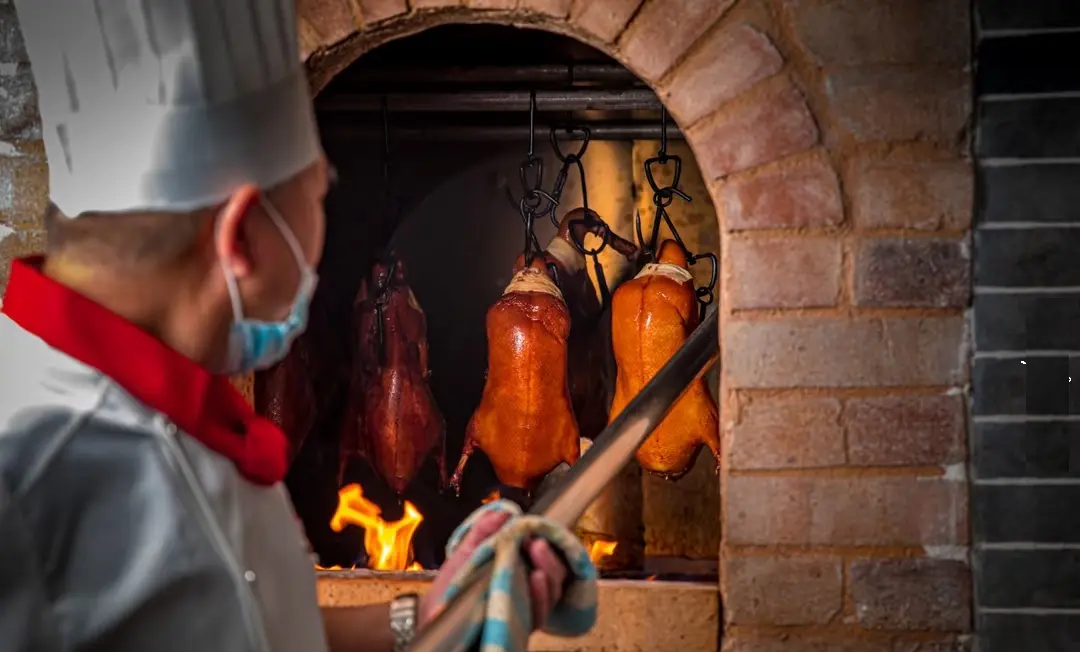
1. Beijing Roast Duck: Iconic Must-Try Dish on Beijing Local Food Trails
The Story: Originating from ancient roasting techniques, Beijing Roast Duck became a palace staple during the Ming and Qing dynasties and is now the city’s culinary ambassador.
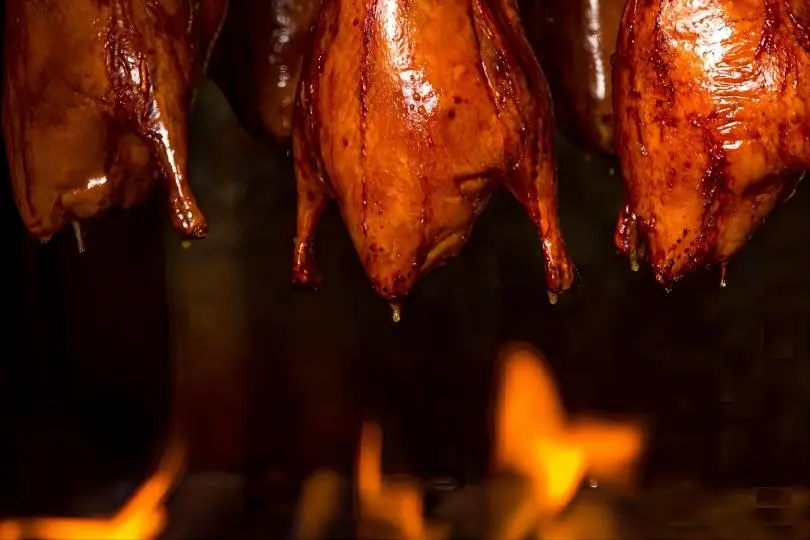
The Craft: Roasted over fruitwood charcoal, the skin is crisp like glass while the meat stays tender and juicy.
The Flavor: Golden, meltingly crisp skin paired with tender meat, served with thin pancakes, scallions, and sweet bean paste.
Global Acclaim: A Seattle visitor rated it 9.5/10, praising its crisp skin and succulent meat.
Why You Should Try It: UNESCO-listed culinary heritage and a top recommendation on global food lists.
Where to Eat: Quanjude (Qianmen Branch) – historic roasting methods, elegant environment, and authentic taste.
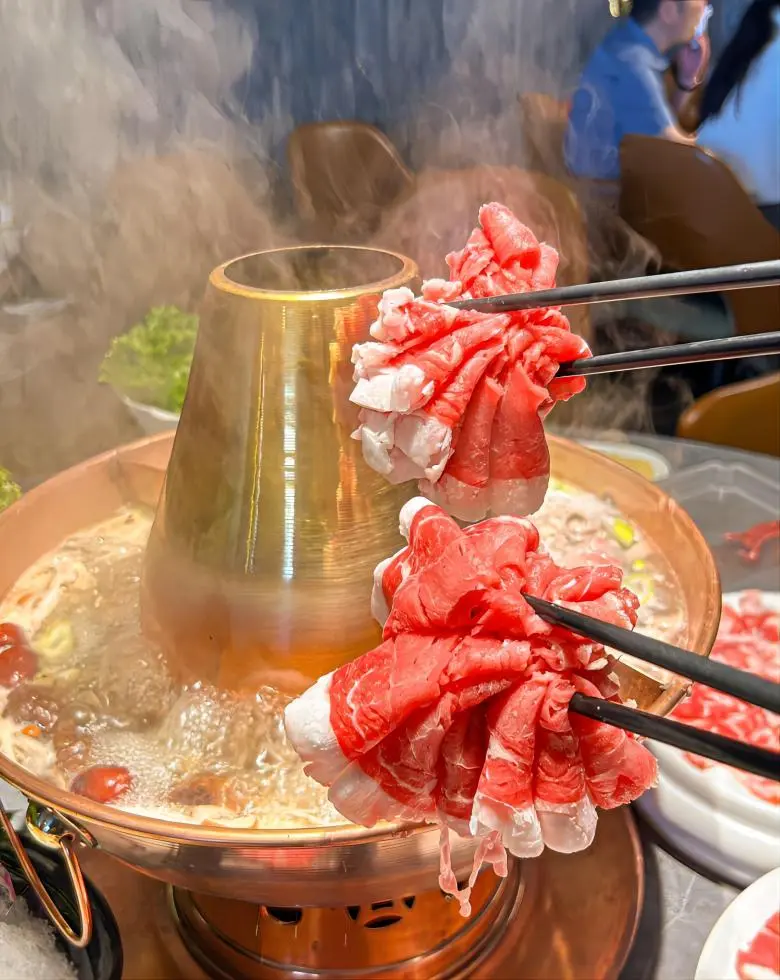
2. Old Beijing Copper Pot Hot Pot: Unique Clear Broth Experience
The Story: Popularized by Kublai Khan on the battlefield, later a Qing Dynasty court dish.
The Craft: Charcoal-heated copper pot with a clear broth of ginger and goji berries. Thinly sliced Inner Mongolian lamb melts in the savory sesame and fermented chive sauce.
The Flavor: Tender lamb with rich, earthy flavors, enhanced by the warmth of charcoal.
Global Acclaim: Japanese visitors praised its purity; British critics called it the ultimate Oriental hot pot.
Why You Should Try It: Only Chinese hot pot emphasizing clear broth, reflecting a minimalist “less is more” philosophy.
Where to Eat: Donglaishun (Wangfujing Branch) – premium lamb, authentic sauce, excellent service.
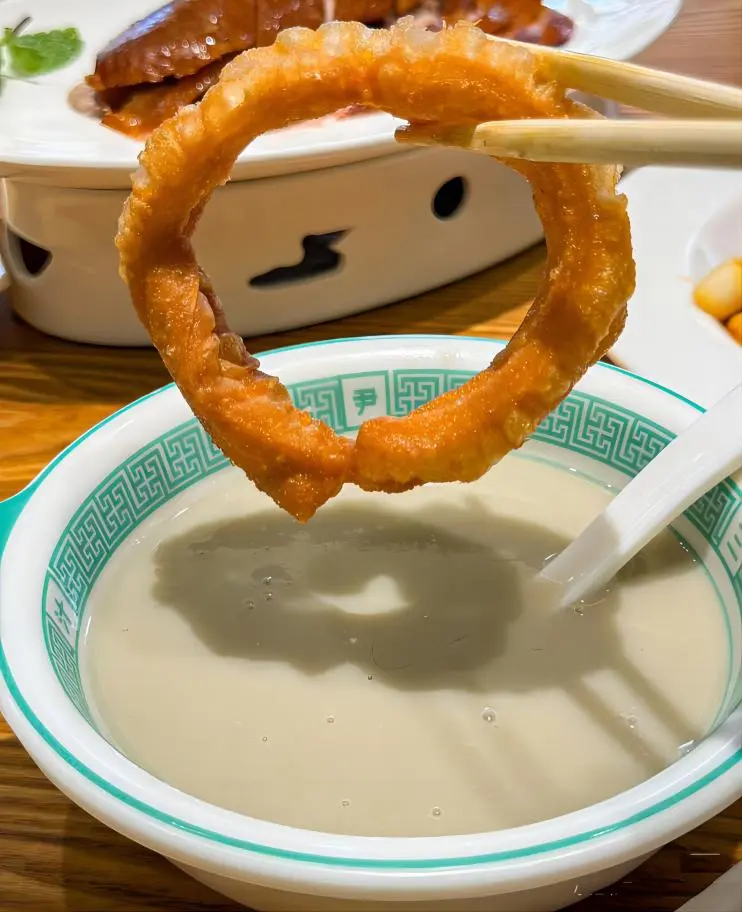
3. Douzhi & Jiaochuan: The Sour Philosophy of Old Beijing Street Food
The Story: A fermented mung bean drink with roots in the Liao and Song dynasties, once favored by Qing emperors. Nicknamed “Beijing Coke.”
The Craft: Served with crispy Jiaochuan (deep-fried dough rings).
The Flavor: Sharp, vinegary taste with an addictive contrast from the dough rings.
Global Acclaim: French visitors compared it to blue cheese; Americans noted its acquired taste is addictive.
Why You Should Try It: The only beverage on China’s Top Ten Regional Snacks list, reflecting Beijing street culture.
Where to Eat: Yin San Douzhi (Tiantan Branch) – balanced acidity, freshly fried Jiaochuan, local favorite.
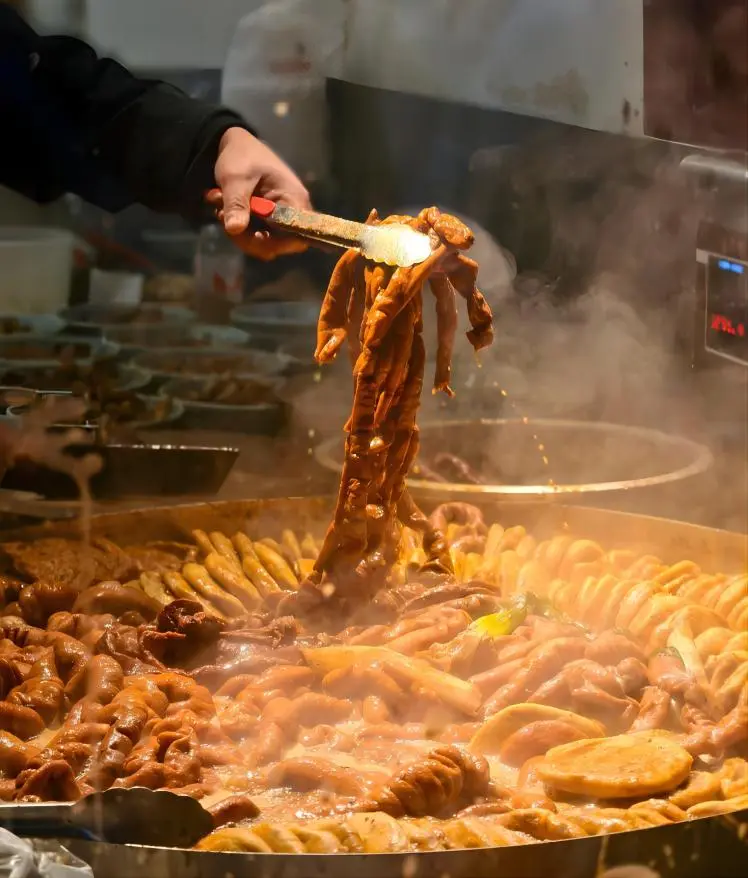
4. Luzhu Huoshao (Stewed Pork Offal): Hearty Street Classic
The Story: Qing Dynasty laborer staple in Southern Beijing.
The Craft: Pig intestines and lungs stewed until tender, combined with huoshao (baked dough), topped with garlic, chili oil, and fermented tofu.
The Flavor: Rich, savory, and filling; dough absorbs flavorful broth.
Global Acclaim: Australians called it “stew and sandwich combo”; Germans compared it to rustic pork knuckle.
Why You Should Try It: Classic heavy-flavor street food, showcasing Beijing working-class ingenuity.
Where to Eat: Beixinqiao Luzhu Old Store – 24-hour service, generous portions, authentic taste.
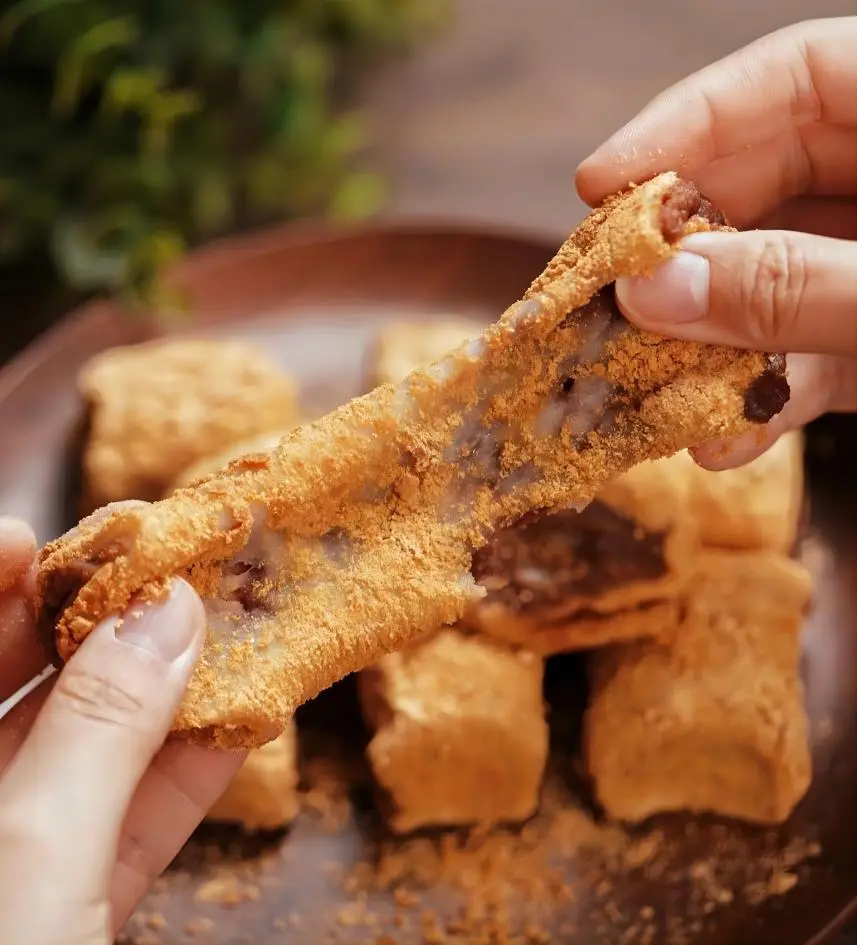
5. Lüdagun (Rolling Donkey): Imperial Dessert Meets Street
The Story: Named after the dust kicked by a donkey, a Qing Dynasty palace dessert now popular in Beijing streets.
The Craft: Soft glutinous rice filled with red bean paste, rolled in yellow soybean flour. Three layers of yellow, white, and red.
The Flavor: Soft, sticky, fragrant outer skin with sweet, smooth bean paste.
Global Acclaim: Italian visitors call it “Chinese Tiramisu”; Koreans praise its delicate texture.
Why You Should Try It: Unique dessert named after an animal’s action; culturally playful.
Where to Eat: Huguo Temple Snacks (Di’anmen Branch) – fresh, authentic Lüdagun, pairs well with other sweets.
Conclusion
These first five dishes define the foundation of Beijing local food trails. From ceremonial Roast Duck to daring street flavors like Douzhi, every bite tells a story of history, culture, and culinary artistry.
Next up: Discover the artisanal heritage and seasonal delicacies of Beijing in Part II of our Beijing Local Food Trails guide.

![Crab Roe Xiaolongbao, a signature [Shanghai local food] delicacy with savory soup bursting inside](https://urbanchinatravelogue.com/wp-content/uploads/2025/10/crab_roe_xiaolongbao_shanghai_local_food-768x750.webp)