
China Public Holidays 2026: Official Dates and Long Weekends
Planning a trip to China in 2026? Knowing the China public holidays can make a big difference to your travel plans.
China has seven major public holiday periods each year, including Chinese New Year, Qingming Festival, Labor Day, Dragon Boat Festival, Mid-Autumn Festival, and National Day. Some holidays create extended breaks and can bring very large numbers of domestic travelers to popular destinations.
Quick answer: The busiest travel periods are usually Spring Festival, Labor Day, and National Day. If you plan to visit China during these holidays, book transportation and accommodation early and expect popular attractions to be much busier than usual.
Here is the complete China public holidays 2026 calendar, followed by practical advice for international travelers.
China Public Holidays 2026 at a Glance
The following dates are based on the official 2026 holiday arrangements announced by the Chinese government.
| Holiday | Official Holiday Dates | Duration | Travel Impact |
|---|---|---|---|
| New Year’s Day | January 1–3, 2026 | 3 days | 🟠 Moderate |
| Spring Festival (Chinese New Year) | February 15–23, 2026 | 9 days | 🔴 Extremely busy |
| Qingming Festival | April 4–6, 2026 | 3 days | 🟠 Busy |
| Labor Day | May 1–5, 2026 | 5 days | 🔴 Very busy |
| Dragon Boat Festival | June 19–21, 2026 | 3 days | 🟠 Busy |
| Mid-Autumn Festival | September 25–27, 2026 | 3 days | 🟠 Busy |
| National Day | October 1–7, 2026 | 7 days | 🔴 Extremely busy |
China Public Holidays 2026: Complete List
🎇New Year’s Day — January 1–3, 2026
New Year’s Day is one of the shorter public holidays in China, with three official days off in 2026. Unlike Chinese New Year or National Day, New Year’s Day usually does not create the same nationwide travel rush. However, popular destinations can still become busy, particularly during the first days of the holiday.
🌸 Qingming Festival — April 4–6, 2026
A day for ancestor worship and tomb sweeping, which also marks a solar term. Folk customs include spring outings (taqing), wearing willow branches, and flying kites, reflecting the philosophy of “harmony between heaven and humanity.”
💪 Labor Day — May 1–5, 2026
Honors laborers and boosts both cultural engagement and tourism consumption.

🐉 Dragon Boat Festival — June 19–21, 2026
Commemorates the poet Qu Yuan. Customs include dragon boat racing, eating zongzi (sticky rice dumplings), and hanging mugwort to ward off evil, showcasing reverence for loyalty and nature.
🌕 Mid-Autumn Festival — September 25–27, 2026
A full moon festival symbolizing family reunion. Customs include admiring the moon, eating mooncakes, and lantern parades, embodying the cultural gene of “nation and family as one structure.”
🎇 National Day — October 1–7, 2026
Celebrates the founding of the People’s Republic of China. Flag-raising ceremonies at Tiananmen, Red Tourism, and light shows have become signature celebratory activities.
Does business run during Chinese public holidays?
Statutory holidays are the “golden engine” of China’s tourism market.
- Crowded Hot Spots: During the 2026 Spring Festival, flight bookings for destinations like Kunming, Sanya, and Harbin may rise by 235%. Patterns such as “going north to play in the snow” and “heading south to escape the cold” dominate travel choices.
- Airfare and Hotel Prices Surge: Nine-day holidays stimulate travel demand. Flights on popular routes (e.g., Chengdu–Sanya, Beijing–Harbin) can reach near full price. Hotels in Sanya and Dali may double in price, making “a room is hard to find.”
- Planning Dining and Transport:
- Restaurants & Shopping: Some local restaurants may close, while large commercial areas extend hours. Advance reservations are essential.
- Public Transport: Special holiday schedules for subways and buses; taxis experience huge demand surges.
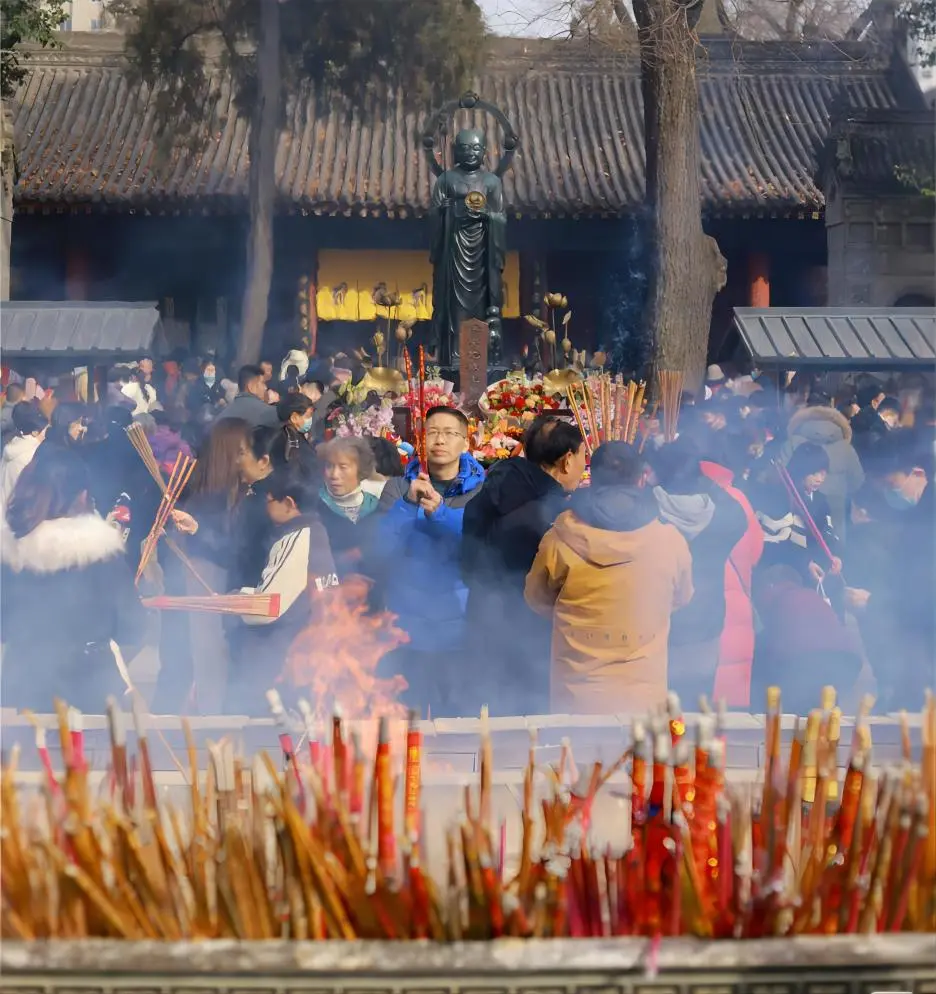
Featured Holidays and Regional Cultural Experiences
Beyond statutory holidays, China’s ethnic festivals offer rich cultural experiences:
- Water Splashing Festival (Dai New Year): Mid-April in Xishuangbanna and Dehong, Yunnan. People splash water for blessings, accompanied by dragon boat races and “flying rockets.”
- Naadam Festival: Grasslands of Inner Mongolia, July–August. The “three manly sports”—horse racing, wrestling, archery—showcase nomadic culture.
- Torch Festival: Yi, Bai, and other ethnic groups, late June in Yunnan and Sichuan. Torches ward off evil; singing, dancing, and bullfighting follow.
- Shoton Festival: Lhasa, Tibet, August. Centered around the unveiling of giant Thangka, Tibetan opera, and yogurt banquets, highlighting Tibetan Buddhist culture.
Ask a Question
If you have any questions about traveling to China, please leave us a message, and we will reply promptly.
Urban China Travelogue
By understanding China’s public holidays, you can plan trips efficiently, avoid peak crowds, and immerse yourself in the unique blend of culture, tradition, and modern tourism.