Discover Beijing Local Food Part II: Feast on 5 Artisanal & Seasonal Dishes
From Imperial Heritage to Seasonal Classics
Continuing your Beijing local food trails, these five dishes highlight the city’s artisanal culinary heritage and seasonal treats. From royal meat pies to springtime desserts, this selection captures the rich diversity of Beijing cuisine for international visitors.
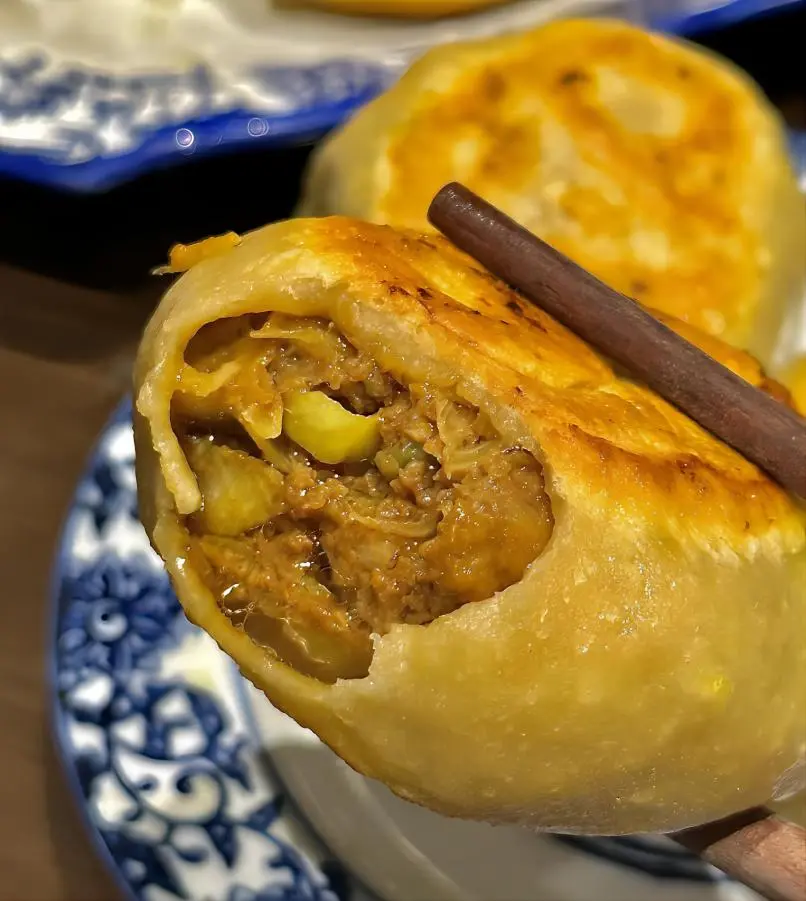
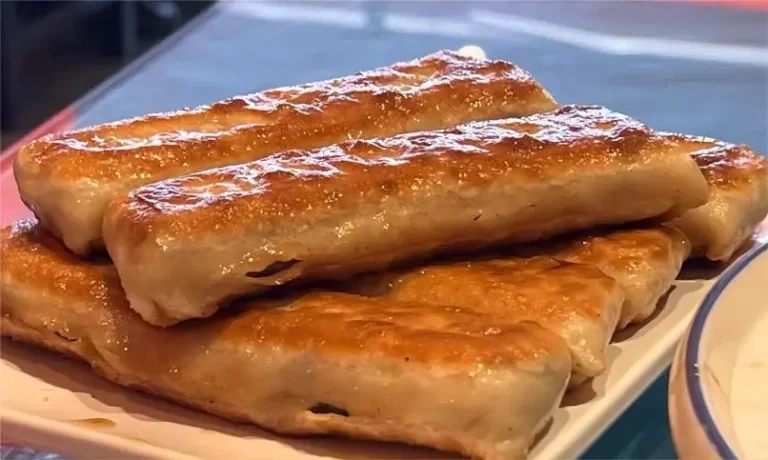
6. Mending Roubing (Door Nail Meat Pie): Cixi’s Lucky Treat
The Story: Designed to resemble the studs on the Forbidden City gates for Empress Dowager Cixi; symbolizes good fortune.
The Craft: Beef with scallion-ginger water wrapped in dough, pan-fried to golden perfection.
The Flavor: Crispy crust with juicy filling; broth bursts out with the first bite.
Global Acclaim: Americans call it “China’s hamburger patty”; Japanese diners say it’s juicier than Okonomiyaki.
Why You Should Try It: Only Beijing pie with royal connection; embodies prosperity and luck.
Where to Eat: Bao Rui Mending Roubing (Dongsi Branch) – thin crust, juicy filling, best with millet porridge.
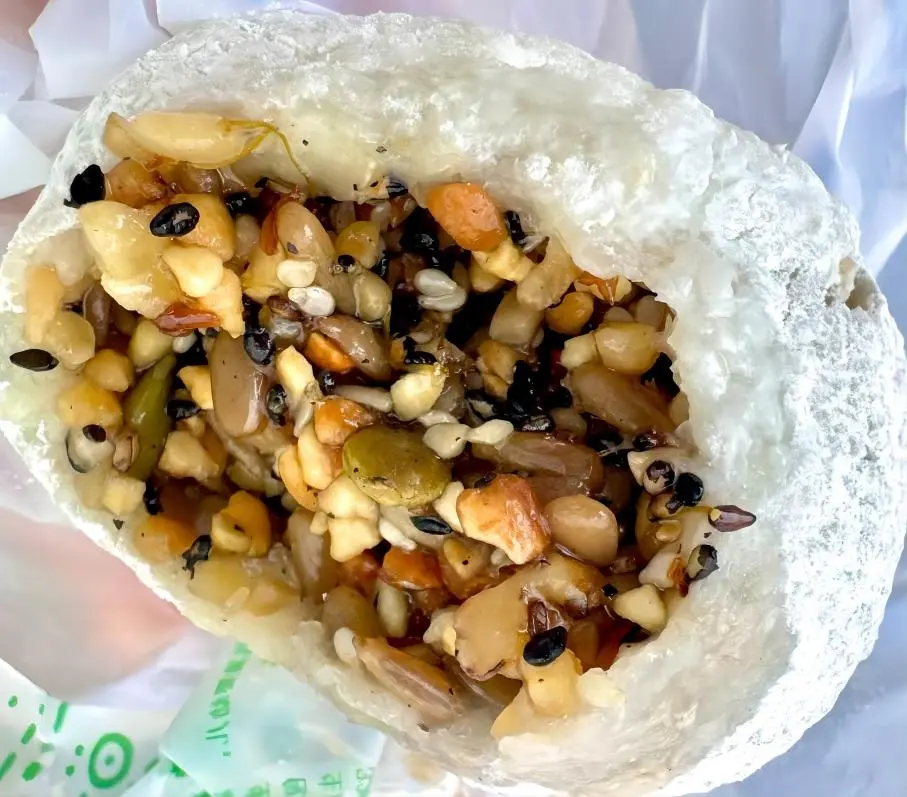
7. Ai Wo Wo: A Sweet Ode to Spring
The Story: Springtime imperial dessert; “Ai” (love) gives it a romantic resonance.
The Craft: Steamed glutinous rice with fillings like walnuts, sesame, or yam, rolled in coconut or rice flour.
The Flavor: Soft, sticky, fragrant, best served cold.
Global Acclaim: French visitors call it “China’s Macaron”; British diners say it’s healthier than a scone.
Why You Should Try It: Only Beijing sweet named after a season; embodies eating in harmony with the season.
Where to Eat: Bai Ji Niangao (Niujie Branch) – famous Halal shop, delicate filling, perfectly sticky rice.
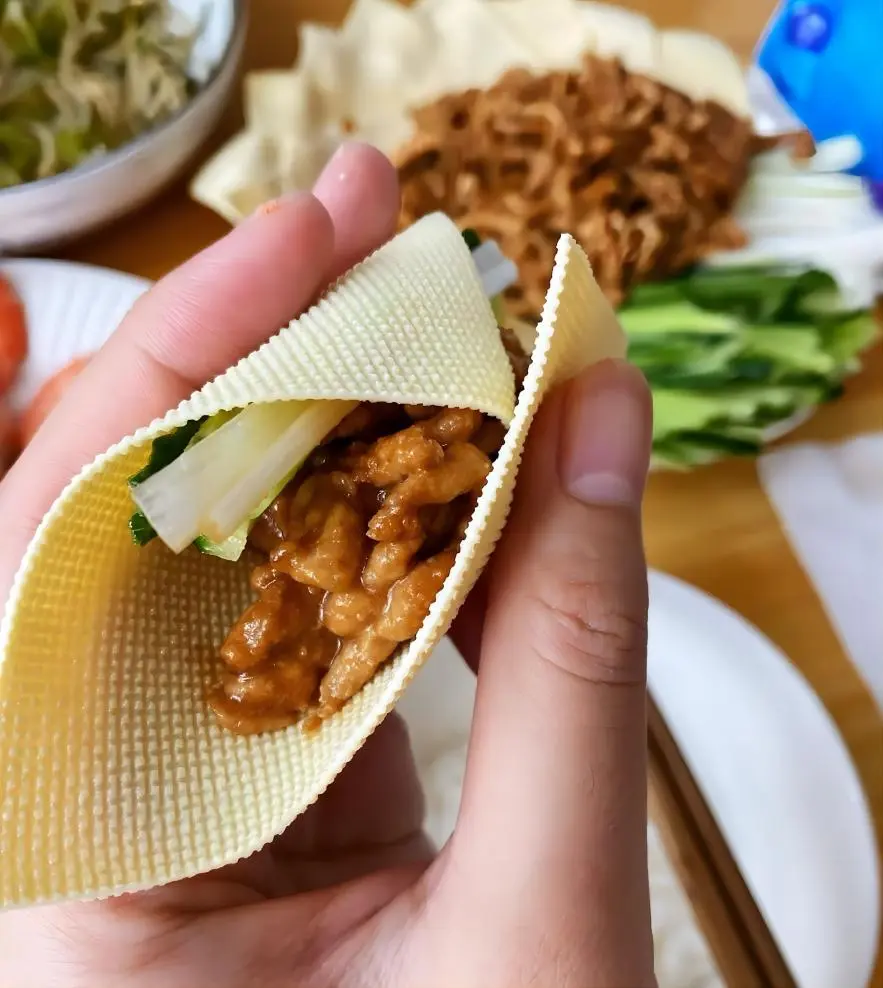
8. Jingjiang Rousi (Shredded Pork in Sweet Bean Sauce): Northern-Southern Fusion
The Story: Late Qing Dynasty dish blending Northern sauce-frying with Southern sweet bean paste.
The Craft: Stir-fried shredded pork in rich sweet bean sauce, served with thin tofu sheets, shredded scallions, and cucumber sticks.
The Flavor: Savory-sweet, tender pork wrapped in soft tofu, layered textures.
Global Acclaim: Americans call it “gourmet pork wrap”; Australians say it’s more satisfying than a Caesar salad.
Why You Should Try It: Only Beijing dish centered around the sauce, reflecting culinary harmony.
Where to Eat: Siji Minfu (Forbidden City Branch) – generous portions, authentic sauce, elegant ambiance.

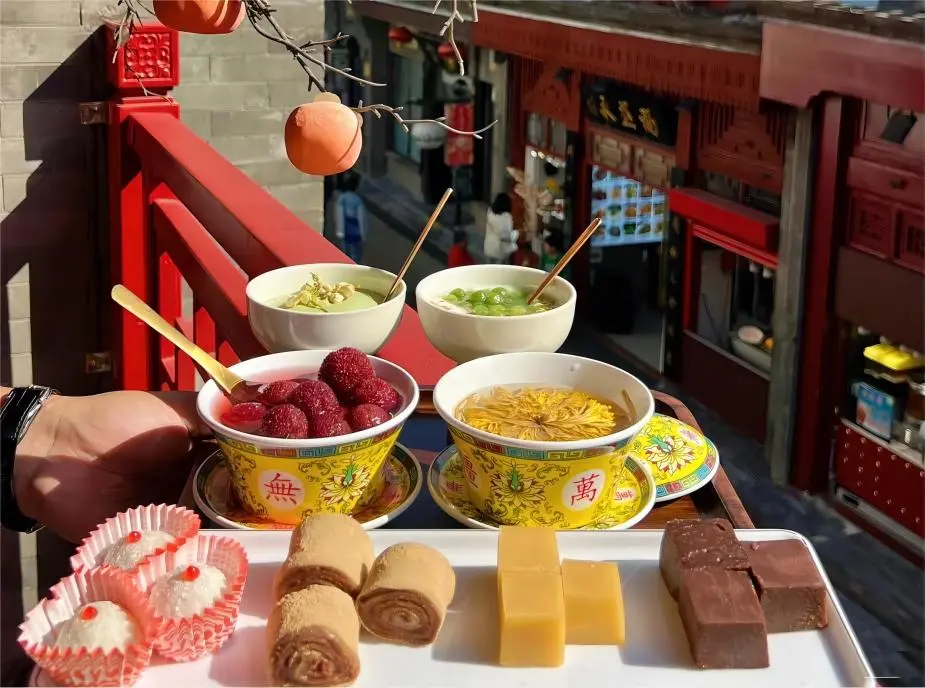
9. Wandou Huang (Pea Cake): Imperial Spring Delight
The Story: Spring dessert favored by Empress Dowager Cixi; golden color like a split pea.
The Craft: Peeled white peas boiled with sugar and red dates, chilled, cut into blocks.
The Flavor: Melts on the tongue, clean and lightly sweet, with pure pea fragrance.
Global Acclaim: Japanese visitors liken it to Wagashi; Italians find it more refreshing than Tiramisu.
Why You Should Try It: Only imperial dessert named after a legume; embodies seasonal health-conscious eating.
Where to Eat: Fuhuazhai Bobo Pu (Xinjiekou Branch) – palace-style pastries, delicate, beautifully packaged.

10. Tang Huoshao (Sweet Sesame Paste Cake): Beijing’s Sweet Secret
The Story: Qing Dynasty Hui community creation; traditional Beijing breakfast item.
The Craft: Flour filled with brown sugar, sesame paste, Osmanthus essence; baked to crisp exterior, soft interior.
The Flavor: Sweet, aromatic; best paired with soy milk or douzhi.
Global Acclaim: Americans call it “savory-sweet doughnut”; British diners say it’s comforting.
Why You Should Try It: Only Beijing snack named after “sugar”; carries local daily life memories.
Where to Eat: Dashunzhai (Niujie Branch) – century-old brand, concentrated sesame flavor, crisp crust.
Conclusion: The International Language of Beijing Cuisine
Beijing cuisine is a testament to the city’s unique blend of history, geography, and human experience. From the ceremonial dining of Roast Duck to the bold challenge of Douzhi, every dish tells a fascinating Chinese story. hope you have perfect Beijing local food trails
International reviews prove that Beijing’s food appeals not just to the palate but to a deeper curiosity about its culture. Whether you’re seeking the ritual of the palace or the authenticity of the street, these dishes are your key to understanding the thousand-year heartbeat of this ancient capital. Come to Beijing and taste its history!
Combined with Taste Beijing Part I , you now have a full guide to must-try dishes and iconic flavors that define Beijing cuisine. Explore the streets, taste the tradition, and let your palate experience the heartbeat of the millennium capital!