Wukang Road & Anfu Road Shanghai: Self-Guided Walking Guide (2026)
Quick Guide: Wukang Road & Anfu Road at a Glance
Wukang Road and Anfu Road are two of Shanghai’s most iconic streets in the historic French Concession, known for charming tree-lined boulevards, well-preserved European-style villas, and a lively café and boutique culture.
This area is perfect for a relaxed walking tour (2–4 hours) that blends architecture, food, coffee, shopping, and photo opportunities — all within comfortable walking distance of each other.
🚶 Ready to explore Wukang Road and Anfu Road?
Jump straight to the 2.5 km self-guided walking route →
Fast Facts (User-Friendly Snapshot)
| Category | Info |
|---|---|
| Location | Xuhui District, Shanghai |
| Best for | Architecture, cafés, shopping, photography and city walks |
| Recommended time | 2–4 hours |
| Walking distance | About 2.5 km for the suggested route |
| Starting point | Wukang Mansion / Wukang Road |
| Ending point | Anfu Road / Changshu Road area |
| Cost | Walking the streets is free; individual attractions may charge admission |
| Best time | Weekday afternoon or morning |
| Difficulty | Easy and mostly flat |
⭐ Top Highlights at a Glance
- Historic Architecture: Admire the classic European-style villas, including the landmark Wukang Building at the intersection with Huaihai Road.
- Café Culture: Discover some of Shanghai’s best independent cafés and artisan coffee shops along Anfu Road.
- Boutique Shops & Galleries: Explore boutique fashion stores, lifestyle shops, and local art spaces tucked along both streets.
- Scenic Ambience: The leafy streets and slower pace make this area ideal for photography and relaxed sightseeing.
- Perfect Walking Route: Easily combine both streets into a scenic walking route — no long transfers or complicated directions required.

What Is Wukang Road and Anfu Road Known For?
Wukang Road and Anfu Road sit at the heart of Shanghai’s former French Concession, offering one of the city’s most enjoyable walking experiences. Lined with historic architecture, trendy cafés, independent boutiques, and leafy streets, this area blends old-world elegance with modern local life. This guide walks you through what to see, where to eat, the best photo spots, and an easy walking route to explore Wukang Road and Anfu Road at your own pace.
I. History of Wukang Road and Anfu Road in the French Concession
The Wukang–Anfu area was once the heart of the Shanghai French Concession. In the late 19th century, French planners designed this neighborhood with broad, tree-lined boulevards and elegant garden residences — a touch of Paris transplanted to the East.
Over a century later, it still retains the romance of French architecture while embracing local Chinese life, making it the ultimate expression of Haipai culture — where international aesthetics meet Shanghainese warmth.
- For European visitors, Wukang Road feels like a “mini Paris Left Bank,” but with a local flair.
- For American travelers, it’s Shanghai’s answer to New York’s West Village — vintage, walkable, and full of stories.
II. Architecture Guide: Key Landmarks and Historic Villas
The architecture of Wukang and Anfu Roads is like a living museum, where every building whispers tales from the past century.
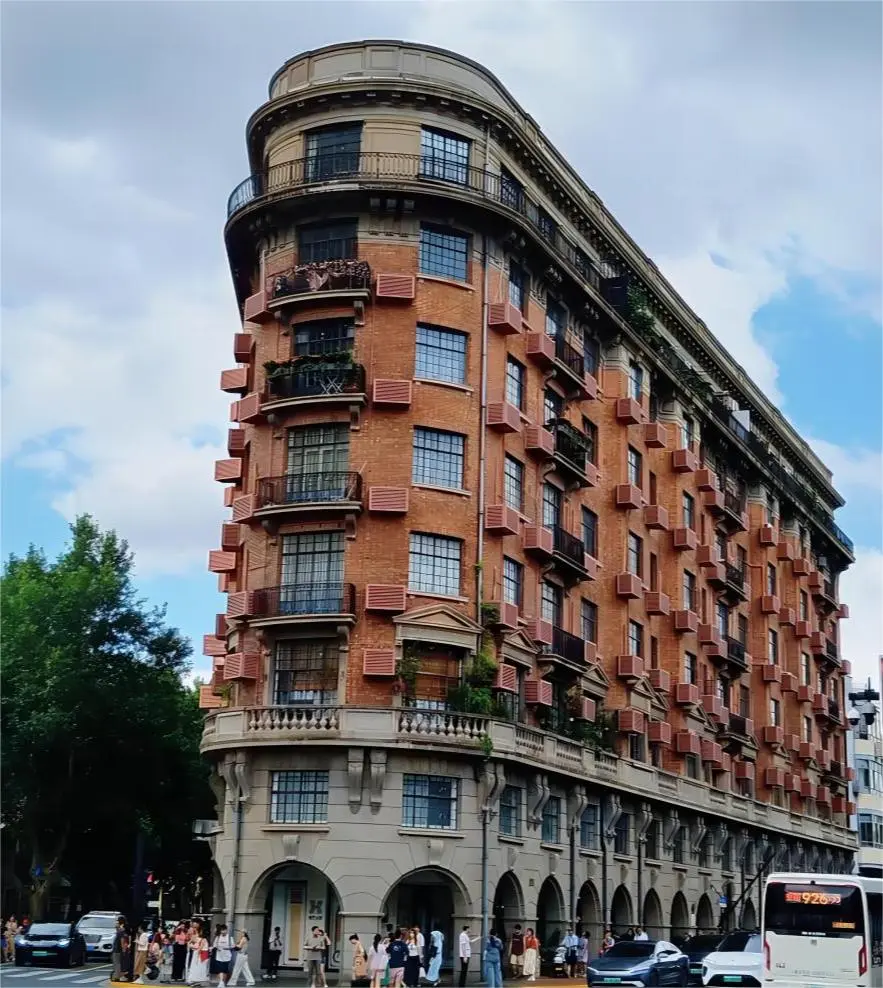
1. Wukang Mansion: Shanghai’s Ship-Shaped Landmark
Designed by Hungarian architect László Hudec in 1924, Wukang Mansion stands as one of Shanghai’s most iconic landmarks. Its wedge-shaped design resembles a giant ship anchored at the intersection, earning it the nickname “The most beautiful corner in Shanghai.”
Today, the building houses cafés and boutiques on the ground floor. Photographers love framing the “ship’s bow” through the tree branches — a perfect harmony between architecture and nature.
2. Ba Jin’s Former Residence: The Literary Heart of Wukang Road
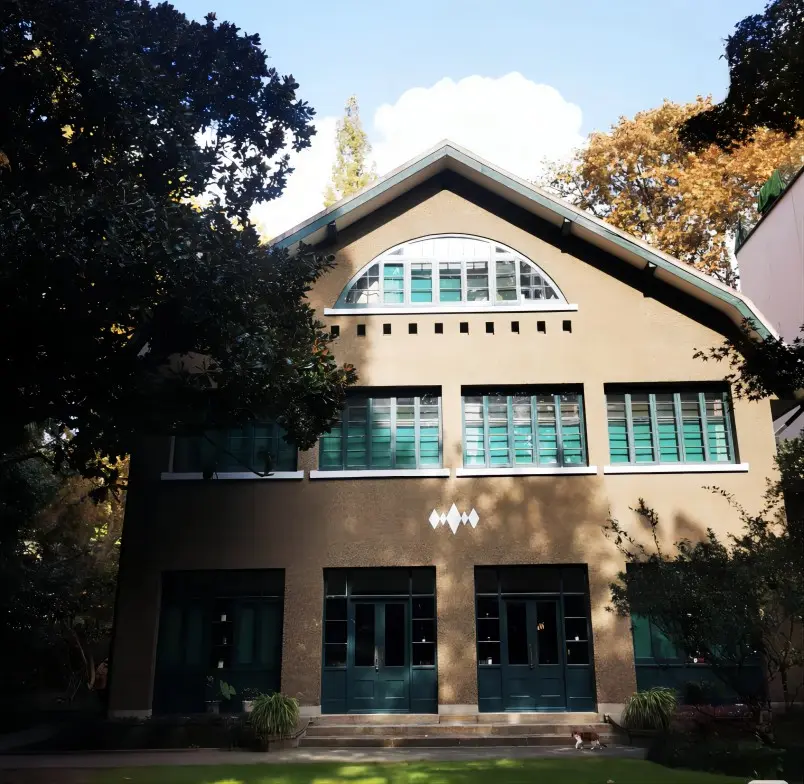
At 113 Wukang Road lies the tranquil Spanish-style villa where writer Ba Jin lived and worked. The house preserves his manuscripts and letters, while the garden — with its wisteria and osmanthus — exudes quiet elegance.
For literature lovers, it offers the intimacy of Paris’s Shakespeare and Company, yet with the private calm of a writer’s sanctuary.
3. Anfu Road’s Duozhuayu Store: Sustainable Romance in Retro Spaces
Hidden in a converted factory building, the Duozhuayu Recycle Store embodies the new Haipai spirit — creative, sustainable, and stylish. Here you’ll find vintage books, pre-loved designer clothes, and vinyl records.
Grab a coffee, browse for a treasure, or join a local book club. It’s where Shanghai’s young creatives gather to give “old things a new life.”

III. Life and Art: Everyday Haipai Culture
The real charm of Wukang and Anfu Roads lies not just in their buildings but in the daily life flowing through them — cafés, bookstores, and galleries blending seamlessly with local markets and quiet alleys.
1. Best Cafés on Wukang Road and Anfu Road
- %Arabica Wukang Court: A minimalist Japanese-style café whose pure white interior contrasts beautifully with the vintage surroundings — ideal for photography lovers.
- Old Mill Cafe (Lao Mai): Hidden in a narrow nongtang alley, this retro space filled with gramophones and typewriters evokes the nostalgic Shanghai of the 1930s.
- If you’re into local drinks, check out our Shanghai milk tea guide.
2. Best Bookstores and Creative Spaces on Anfu Road
- The Secret Room Bookstore: A cozy art and design bookshop where French-language book clubs are often held.
- Tsutaya Books (Columbia Circle): Located in a renovated colonial club, this glass-domed bookstore blends literature, art, and architecture — a true “book lover’s gallery.”
Visitors who enjoy London’s Daunt Books or New York’s Strand Bookstore will instantly recognize the creative spirit.
Suggested Walking Route Between Wukang Road and Anfu Road (2.5 km Guide)
For a complete experience of Wukang Road and Anfu Road, follow this 3–4 hour walking route (≈2.5 km). You’ll explore historic streets, French Concession architecture, charming cafés, and top photo spots, all easily reachable by public transport.

How to Get to Wukang Road & Anfu Road (Metro and Taxi Guide)
By Metro (Recommended):
- Take Line 10 or 11 to Jiao Tong University Station, exit 7. From there, it’s a 5-minute walk to the Wukang Mansion, the perfect starting point.
- Alternative: Line 1 to Hengshan Road or Line 10 to Shanghai Library, both within 10–15 minutes walking distance.
By Taxi / Didi:
- Destination: “393 Wukang Road Parking” .
- Tip: Metro is faster and more reliable, especially on weekends.
Step-by-Step Walking Route: Wukang Road to Anfu Road
Phase 1: Wukang Road (Historic Streets & Photo Spots)
- Wukang Mansion – The iconic “Normandie Apartments” designed by László Hudec. Capture the building from the intersection of Huaihai Middle Rd for the best photo.
- Ferguson Lane (Wukang Ting, 374) – Discover hidden art shops, cozy cafés like Coffee Tree, and feel the “Petit Bourgeois” (shǎozī) vibe of Shanghai.
- Romeo’s Balcony (210 Wukang Rd) – Mediterranean-style architecture perfect for photography.
- Ba Jin’s Former Residence (113 Wukang Rd) – Free entry (closed Mondays). Walk through the garden and historic house of one of China’s literary giants.
- Soong Ching Ling Residence (1843 Huaihai Middle Rd) – Entry 20 RMB, booking via WeChat required. A serene garden and historic home highlight Shanghai’s French Concession charm.
Phase 2: Transition to Anfu Road (5 Minutes)
Walk along Wukang Road toward Anfu Road. During this short 5-minute stroll, you’ll notice the atmosphere shift from historic elegance to modern trendy streets, where chic cafés, boutique shops, and creative studios signal the neighborhood’s contemporary vibe.
Phase 3: Anfu Road (Trendiest Cafés & Shops)
- Shanghai Dramatic Arts Center (288 Anfu Rd) – Center of Shanghai’s theater scene, surrounded by galleries and wine bars.
- Trend-Setting Shops:
- 13DE MARZO – Famous for the giant teddy bear installation.
- HARMAY (话梅) – Industrial-style beauty store, perfect for travel-sized luxury finds.
- SUNFLOUR – Try their signature “Sun Bread” or seasonal pastries.
- Deja Vu (多抓鱼) – Second-hand store for books and vintage clothes.
Practical Tips for Visiting Wukang Road and Anfu Road
- Best Time to Visit: Weekdays, 2:00 PM – 6:00 PM. Afternoon light is ideal for photos; weekends are crowded.
- Hidden Tip: Take a short detour to Middle Urumqi Road to explore local snack shops and fresh markets for a glimpse of authentic Shanghainese life.
- Photography Etiquette: Many buildings are residential—please respect privacy.
- Food & Drink: Wukang Road for quiet coffee, Anfu Road for brunch or wine.
- Check Opening Hours: Historic sites like Ba Jin’s House are closed on Mondays. Confirm via WeChat.
- Attire: Comfortable walking shoes; spring/autumn “chic” outfits fit the neighborhood vibe perfectly.
Complete List of Attractions on Wukang Road and Anfu Road
Last updated: August 2026. Opening hours and reservation requirements can change. Check the venue’s latest information before visiting.
| Spot | Address | Hours | Booking | Photo Tip |
|---|---|---|---|---|
| Wukang Mansion | 1850 Huaihai Middle Rd | All Day | None | Corner of Wukang & Huaihai for the iconic “ship” view |
| Ferguson Lane | 374 Wukang Rd | 10:00–22:00 | None | Courtyard entrance & outdoor café |
| Romeo’s Balcony | 210 Wukang Rd | All Day | None | Opposite sidewalk for full villa view |
| Ba Jin’s House | 113 Wukang Rd | 09:00–17:00 (Mon Closed) | Garden & exterior | |
| Soong Ching Ling Residence | 1843 Huaihai Rd | 09:00–17:30 (Mon Closed) | Camphor trees & garden | |
| Drama Arts Center | 288 Anfu Rd | 09:00–22:00 | For Plays | Vintage steps in front |
| 13DE MARZO | 322 Anfu Rd | 10:00–22:00 | None | Teddy bear installation 2nd floor |
| HARMAY | 308 Anfu Rd | 10:00–22:00 | None | Industrial-style shelves |
| SUNFLOUR | 308 Anfu Rd | 08:00–21:00 | None | Bread display & outdoor seating |
| Deja Vu Store | 300 Anfu Rd | 10:00–22:00 | None | Wall of second-hand books |

Is Wukang Road and Anfu Road Worth Visiting?
Yes — especially if you enjoy architecture, cafés, boutique shopping, and relaxed walking experiences.
Wukang Road and Anfu Road offer a different side of Shanghai. Instead of skyscrapers and busy shopping malls, this area showcases tree-lined streets, historic villas, and a slower neighborhood atmosphere in the former French Concession. It’s one of the best places in Shanghai for a 2–4 hour self-guided walking tour.
This area is worth visiting if you:
- Want to see classic French Concession architecture, including the iconic Wukang Mansion
- Enjoy café hopping and independent bookstores
- Like photography and scenic streets
- Prefer walkable neighborhoods over crowded tourist attractions
For most visitors, Wukang Road and Anfu Road strike a perfect balance between history, modern lifestyle, and local culture — making them one of Shanghai’s most charming neighborhoods to explore.
FAQs
How long is the walking route?
The route is about 2.5 km and takes 3–4 hours including stops for cafés and photo spots.
How do I get there?
By Metro: Line 10 or 11 to Jiao Tong University Station, exit 7.
By Taxi/Didi: Destination 393 Wukang Road Parking (Metro recommended on weekends).
Best time to visit?
Weekdays, 2:00 PM – 6:00 PM for ideal light and fewer crowds.
Best photo spots?
Wukang Mansion, Ferguson Lane, Romeo’s Balcony, and Anfu Road cafés and boutiques.
Must-visit cafés and shops?
%Arabica, Old Mill Café, SUNFLOUR, 13DE MARZO, HARMAY, and Deja Vu (多抓鱼).
Ticket or opening info?
Ba Jin’s House: free, closed Mondays.
Soong Ching Ling Residence: 20 RMB, booking via WeChat, closed Mondays. Other landmarks are open daily without tickets.


![Crab Roe Xiaolongbao, a signature [Shanghai local food] delicacy with savory soup bursting inside](https://urbanchinatravelogue.com/wp-content/uploads/2025/10/crab_roe_xiaolongbao_shanghai_local_food-768x750.webp)