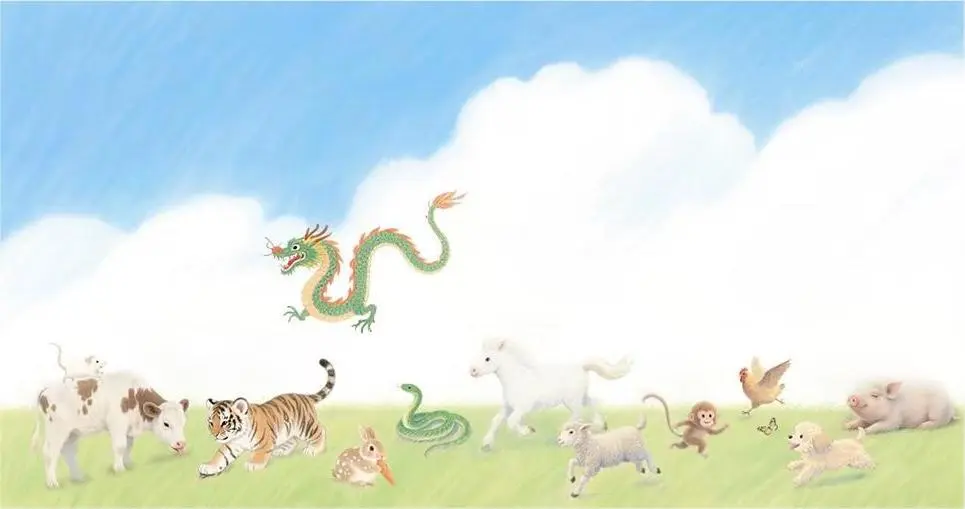
The Legend of the Chinese Zodiac: Exploring China’s Twelve Guardian Beasts and Travel Destinations
The Chinese Zodiac (Shengxiao), featuring twelve unique animals, is a captivating symbol of Chinese culture. Each Zodiac animal carries centuries of mythology, philosophy, and folk tradition. Explore their stories and discover the cultural landmarks and travel experiences tied to these iconic creatures.
Tip: Curious about your Zodiac sign? Find out on our Chinese Zodiac page and check your weekly horoscope!
I. Origin of the Chinese Zodiac: The Mythical Heavenly Race
The Zodiac originates from ancient myths, most famously the “Heavenly Race.”
Legend says that when the world was new, day, night, and seasons existed, but there was no unified way to mark time. The Jade Emperor (the supreme ruler of the heavens) solved this by hosting a unique “Animal Marathon.” All animals were invited to race across heaven and earth. The first twelve to reach the finish line would become Zodiac signs, governing humans one year at a time.
Race rules:
- Eligibility: All animals could enter, but they had to finish using their own abilities.
- Route: From the South Heaven Gate across clouds, forests, and rivers to the Jade Emperor’s throne on Mount Kunlun.
- Reward: The first twelve received Zodiac honors, immortalized in the human calendar.
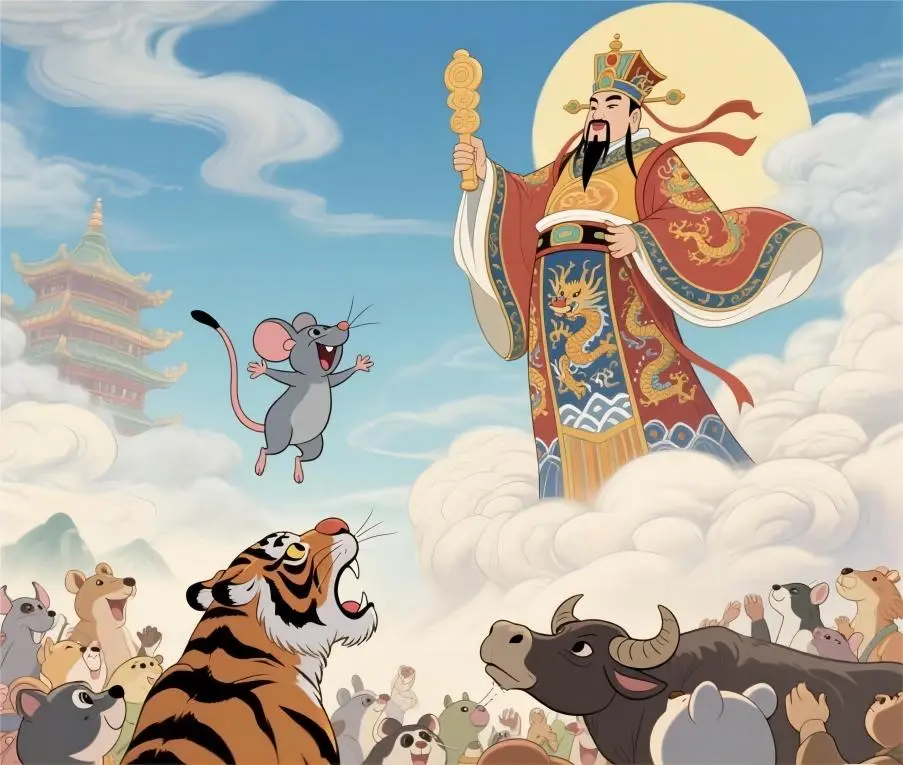
The ranking tells a story for each animal:
- Rat: The smallest but most cunning. It hid on the Ox’s back and leaped off just as the Ox neared the finish line, snatching first place. Although the Ox complained about its trickery, this embodies the Rat’s wisdom—winning with smarts when strength fails.
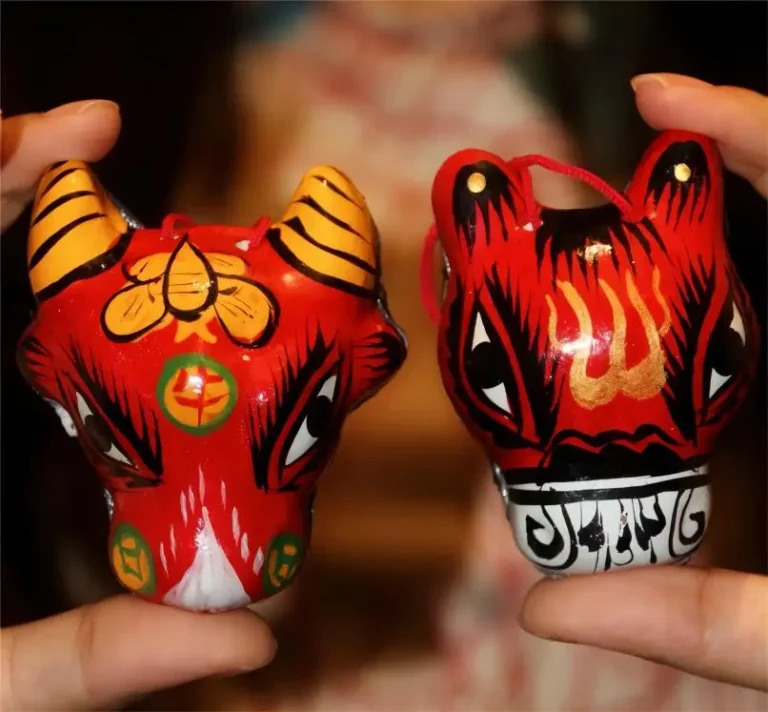
- Ox: The symbol of hard work and stability. It progressed step-by-step but ranked second due to the Rat’s trick. The Ox’s rank affirms the Chinese belief that steady effort pays off, making its value irreplaceable even when overtaken by a “shortcut.”
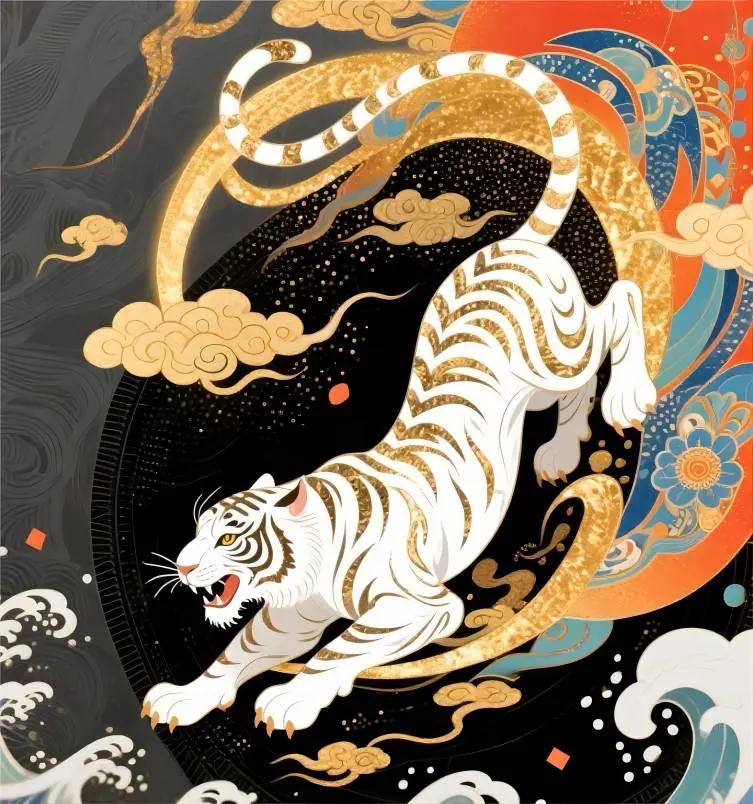
- Tiger: King of Beasts, majestic and powerful. It charged to third place, symbolizing courage and leadership.
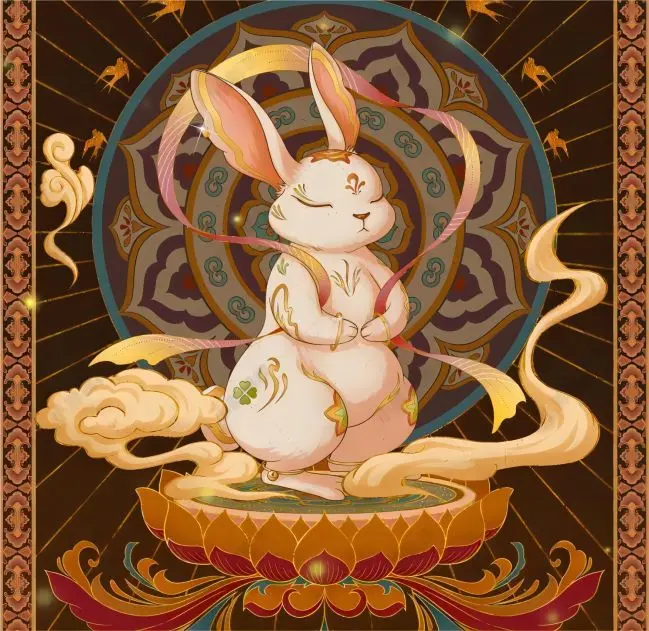
- Rabbit: Originally trailing, it was rewarded by the Jade Emperor for helping a drowning turtle cross a river and was promoted to fourth. The Rabbit’s rank conveys the moral that good deeds eventually bring blessings.
- Dragon: Able to command clouds and rain, it arrived late because it paused to bring rain to drought-stricken people. Though not in the top three, the Dragon’s selfless dedication made it a totem for the Chinese nation, symbolizing both power and benevolence.
- Snake: Cunning and quick, it arrived right after the Dragon. The Snake’s spot reflects the Chinese appreciation for flexibility—adapting strategy is more important than brute force in complex situations.
- Horse: Capable of traveling a thousand miles a day, it paused briefly after being scared by the Snake’s disguise, placing seventh. This reminds us that talent requires composure.
- Goat & Monkey: Gentle Goat and clever Monkey traveled together. When danger struck, the Goat let the Monkey pass first, and the Monkey helped the Goat escape. They arrived hand-in-hand, ranking eighth and ninth, reflecting the value of mutual help and win-win situations.
- Rooster: Originally behind, it was allowed into the top ten because it crowed every morning to wake up its companions. The Rooster symbolizes contribution in the ordinary—even small efforts earn respect through consistency and responsibility.
- Dog: Loyal and reliable, it arrived late (eleventh) because it stopped to chase butterflies. This humorously reminds us that even the most reliable companion can “drop the ball” sometimes, requiring patience.
- Pig: Gluttonous and lazy, it stopped frequently to eat, arriving last in twelfth place. Though somewhat teasing, the Pig’s ranking shows acceptance for contentment—even imperfection finds its place within the collective.
Through these stories, the Zodiac teaches life wisdom: harmony with nature, kindness, humility, and smart action.
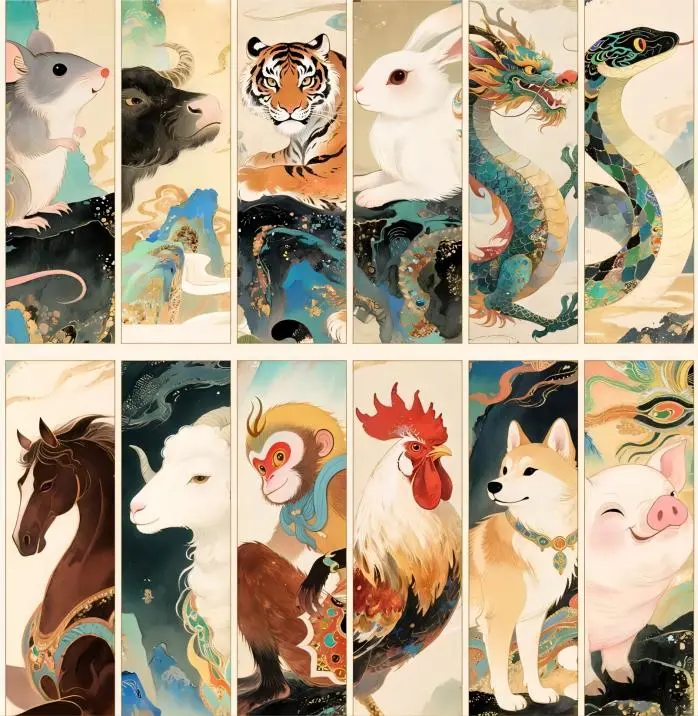
II. Chinese Zodiac in Daily Life: Culture, Personality, and Traditions
The Zodiac influences all aspects of Chinese life:
- Personality & Destiny: People use their sign to guess personality traits or compatibility for marriage and careers.
- Art & Literature: From Dunhuang murals to Sun Wukong (Monkey) in Journey to the West, the Zodiac inspires endless art.
- Festivals & Customs: During the Spring Festival, families hang Zodiac paper cuttings and give out Zodiac toys. Temple fairs feature Dragon and Lion Dances reflecting animal symbolism.
III. Cultural Landmarks and Experiences Linked to Zodiac Animals
Experience the Zodiac firsthand at these destinations:
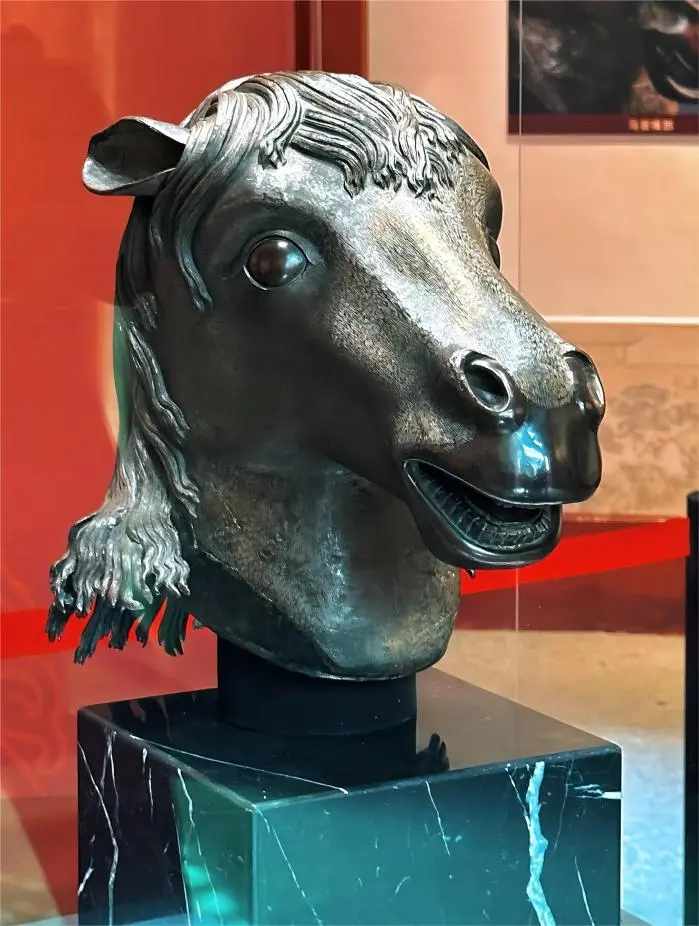
- The Twelve Zodiac Heads, Old Summer Palace (Beijing): Bronze fountain heads marking time; some have been returned to China for display in museums.
- Stone Animal Road, Ming Xiaoling Mausoleum (Nanjing): Stone beasts reflecting ancient animal symbolism, perfect for photos.
- Chengdu Research Base of Giant Panda Breeding: Panda linked to the Rabbit’s gentle nature; visitors can meet China’s national treasure.
- Tian Tan Buddha and Zodiac Statues (Hong Kong): Twelve Zodiac bronze statues at Lantau Island; visitors can take photos with their sign.
- Yinxu Ruins (Anyang, Henan): Shang Dynasty oracle bones contain early records of animals like the Rat and Ox.
Conclusion: The Chinese Zodiac—A Living Fossil of Chinese Culture
The Chinese Zodiac is more than a calendar; it’s a flowing encyclopedia of Chinese culture. It reflects reverence for nature, moral values, and the pursuit of a harmonious life. On your trip to China, slow down and discover these guardian beasts in museums, ancient sites, or on the streets—they may speak to you in unexpected ways.