Shanghai Wool Embroidery (Rongxiu): The Oriental Oil Painting on a Needle Tip
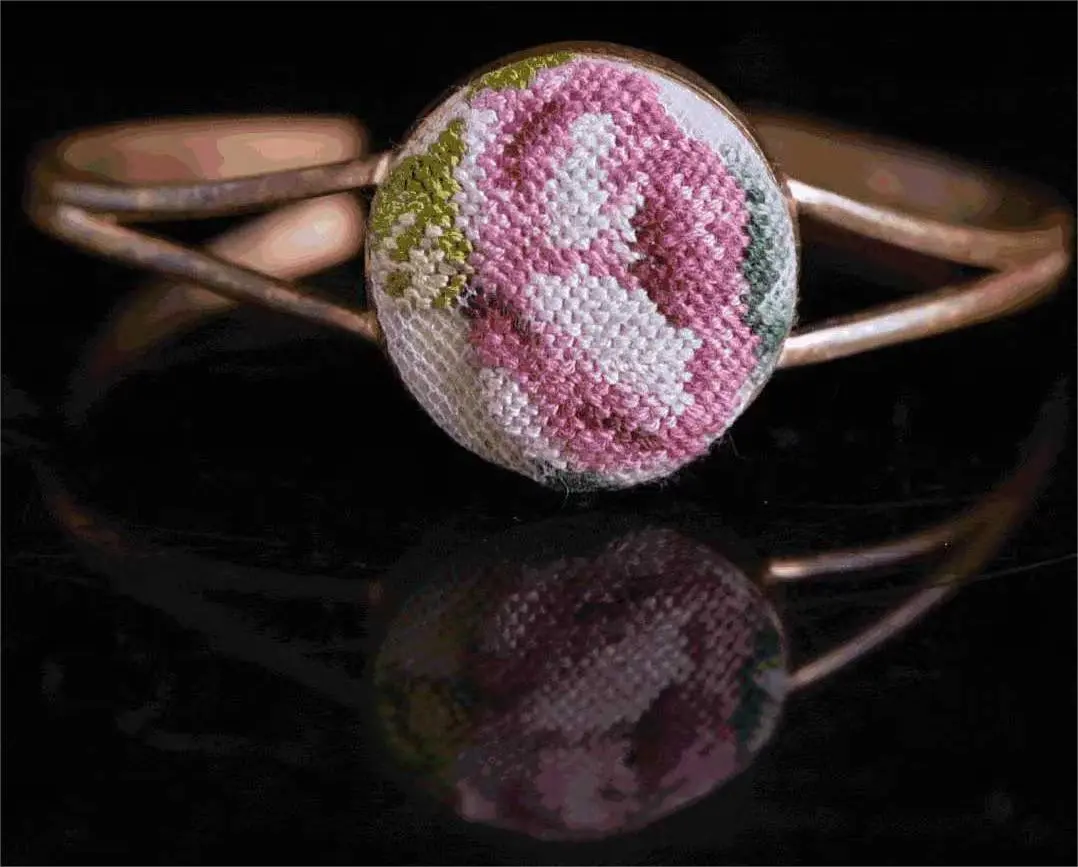
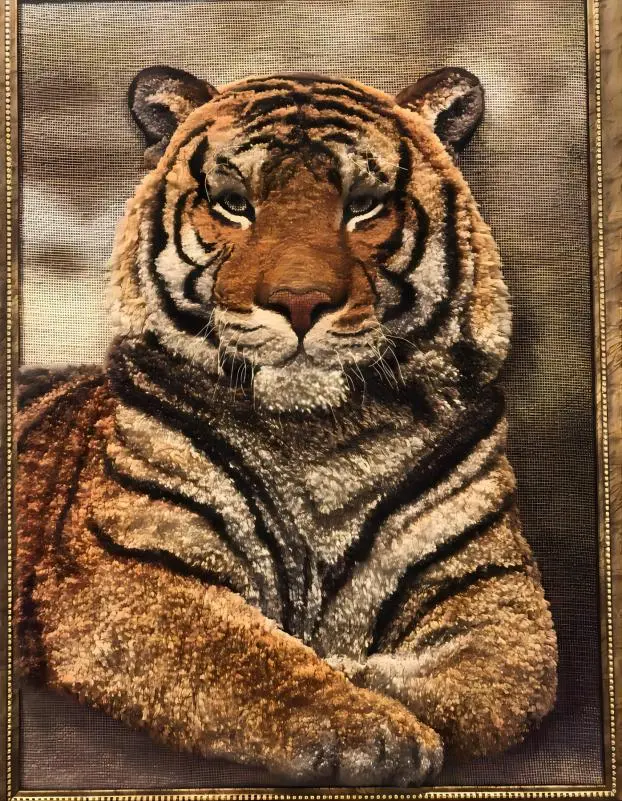
As you stroll along Binjiang Avenue in Pudong, gazing at Shanghai’s iconic skyline, you might notice vivid, oil painting-like embroidery pieces displayed in art galleries. These masterpieces, crafted with millions of colored silk and wool threads, are the renowned Shanghai Wool Embroidery (Rongxiu)—an Intangible Cultural Heritage that blends Western painting aesthetics with traditional Chinese needlework. Often hailed as the “Oriental Oil Painting,” Shanghai Wool Embroidery provides a unique window into the artistic fusion of East and West. This guide will take you through the history, techniques, and immersive experiences of Rongxiu, helping you appreciate its exquisite charm.

I. Shanghai Wool Embroidery: A Century of East-West Artistic Fusion
1. European Origins and Oriental Transformation
Shanghai Wool Embroidery traces its roots to European needlepoint introduced by British missionaries in the late 19th century at the Tushanwan Orphanage and Arts Center in Pudong. Early artisans quickly adapted this technique, combining realistic European painting methods with the Chinese philosophy of “coloring according to type” (sui lei fu cai). This gave rise to the juxtaposed color dots technique, where threads of different hues are placed side by side to create subtle light and shadow effects, reminiscent of Impressionist paintings.
2. The Haipai Innovation Spirit
In the early 20th century, Shanghai’s booming cultural scene encouraged experimentation. Artisans at the Yile Tian Wool Embroidery Studio developed the Layered Stitching Method (fen ceng xiu fa), overlapping threads of varying shades to produce three-dimensional depth. This elevated Rongxiu from decorative craft to high art. In 1937, the Shanghai Wool Embroidery piece “Portrait of President Roosevelt” won a Gold Medal at the Paris World Exposition, showcasing Shanghai’s artistic innovation to the world.

3. Modern Practice and Digital Integration
Since being inscribed as a National Intangible Cultural Heritage in 2011, Shanghai Wool Embroidery has embraced modern technology. At the Shanghai Wool Embroidery Art Museum in Gaoqiao, Pudong, artisans use Digital Rongxiu to convert photographs into thread color charts, blending tradition with AI-driven techniques. Notably, at the 2023 China International Import Expo, a colossal $3 \text{m} \times 2 \text{m}$ piece titled “Morning Light over the Pujiang River” recreated the Lujiazui skyline using two million threads, mesmerizing visitors with its meticulous detail.
II. Classic Masterpieces: Visual Epics on a Needle Tip
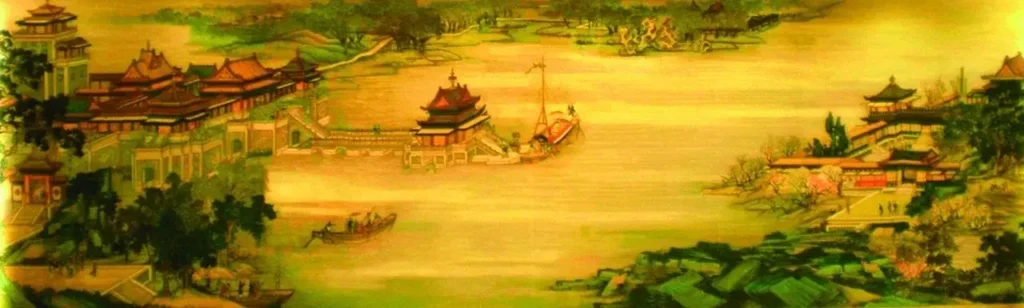
1. Along the River During the Qingming Festival
In 2010, inheritor Tang Minghua led a team to transform Zhang Zeduan’s iconic painting into a $22 \text{m} \times 0.8 \text{m}$ Rongxiu work. Innovating with the Thread Grain Sectioning technique, they adjusted thread direction to depict dynamic river waves and ship sails, bringing a modern three-dimensional perspective to a millennial masterpiece.
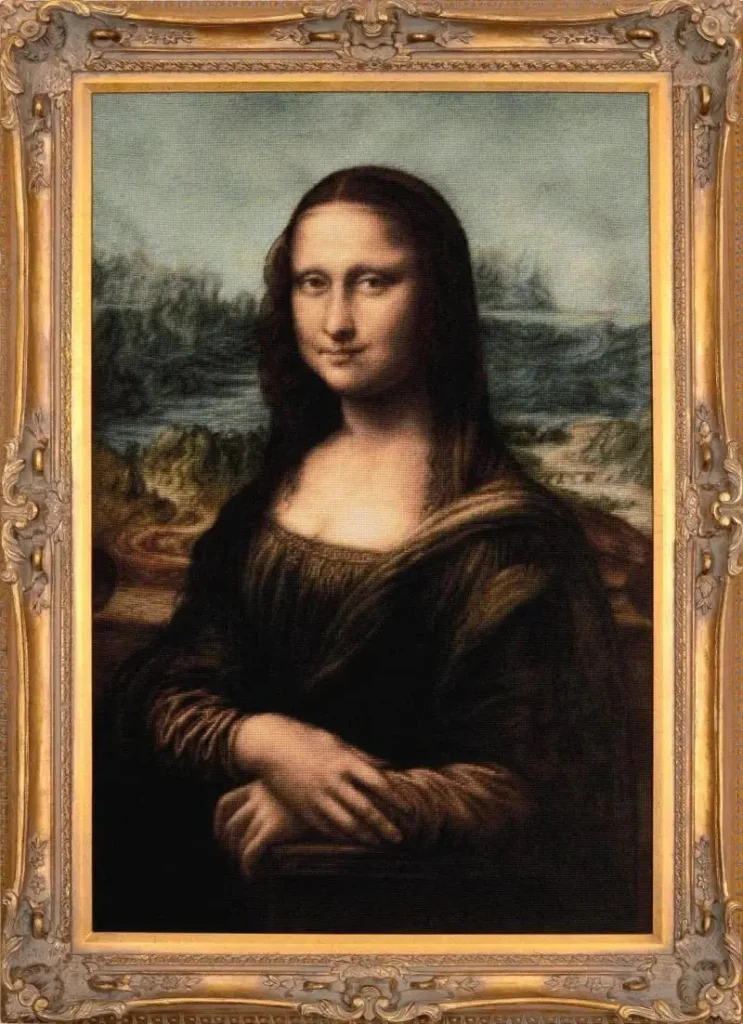
2. Mona Lisa Reconstruction
In 2018, designer Li Wei recreated Leonardo da Vinci’s Mona Lisa using Rongxiu. Through the Layered Color Penetration Method, 12 gradient shades were meticulously embroidered to capture the enigmatic smile. The result impressed Western critics and highlighted how Shanghai Wool Embroidery can reinterpret classic Western art through Oriental craftsmanship.
III. Immersive Experience Guide: Be a Rongxiu Artist for a Day
1. Must-Visit Cultural Landmarks
- Shanghai Wool Embroidery Art Museum (Gaoqiao, Pudong): Explore over 300 historical Rongxiu pieces, including mid-20th-century export works. Visitors can try basic stitching or complete a mini embroidery bookmark.
- Tianzifang Rongxiu Workshop: Artisans demonstrate the Splitting and Thread-Shading technique. Visitors can commission custom portrait Rongxiu pieces (completion ~2 weeks).
- M50 Creative Park: Contemporary artists combine Rongxiu with modern installation art, like the “Night Shanghai” series with fluorescent threads glowing in the dark.
2. Pre-Trip Preparation Tips
- Eye Protection: Bright lighting is essential to follow thread placement.
- Patience: Even a simple A4-sized piece may take around 4 hours to complete.
IV. Shanghai Wool Embroidery: Tradition Meets Modernity
Watching an artisan place each thread at the Shanghai Wool Embroidery Art Museum, you can sense the continuity of a century-long tradition. From European missionary techniques to modern AI-assisted masterpieces, Rongxiu demonstrates Shanghai’s fusion of innovation and heritage. As Tang Minghua says:
“Every thread is the continuation of history, and every stitch is the beginning of the future.”
Next time you encounter a vibrant Rongxiu work, step closer—within the intricate color dots lies the cultural heartbeat of Shanghai since its treaty port era.
Discover more in our Shanghai Tourist Attractions Collection and China Cultural Heritage Tours Collection to plan your journey.