Huaxian Shadow Puppetry: Xi’an’s Intangible Heritage
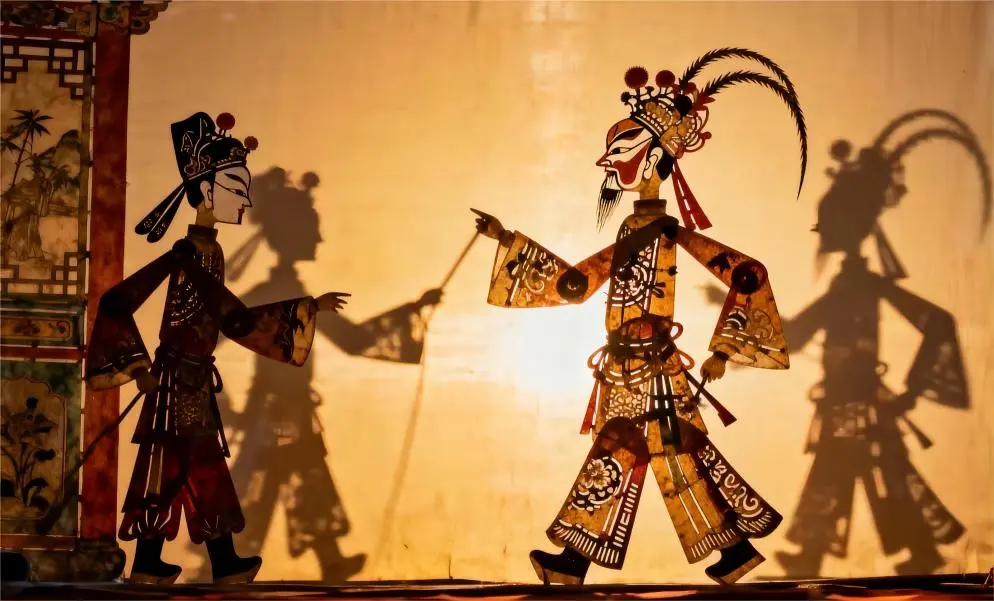
Walking along Xi’an’s ancient City Wall, the sounds of gongs, drums, and singing might draw you to a teahouse. Every corner seems to whisper centuries of stories, inviting travelers to step into a living museum of Chinese culture. Behind a white screen, flickering light reveals colorful leather puppets performing tales of joy, sorrow, and heroism. This is Huaxian Shadow Puppetry (Huaxian Piyingxi), a National Intangible Cultural Heritage art celebrated as a “living fossil of Oriental art.” For travelers, it offers both a visual feast and an immersive window into traditional Chinese aesthetics.
I. History of Huaxian Shadow Puppetry
Originating in the Han Dynasty, shadow puppetry traces back to a legend of Emperor Wu of Han, who used a “lamp and shadow technique” to honor his deceased concubine. By the Song Dynasty, it had become a popular folk art, widely performed across streets and alleys.
Huaxian (today’s Huazhou District, Weinan City) is a key birthplace. Its deep agrarian culture nurtured the art. During the Ming and Qing Dynasties, the “Wanwanqiang” school emerged, known for delicate singing, detailed carving, and extensive repertoire. In 2006, it was inscribed on China’s National Intangible Cultural Heritage list, affirming its national and international recognition.
II. Classic Huaxian Shadow Puppetry Shows
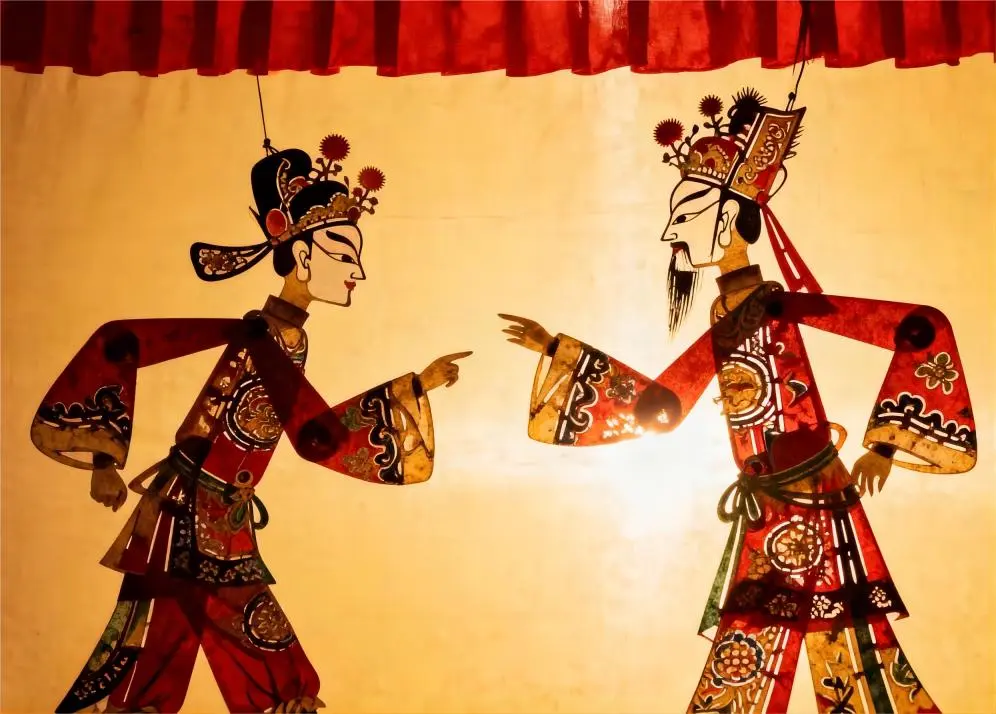
Huaxian Shadow Puppetry combines artistic craftsmanship, storytelling, and music. Puppets are carved from cowhide, painted vividly, and exaggerated in form. Repertoires span history, myth, and daily life. Key works include:
1. The Peddler (Mai Zahuoke)
A humorous portrayal of Qing Dynasty street life through the eyes of a puppet peddler. Every movement—the swaying pole, the rhythm of street cries—is brought to life, interspersed with dialect dialogue and comic plots.
2. Three Attacks on the White Bone Demon (San Da Baigujing)
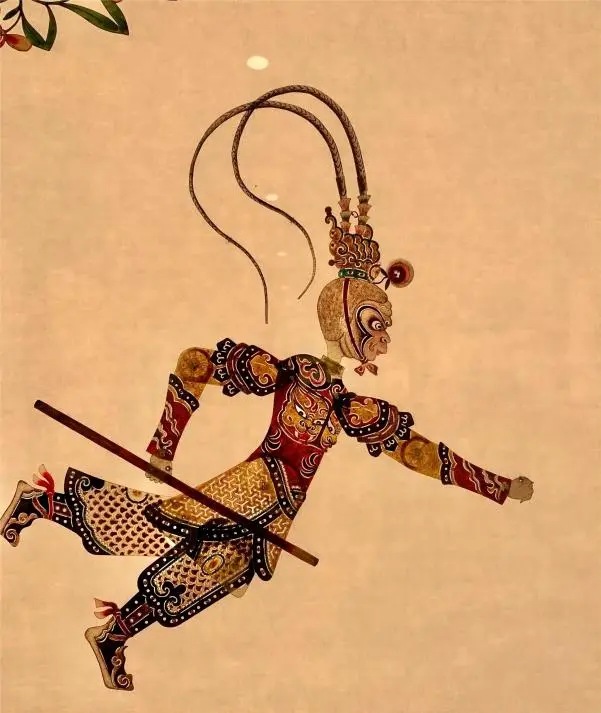
Adapted from Journey to the West, this mythological epic features the head-changing trick and lighting effects to create mystery. The Monkey King’s golden staff swings with retractable bamboo strips, adding dynamic sound effects.

3. Slicing Han Chang with a Sword (Dao Pi Han Chang)
A heroic drama from the Yang Family Generals tale. Puppets enact sword fights, horse riding, and battle maneuvers, accompanied by music with horse neighs and weapon clashes.
III. Where to Watch and Experience Huaxian Shadow Puppetry in Xi’an
1. Gao Family Courtyard Shadow Puppet Theater (Gaojia Dayuan Piying Juchang)
Located in Beiyuanmen, this Ming-Qing courtyard stages daily classic performances (¥50, refreshments included). Visitors can go backstage to see artisans carving puppets, adjusting lights, and try manipulating a simple puppet themselves.
2. Yongxingfang Intangible Cultural Heritage Street
The Huaxian Shadow Puppet Workshop showcases puppets from heritage inheritors. Tourists can purchase traditional characters or creative designs (cartoons, zodiac). Owner Wang Tianwen, a national inheritor, often demonstrates the crafting process.
3. Shaanxi Intangible Cultural Heritage Museum (Xi’an Branch)
Features the Shadow Puppetry Art Thematic Exhibition with historical puppets, production tools, and interactive installations. Workshops every Saturday let visitors carve and color simple puppets (¥120, materials included).

IV. Travel Tips for Huaxian Shadow Puppetry
- Purchasing: Keep leather puppets away from humidity; waterproofed versions are travel-safe.
- Cultural Note: “Ghost and demon” puppets are part of specific repertoires; avoid gifting or mishandling.
- Extended Experience: Visit the Forest of Stone Steles Museum to understand ancient drama origins.
- Booking Tips: Reserve workshops in advance to guarantee hands-on experience.
Conclusion: Light and Shadow Endure
As the curtain falls, the dancing puppets disappear, but the cultural memory remains. Huaxian Shadow Puppetry transforms cowhide, light, and sound into a centuries-old dialogue of history, wisdom, and artistry. In Xi’an, these “shadow poets” invite you to touch, watch, and participate—bringing a living piece of Chinese intangible heritage home with you. No visit to the city is complete without pausing to watch a puppet dance across the glowing screen, where history and artistry meet.
Discover more in our Xi’an Tourist Attractions Collection and China Cultural Heritage Tours Collection to plan your journey.