Yuanmingyuan (Old Summer Palace), Beijing: History, Ruins & Travel Guide
Located at No. 28 Qinghua West Road in Haidian District, Beijing, the Yuanmingyuan (Old Summer Palace) spans 350 hectares of historic gardens and ruins. Once the Qing Dynasty emperors’ summer retreat, it combined imperial administration with leisure, fusing Eastern and Western landscaping styles. Today, it remains a poignant symbol of China’s cultural heritage and the resilience of human creativity.

I. History of Yuanmingyuan: Imperial Gardens in Beijing
Yuanmingyuan’s creation began in 1707, during the 46th year of Emperor Kangxi’s reign, as a private garden gifted to his fourth son, Prince Yinzhen (later Emperor Yongzheng). After ascending the throne, Yongzheng expanded it into a grand imperial residence (xinggong), integrating living quarters, administrative functions, and leisure areas. The name “Yuanming,” meaning “round and reaching the divine; bright and illuminating all,” reflects both Buddhist philosophy and imperial ideals.
The garden reached its peak under Emperor Qianlong, blending the delicate intimacy of Southern Chinese gardens with Western architectural elements:
- Grand Fountain (Dashuifa): A hydraulic marvel combining water, sculpture, and geometry.
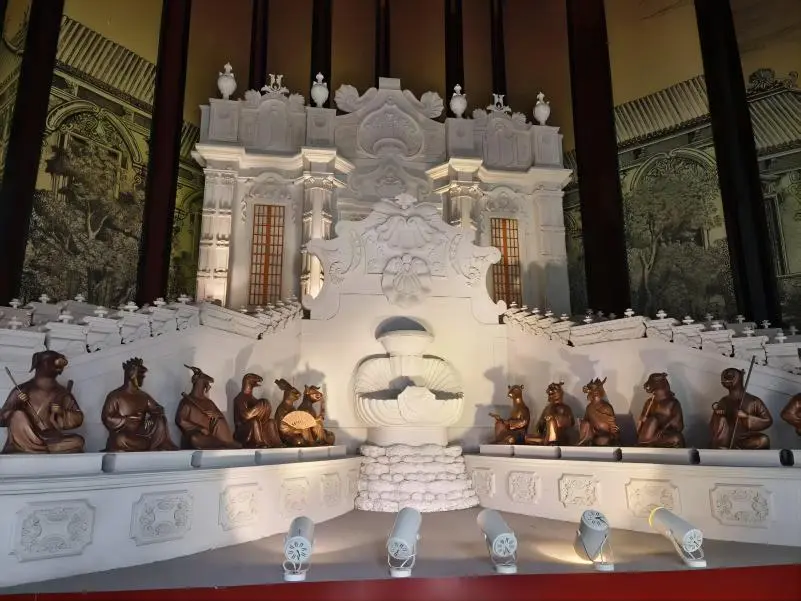
- Hall of Calm Seas (Haiyantang): Featuring the famous zodiac animal clock.
- Western Mansions (Xiyang Lou): Baroque-style buildings designed with European missionaries such as Giuseppe Castiglione and Michel Benoist.
Jean-Denis Attiret, a French missionary, wrote in 1743: “This is a paradise on earth. Its pools are constructed according to natural contours, utterly different from the rigidly geometric gardens of Europe.” Voltaire later praised Yuanmingyuan as the “Ideal China,” influencing European garden design in the 18th century.
II. Destruction and Preservation: Scars of Civilization
In 1860, the Anglo-French Allied forces set fire to Yuanmingyuan, destroying much of its architecture and art. Over the following century, the Eight-Nation Alliance invasion, looting by warlords, and natural erosion further reduced the complex to ruins. After 1949, Yuanmingyuan became a protected cultural heritage site. In 2019, it was officially upgraded to a National 5A-level Tourist Attraction, and restoration efforts continue, combining preservation with modern interpretation.
III. Exploring the Ruins: Highlights & Seasonal Beauty
Even in ruins, Yuanmingyuan offers a moving experience:
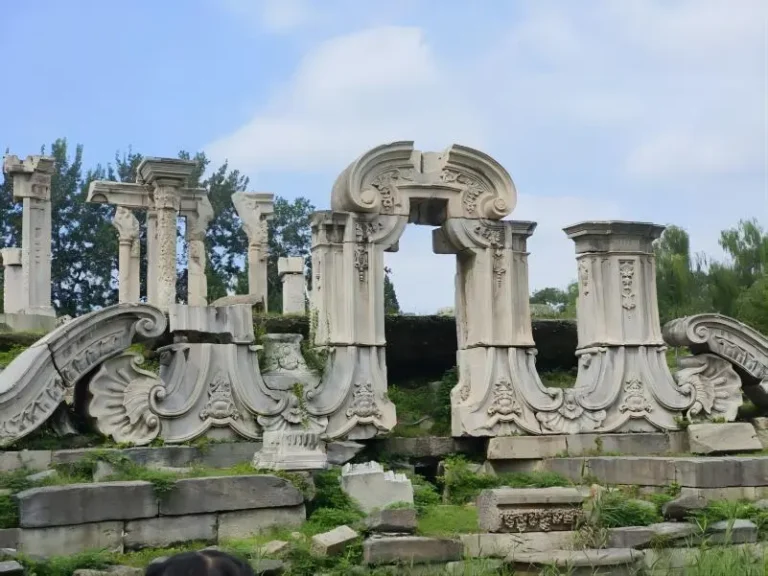
- Western Mansions Ruins: Stone columns and fountains can be virtually reconstructed with AR, highlighting the garden’s former grandeur. The repatriation of Twelve Zodiac Animal Heads has attracted global attention.
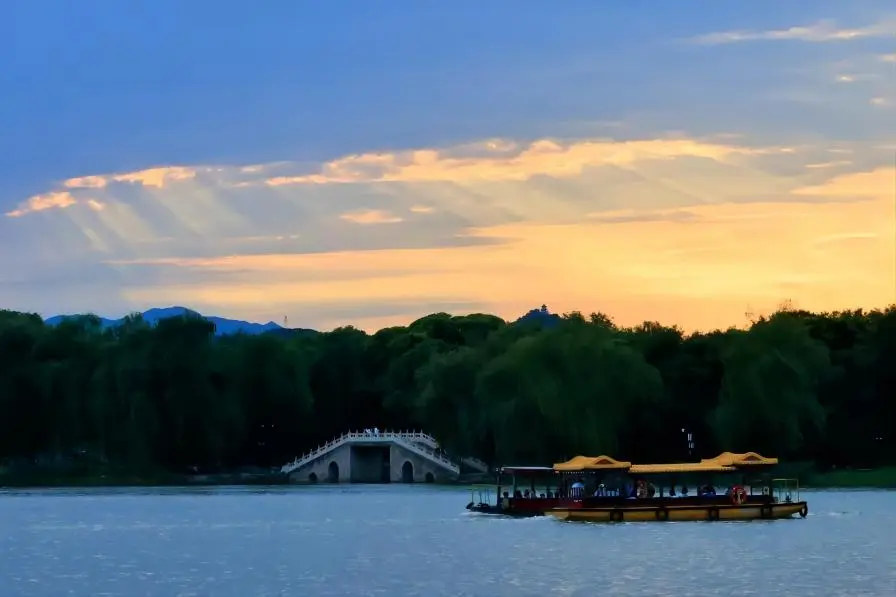
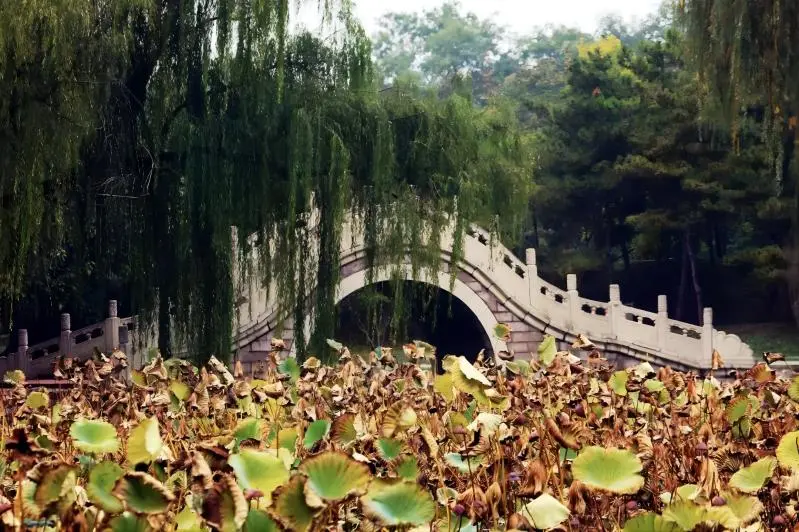
- Fuhai Lake Boating: Glide among blooming lotuses in summer, imagining Qianlong’s ceremonial rituals at the “Sea of Fortune.”
- Panoramic Sand Table: A 1:150 scale model lets visitors appreciate the garden’s clever spatial design, known as “borrowing heaven and shrinking the earth.”
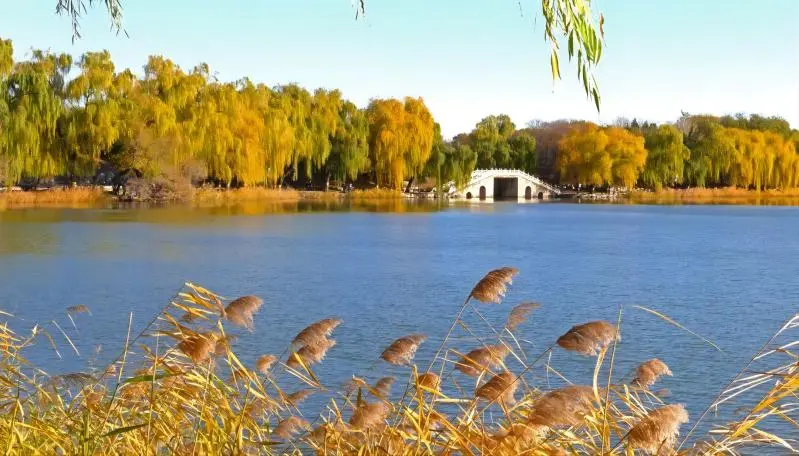
- Seasonal Highlights: Magnolias bloom in March, lotuses in June, golden ginkgo in October, and snow blankets the ruins in December, each season offering a poetic view.
IV. Visitor Tips: How to Experience Yuanmingyuan
- Transportation: Take Subway Line 4 to Yuanmingyuan Station, Exit B. Enter via the South Gate and walk to the Western Mansions Ruins (approx. 30 minutes).
- Tickets: Entrance ¥10; combination ticket with Western Mansions and sand table ¥25. Advance booking recommended.
- Hidden Gems: Arrive before noon on weekdays to receive a creative souvenir voucher, enjoy stamp collecting at Zhengjue Temple, or attend the weekend nighttime light show recreating the garden’s historic illumination.
For travelers planning a full Beijing itinerary, explore additional highlights on our Beijing Tourist Attractions page.
V. Conclusion: An Unfinished Garden, A Living Memory
Walking among the ruins of Yuanmingyuan, visitors touch China’s imperial past, Western-influenced artistry, and cultural resilience. Every broken column and recovered Zodiac Animal Head tells stories of beauty, destruction, and human responsibility to preserve heritage. Seasonal scenery, boating, and interactive exhibits make each visit a journey through history, art, and reflection. The Old Summer Palace remains an enduring symbol of aspiration, peace, and cultural memory—its light continues to inspire across time.