Fayuan Temple, Beijing: Millennial History and Spiritual Blessings
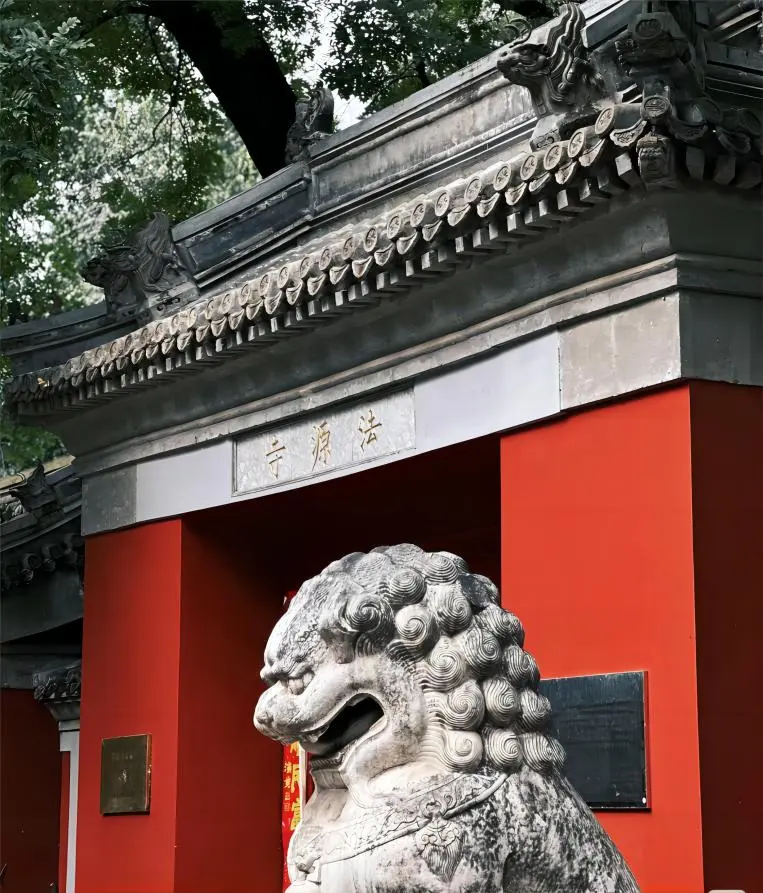
Tucked near Niujie Street in Beijing’s Xicheng District, Fayuan Temple ( Dharma Source Temple), founded in the Tang Dynasty, is famed as the “Highest Buddhist Academy in China.” Beyond its role as a monastic site, the temple offers visitors a chance to experience Oriental wisdom, historical depth, and unique blessing culture in the heart of Beijing.
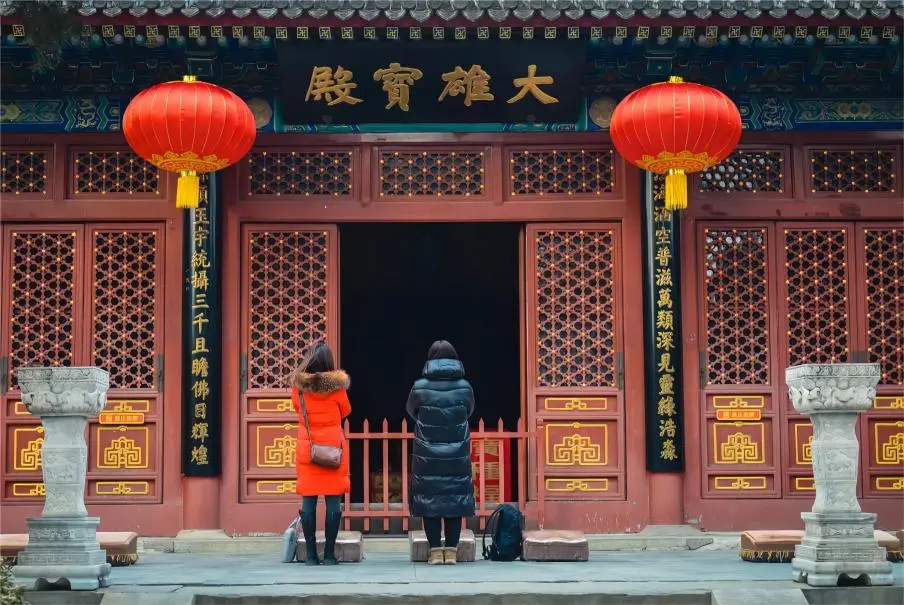
I. A Cultural Landmark Through the Centuries
Fayuan Temple began as Minzhong Temple (Mourning Loyalty Temple) in 645 AD, commemorating soldiers of the Eastern Expedition. During the An Lushan Rebellion, it became the national temple of the “False Yan” kingdom. The national hero Wen Tianxiang was once imprisoned here, composing immortal lines:
“From ancient times, man is mortal; let my loyal heart illuminate history.”
During the Qing Dynasty, Emperor Qianlong inscribed the plaque “Fayuan Temple,” cementing its status as one of Beijing’s oldest extant Buddhist temples. The layout follows the Tang Dynasty Qinglan Qitang Zhi (Seven-Hall Monastic Style), with the Gate, Hall of Heavenly Kings, Grand Hall of the Great Sage, Minzhong Pavilion, and Great Compassion Altar along the central axis. The Minzhong Pavilion is hailed as the “Oldest Pavilion in Beijing.” Tang Dynasty stone carvings and relics of eminent monks display a millennium of history.

II. Abundant Incense: Where History Meets Folk Faith
Fayuan Temple thrives on the blend of historical prestige and folk belief:
- Sanctuary of Knowledge: Home to the Buddhist Academy of China, the temple nurtured countless monks and scholars. Visitors pray for academic success and wisdom, often lighting lotus lanterns before the Grand Hall.
- Marriage and Progeny Blessings: The Thousand-Hand Guanyin statue in the Guanyin Hall is believed to answer prayers. Couples tie red strings, and pilgrims may touch Guanyin’s foot for family prosperity.
- Historical Figures’ Patronage: Wen Tianxiang’s spirit inspires “Righteousness for Protection.” Businesspeople light incense at the Great Compassion Altar for career success and warding off ill-wishers.
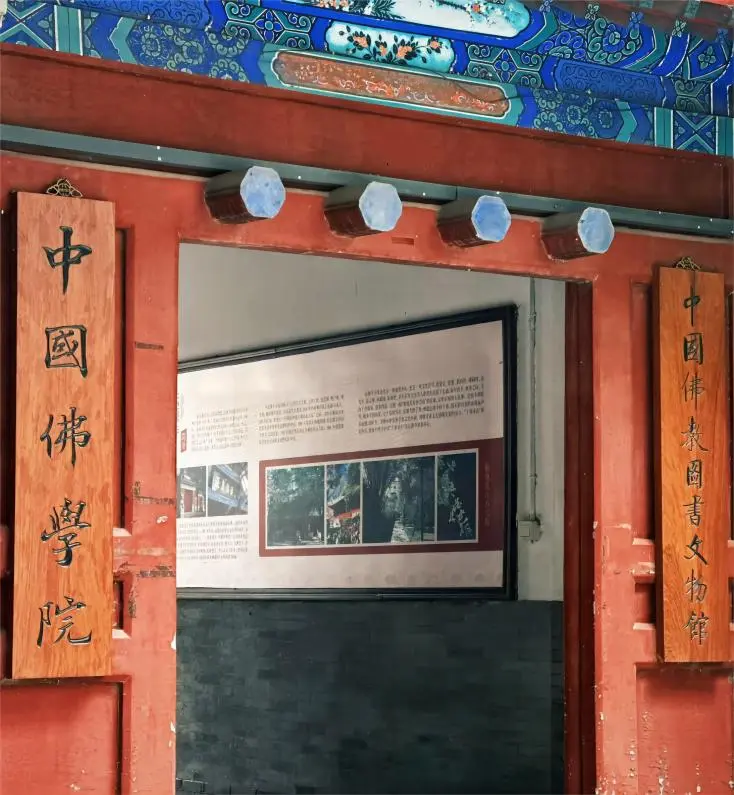
III. Visitor Highlights: A Dialogue Across Centuries
Architectural and Historical Exploration
- Ming Dynasty Frescoes in the Hall of Heavenly Kings: Preserved original paintings on the four Heavenly Kings statues showcase Ming Buddhist art.
- Tang Dynasty Stone Carvings in Minzhong Pavilion: Epitaphs and sutra pillars inscribed with “Minzhong Temple” provide tangible historical evidence.
- Ancient Trees in the Great Compassion Altar: Tang Dynasty locust trees offer shade and a place for contemplation—experiencing “one generation plants trees, the next enjoys the shade.”
Participating in Zen Rituals
- Guotang Ceremony: Daily at 10:00 AM, visitors observe monks’ formal meal and the “Five Contemplations of Eating.”
- Pufuo Dharma Assembly: On lunar month’s first and fifteenth days, visitors join sutra chanting, experiencing purifying Buddhist rituals.
City Life Meets Zen
Niujie Street, adjacent to the temple, is Beijing’s historic Muslim quarter. After the visit, enjoy local delicacies like Yangrou Paomo (lamb pita soup) or Tangjuan Guo (candied fruit rolls). This interplay of “mind cultivation inside, savoring life outside” defines Fayuan Temple’s charm.
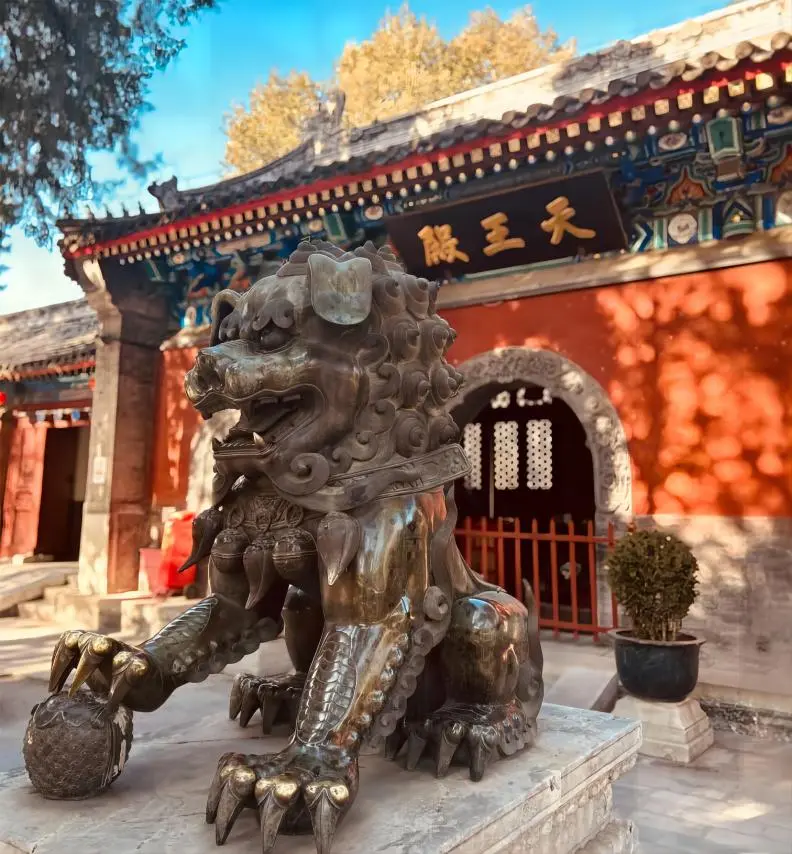
IV. Souvenir Guide: Bringing Zen Home
- Creative Store Picks:
- Fayuan Temple Postcards: Featuring architecture and steles, with Chinese and English introductions.
- Tang-Style Bookmarks: Inspired by Minzhong Pavilion carvings, made of brass filigree.
- Bodhi Seed Mala Beads: Consecrated, symbolizing “growth of wisdom.”
- Traditional Dharma Items:
- Sachets: Mugwort and cinnabar, to ward off evil.
- Heart Sutra Copybooks: Blank scrolls for visitors to copy sutras, experiencing “cultivating the mind through writing.”
V. Practical Information
- Address: No. 7 Fayuansi Qianjie, Xicheng District, Beijing
- Opening Hours: 9:00 AM–4:30 PM (Closed Mondays)
- Admission: Free (Reservation required)
- Transportation: Subway Line 4 to Taoranting Station (Exit D), walk 10 minutes; Bus 10 or 59 to Niujie Station.
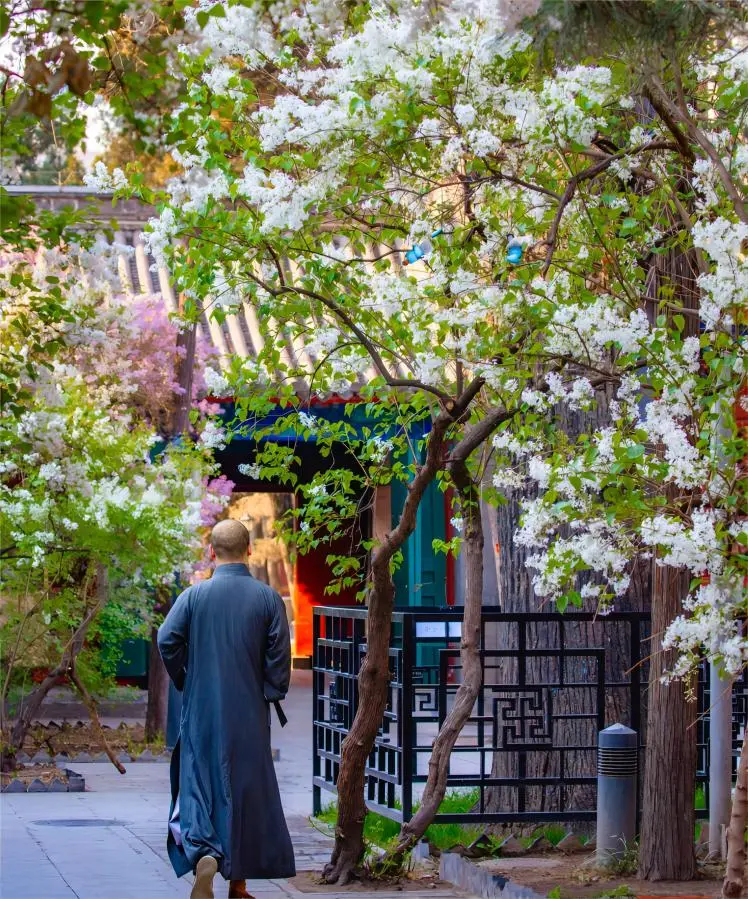
- Tips: No photography inside halls; maintain silence. Spring lilacs bloom during the “Lilac Poetry Gathering” (Dingxiang Shihui).
VI. Continue Your Spiritual Journey
For readers inspired by Fayuan Temple, explore more sacred sites in our Temple Collection, each offering unique history, architecture, and Zen experiences.
Fayuan Temple is both a living museum of Buddhism and a bridge between history and modern life. Touching Tang Dynasty carvings and listening to the temple bells, visitors realize the true efficacy lies not in a specific wish, but in the inner peace awakened by enduring faith and Oriental wisdom. For more inspiration, explore other highlights on our Beijing Tourist Attractions page.