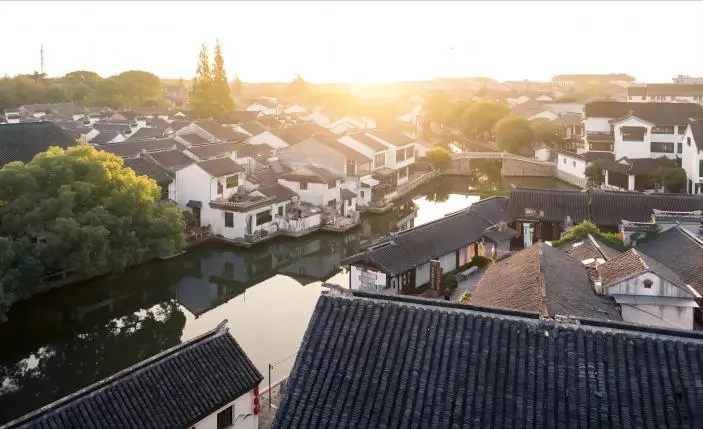
Beijing Hutongs: A Cultural and Historical Guide to Traditional Alleys
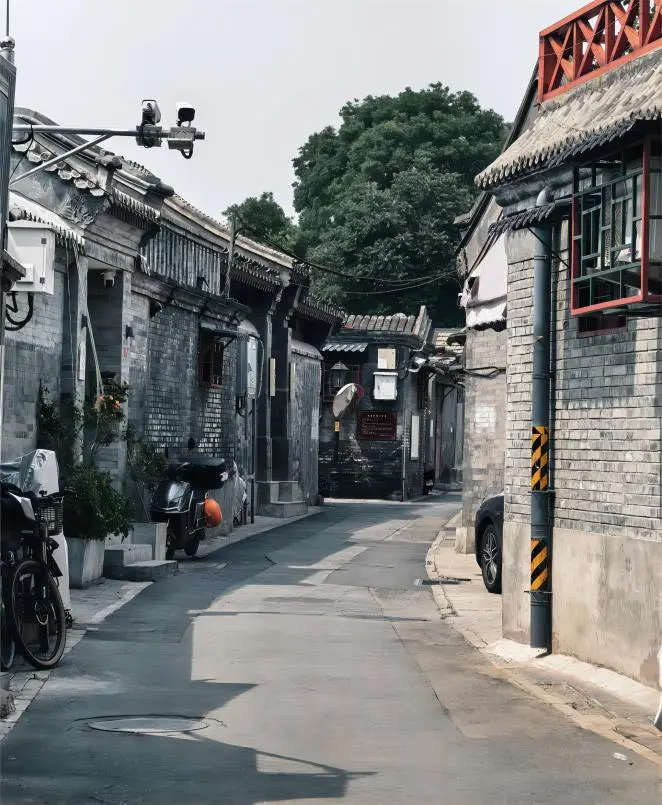
Nestled between Beijing’s skyscrapers and modern malls lie sprawling, intersecting “labyrinths”—the hutongs (traditional alleys). These narrow lanes act as the city’s capillaries, connecting courtyards (siheyuan), old teahouses, and the vibrant life of local communities, carrying the most authentic memories of Beijing life.
History of Beijing Hutongs: From Yuan Dynasty to Modern Times
The hutongs date back over 800 years to the Yuan Dadu period, reflecting urban planning, life, and culture.
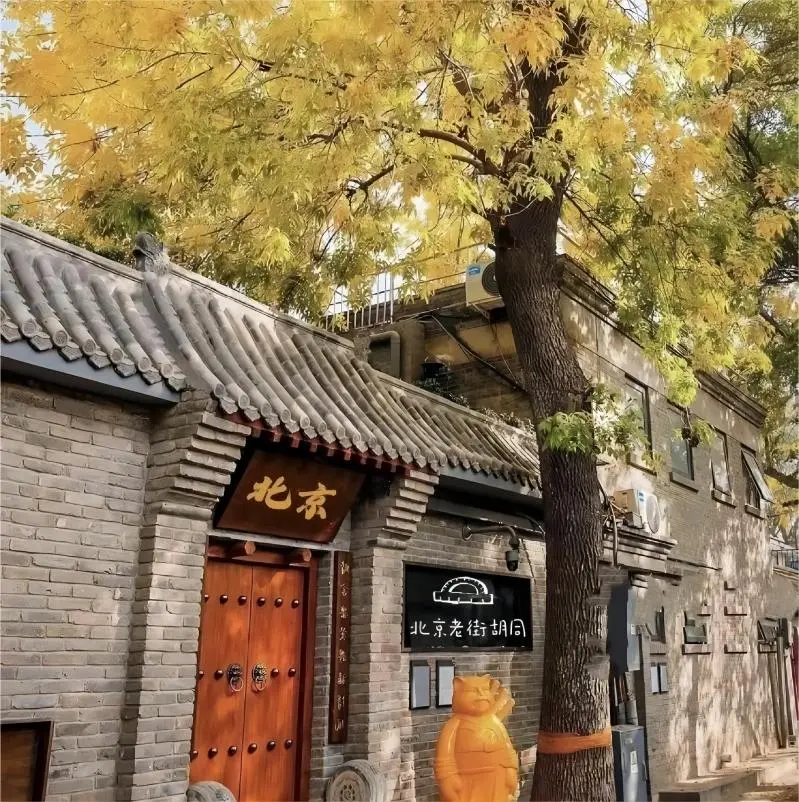
Yuan Dynasty Planning: The Genetic Code of Hutongs
In 1272, Kublai Khan established Beijing as the capital (Dadu) and designed the city following the Rites of Zhou. Main streets were wide (≈37 m), while hutongs were narrow (≈9 m), flanked by siheyuan, forming a three-tiered layout: Main Street – Hutong – Siheyuan. This structure facilitated governance and made the hutong the city’s smallest life unit.
Ming and Qing Evolution: Life’s Annals in the Alleys
During the Ming Dynasty, hutongs surged to over 2,000. Many were named after local trades or landmarks, e.g., Qianshi Hutong for financial trading, Yandai Xiejie for pipe shops. In the Qing Dynasty, siheyuan expanded and hutong culture flourished. Lao She’s novels, like Four Generations Under One Roof, immortalized life in these alleys.
Modern Transformation: Tradition Meets Modernity
In the 20th century, hutongs faced demolition debates. Today, around 1,300 remain, with Nanluoguxiang and Shichahai as cultural landmarks. Modern hutongs are living museums, merging history, art, and everyday life.
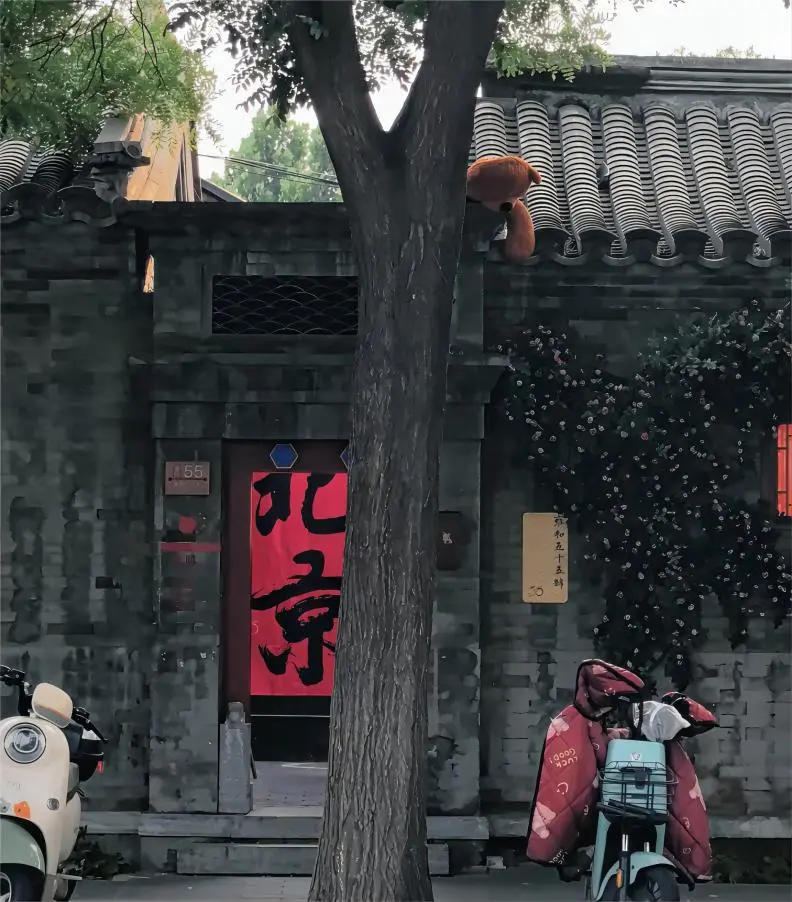
Culture and Life in Beijing Hutongs: Philosophy, Tradition, and Art
The charm of hutongs lies in their blend of philosophy, aesthetics, and daily life.
Spatial Philosophy: Living Wisdom in Courtyards
The siheyuan layout—North House for elders, East/West Wings secondary, South House for guests—reflects Confucian respect. Courtyards often feature pomegranate trees, goldfish bowls, and wisteria trellises, symbolizing “many children and great fortune” (Duo Zi Duo Fu) or “surplus every year” (Nian Nian You Yu). Narrow lanes and enclosed courtyards create privacy, embodying “great reclusion in the city.”
Local Charm: The Slow Life of Hutongs
Early mornings feature douzhi vendors; afternoons see elders playing chess or walking birds; evenings have neighbors chatting over dinner. Mutual help and friendly chatter create the warmest urban community, contrasting sharply with the isolation of modern high-rises.
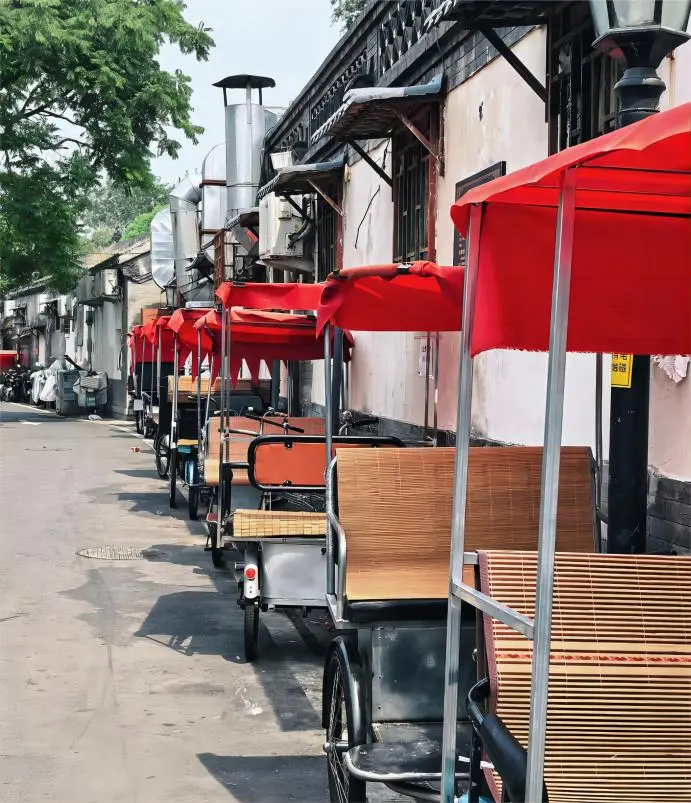
Artistic Rebirth: Tradition Meets Modern Creativity
Recently, abandoned factories have become art spaces, graffiti interacts with brick carvings, and cafes incorporate Peking Opera elements. This “old bottle, new wine” transformation preserves historical texture while adding youthful energy.
Classic Hutong Experiences: Roaming, Food, and Local Life
Cycling Exploration: Measuring History on Wheels
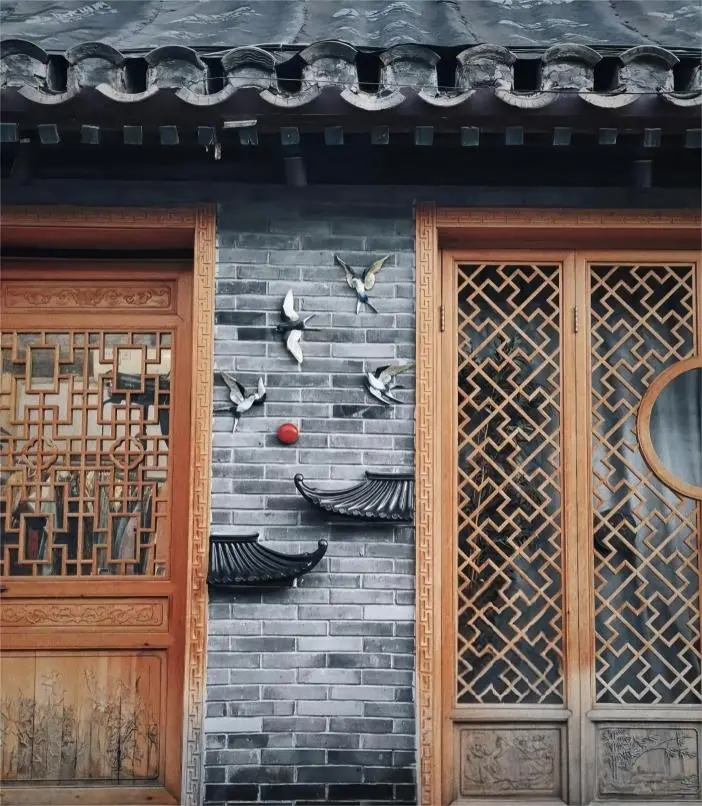
Rent a shared bike starting at Nanluoguxiang, turn north into Mao’er Hutong, cycle west through Yandai Xiejie, and end at Shichahai. See the former residences of Empress Wanrong and Mao Dun. On Yinding Bridge, glimpse the historic Western Hills. Cycling brings the alley details to life—the wildflowers, door carvings, and paper cuttings are all surprises.
Deep Immersion: Living Like a Hutong Resident
Join a “Hutong Culture Experience”: make jiaozi (dumplings), practice calligraphy in a siheyuan, listen to old ghost stories, or learn Tai Chi and bird walking from local elders. Stay in a hutong B&B to wake to pigeon coos and sleep to insect songs, enjoying authentic Beijing life.
Culinary Adventure: Tasting Hutong Flavors
Try Yaoji Stewed Liver (Chao Gan), Wenyu Cheese, and Baodu Feng’s tripe. For variety, explore Nanluoguxiang Food Street or smaller alleys with old, unbranded shops—the owner’s calls are the true signboards.
Visiting Beijing Hutongs: Travel Tips and Guidance
- Best Season: Spring & Autumn (April–May, September–October) for pleasant weather.
- Transportation: Subway Line 2/6 to Nanluoguxiang Station, Line 8 to Shichahai Station; walking or cycling is recommended.
- Notes: Respect residents’ privacy; ask before entering courtyards or photographing people.
Beijing’s hutongs preserve the city’s memory and life poetry. Unlike the grandeur of the Forbidden City or the Great Wall, they tell China’s story through everyday life. Explore these lanes to see the most vibrant, authentic Beijing. Planning more sightseeing in the capital? Explore other Beijing Tourist Attractions.