The Taste of Beijing: A Culinary Adventure with Baodu (Quick-Boiled Tripe) and Chaogan (Stir-Fried Liver)
For international travelers, Beijing is not only a city rich in history and culture—it is also a paradise for curious eaters. Among its many traditional street foods, two dishes stand out as signatures of “Old Beijing” flavor: Baodu and Chaogan. This guide will introduce you to their unique tastes and show you exactly where to find the most authentic versions. Your Beijing journey will delight not just your eyes, but your stomach too. Curious about more traditional Beijing flavors? Explore all our recommended spots on the Beijing Local Food Trails page.
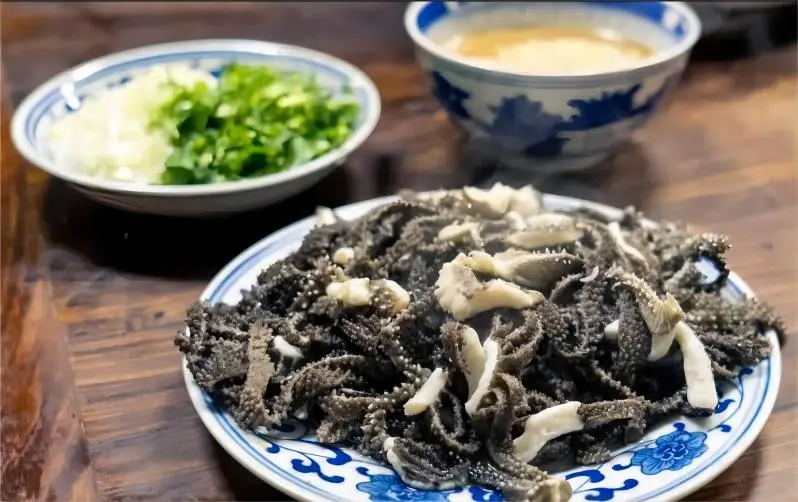
I. What is Baodu — Beijing’s Classic Quick-Boiled Tripe: Crisp, Fresh, and Full of Character
Baodu is a deceptively simple yet highly refined dish beloved by generations of Beijingers. Made from thinly sliced beef or mutton tripe, it requires exceptional knife skills and precise cooking. The tripe is quickly blanched (cuan tang) in boiling water until just done, then dipped into a fragrant sauce of sesame paste, chili oil, garlic, and other seasonings.
Each bite is a perfect contrast of textures: crisp but never rubbery, tender but never mushy, with a clean, savory aroma that makes it instantly addictive.

Best Places to Eat Baodu in Beijing
1. Jinshenglong
- Location: No. 253 Andingmen Nei Street, Dongcheng District
- Price: ¥60–80 per person
- Access: Subway Line 2 → Andingmen Station (Exit A), then a 10-minute walk
- Why Visit: A century-old Halal institution and a Michelin-recognized favorite. They offer multiple tripe cuts—duren, duling, sandan—each with distinct textures.
- Try This: Duling, known for its exceptionally crisp yet tender bite
- Reservations: Not required; avoid peak dining hours
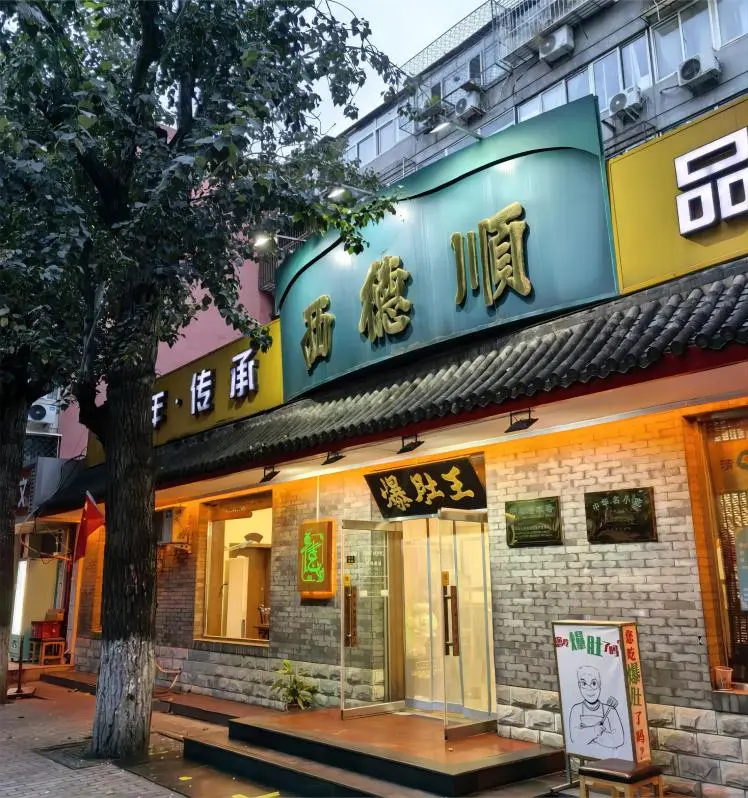
2. Xideshun Baodu Wang
- Location: No. 29 Hepingli Middle Street, Dongcheng District
- Price: ¥50–70 per person
- Access: Subway Line 5 → Hepingli Beijie (Exit D), 5-minute walk
- Why Visit: Another historic spot famed for delicate tripe and a uniquely aromatic dipping sauce.
- Try This: Pair it with a hot bowl of Lamb Offal Soup (Yangzatang)—perfect on a winter day
- Reservations: Not required, but check hours before visiting
II. What is Chaogan — A Garlicky, Hearty Beijing Classic and a Breakfast Favorite
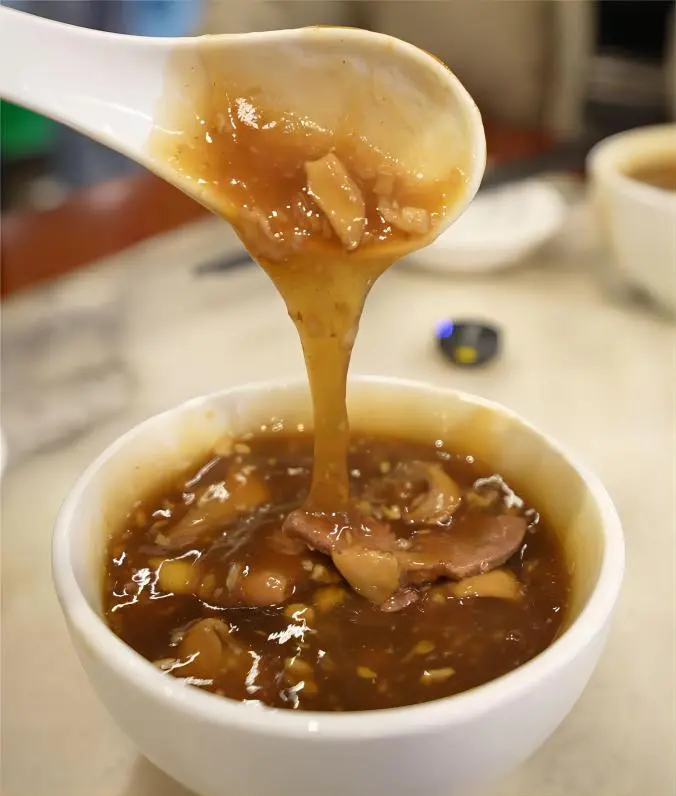
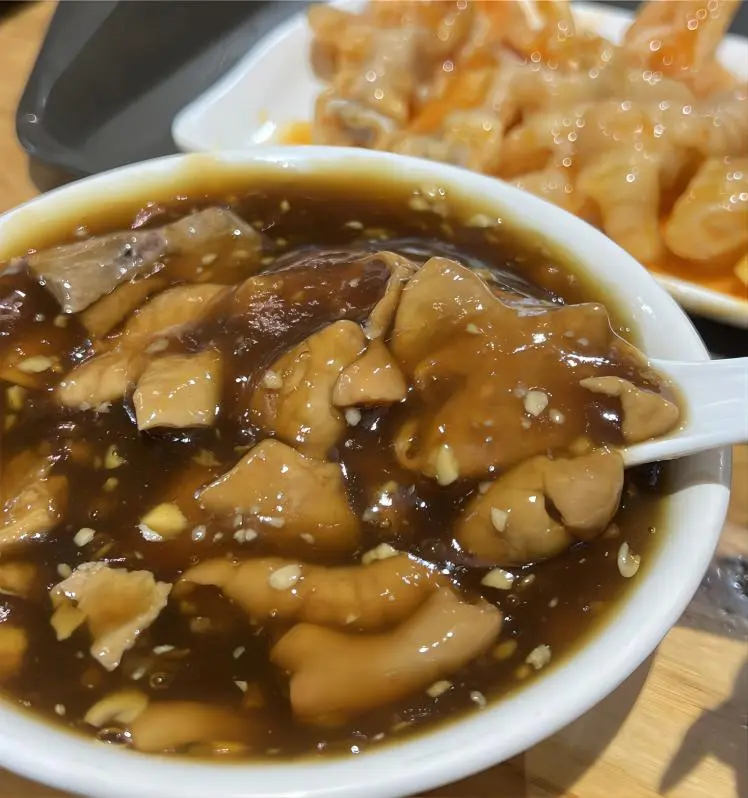
Though its name means “stir-fried liver,” Chaogan is actually a slow-cooked, thickened stew made from pork liver and large intestines. Loaded with minced garlic and thickened with starch, it has a rich, comforting aroma and a silky, slightly viscous texture.
Locals follow a special way of eating it: you sip it directly from the side of the bowl rather than using a spoon. This technique keeps the flavor balanced in every mouthful and—surprisingly—helps prevent burning your tongue. It’s a uniquely Beijing cultural moment.
Best Places to Try Chaogan in Beijing
1. Tianxingju Chaogan
- Location: No. 81–83 Xianyukou Street, Dongcheng District
- Price: ¥25–40 per person
- Access: Subway Line 2 → Qianmen Station (Exit C), then a 10-minute walk
- Why Visit: A century-old shop famous for its mellow, garlicky Chaogan.
- Try This: Pair with a Pork & Scallion Bun (Baozi) for the perfect combo
- Also Available: Douzhi (fermented mung bean drink), luzhu (stewed offal)
- Reservations: Not required; arrive early for breakfast
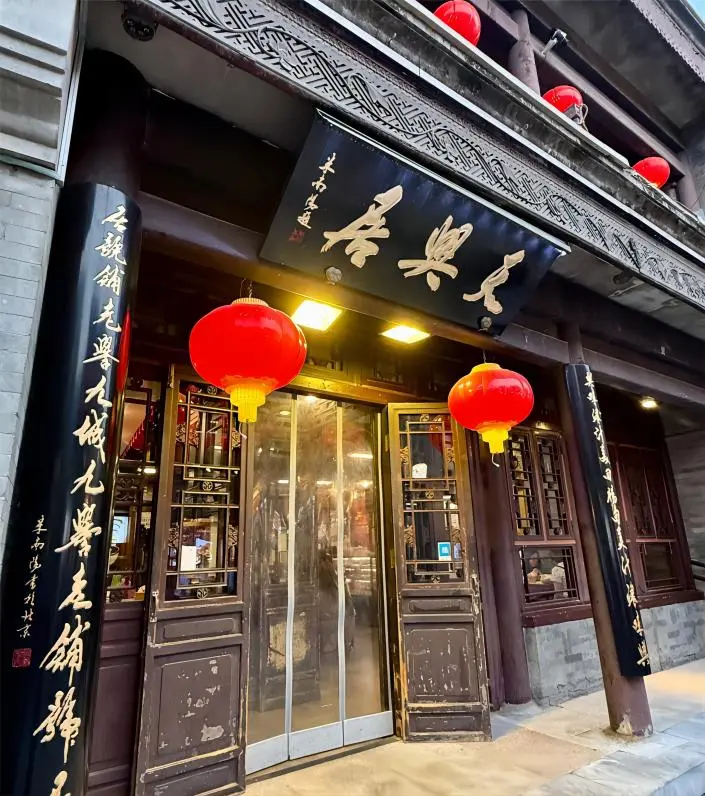
2. Yuan Zhaoji Chaogan
- Location: No. 6–5, 6 Zhushikou East Street, Dongcheng District
- Price: ¥30–50 per person
- Access: Subway Line 7 → Zhushikou Station (Exit G), 5-minute walk
- Why Visit: Considered the “gold standard” of Chaogan—balanced garlic aroma, silky texture, clean shop environment.
- Try This: Pork & Three Delicacies Bun (Zhusantian Baozi)
- Reservations: Unnecessary; off-peak visits recommended

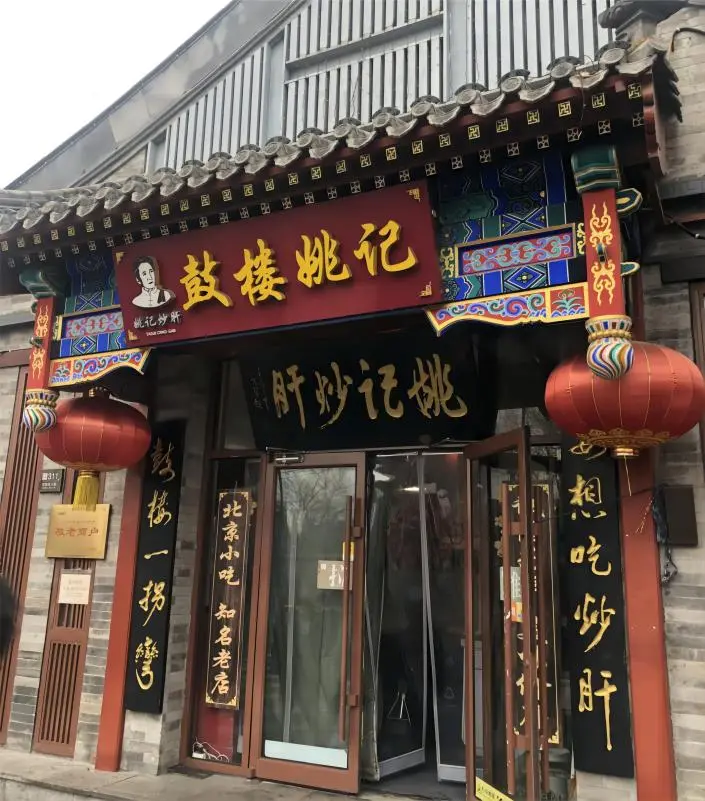
3. Yaoji Chaogan Shop (Gulou Branch)
- Location: No. 311 Gulou East Street, Dongcheng District
- Price: ¥35–55 per person
- Access: Subway Line 8 → Shichahai Station (Exit A), 10-minute walk
- Why Visit: Famous for its “Presidential Set Meal” and its bold, flavorful Chaogan.
- Try This: Zha gezhihe (fried batter crisps), wandouhuang (pea cake)
- Bonus: Near Drum Tower—perfect for exploring after eating
- Reservations: Not required; check operating hours beforehand
III. Summary: Taste Beijing, Experience Its Culture
Though simple at first glance, Baodu and Chaogan represent the deep culinary heritage of Beijing. Whether it’s the crisp tripe at Jinshenglong or the richly garlicky Chaogan at Tianxingju, each bowl reflects centuries of local flavor and culture. We hope this guide helps you add delicious memories to your Beijing trip—and inspires you to explore even more of the city’s traditional dishes. Check out our guide on Best Foods to Try in Beijing for local must-eats. Discover even more local flavors in our article on Best Places to Eat Local Beijing Snacks.