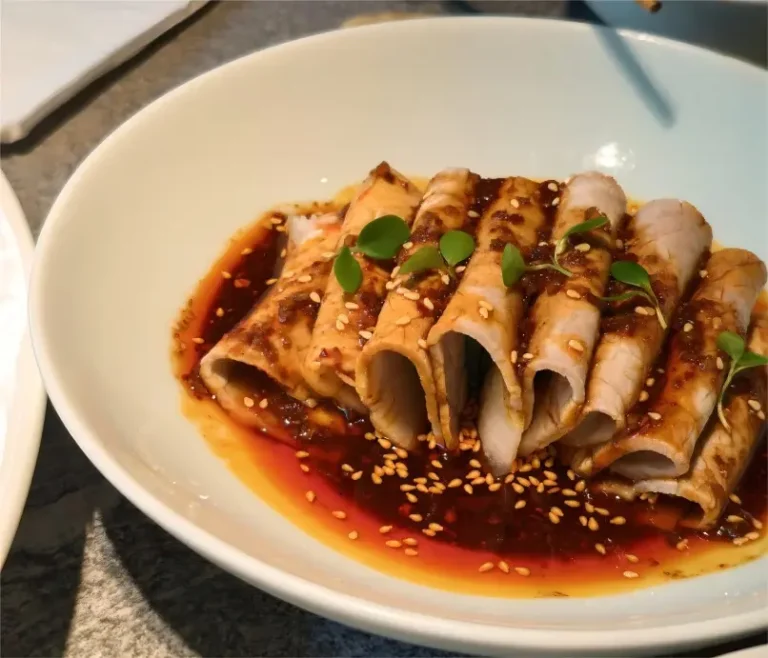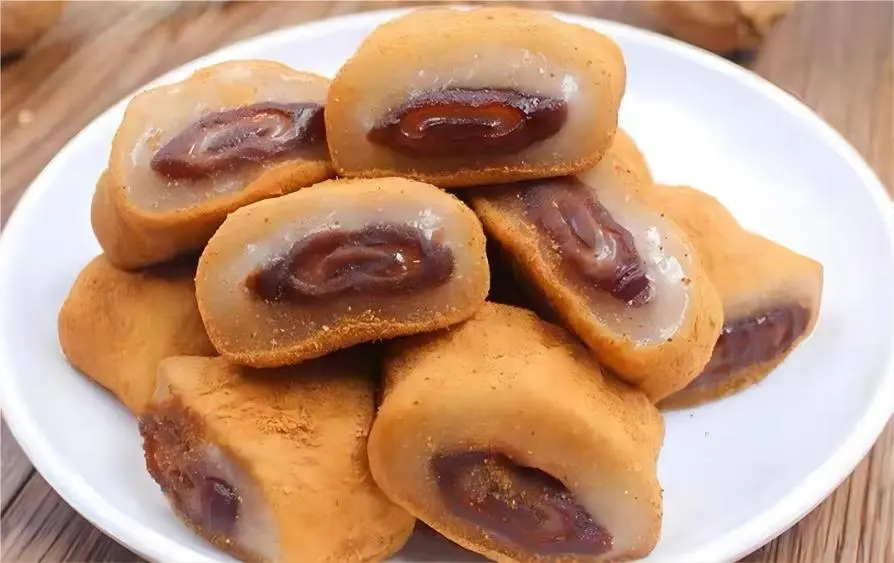
Exploring Old Beijing: Unlocking the Secret Menu of the “Thirteen Delicacies”
For international travelers exploring Beijing, a city where ancient traditions meet modern life, the “Thirteen Delicacies” of Old Beijing snacks are a must-try. Alongside iconic sights like the Forbidden City and the Great Wall, these snacks tell stories of centuries of Beijing culinary culture. Each bite is a journey through history, and every flavor holds the memory of the capital. Let’s embark on a gastronomic adventure and discover the secrets of the “Thirteen Delicacies,” with a practical guide to tasting and exploring these classic treats.
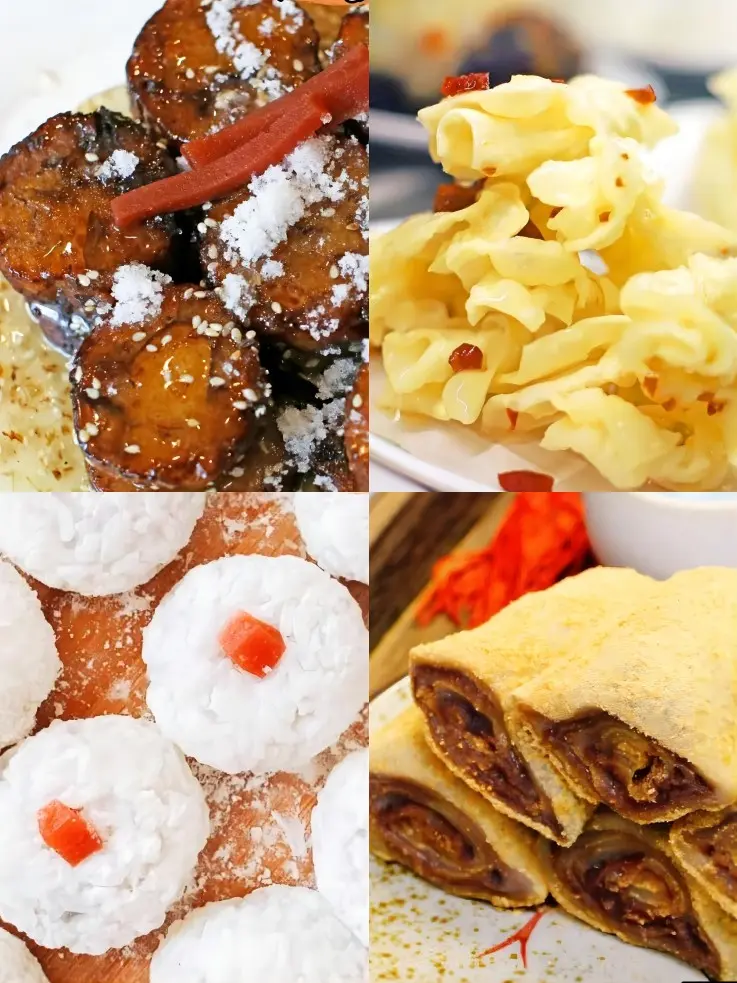
I. The Thirteen Delicacies: Tastes of Old Beijing
From soft and sweet to crisp and savory, the Thirteen Delicacies showcase Beijing’s diverse snack culture.
1. Lüdagun (Rolling Donkey / Yellow Soy Flour Cake)
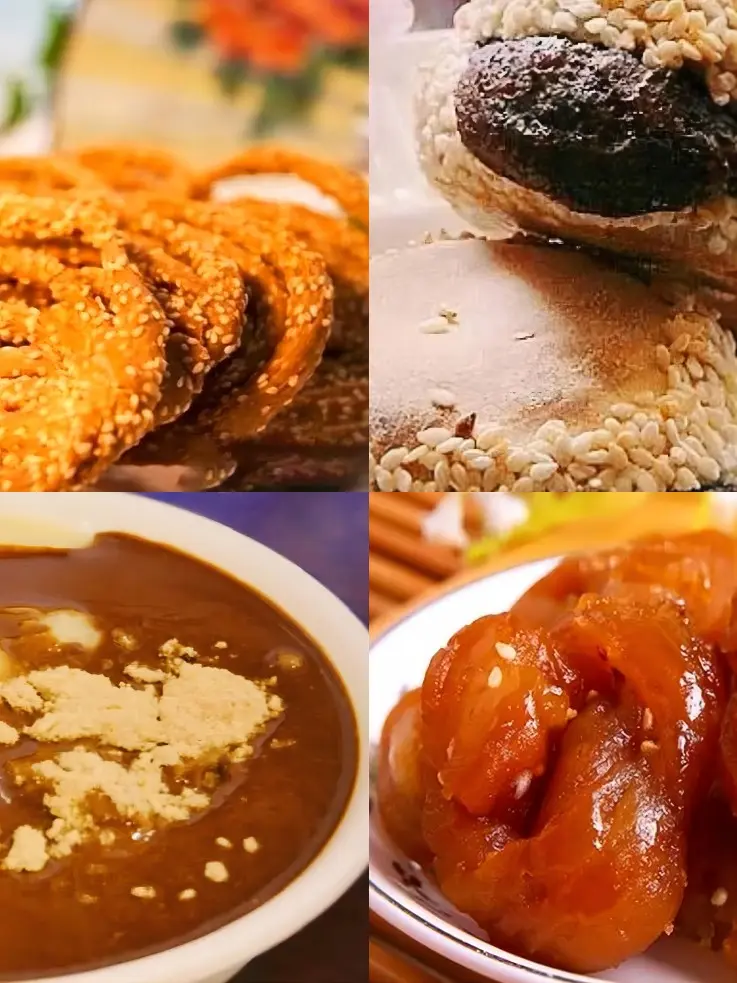
Also called Yellow Soy Flour Cake, Lüdagun gets its whimsical name because rolling it in yellow soybean flour resembles a donkey kicking up dust. Made by steaming yellow rice flour, spreading it flat, coating with sweet red bean paste, rolling, slicing, and dusting with soybean flour, it is soft, sticky, and sweet, with a rich bean aroma—symbolizing life rolling forward auspiciously.
2. Aiwowo (Steamed Glutinous Rice Ball)
Dating back to the Ming Dynasty, Aiwowo features steamed glutinous rice filled with stir-fried walnuts, melon seeds, sesame, and sugar. Delicate, silky, sweet but not cloying, it was once a palace snack and is now loved by Beijingers.
3. Tangjuangguo (Sweet Rolled Yam and Date)
A traditional medicinal snack made with yam, red dates, green plum, walnuts, and melon seeds. Coated in sugar glaze, it is crispy outside, soft inside, sweet and aromatic, blending health benefits with flavor—a favorite among female diners.
4. Wandouhuang (Pea Cake)
A spring and summer specialty, Wandouhuang is made from white peas soaked, boiled, peeled, and mashed into a smooth paste. Pale yellow, melts in the mouth, sweet and refreshing, it’s perfect for cooling down.

5. Tang Erduo (Sugar Ear / Honey Twist / Mihua)
Also called Mihua, this ear-shaped snack is fermented, kneaded, rolled, twisted, and deep-fried. Coated in sugar glaze, it is sweet, crispy, and visually appealing, a pinnacle of Beijing sweet snacks.
6. Tang Huoshao (Sugar Fire-Baked Bread)
With over 300 years of history, Tang Huoshao has a crispy flour crust and brown sugar filling, sweet but not rich, soft inside, crispy outside, offering layered textures. Dashunzhai’s version is hailed as the “King of Tang Huoshao.”
7. Miancha (Millet Paste)
Sold usually in the afternoon, Miancha uses millet paste topped with sesame paste and ground sesame salt. Traditionally eaten by lifting the bowl and slurping from the edge, it is thick, rich, and intensely fragrant with sesame.
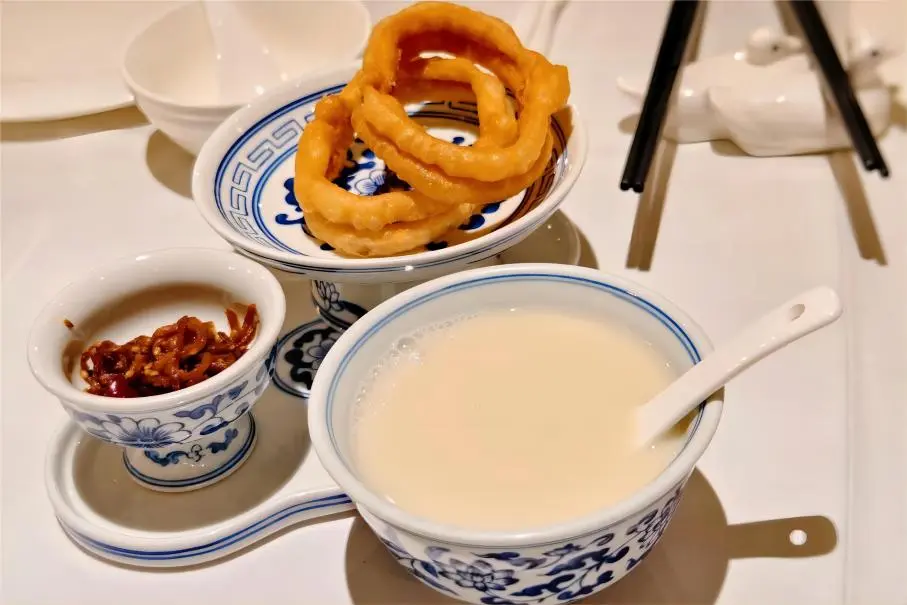
8. Jiaoquan (Fried Dough Ring)
A Beijing breakfast classic and perfect companion to Douzhier, Jiaoquan is shaped from flour and deep-fried until crispy and golden, delivering a satisfying crunch.
9. Sanzi Mahua (Crisp Twisted Dough)
A premium Halal snack, Sanzi Mahua is twisted and deep-fried until golden, fragrant, and crunchy, enjoyed alone or with other snacks.
10. Hama Tumi (Toad Spitting Honey / Bean Paste Sesame Pocket)
Also called Bean Paste Sesame Pocket, it earns its whimsical name as the sweet filling can “spit out” during baking. Fragrant, sweet, and visually intriguing, a unique Beijing snack.
11. Jiangsi Paicha (Ginger Shreds Crisp)
Made by kneading fresh ginger into dough, rolled, cut, and deep-fried, Jiangsi Paicha is crispy, mildly spicy, and slightly sweet, perfect for winter. Nailaishun in southern Beijing is famous for this snack.
12. Naiyou Zhagao (Cream Fried Cake)
Naiyou Zhagao combines flour, cream, and sugar, fried to crispy outside, soft and sticky inside, sweet, digestible, and loved by both children and the elderly.
13. Chaogan (Stir-Fried Liver / Traditional Beijing Liver & Intestine Dish)
Chaogan features pig liver and intestines thickened with starch in a glossy soy-red sauce. Intensely savory and thick, it is traditionally slurped directly from the side of the bowl, offering a true taste of Beijing cuisine.
II.Discovery Guide: Where to Find Authentic “Thirteen Delicacies” in Beijing

1. Huguosi Snack Shop (Main Store) — One-Stop Spot for the “Thirteen Delicacies”
Location: No. 93 Huguosi Street, Xicheng District
Price: ¥30–50 per person (great value for individual items or sets)
Access: Subway Line 4 or 6 to Ping’anli Station (Exit B), 10-minute walk
Specialty: A famous Beijing Laozihao, offering almost all “Thirteen Delicacies” in one visit. Highlights: Lüdagun (soft, sweet), Tang Huoshao (fragrant, light), Wandouhuang (cool, refreshing)
Insider Tip: Antique-chic interior, ideal for photos. Visit off-peak to avoid queues
Nearby Sightseeing: Huguosi Street preserves Old Beijing architecture; stroll and soak in the local vibe
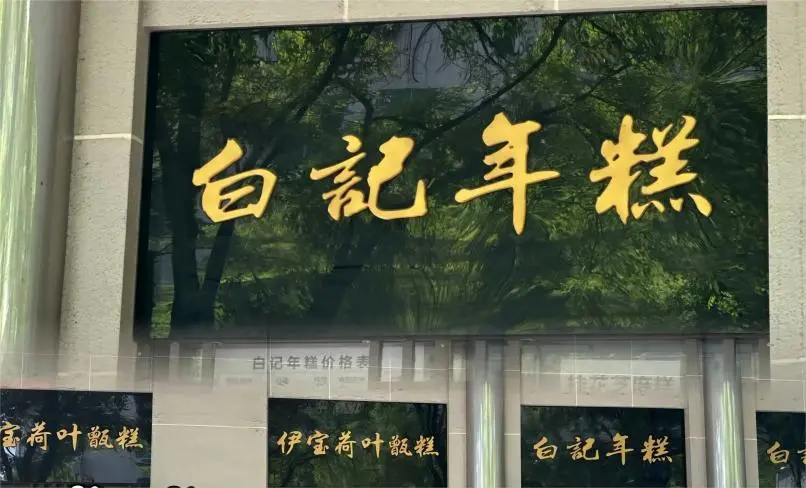
2. Baiji Niangao (Niujie Shuru Hutong Branch) — Halal Selection
Location: No. 27 Shuru Hutong, Niujie, Xicheng District
Price: ¥25–40 per person (authentic Halal snacks)
Access: Subway Line 7 to Guang’anmen Nei Station (Exit C), 15-minute walk or bus
Specialty: Halal-friendly “Thirteen Delicacies,” including Tangjuangguo and Aiwowo. Medicinal Tangjuangguo is especially popular with women
Insider Tip: Niujie is busy; plan your route. Other Halal treats: fried cakes, sweet rolls
Nearby Sightseeing: Niujie Mosque—experience Beijing’s Hui Muslim culture

3. Jinfang Snack Shop (Ciqikou Branch) — Traditional & Innovative
Location: No. 144 Ciqikou Street, Dongcheng District
Price: ¥30–45 per person (classic snacks with a modern twist)
Access: Subway Line 5 to Ciqikou Station (Exit C), 5-minute walk
Specialty: Creative spins on classics. Wandouhuang may include fruit; Tang Huoshao has a low-sugar option
Insider Tip: Clean, welcoming shop; check hours in advance
Nearby Sightseeing: Ciqikou Street—a commercial hub to explore Beijing’s modern side

4. Dashunzhai (Niujie Branch) — The “King” of Tang Huoshao
Location: No. 5-2 Niujie, Xicheng District
Price: ¥20–35 per person (Tang Huoshao is exceptional)
Access: Subway Line 7 to Guang’anmen Nei Station (Exit C), 10-minute walk or bus
Specialty: Famous Tang Huoshao—sweet, flaky, light; also Jiaoquan, Sanzi Mahua
Insider Tip: Small space; expect queues. Check opening hours
Nearby Sightseeing: Niujie area—Niujie Mosque and Fayuan Temple for a cultural stroll

5. Laociqikou Douzhi Shop (Tiantan Branch) — Douzhier & Unexpected Pairings
Location: Across from Temple of Heaven North Gate, Dongcheng District
Price: ¥20–40 per person (Douzhier + “Thirteen Delicacies” combo)
Access: Subway Line 5 to Tiantan Dongmen Station (Exit A), 10-minute walk
Specialty: Famous for Douzhier, also excels in “Thirteen Delicacies.” Jiangsi Paicha and Naiyou Zhagao contrast beautifully with Douzhier
Insider Tip: Busy at breakfast; try a small portion if new to Douzhier
Nearby Sightseeing: Temple of Heaven Park—World Heritage Site, perfect post-snack walk
Conclusion: A Dual Feast of Taste and Culture
The “Thirteen Delicacies” are all classics, each with a story. From Lüdagun’s sticky sweetness to Wandouhuang’s cool refreshment and Chaogan’s savory richness, each snack has unique charm.
This dual feast of taste and culture immerses you in Beijing’s gastronomy and heritage. Follow this guide to start your own “Thirteen Delicacies” culinary adventure in the heart of the capital! To dive deeper into Beijing’s real food culture, check out the full selection on our Beijing Local Food Trails page.