The “Taste of Reunion” During Spring Festival: Exploring Chinese New Year Through Jiaozi
Dear international visitors, if you happen to be in China during the bustling Spring Festival (Lunar New Year), you’ll be instantly enchanted by streets adorned with red lanterns and vibrant decorations. As China’s most important traditional holiday, Spring Festival symbolizes reunion, blessings, and new beginnings.
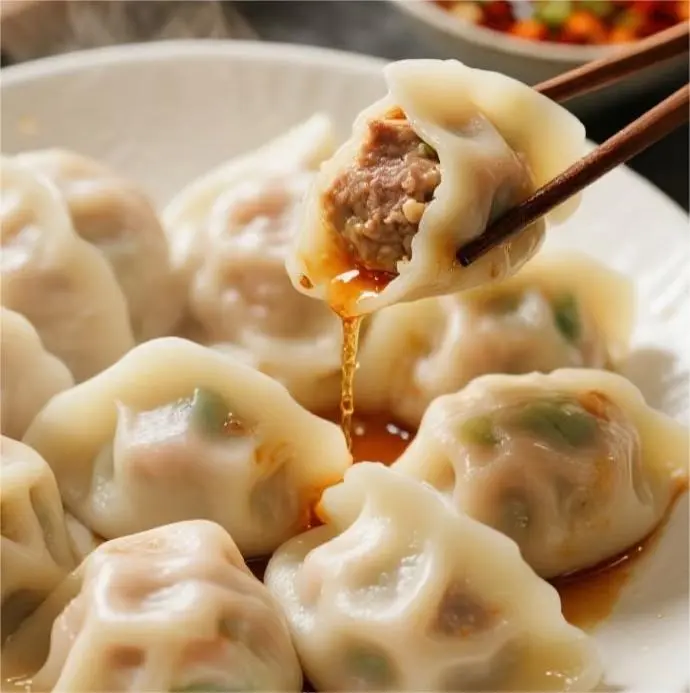
At the heart of the celebration is a dish that is not just a table favorite but a cultural icon: Jiaozi (Chinese Dumplings). Today, let’s explore jiaozi and experience the authentic flavors and traditions of the Chinese New Year.
I. Jiaozi: The Cultural Heart of the Spring Festival
The connection between jiaozi and the Spring Festival dates back over a thousand years. According to legend, during the Eastern Han Dynasty, the medical sage Zhang Zhongjing noticed locals suffering from frostbitten ears. He wrapped medicinal herbs in dough, pinched them into ear shapes, cooked them, and distributed them. These early dumplings eventually evolved into the beloved New Year staple.
Jiaozi’s name is a homophone for “exchanging the old for the new” , symbolizing the transition from the old year to the new. It’s also the ultimate symbol of reunion: families gather around the table to knead dough, roll wrappers, and stuff fillings, creating a warm and joyful atmosphere. Sharing steaming hot dumplings is the true taste of the Spring Festival.

II. Making Jiaozi: A Family Affair
Making jiaozi is as much a festive ritual as it is a culinary craft:
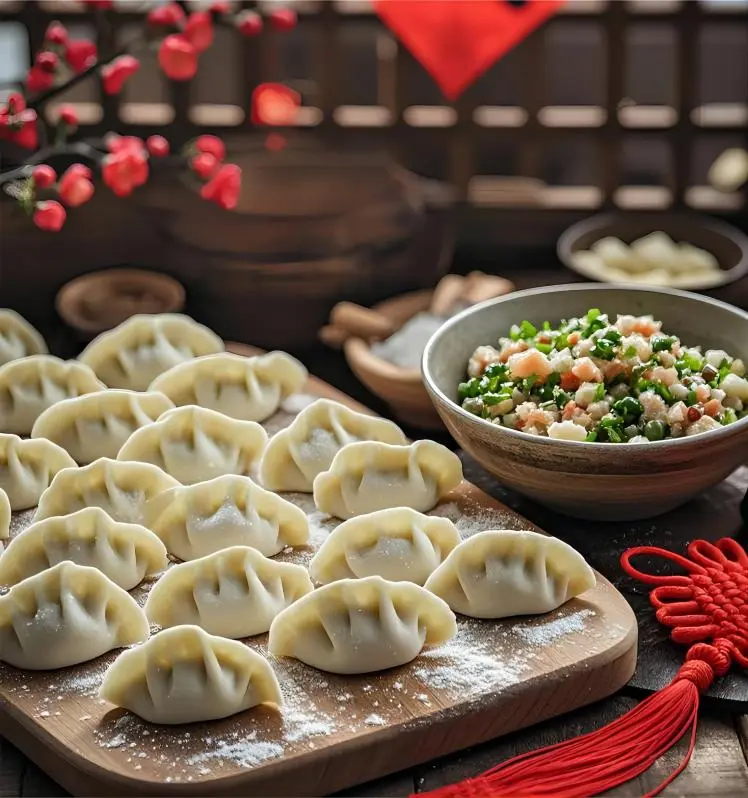
- Kneading the Dough: Flour and water are mixed into a smooth, elastic dough and left to rest.
- Rolling the Wrappers: The dough is portioned into small pieces and rolled into thin, circular wrappers. Beginners can quickly enjoy the hands-on experience.
- Preparing the Filling: Fillings vary widely—pork and cabbage, chives and eggs, or seafood (sanxian). Ingredients are finely chopped, seasoned, and mixed into an aromatic mixture.
- Wrapping: Place filling in the center, fold, and carefully crimp edges into beautiful patterns. Dumplings can be plump or delicate, each representing hopes for a happy and prosperous life.
III. North vs. South: Regional Variations
China’s vast geography creates distinct regional jiaozi styles:
- Northern Jiaozi: Hearty meat fillings like pork and scallion or lamb and carrot dominate. Wrappers are thicker and chewy, usually enjoyed with vinegar and minced garlic. In the North, families often “set off firecrackers when boiling dumplings” to ward off evil spirits.
- Southern Jiaozi: Lighter and fresher, often featuring seafood like shrimp or fish. Wrappers are thin, translucent, and smooth. Southerners may dip them in soy sauce and sesame oil or steam them (zhengjiao) to preserve the filling’s delicate flavor.
IV. Where to Taste: 5 Must-Visit Dumpling Spots in Beijing
Eager to try this festive delicacy? Here are five excellent Beijing locations:
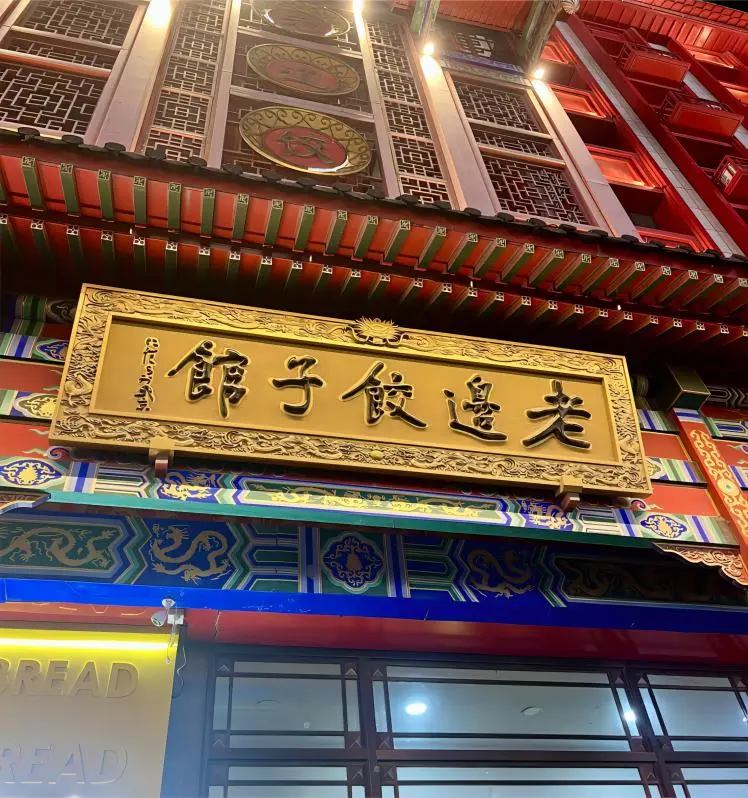
1. Laobian Dumpling Restaurant (Zhongguancun Branch): Century-Old Legend
- Location: 2nd Floor, Zhongguancun Tower, No. 27 Zhongguancun Street, Haidian District
- Price: ¥50–70 per person
- Access: Subway Line 4 → Zhongguancun Station (Exit D), walk a short distance
- Specialty: Century-old Shenyang brand; try Stir-fried Filling Dumplings (Bianxian Jiaozi) or Ice Flower Dumplings (Binghua Jiaozi) with crispy skirts.
- Tip: Book ahead or visit off-peak during Spring Festival.
- Nearby: Explore Zhongguancun tech parks post-meal.
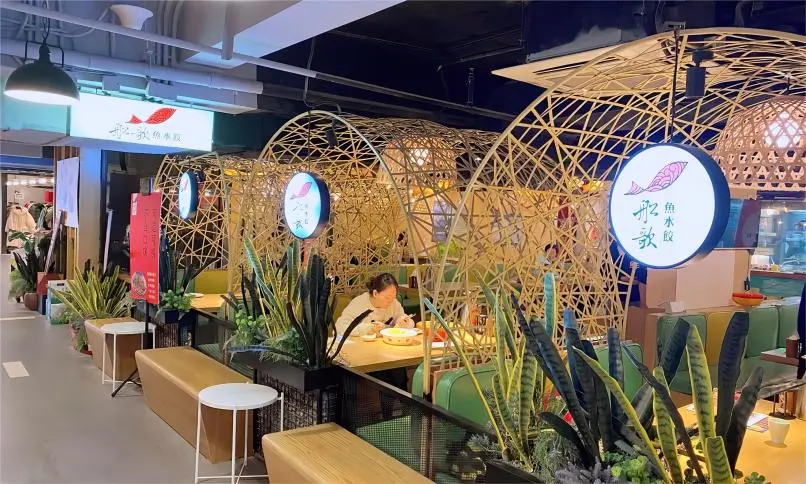
2. Chuange Yushuijiao (Sanlitun Branch): Seafood Dumpling Feast
- Location: S1-30b, South Area, Taikoo Li Sanlitun, No. 19 Sanlitun Road, Chaoyang District
- Price: ¥80–120 per person
- Specialty: Fresh seafood dumplings—Yellow Croaker, Cuttlefish; trendy, stylish environment.
- Tip: Reservations recommended during the festival.
- Nearby: Explore Sanlitun’s shopping and nightlife.

3. Dongfang Jiaozi Wang (Wangfujing Branch): Tradition Meets Modernity
- Location: 6th Floor, North Wing, Wangfujing Department Store, No. 253 Wangfujing Street
- Price: ¥60–90 per person
- Specialty: Creative varieties like Rainbow Dumplings and Four Happiness Steamed Dumplings.
- Tip: Spacious and bright, festive decorations add to the experience.
- Nearby: Wangfujing shopping and souvenirs.
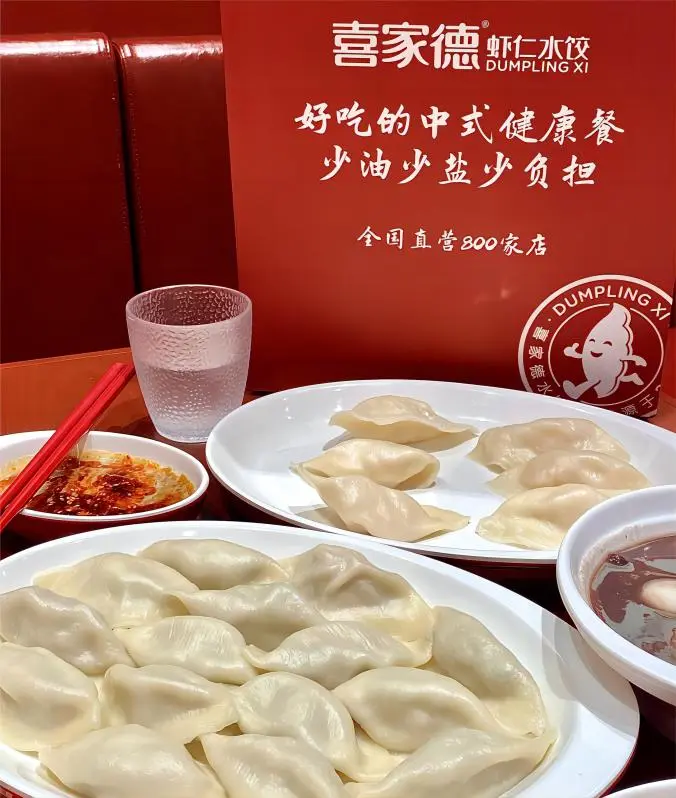
4. Xijiade Shui Jiao (Xidan Branch): Quick, Delicious Dumplings
- Location: 6th Floor, Xidan Joy City, No. 131 Xidan North Street
- Price: ¥40–60 per person
- Specialty: Fast, transparent preparation; ideal for quick meals during shopping breaks.
- Tip: Walk-in only; queue numbers may be required during peak hours.
- Nearby: Explore Xidan malls and bookstores.
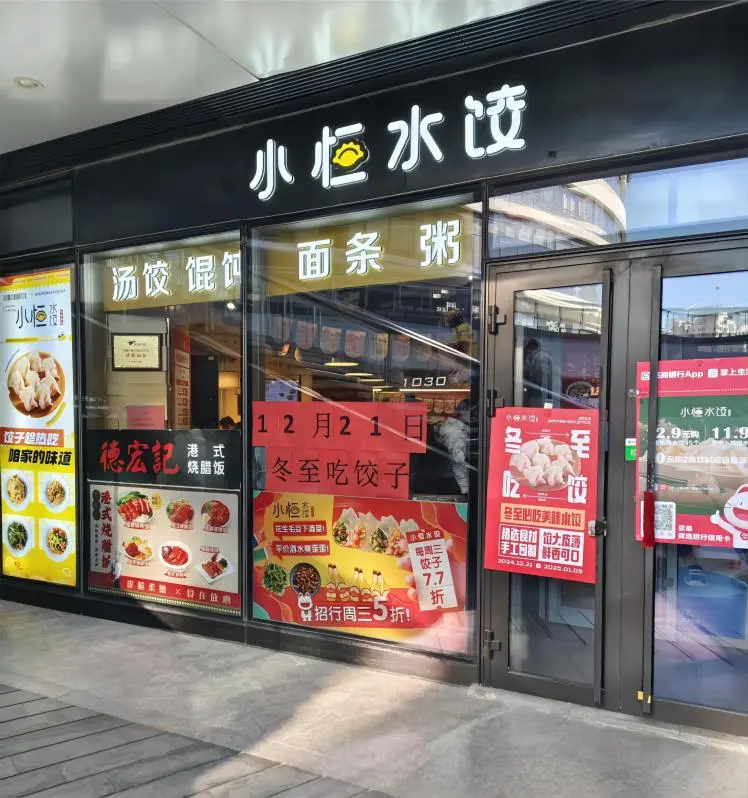
5. Xiaoheng Shui Jiao (Nanluoguxiang Branch): Artistic Hutong Dumplings
- Location: No. 109 Nanluoguxiang, Dongcheng District
- Price: ¥50–80 per person
- Specialty: Unique fillings like Sichuan Peppercorn Chicken and Pine Nut Corn; stylish hutong interior.
- Tip: Best during off-peak hours; space is cozy.
- Nearby: Explore Nanluoguxiang alleys and Old Beijing charm.
V. Conclusion: Dumplings, Reunion, and Chinese New Year Spirit
Jiaozi (Chinese dumplings) carry deep cultural meaning far beyond the Spring Festival. In many regions—especially during the Winter Solstice (Dōngzhì)—dumplings take center stage, serving as warm symbols of seasonal change, good fortune, and hopes for a smooth year ahead.
Today, dumpling shops are everywhere across China. Whether you visit a well-known chain or wander into a tiny local spot, you’ll almost always find a plate of steaming, flavorful boiled dumplings (shuijiao). Even the most unassuming neighborhood shop can surprise you with a bowl of hot, comforting jiaozi that leaves a lasting impression. To dive deeper into Beijing’s real food culture, check out the full selection on our Beijing Local Food Trails page.