Beijing Local Drinks: A Timeless Journey Through Old Beijing’s Traditional Beverages
For first-time visitors, Beijing’s charm is not only in the red walls and golden roofs of the Forbidden City—it flows through the local drinks and traditional beverages lining the streets and hutongs. From sweet and refreshing to rich and distinctive, every sip is a taste of history and a reflection of the city’s cultural mix.
Today, we explore four iconic Beijing traditional drinks and uncover the stories behind their flavors. To dive deeper into Beijing’s real food culture, check out the full selection on our Beijing Local Food Trails page.
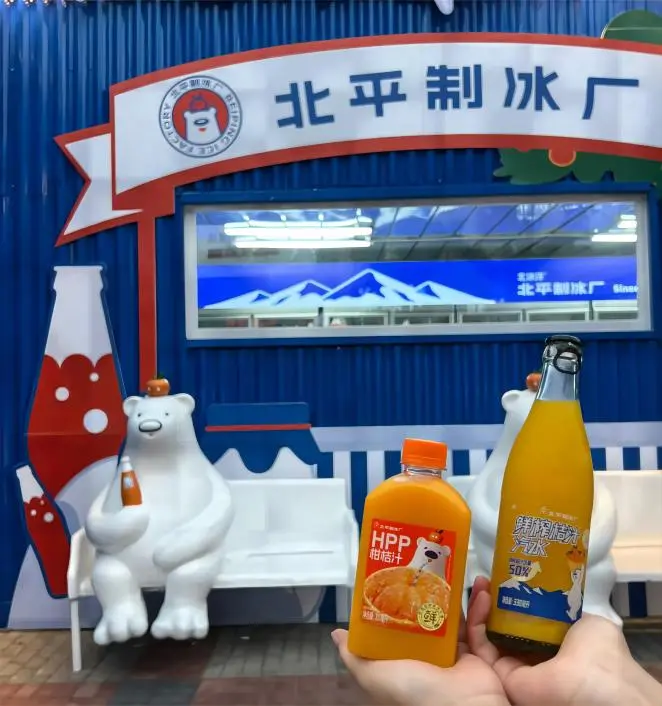
I. Arctic Ocean Soda (Běibīngyáng Qìshuǐ): The “Polar Bear” of Old Beijing
- Historical Roots: First introduced in 1936, Arctic Ocean Soda is a legendary Beijing local drink, instantly recognizable by its polar bear logo. Though briefly lost to social changes, it returned triumphantly in 2011 with its classic orange flavor, evoking childhood memories for generations of Beijingers.
- Flavor Profile: Made with real orange pulp and oil, this soda is sweet, slightly sour, and lightly savory. Shake the bottle gently to see pulp swirl, releasing a nostalgic aroma that awakens the senses.
- Cultural Status: Arctic Ocean pairs perfectly with hot Shuàn Yángròu (instant-boiled mutton). Once a nostalgic favorite, it now enjoys a revival as a trendy “Guócháo (National Chic) drink”, popular with both locals and tourists exploring Beijing’s street food scene.
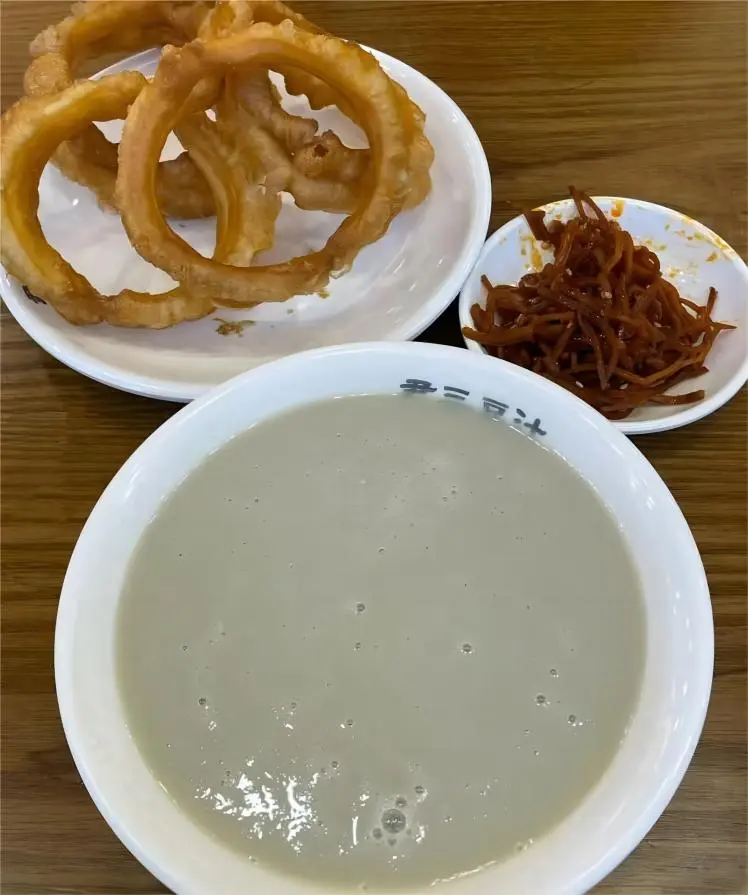
II. Douzhi: The Love-It-or-Hate-It Fermented Mung Bean Drink
- Historical Roots: Dating back to the Liao and Song Dynasties, Douzhi originated as a byproduct of mung bean starch. By the Qing Dynasty, it reached the imperial palace and soon became a staple in the breakfasts of Old Beijing—part of the city’s classic “soul trio” of local drinks.
- Flavor Profile: Fermented mung beans give Douzhi a distinctly sour and slightly astringent taste. Newcomers may wrinkle their noses, but paired with crispy Jiaoquan (fried dough rings) and salted vegetables, the layered textures create a uniquely satisfying experience.
- Cultural Status: Douzhi is a “living fossil” of Beijing’s culinary heritage, reflecting the straightforward, inclusive personality of Beijingers.
- Recommended Spot:
- Yinsan Douzhi (Tiantan Branch): No. 176 Dongxiaoshi Street, Dongcheng District. Recognized by Michelin Bib Gourmand for four consecutive years, its version is mild enough for beginners.

III. Suànméitāng (Sour Plum Drink): From Imperial Secret to Summer Streetside Cooler
- Historical Roots: Originally called Lǔméi Shuǐ during the Southern Song Dynasty, this drink was refined in the Qing imperial kitchens and later adopted by the public. Summer vendors selling ice-cold Suànméitāng became a beloved sight in Beijing’s hutongs.
- Flavor Profile: Brewed with smoked plums (wūméi), hawthorn, licorice, and osmanthus, the drink is richly sweet and sour. Traditionally, it is believed to help soothe the lungs and reduce coughs.
- Cultural Status: Suànméitāng is an essential Beijing traditional beverage, available everywhere from small alley shops to high-end restaurants.
- Recommended Spot:
- Xìnyuǎnzhāi (Qianmen Branch): Century-old brand on Qianmen Street, known for its mellow, full-bodied flavor. Bottled versions are popular souvenirs.
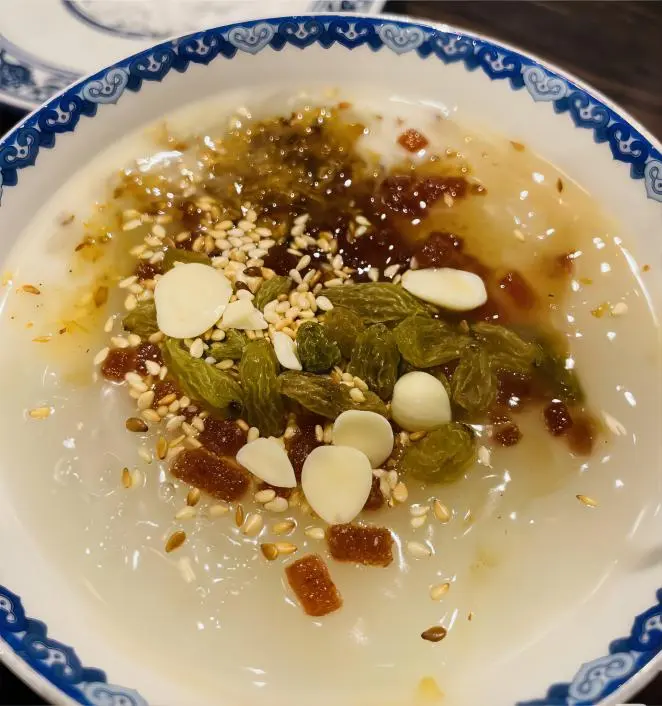
IV. Xìngrén Chá (Almond Tea): Palace Dessert Turned Street Delight
- Historical Roots: A palace dessert from the Qing Dynasty, Xìngrén Chá is made by simmering almond powder with glutinous rice flour. The result is a smooth, tender drink with a delicate almond aroma. Later, it became a comforting winter beverage for ordinary Beijingers.
- Flavor Profile: Often served with osmanthus sugar, this tea is sweet without being cloying, warm, and nourishing.
- Cultural Status: Together with Douzhi and Miànchá (millet paste), it completes the Old Beijing breakfast trio—an iconic part of Beijing local drinks culture.

Conclusion: Sip Beijing’s History
From the nostalgic Arctic Ocean Soda to the distinctive Douzhi, the refreshing Suànméitāng, and the warming Xìngrén Chá, these four Beijing traditional beverages open a window into the city’s history, culture, and street life. When you wander Beijing’s streets, pause for a drink and let it tell you the story of this ancient yet vibrant city.