Exploring Mount Emei: A Complete Travel Guide to Nature, Culture & Cuisine
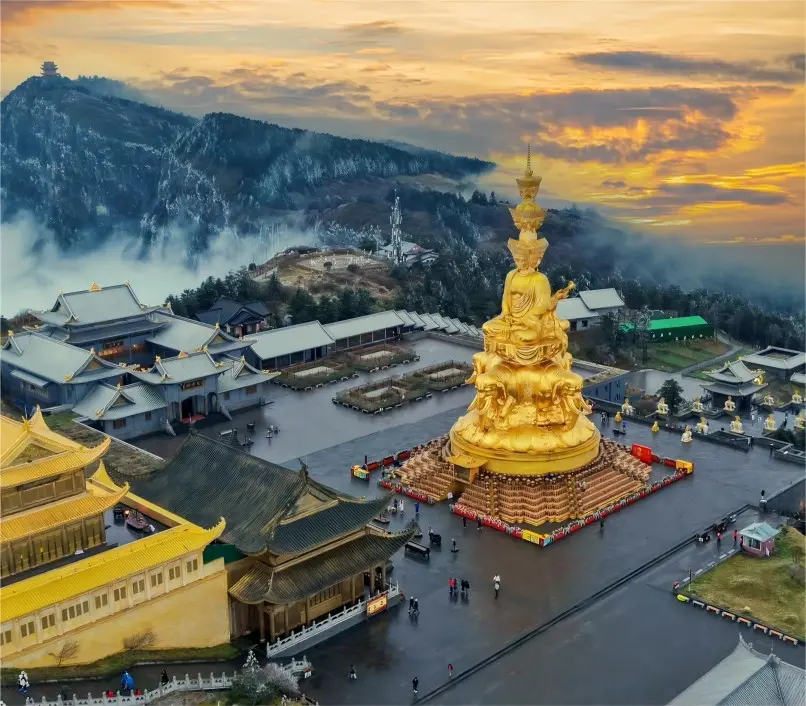
Rising above the southwestern rim of the Sichuan Basin, Mount Emei stands as one of Asia’s most extraordinary destinations—where misty cliffs, ancient temples, and deep Buddhist spirituality converge. Recognized by UNESCO as both a World Cultural and Natural Heritage Site, it welcomes travelers with cloud seas, sacred architecture, untamed forests, and some of the most flavorful cuisine in Sichuan.
This guide blends storytelling with practical planning, helping international visitors explore Mount Emei with confidence—whether you’re here for the Golden Summit sunrise, millennia-old temples, or the irresistible local dishes.
I. Natural Wonders: Cloud Seas, Forests & Dramatic Elevation
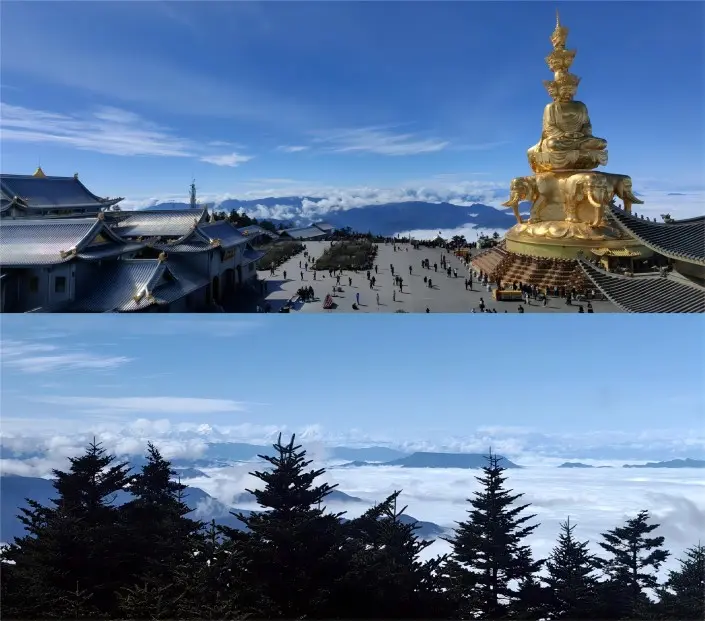
Mount Emei rises from 500 meters to over 3,000 meters, allowing travelers to journey through four distinct ecological zones—from lush subtropical forests to alpine meadows. With over 5,000 plant species and 2,300 wildlife species, it has earned nicknames such as “Kingdom of Plants” and “Paradise of Animals.”
Rare finds like the dove tree, tree ferns, the Emei fir, and even red pandas live here, forming one of China’s richest biodiversity sanctuaries.
Must-See Natural Highlights
1. Golden Summit (Jinding) — Sunrise, Sea of Clouds & Buddha’s Halo
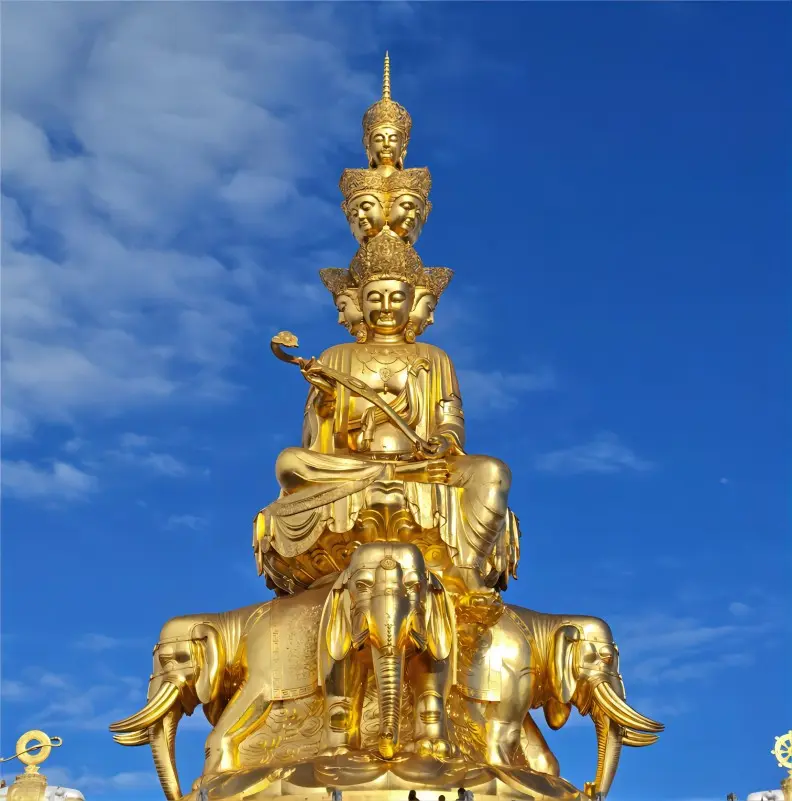
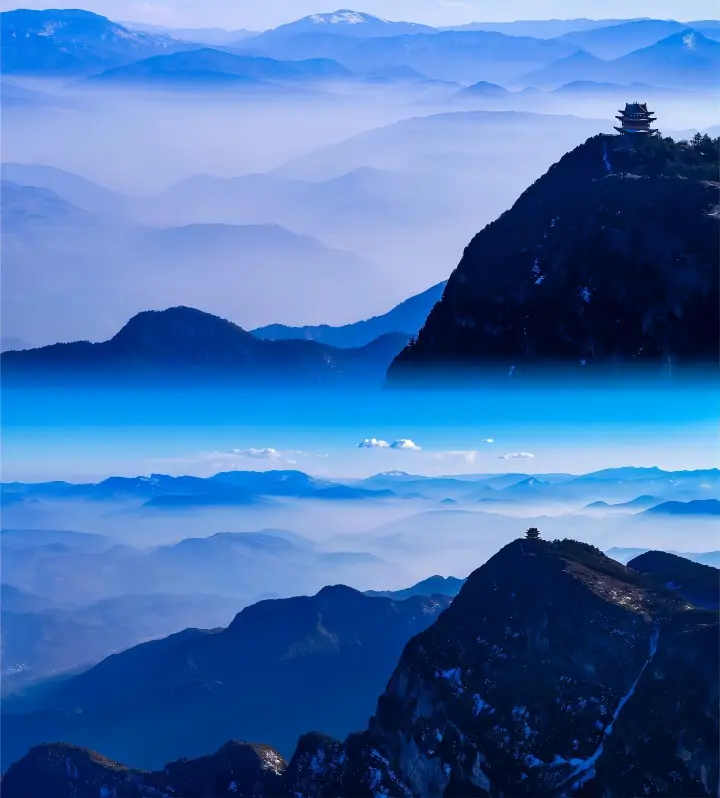
The 3,079-meter summit features the majestic 48-meter golden statue of Samantabhadra, gleaming above the clouds. Travelers often witness the sea of clouds, the mysterious Buddha’s Halo, and at night, the rare Holy Lamps glowing in the gorge below.
2. Qingyin Pavilion — Rivers, Bridges & Poetry
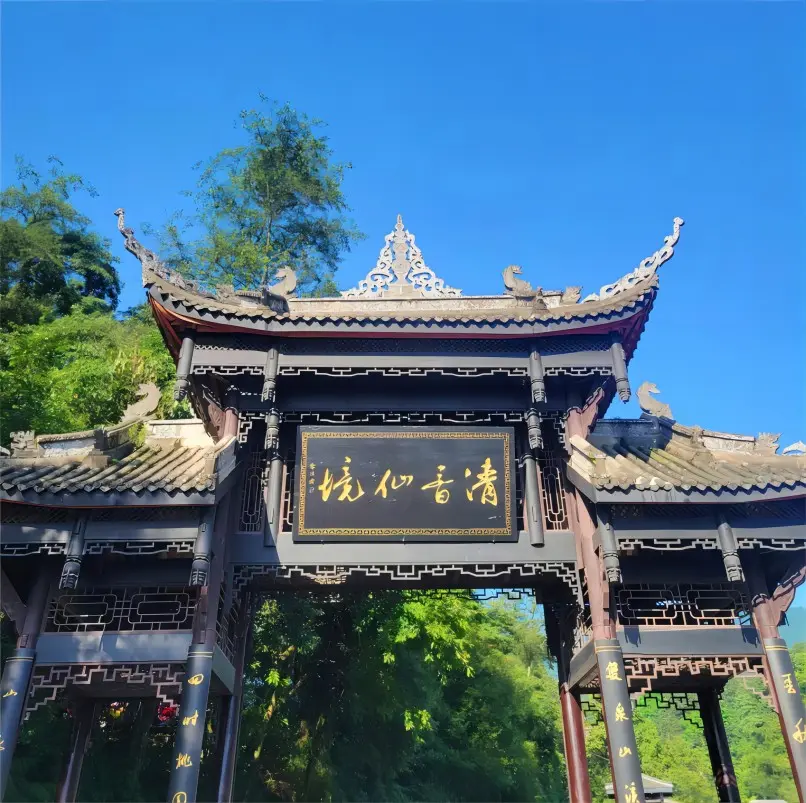
At the meeting point of the Black and White rivers, Qingyin Pavilion creates a natural symphony loved by poets, including Li Bai. The “Pure Sound of Double Bridges” is considered one of Mount Emei’s most iconic sceneries.
3. Hongchunping — Misty Ancient Forests
Known for its “Morning Mist and Rain,” this tranquil area is filled with towering ancient trees, atmospheric temples, and a celebrated Thousand Buddha Lotus Lamp.
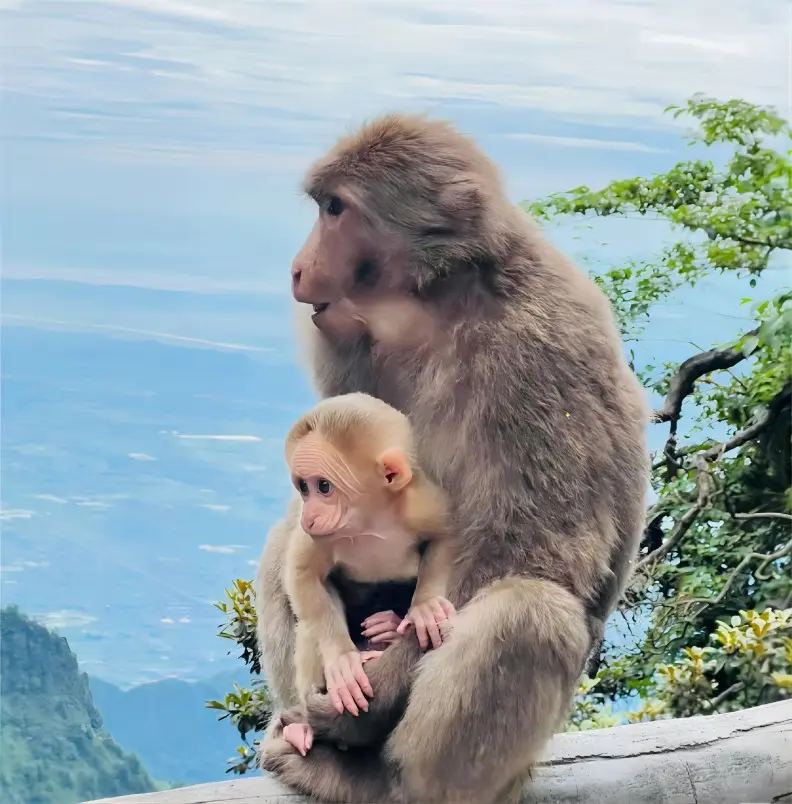
4. Ecological Monkey Zone — Fun but Stay Alert
The mountain’s wild macaques can be entertaining but bold. Keep food hidden, avoid direct eye contact, and do not touch or feed them.
II. Cultural Heritage: Temples, Legends & Buddhist Art
Mount Emei is one of China’s Four Sacred Buddhist Mountains and the spiritual home of Samantabhadra. Over 30 temples still stand today, many built in the Tang, Song, and Ming dynasties. Their architecture, stories, and relics create a mesmerizing narrative of Chinese Buddhist culture.
Cultural Landmarks You Shouldn’t Miss
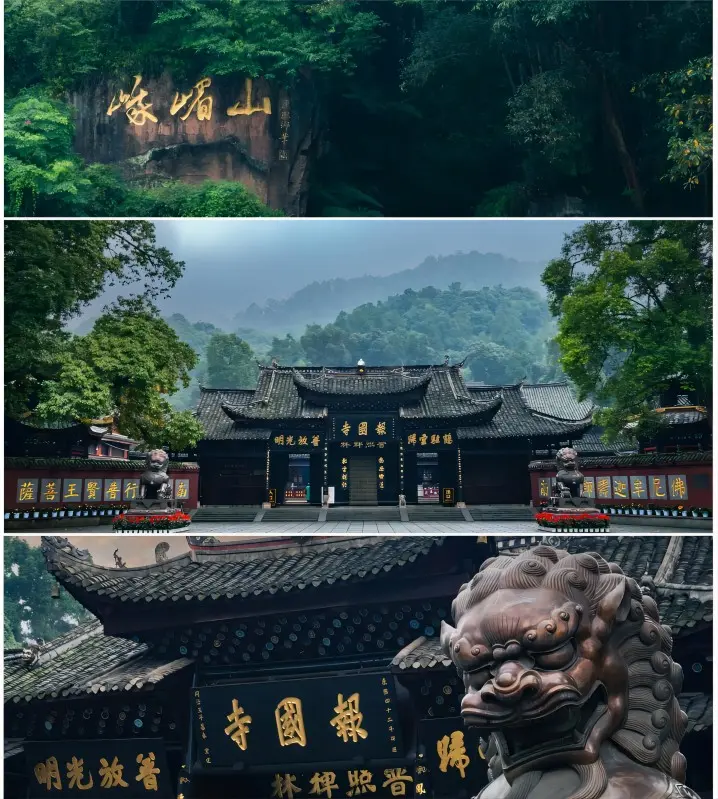
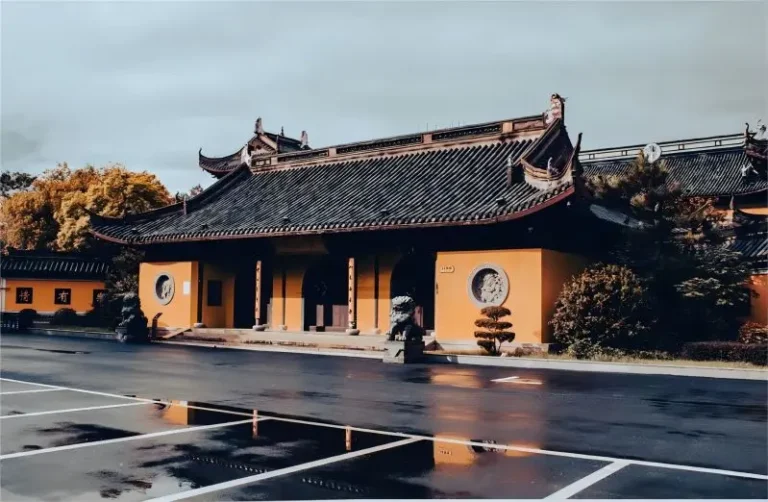
1. Baoguo Temple — The Gateway to Mount Emei
A Ming Dynasty complex known for its grand halls and the treasured Pattra Leaf Sutra—a royal gift from the King of Siam, inscribed leaf by leaf with Buddhist teachings.
2. Wannian Temple — Architecture Without Beams
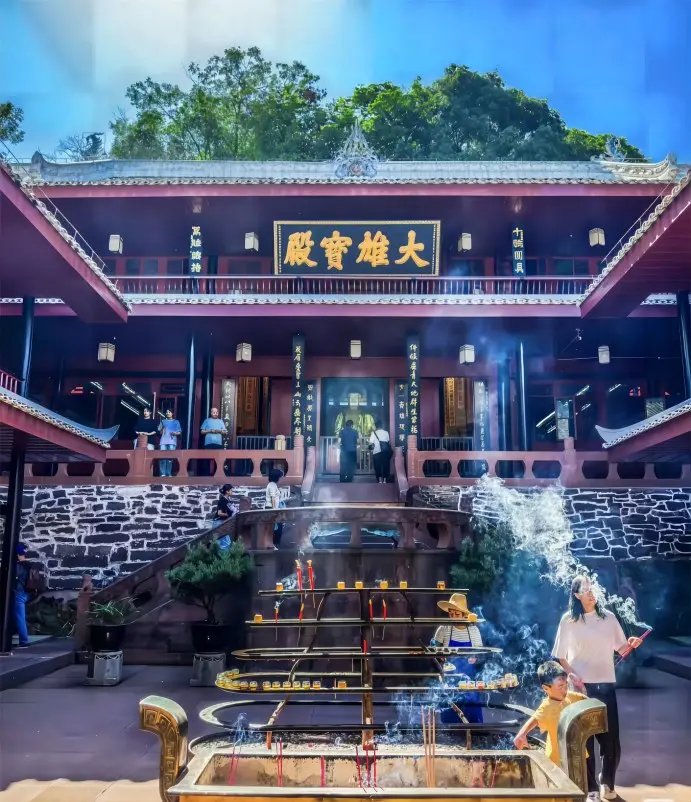
The temple’s famous Beamless Brick Hall shelters a 62-ton Song Dynasty bronze statue of Samantabhadra riding an elephant—one of Mount Emei’s most significant relics.
3. Fuhu Temple — Zen in an Ancient Forest
Hidden among fragrant nanmu trees, this temple features a stunning Arhat Hall with 500 vividly carved Arhat statues.
4. Huayan Copper Pagoda — One Pagoda, 4,700 Buddhas
Every inch of this copper pagoda is etched with the Avatamsaka Sutra, displaying the pinnacle of ancient Chinese craftsmanship.
III. Local Cuisine: Sichuan Spice Meets Mountain Freshness
Mount Emei is not just a feast for the eyes—it’s a paradise for food lovers. Its cuisine blends bold Sichuan flavors with fresh mountain ingredients, offering travelers a unique culinary adventure.
Must-Try Emei Delicacies
Emei Savory Tofu Pudding (Doufu Nao)
A beloved local breakfast: soft tofu curds with spicy broth, crispy beef, pickled vegetables, peanuts, and a rich numbing aroma. Best paired with ka bing, a steamed rice bun filled with seasoned minced meat.
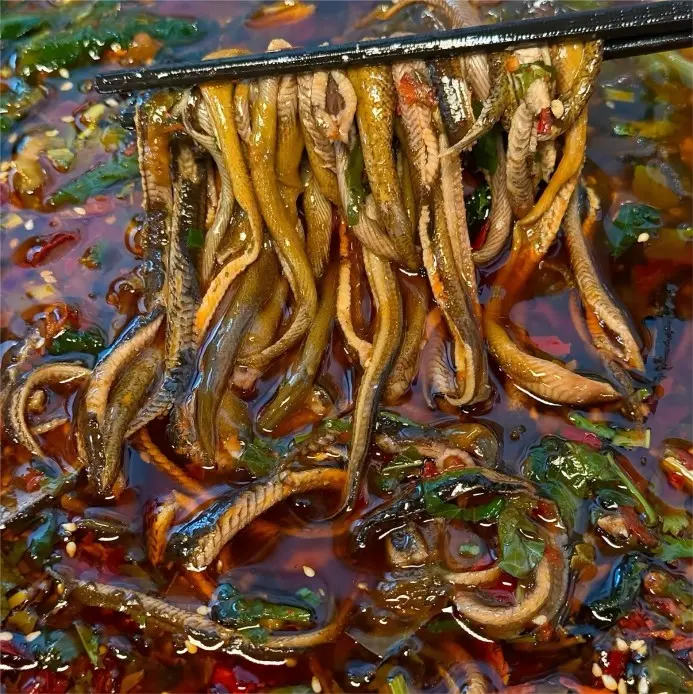
Emei Shredded Eel
A cultural heritage dish made of boneless eel stir-fried with bean sprouts and celery. Bright red, slightly sweet, and perfectly spicy.
Smoked Duck & Sweet Skin Duck
One smoky and aromatic, the other crisp and sweet. Both are must-buy edible souvenirs.
Longchi Roasted Fish
A flavorful dish marinated, grilled, and stewed with Sichuan spices. Perfect for those who enjoy bold flavors.
Leaf Cake (Ye’er Ba) & Frozen Cake (Dong Ba)
Glutinous rice cakes steamed in bamboo leaves, filled with savory or sweet stuffing. A traditional snack with over a thousand years of history.
IV. Planning Your Trip: Routes, Seasons & Practical Tips
Best Time to Visit Mount Emei
- Spring (Mar–May): Flowers, mild weather
- Autumn (Sep–Nov): Best visibility, pleasant temperatures
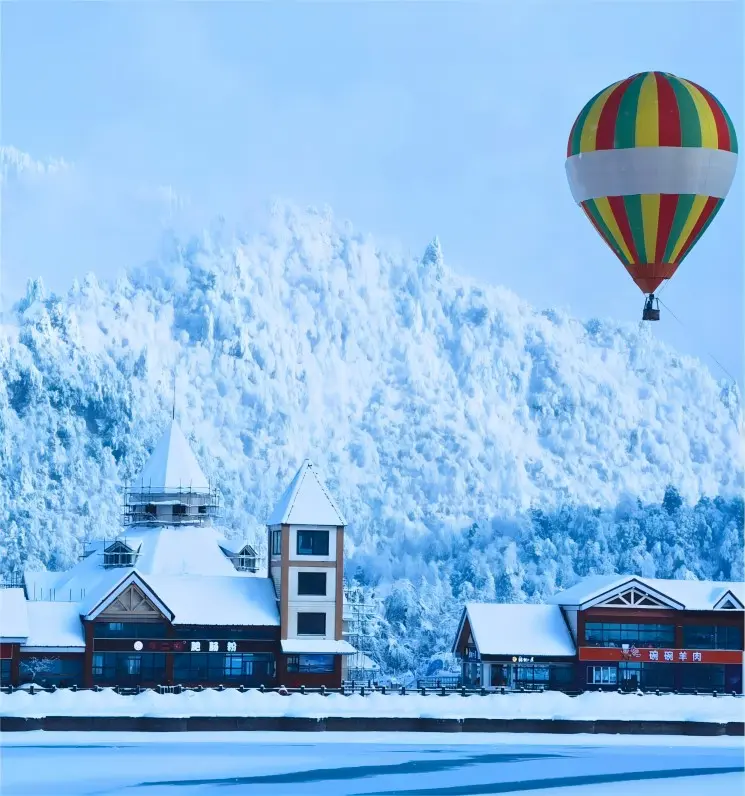
- Winter: Snow-covered temples and stunning sunrise conditions
How to Get There
From Chengdu, take the High-Speed Rail to Emeishan Station, then transfer to:
- Scenic area shuttle buses
- Cable cars (lower, mid, and upper sections)
- Hiking routes for adventurous travelers
Cultural Etiquette & Safety Tips
- Maintain quiet inside temples
- Do not touch Buddha statues
- Keep distance from monkeys
- Dress modestly when entering sacred spaces
V. Deep Immersion Experiences
1. Zen Sessions at Mountain Temples
Join morning chanting rituals at Qingyin Pavilion or Wannian Temple to experience peaceful Buddhist traditions.
2. Explore Emei’s Tea Culture
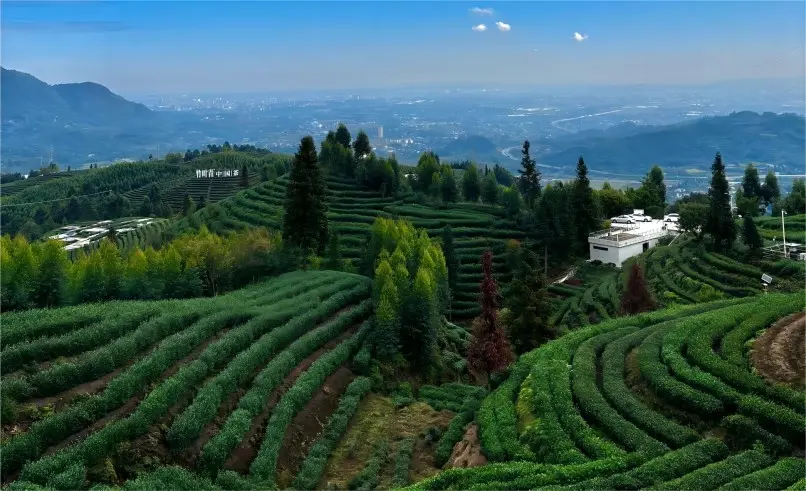
Taste Mount Emei’s famous teas—Zhu Ye Qing and Emei Xue Ya—at mountainside tea houses surrounded by clouds and mist.
3. Night Tour of Golden Summit
Search for the mystical Holy Lamps glowing in the valley like green falling stars.
If you are planning to delve deeper into this Oriental sanctuary, check out the complete Emei Mountain Travel Guide. Furthermore, to explore more highlights of a Sichuan journey, don’t miss our page on Chengdu Tourist Attractions!