Explore Chengdu’s Yongling Tomb: China’s One-of-a-Kind Above-Ground Imperial Mausoleum
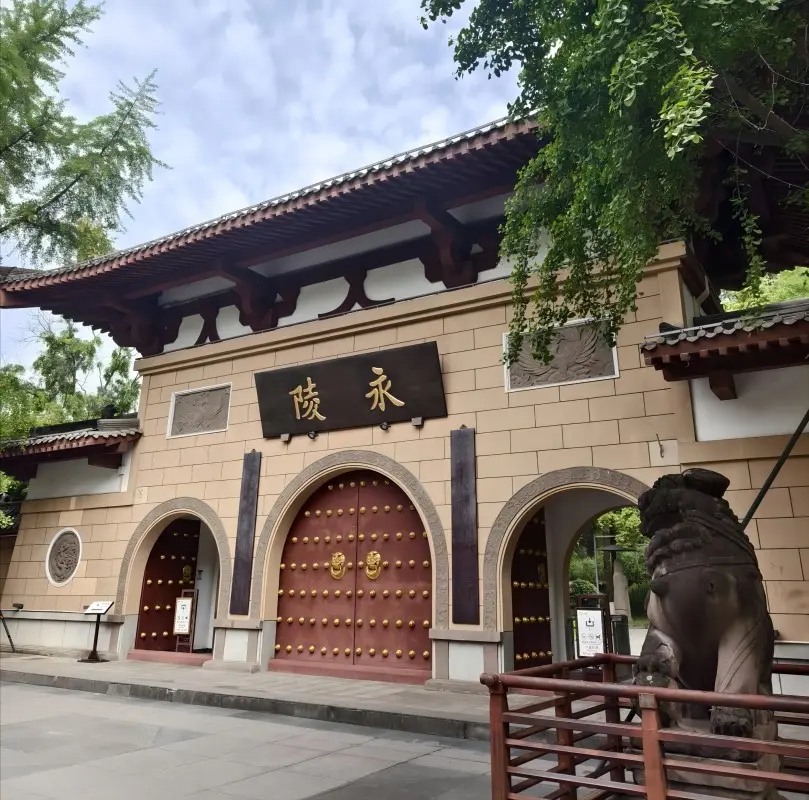
Hidden in the heart of Chengdu is a cultural gem many travelers miss: Yongling Tomb, the resting place of Wang Jian, founder of the Former Shu Kingdom. It is the only above-ground imperial mausoleum in China, giving it a unique place among Chengdu’s historical attractions.
For travelers who love history, architecture, and ancient China, the Yongling Tomb and Chengdu Yongling Museum offer an unforgettable journey into a thousand-year-old world.
I. A Glimpse Into History: The Rise of the Former Shu Kingdom
After the fall of the Tang Dynasty in 907 AD, China entered the chaotic Five Dynasties and Ten Kingdoms period. In this turbulent era, Wang Jian built the Former Shu Kingdom, transforming Chengdu into one of the most prosperous cities of the time—so lively it was praised as the “Eastern Metropolis.”
Yongling Tomb, also known as Wang Jian’s Tomb, stands as the clearest window into this lost kingdom. Although built over 1,000 years ago, the mausoleum survived nearly fully intact.
Excavated in the 1940s and opened to the public in 1979, it is now one of the most important Chengdu historical attractions for understanding the city’s ancient political and artistic life.

II. Highlights: What Makes Yongling Tomb Truly Special
1. The Underground Palace: A Time Capsule from an Imperial Era
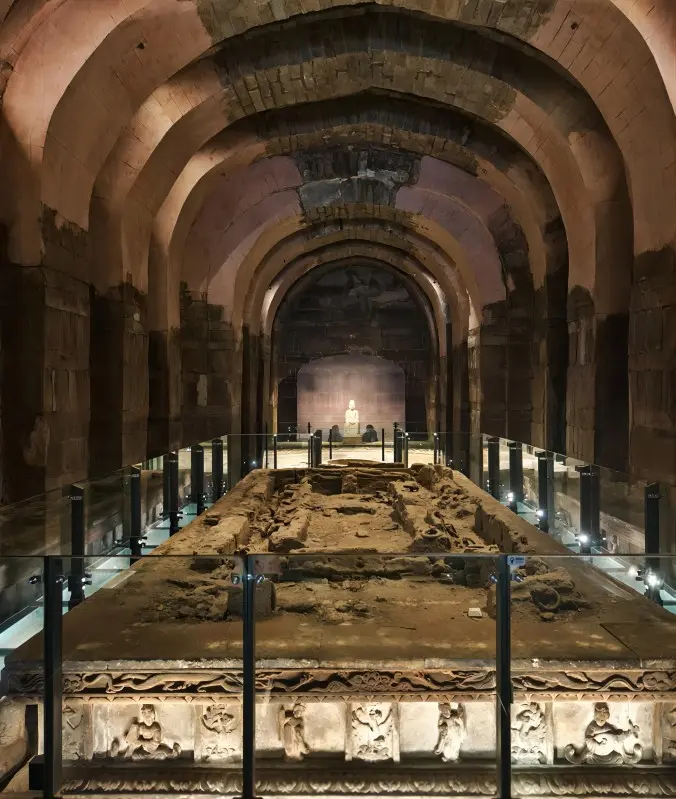
Walking down into the Yongling Underground Palace feels like entering a hidden royal chamber preserved beneath the city. Built with arched brick and stone, the palace stretches 23.4 meters long and includes three connected chambers.
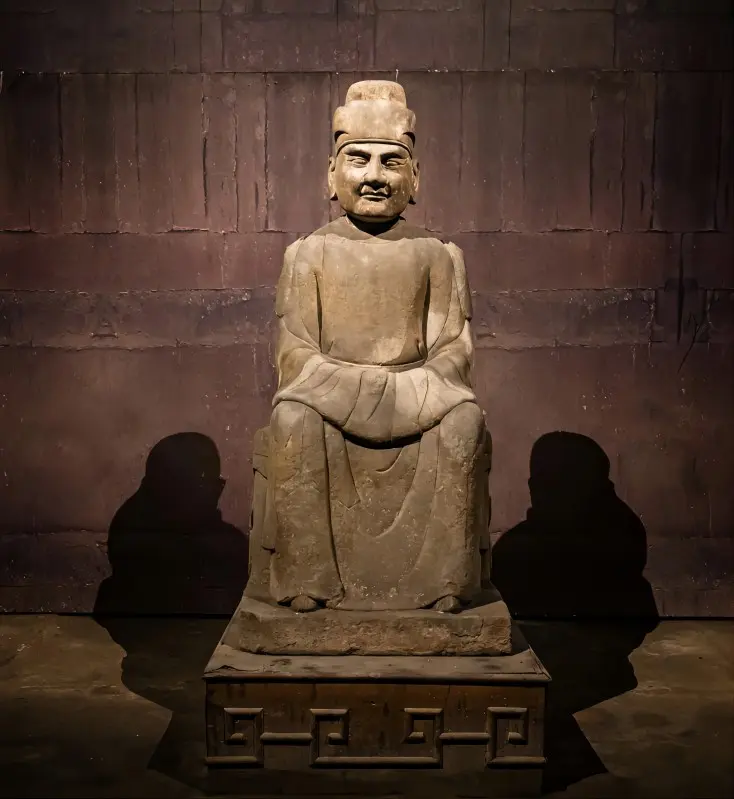
In the Middle Chamber, you will find the platform that once held Wang Jian’s coffins. In the Back Chamber stands something incredibly rare in China:
a lifelike stone portrait of an emperor, carved to resemble Wang Jian himself. Dressed in robes and boots, the statue is the only confirmed emperor portrait found in any Chinese tomb.
2. The Twenty-Four Musician Reliefs: Ancient Court Life Frozen in Stone
The most famous part of the Yongling Tomb is the stunning set of Twenty-Four Musician Reliefs carved on the coffin platform.
Here, two dancers and twenty-two musicians play instruments once heard in the palaces of late Tang China. These carvings act like a “living fossil” of royal music culture—beautiful, detailed, and unmatched in Chinese archaeology.

3. Twelve Coffin-Bearing Warriors: Power and Beauty Combined
Supporting the platform are twelve muscular Coffin-Bearing Warrior Reliefs. Their strong postures and unique expressions show the impressive craftsmanship of the time. They appear to guard the emperor even after death, adding another layer of mystery to the underground palace.
4. Chengdu Yongling Museum: Artifacts That Bring History to Life
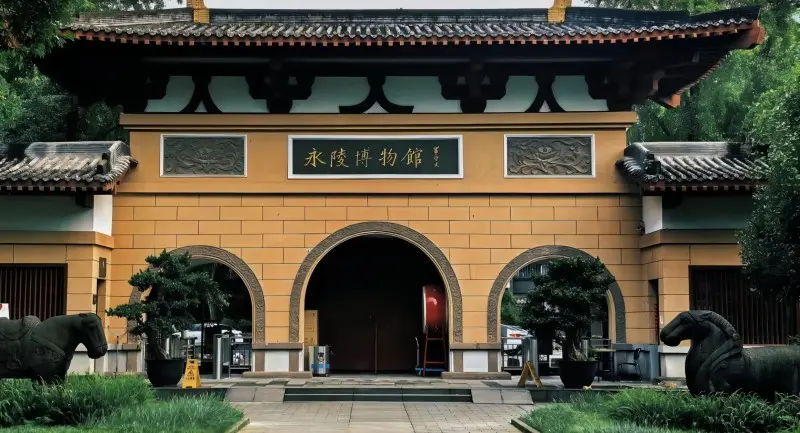
After exploring the tomb, step into the Chengdu Yongling Museum, located right next to the site. Inside, you’ll find a rich collection of jade, silver, pottery, and Five Dynasties cultural relics.
The museum also features exhibitions explaining the Former Shu Kingdom, making it easier for visitors to appreciate the meaning behind the artifacts and the stories of Wang Jian’s rule.
III. Visitor’s Guide: How to Visit Yongling Tomb Easily
1. Getting There
Address: No. 10 Yongling Road, Jinniu District, Chengdu
- Metro:
- Line 2 → Tonghuimen Station
- Line 4 → Kuanzhai Alley Station
- Line 5 → Fuqin Station
Then walk 10–15 minutes.
- Bus:
Buses such as 42, 48, 341, 54, 30 stop at Yongling Station.
The location makes Yongling one of the easiest historical sites to visit in Chengdu.
2. Tickets
- Underground Palace (Cultural Relics Area): 20 RMB
- Chengdu Yongling Museum: Free admission with ID registration
- Combo tickets and discounts available depending on the season
3. Opening Hours
Daily: 8:30 AM – 6:00 PM (last ticket sold at 5:30 PM)
Check the official museum site for holiday updates.
4. Practical Tips
- Book tickets online to avoid queues
- Wear comfortable shoes for stairs
- Respect the artifacts—no touching inside the tomb
- After visiting, enjoy nearby Chengdu snacks and Sichuan cuisine

IV. Conclusion: A Silent Conversation Across a Thousand Years
Yongling Tomb is more than an imperial mausoleum. It is a rare cultural bridge connecting ancient Chengdu with the modern city around it.
Whether you’re stepping into the underground palace, admiring the musician reliefs, or exploring the Chengdu Yongling Museum, this site offers a deep and memorable look into China’s history.
For travelers seeking a meaningful cultural experience beyond the usual attractions, Yongling Tomb is one of Chengdu’s most rewarding discoveries. Furthermore, to explore more highlights of a Sichuan journey, don’t miss our page on Chengdu Tourist Attractions!