Exploring Chengdu Hongkou Nature Reserve: Where Nature, Culture, and Adventure Meet
Chengdu Hongkou Nature Reserve, officially known as the Longxi–Hongkou National Nature Reserve, is one of the most rewarding eco-tourism destinations near Chengdu. Located about 70 kilometers northwest of the city, it features pristine forests, waterfalls, alpine flowers, historic Tea-Horse Road sites, and rich Qiang and Tibetan cultural heritage. This guide covers what to see, top outdoor experiences, cultural highlights, transportation options, and the best time to visit, helping travelers decide whether Hongkou is worth adding to their Chengdu itinerary.
Rather than a conventional sightseeing spot, Chengdu Hongkou Nature Reserve rewards travelers who enjoy slow exploration, nature immersion, and cultural depth. Here, ancient forests, mountain rivers, historic trade routes, and living ethnic traditions come together, offering a travel experience that feels both immersive and meaningful.
I. Natural Scenery: A Journey Through Vertical Ecosystems
Covering more than 31,000 hectares, the reserve stretches from 1,500 meters to 4,582 meters in elevation, forming a complete vertical ecological system. As altitude changes, so do climate, vegetation, and wildlife—creating a landscape that feels like several worlds stacked into one.
1. Primeval Forest Sanctuary
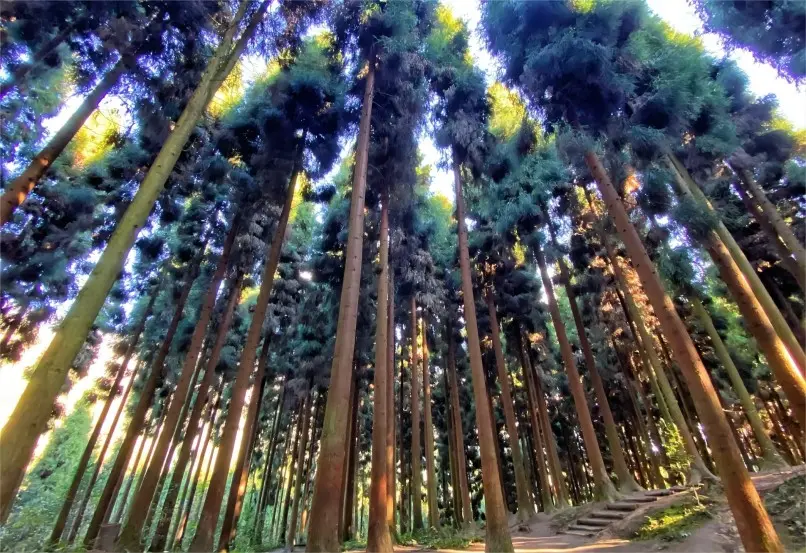
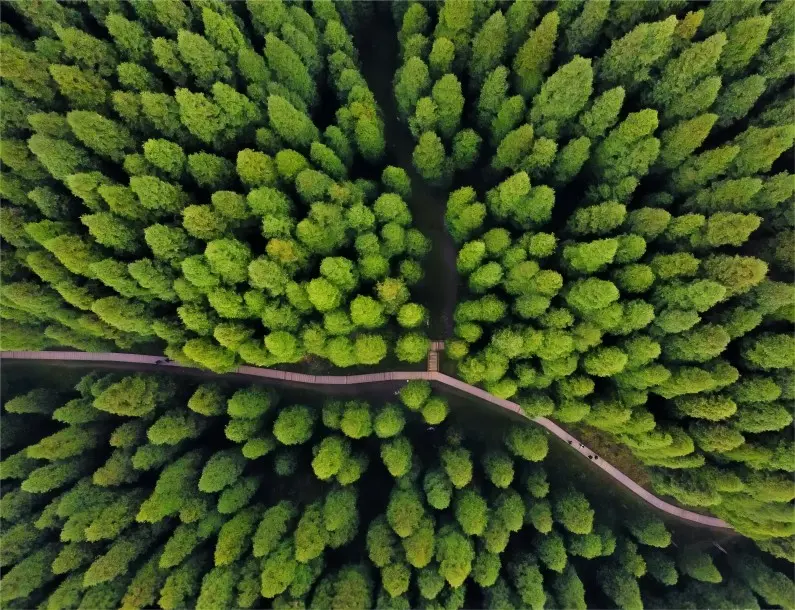
Between 2,000 and 3,600 meters, visitors enter one of China’s best-preserved subalpine dark coniferous forests. Towering spruce and fir trees rise up to 40 meters, while sunlight filters softly through the canopy onto moss-covered ground. Hikers may spot signs of wildlife such as Giant Pandas captured by infrared cameras, or even encounter Sichuan golden snub-nosed monkeys moving gracefully through the branches.
2. Waterfalls and Gorge Landscapes
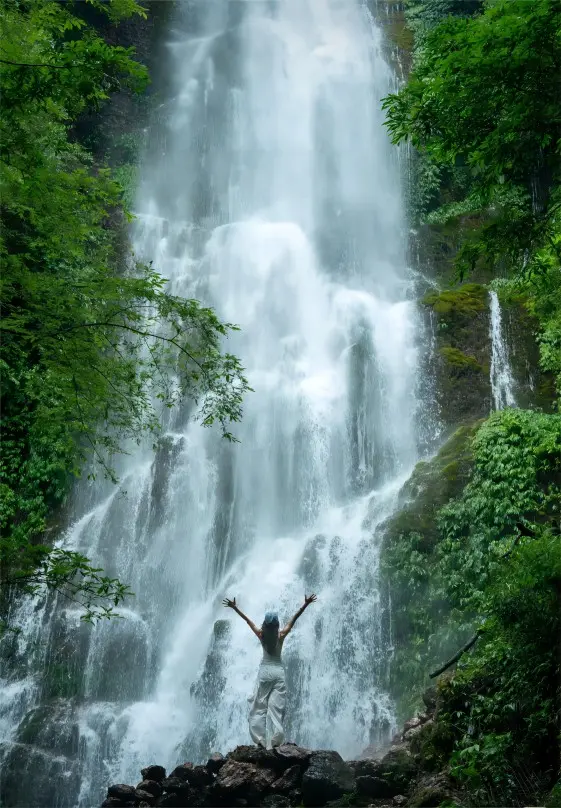
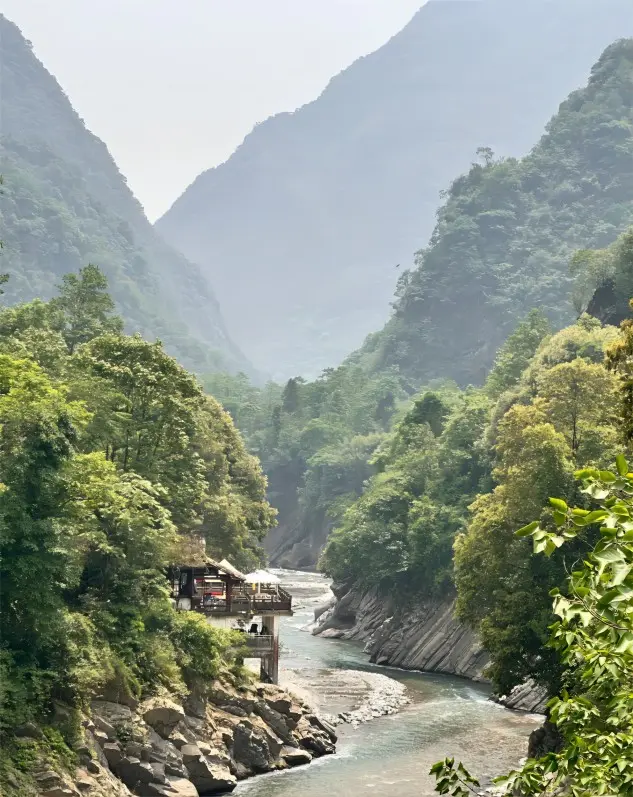
The Baisha River has carved a dramatic U-shaped gorge, dotted with more than 20 waterfalls. The most famous is the Yin–Yang Pool Waterfall, where a 30-meter drop is split into two contrasting streams by a natural rock formation. Even without geological knowledge, visitors can clearly see the layered rock formations that reveal hundreds of millions of years of natural history, making the gorge both visually striking and educational.
3. Alpine Flower Corridor
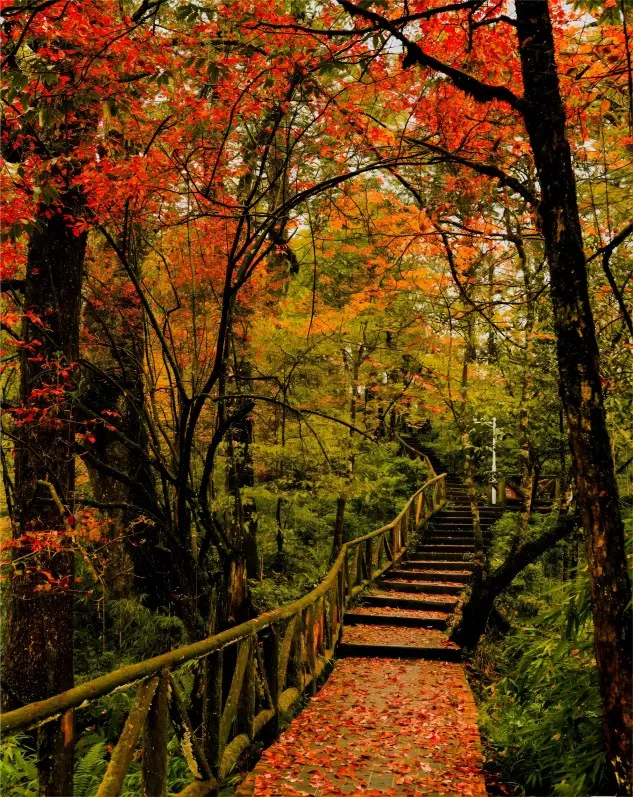
From May to August, Chengdu Hongkou Nature Reserve transforms into a vast natural garden. At elevations around 2,500 meters, over 200 species of rhododendrons bloom in succession, forming colorful flower belts along mountain slopes. In autumn, the scenery shifts again as forests turn gold and red, with Dove Trees standing out against birch trunks. Thanks to its rich plant diversity and rare endemic species, the area is often described as a living botanical museum.

II. Human Footprints: Nature Shaped by History and Culture
1. Traces of the Tea–Horse Ancient Road
The Longxi River Valley once served as a key branch of the ancient Tea–Horse Road, linking Sichuan with Tibet and beyond. Today, travelers can still see Song Dynasty stone-paved routes, deeply worn by centuries of caravan traffic. Horseshoe marks carved into bluestone slabs and granite hitching posts in Hongkou town offer tangible reminders of the region’s trading past.
2. Living Traditions of Qiang and Tibetan Culture
Longchi Town is home to a diverse mix of Qiang, Tibetan, and Han communities. Each year, the Mountain Circling Festival brings villagers together to walk around sacred peaks with prayer flags, blending spiritual belief with nature worship. Traditional blockhouse-style homes, some featuring suspended granaries designed to prevent pests and improve ventilation, highlight the practical ecological wisdom passed down through generations.
3. Earthquake Memorial Landscape
The 2008 Wenchuan Earthquake left lasting scars on the region. At Shenxigou Earthquake Site Park, visitors can walk alongside a 3-kilometer surface rupture zone, where tilted rock layers and twisted trees vividly show the power of tectonic movement. Interactive exhibits and digital reconstructions help visitors understand the event, turning the site into both a memorial and an outdoor classroom.
III. In-Depth Experiences: How to Explore Chengdu Hongkou Nature Reserve
1. Outdoor Activities
• Canyon Rafting: A 6-kilometer rafting route open from June to September offers fast-moving water, sharp turns, and exciting drops, all managed with professional safety systems.
• Eco-Trekking: The Longchi–Hongkou Crossing Trail spans 18 kilometers and passes through forests, meadows, and rocky terrain. Rest stops and guided explanations make it accessible even for less-experienced hikers.
• Firefly Viewing: From late spring to summer, fireflies light up stream valleys in the evening. Red-light systems help protect the insects while allowing visitors to enjoy the experience.
2. Local Food Experiences
Dining in Hongkou highlights the region’s clean water and mountain produce. Cold-water rainbow trout, mountain-cured meats, wild vegetables, and locally brewed fruit wines are all worth sampling. Many guesthouses offer terrace dining, where visitors can enjoy regional flavors while overlooking the gorge.

IV. Practical Travel Tips
Getting There: Chengdu Hongkou Nature Reserve is easily reached by car from Chengdu in under two hours. Public buses and train connections via Dujiangyan are also available, making it accessible for independent travelers.
Tickets: Entry to the core reserve area is free with registration. Certain activities such as rafting and eco-education exhibits require separate tickets.
Best Time to Visit:
• Spring: Flowers and fresh greenery
• Summer: Rafting and fireflies
• Autumn: Colorful forests and hiking

V. Why Chengdu Hongkou Nature Reserve Is Worth Visiting
Unlike heavily commercialized scenic spots, Chengdu Hongkou Nature Reserve emphasizes conservation, education, and community involvement. Visitors are encouraged to slow down, observe carefully, and engage respectfully with both nature and local culture. For travelers seeking a deeper, more meaningful experience near Chengdu, Hongkou offers a rare balance between protection and exploration—making it a standout destination for eco‑tourism in China. Furthermore, to explore more highlights of a Sichuan journey, don’t miss our page on Chengdu Tourist Attractions!