Red Sea Lake (Hong Haizi) Travel Guide: A Hidden Alpine Lake in Sichuan
Introduction: Why Visit Red Sea Lake (Hong Haizi)?
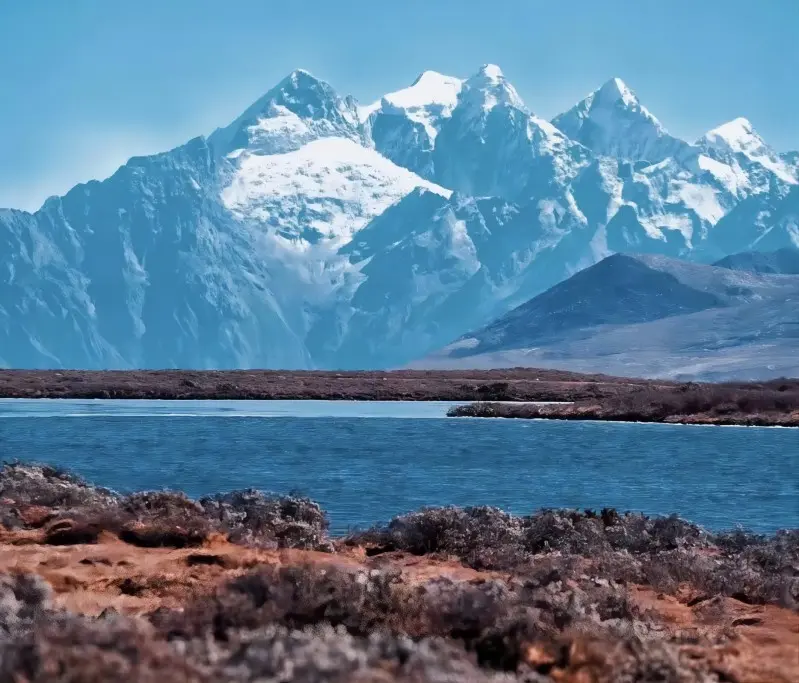
Hidden deep in the mountains of the Western Sichuan Plateau lies Red Sea Lake, locally known as Hong Haizi. Unlike famous destinations such as Jiuzhaigou or Daocheng Yading, this high-altitude lake remains quiet, understated, and deeply personal. Sitting at 4,200 meters (13,780 ft) above sea level, Red Sea Lake is often described as a “mirror of the sky”, reflecting snow mountains, drifting clouds, and the inner calm of those who visit.
As someone who has explored Western Sichuan many times, Red Sea Lake stands out not for dramatic crowds or infrastructure, but for its stillness. This guide shares what makes Hong Haizi special, how to visit, and why it may be one of the most rewarding hidden lakes in Sichuan.
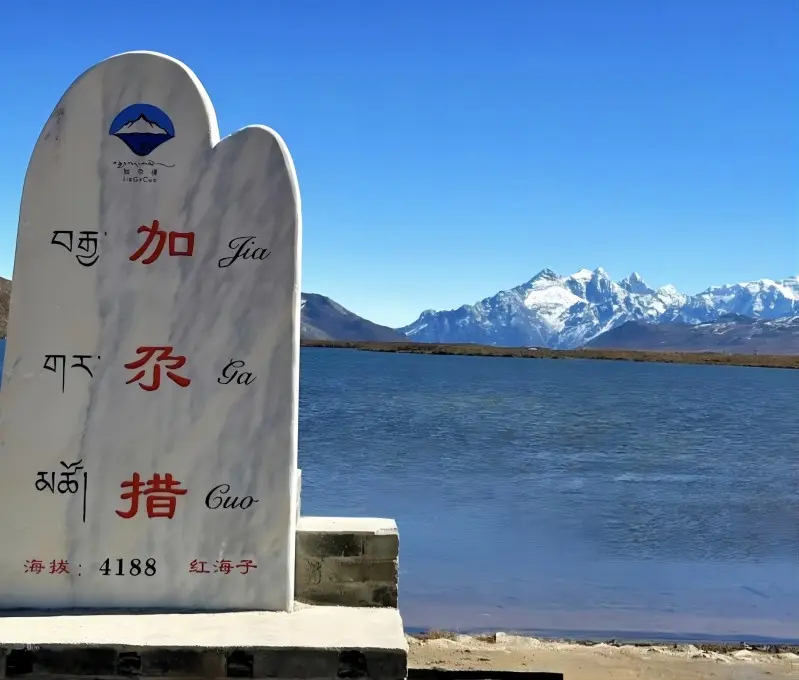
Where Is Red Sea Lake (Hong Haizi)?
Red Sea Lake (Hong Haizi) is located in Jiagenba Town, Kangding City, within Ganzi Tibetan Autonomous Prefecture, Sichuan Province. The lake is known in Tibetan as “Jia Ga La” and was formed as a glacial tarn, carved by ancient ice movement rather than river flow.
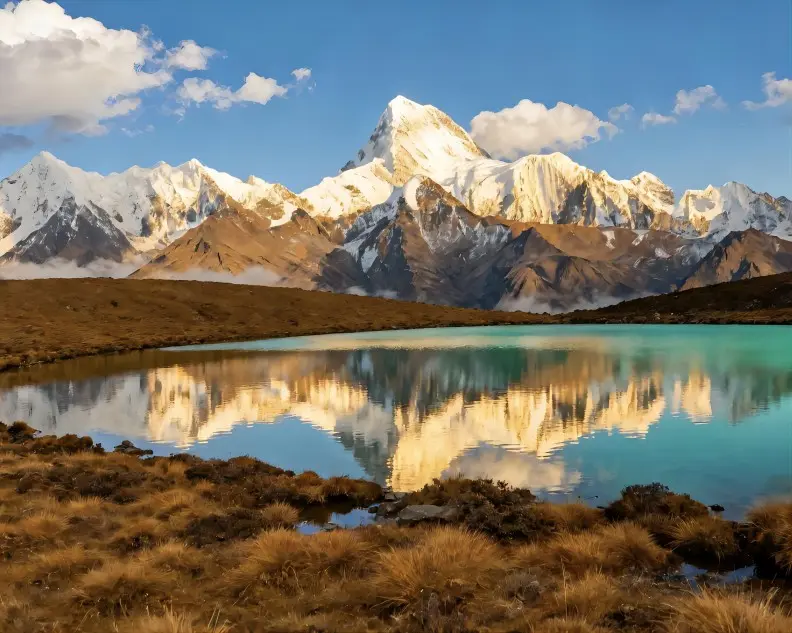
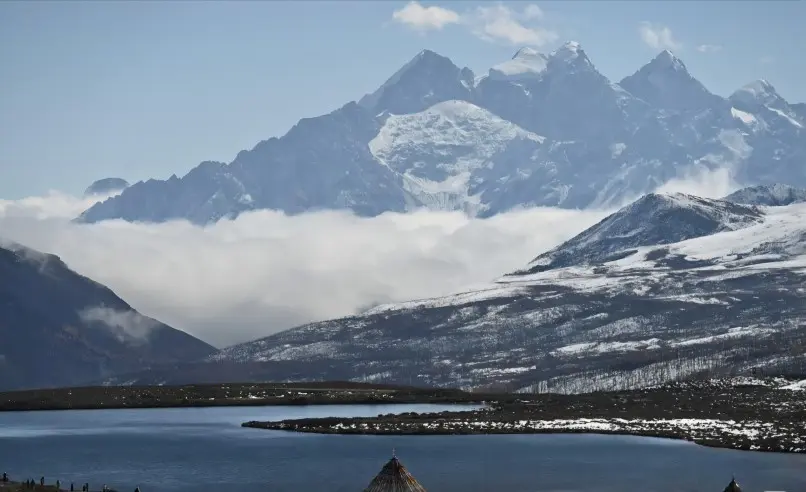
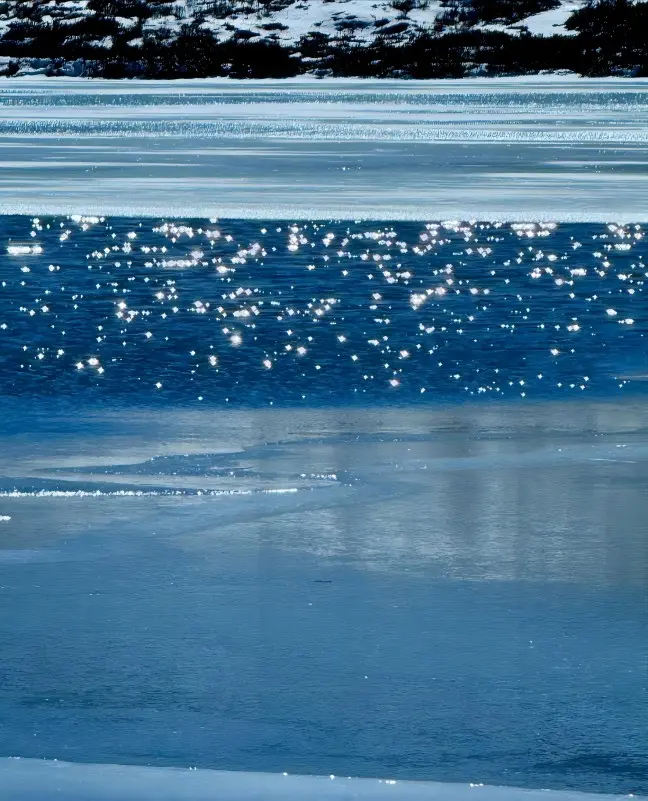
Because of its mineral-rich water and changing light conditions, the lake shifts color throughout the day—from pale turquoise under strong sun to deep jade blue on cloudy afternoons. On calm mornings, thin mist often floats above the surface, with Bijia Mountain rising quietly in the background.
What Makes Red Sea Lake Special?
Mirror-Like Reflections
The most iconic feature of Red Sea Lake is its near-perfect reflection. When the wind drops, snow mountains, clouds, and sky merge seamlessly with the water, making it hard to tell where the land ends and reflection begins.
Photography tip: A polarizing filter helps reduce surface glare and enhances reflection clarity.
Glacial Landscapes
Large glacial erratics line the lakeshore, their surfaces shaped by wind and ice over thousands of years. Touching these stones gives a tangible sense of geological time rarely felt at lower elevations.
Summer Wildflowers
From June to August, alpine meadows around the lake bloom with rhododendrons and yellow Meconopsis. During one summer visit, I met a group of Tibetan children weaving wildflowers into wreaths. They laughed and handed one to me—a small, unforgettable moment that stayed longer than any photograph.
Tibetan Culture Around the Lake
Prayer Flags and Mani Stones
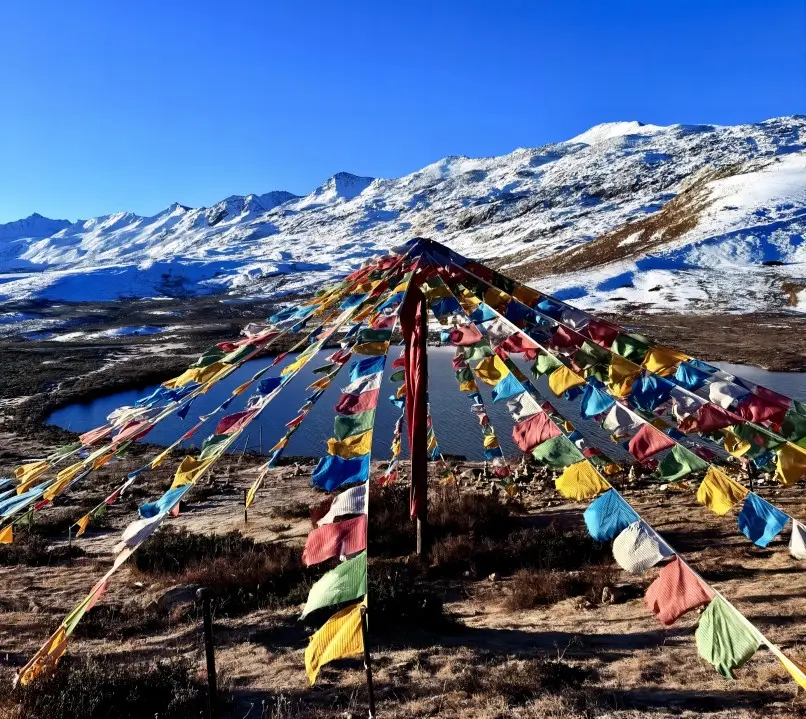
Colorful prayer flags line parts of the lakeshore, fluttering constantly in the plateau wind. Nearby Mani stones, carved with the six-syllable Buddhist mantra, reflect the deep spiritual connection locals maintain with the land.
I once watched an elderly Tibetan Ama (grandmother) slowly circling the lake clockwise, murmuring prayers. Her presence felt as timeless as the lake itself.
Local Legends
Locals say Red Sea Lake was once an important gold-mining site. According to legend, gold sand at the lake bottom could cure illness. While mining is long gone, the stories add another layer of mystery to Hong Haizi.

Things to Do at Red Sea Lake
Photography
- Best viewpoints:
- East shore for Bijia Mountain reflections
- Southwest peninsula for creative wide-angle shots
- Best time: Early morning (7–9 AM) for mist, or late afternoon (5–7 PM) for softer light
- After rain, water color and reflections are often at their best
Hiking
- Easy loop hike: ~3 km, taking 1–1.5 hours
- Expect alpine plants, marmot burrows, and occasional blue sheep
During one hike, I met a French backpacker. He shared bread, I shared highland barley cake. We toasted quietly to the mountains.
For those with energy, a short hike northwest leads to visible glacial moraines and cirques.
Food and Picnic
There are no restaurants at the lake, so bring your own food or prepare meals in Xinduqiao.
- Tsampa (roasted barley flour)
- Air-dried yak jerky
- Yak butter tea (ask for less butter if new to it)
A simple picnic by the lake, with snow peaks as a backdrop, often becomes the highlight of the day.
How to Get to Red Sea Lake from Chengdu
Self-Driving (Recommended)
Route: Chengdu → Ya’an → Luding → Kangding → Zheduo Mountain → Xinduqiao → Red Sea Lake
- Distance: ~350 km
- Time: 7–8 hours
- Vehicle: SUV recommended (some gravel roads)
Public Transportation
- Bus from Chengdu Xinnanmen Bus Station to Kangding (~6 hours)
- From Kangding, hire a car or join a shared ride (~1.5 hours, ¥150–¥200 per person)
Tickets, Best Time & Practical Information
- Entrance fee: ¥20 per person (cash, voluntary payment)
- Best time to visit: May–October
- June–August: wildflowers
- September–October: autumn colors
- Winter access (Nov–Mar) depends on snowfall and road conditions
Where to Stay
- Xinduqiao Town (40 minutes away) is the best base
- Gongga Zong Manor: Tibetan courtyard style, mountain views
- Wait for Maple Photography Hotel: Floor heating, oxygen supply
- Local Tibetan B&Bs: Fire pit, barley wine, meals included
Altitude, Health & Safety Tips
- Altitude: 4,200 meters
- Take Rhodiola supplements 2 days before arrival
- Avoid intense activity on day one
- Carry portable oxygen (available in Xinduqiao)
- Wear windproof layers; lakeside winds are strong
- Wet rocks can be slippery—keep distance from the water
Final Thoughts
Red Sea Lake (Hong Haizi) is not a destination to conquer—it is a place to slow down. Between still water, prayer flags, and quiet mountain air, many travelers find not excitement, but balance. If your idea of travel includes silence, reflection, and genuine connection with nature, this hidden alpine lake in Sichuan is well worth the journey. Furthermore, to explore more highlights of a Sichuan journey, don’t miss our page on Chengdu Tourist Attractions!