Daxingshan Temple Xi’an Travel Guide: Birthplace of Esoteric Buddhism
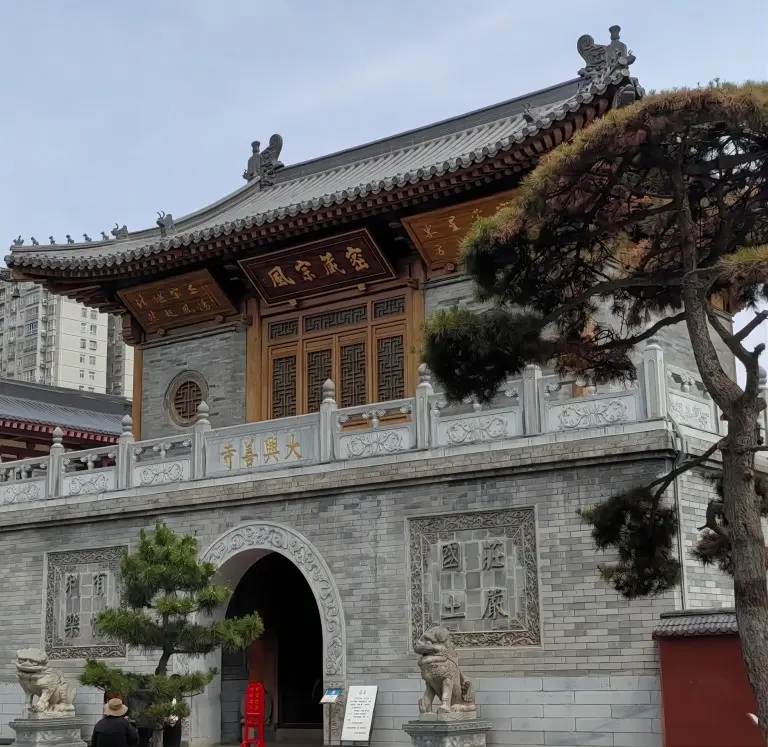
Hidden beside the bustling Xiaozhai shopping district, Daxingshan Temple is one of the most underrated Xi’an tourist attractions. Founded in 539 AD, this 1,700-year-old Buddhist temple is known as the birthplace of Chinese Esoteric Buddhism and remains a peaceful spiritual oasis in downtown Xi’an.
Unlike famous landmarks such as the Giant Wild Goose Pagoda, Daxingshan Temple offers a quieter, more intimate experience. It is a place where ancient faith, international cultural exchange, and everyday local life come together.
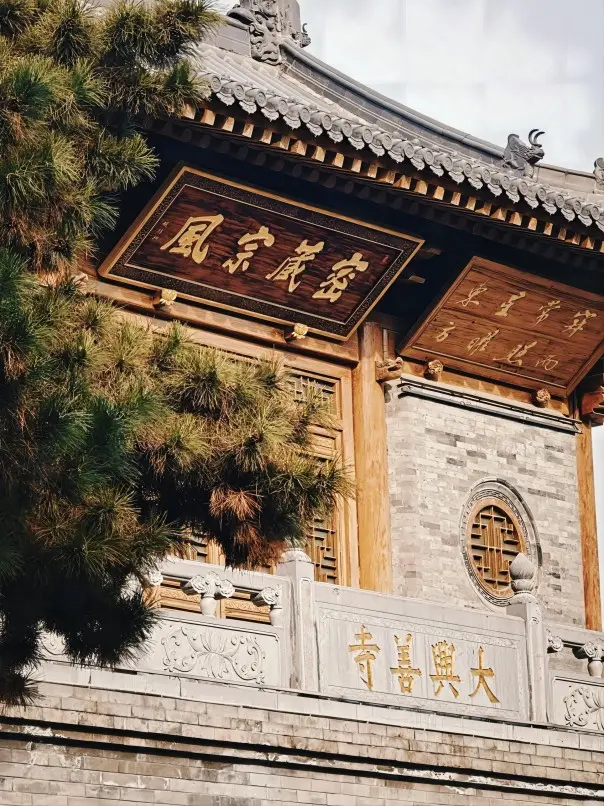
Why Visit Daxingshan Temple in Xi’an?
- Historic Importance: One of the oldest Buddhist temples in Xi’an, flourishing during the Sui and Tang Dynasties
- Religious Legacy: Birthplace of Chinese Esoteric Buddhism, influencing East Asian Buddhism
- Cultural Exchange: Japanese monk Kukai studied here before founding the Shingon sect in Japan
- Urban Zen: A calm retreat just minutes from Xiaozhai’s busy streets
A Royal Temple of the Tang Dynasty
During the Tang Dynasty, Daxingshan Temple became a royal-sponsored Buddhist center in Chang’an. Three eminent monks from India translated sacred texts here, spreading Esoteric Buddhism across China and eventually to Japan.
This temple stands as a living reminder of the Silk Road of ideas, where religion, philosophy, and culture traveled freely across borders.

Top Things to See at Daxingshan Temple
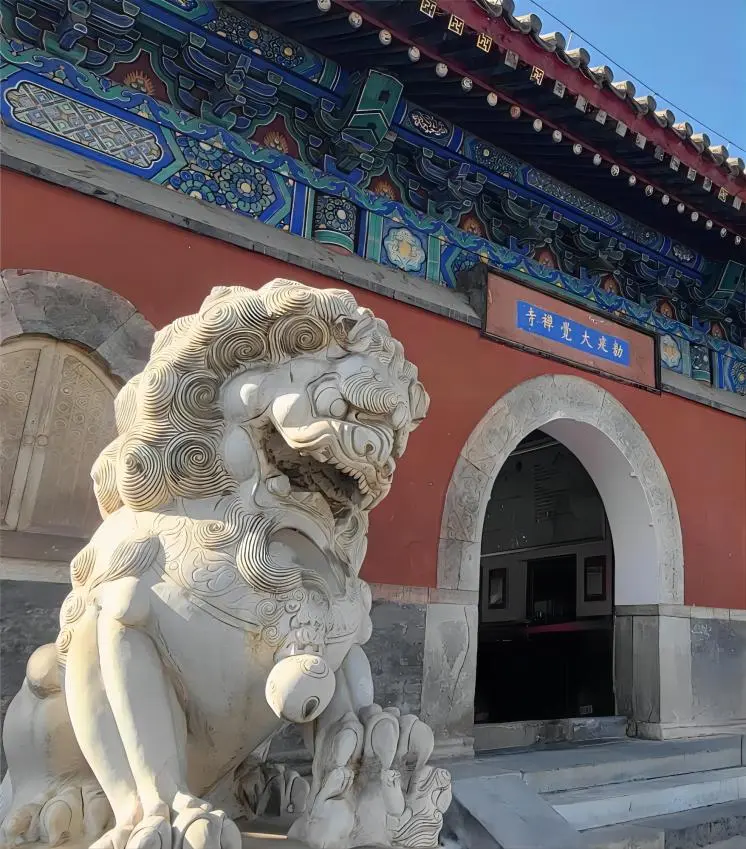
The Main Gate & Ancient Cypress Trees
Passing through the grey brick gate, visitors are welcomed by towering 1,000-year-old cypress trees. These silent witnesses to history create a serene atmosphere perfect for slow walks and reflection.
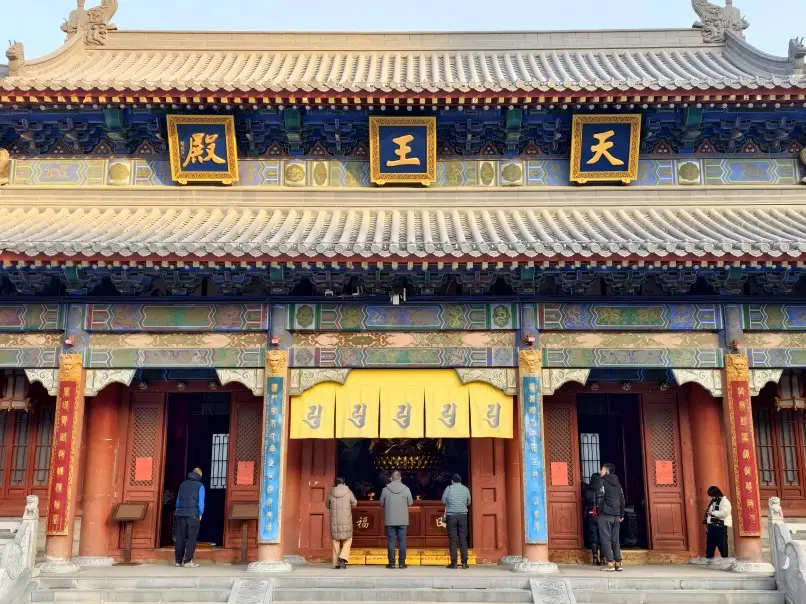
The Grand Hall (Main Hall)
The Main Hall features yellow roof tiles and red pillars, giving it a distinctly royal appearance. Inside, the hall enshrines the Five Dhyani Buddhas, symbolizing five forms of wisdom—an uncommon sight in Chinese temples and a hallmark of Esoteric Buddhism.
The Meteorite & Exhibition Hall
In a quiet rear courtyard lies a mysterious black meteorite, believed to have fallen during a monk’s sermon. Nearby exhibits explain how Buddhism spread from India to China and onward to Japan, highlighting Daxingshan Temple’s global influence.
Practical Travel Guide
| Category | Details |
|---|---|
| Location | No. 55 Xingshanshi West Street, near Xiaozhai |
| Subway | Line 2 or 3 → Xiaozhai Station, 5–10 min walk |
| Opening Hours | 08:00–17:00 daily |
| Tickets | Free admission, no reservation required |
| Recommended Time | 1 hour |
| Best Time to Visit | Early morning or late afternoon for quiet atmosphere |
Temple Etiquette & Blessings
- What to pray for: Safety, peace, and career success
- Incense: Free incense is available near the main hall
- Etiquette: Dress modestly, stay quiet, and step over door thresholds
- Photography: Not allowed inside halls with Buddha statues
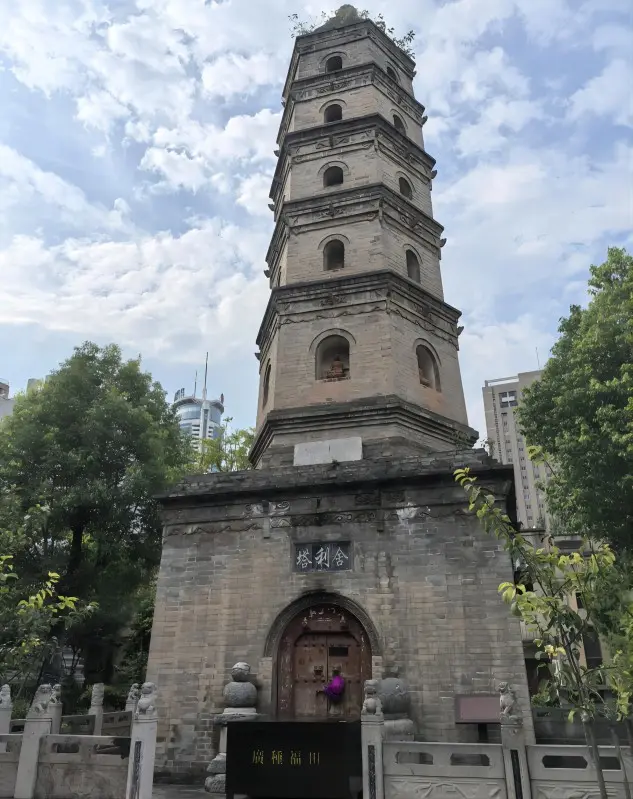
Why Daxingshan Temple Still Matters Today
For locals, Daxingshan Temple serves as a “spiritual gas station.” People visit before exams, job interviews, or important life moments. Surrounded by ancient trees and red walls, the temple offers calm and clarity that contrasts sharply with the surrounding commercial district.
It is a place where ancient wisdom supports modern life, making it one of Xi’an’s most meaningful hidden gems.
Conclusion
Daxingshan Temple is where 1,700 years of history meet modern Xi’an. Whether you are interested in Buddhism, cultural exchange, or simply seeking peace in the city, this temple rewards those who slow down and look deeper. If you are exploring Xiaozhai, set aside an hour to step inside—you may find more than you expected.
Furthermore, to explore more highlights of a Xi’an journey, don’t miss our page on Xi’an Tourist Attractions!