Traditional Snacks of Xi’an : 4 Flavors That Traveled Through Time
An immersive Xi’an food guide for first-time visitors
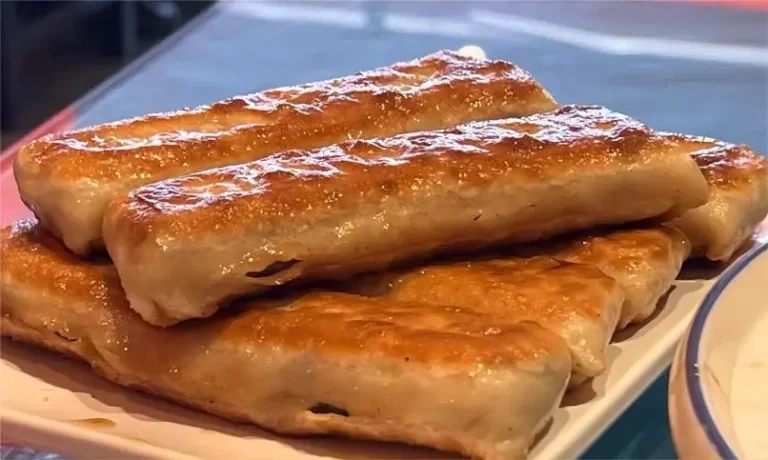
In Xi’an, snacks are more than something to eat—they are the flavor of history and the rhythm of daily life. Zenggao, Shuijingbing, Jinggao, and Shizibing are four of the most iconic traditional snacks of ancient Chang’an, each with a history stretching back hundreds, even thousands, of years.
These classic Xi’an snacks have survived dynasties, wars, and modern change. Today, they remain part of everyday street life. This guide will help you understand what these traditional Xi’an snacks are, why they matter, and where to try them like a local.
I. Four Traditional Snacks You Must Try in Xi’an

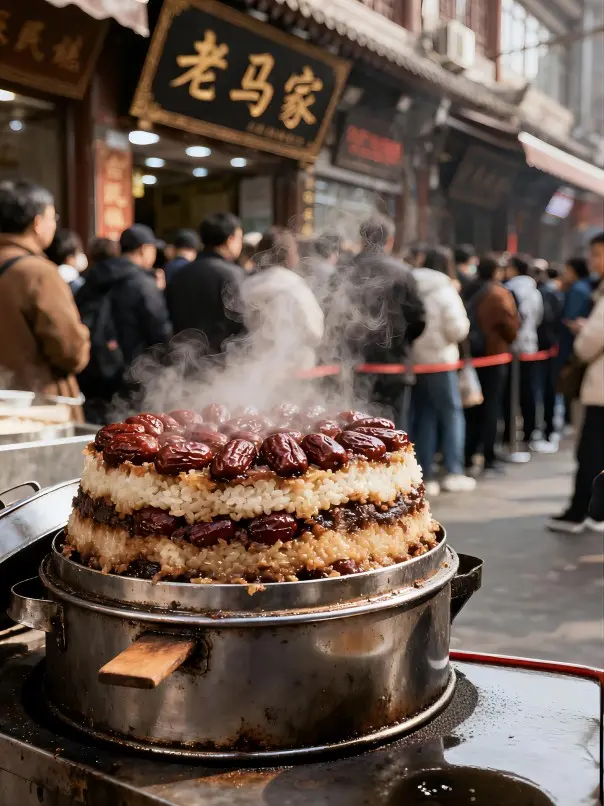
1. Zenggao (Sticky Rice Cake): A Taste of Tang Dynasty Luxury
Zenggao is one of the oldest traditional snacks in Xi’an.
- Name & Meaning: Named after the “Zeng”, an ancient clay steamer. The word also symbolizes “rising prosperity.”
- History: Dating back nearly 3,000 years, Zenggao was a royal dessert during the Tang Dynasty and is said to have been favored by Lady Yang.
- How It’s Made: Layers of sticky rice, red dates, and beans are slowly steamed for 6–8 hours over a date-wood fire.
- Taste: Sweet, warm, and extremely sticky, with a deep honey-like flavor from the melted dates.
- Best Time to Eat: Breakfast or a warming winter snack.
Zenggao is considered one of the most representative ancient Chang’an desserts still eaten today.

2. Shuijingbing (Crystal Cake): Xi’an’s Most Elegant Pastry
Shuijingbing, or Crystal Cake, is a famous traditional pastry from Xi’an.
- Name & Meaning: Named for its translucent, crystal-like sugar filling.
- History: Once offered as a tribute snack to Qing Dynasty emperors, symbolizing integrity and tradition.
- How It’s Made: A flaky pastry crust surrounds a crunchy filling of rock sugar, walnuts, sesame seeds, and dried fruits.
- Taste: Sweet but balanced, with a signature crunch from the crystallized sugar.
- Best Time to Eat: Afternoon snack, ideally paired with hot tea.
Among traditional Xi’an snacks, Shuijingbing is the most refined and gift-worthy.
3. Jinggao (Mirror Cake): A Street Snack from Ancient Chang’an
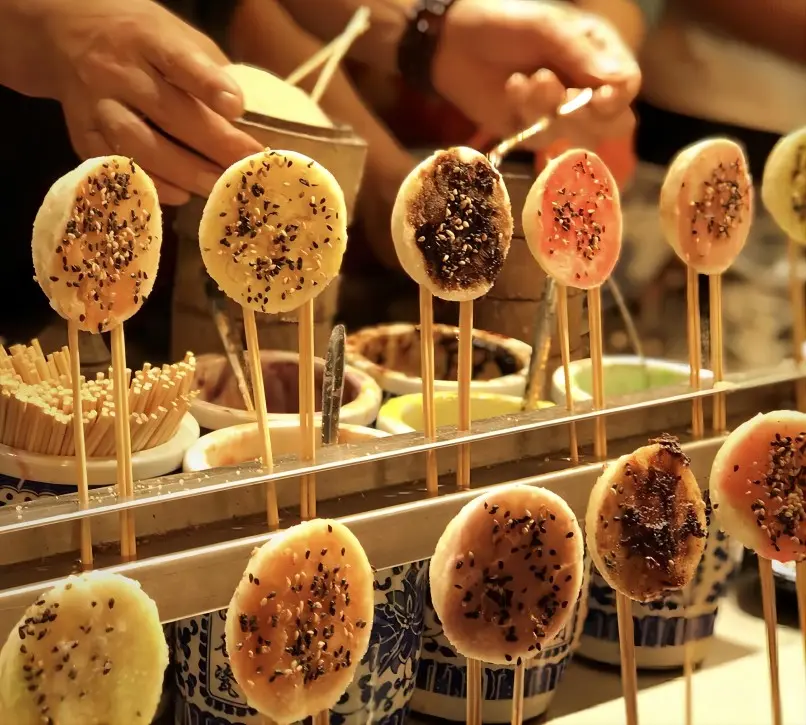
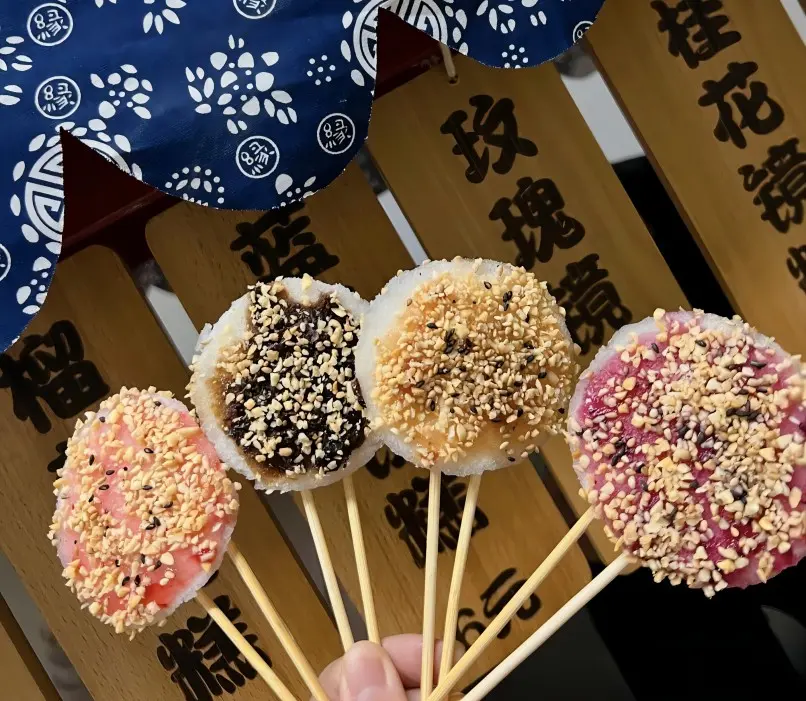
Jinggao, or Mirror Cake, is one of the most recognizable Xi’an street snacks.
- Name & Meaning: “Jing” means mirror, referring to its small, round, flat shape.
- History: A portable version of a Tang Dynasty rice dessert, made for people on the move.
- How It’s Made: Rice flour batter is steamed in a small wooden mold for about three minutes, then coated with sugar, sesame seeds, and crushed peanuts.
- Taste: Soft, fluffy, and lightly chewy—like a warm rice marshmallow.
- Best Time to Eat: While walking, sightseeing, or as an after-school treat.
Jinggao represents the everyday street life of ancient and modern Xi’an.
4. Shizibing (Persimmon Pancake): Autumn on a Plate
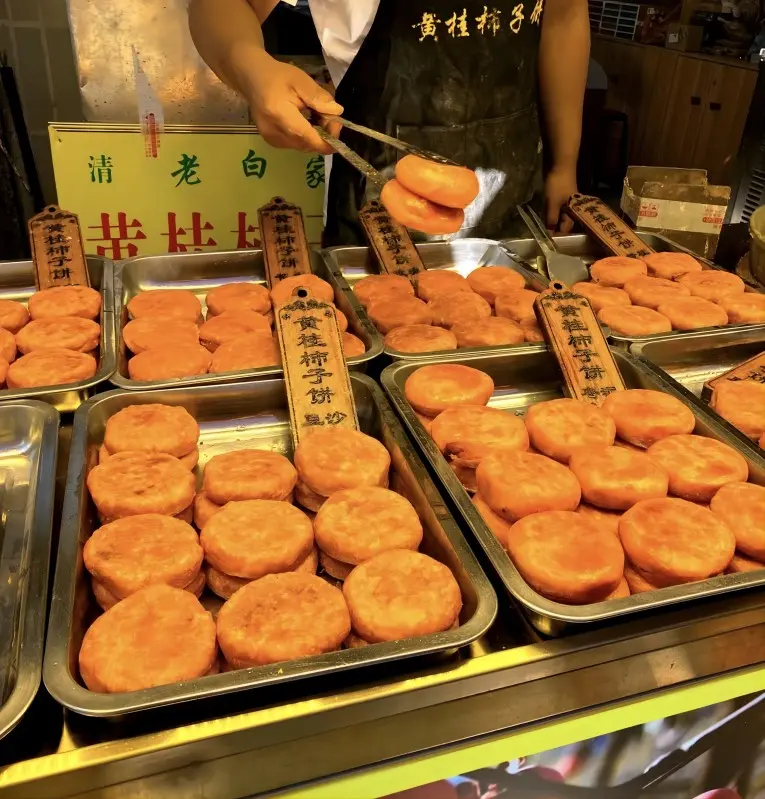
Shizibing is a seasonal snack deeply tied to Xi’an’s local agriculture.
- Name & Meaning: Made with local “fire-crystal” persimmons; the name sounds like “everything goes well” in Chinese.
- History: Created during the Ming Dynasty to celebrate successful harvests.
- How It’s Made: Persimmon pulp is mixed with flour, filled with walnuts or sesame, then deep-fried until golden.
- Taste: Crispy outside with a molten, sweet center.
- Best Time to Eat: Autumn, especially October and November.
Shizibing is one of the most beloved traditional snacks of Xi’an’s colder seasons.
II. The Cultural “Soul” Behind These Xi’an Snacks
- Zenggao is the Morning Bell: The steam rising from clay pots in the Muslim Quarter marks the start of the day, linking Tang Dynasty elegance with modern street life.
- Shuijingbing is the Scholar’s Snack: Refined, balanced, and best enjoyed with tea, it reflects Xi’an’s literary past.
- Jinggao is Childhood Memory: The sound of steam and wooden molds is unforgettable for generations of Xi’an locals.
- Shizibing is an Autumn Love Letter: When persimmons ripen, these golden pancakes appear as a seasonal gift from nature.
Together, these snacks form the emotional map of ancient Chang’an.
III. Where to Eat Traditional Xi’an Snacks Like a Local
| Snack | Recommended Spot | Price (Avg) | Local Tip |
|---|---|---|---|
| Zenggao | Lao Ma Jia (Muslim Quarter) | 5–10 RMB | Go early (6:00–9:00 AM); it sells out fast |
| Shuijingbing | De Mao Gong (West Street) | ~35 RMB/box | Buy from the flagship store for freshest pastry |
| Jinggao | Yongxing Fang | 5–8 RMB | Ask for extra sesame and peanuts |
| Shizibing | Lao Xu Jia (Muslim Quarter) | ~3 RMB each | Best during persimmon season |
IV. Practical Tips for First-Time Visitors
- Best Drink Pairings:
- Zenggao + soy milk
- Shuijingbing + hot tea
- Shizibing + Ice Peak soda
- Payment: Alipay and WeChat Pay are accepted almost everywhere.
- Watch the Heat: Zenggao and Shizibing are served very hot—take small bites.
- Authenticity Tip: For Zenggao, look for vendors using traditional clay steamers, not metal ones.
Conclusion: Tasting the Everyday History of Xi’an
The true fireworks of ancient Chang’an are found not in palaces, but in steaming rice cakes, flaky pastries, and golden persimmon pancakes. These traditional Xi’an snacks are the footnotes of history and the poetry of daily life.
When you stop at a street stall and take a bite, you’re not just eating—you’re tasting a story that has been told for centuries. For a deeper taste of the city, visit our Xi’an Local Food Trails guide to explore traditional snacks, street food, and the everyday dishes locals truly love.