Baitasi (White Pagoda Temple) Beijing Travel Guide: The White Memory of Yuan Dadu and the Zen of City Life
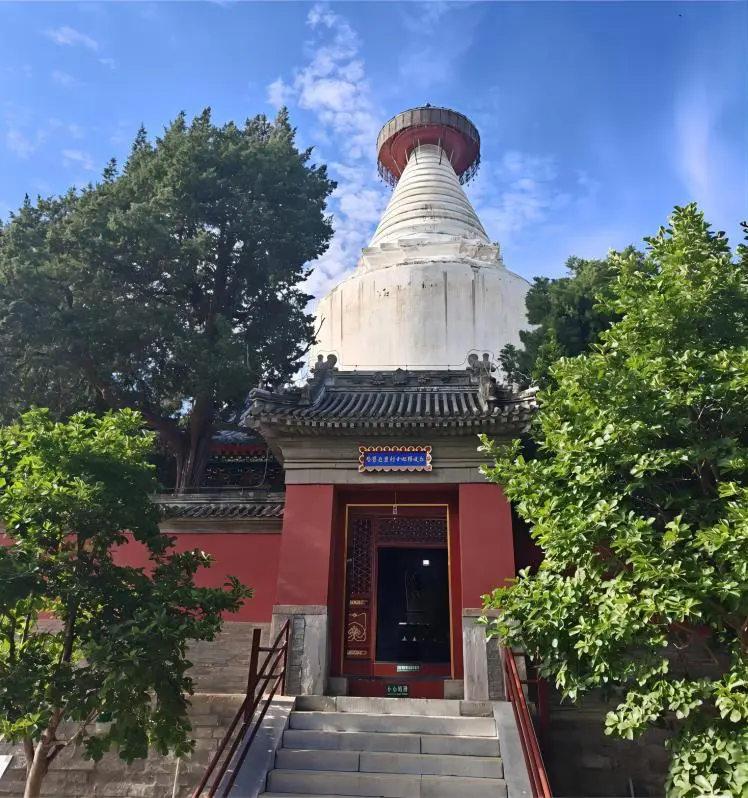
Baitasi Temple in Beijing, officially known as Miaoying Temple (Temple of Miraculous Response), is a 700-year-old Tibetan Buddhist temple that blends Yuan Dynasty history, ancient stupa architecture, and the calm rhythm of hutong life. Located on Fuchengmen Inner Street in Beijing’s Xicheng District, the White Pagoda Temple stands out with its snow-white dome and golden spire, offering visitors a peaceful sanctuary within the bustling city.
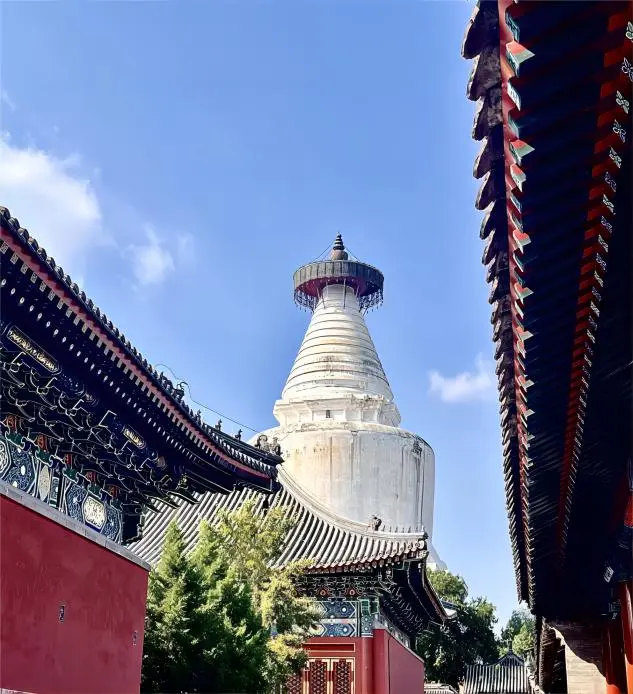
History of Baitasi Temple, Beijing
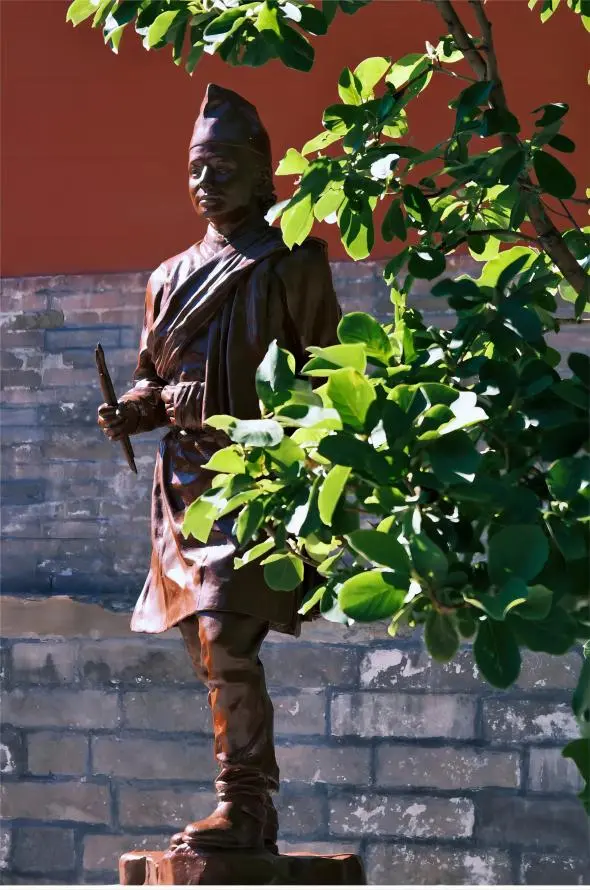
The origins of Baitasi (White Pagoda Temple) date back to the Yuan Dynasty (1271 AD), when Kublai Khan, Emperor Shizu, invited the Nepali artisan Anige to design a grand Tibetan-style stupa in the capital city of Dadu (present-day Beijing). The resulting structure — a 51-meter-high white stupa — became the oldest and largest Tibetan-style pagoda in China.
Its design merges Indian, Nepali, and Chinese architectural influences, with a pure white dome symbolizing the Boundless Dharma. The surrounding temple complex — including the Hall of Heavenly Kings, the Bell and Drum Towers, and the Hall of Seven Buddhas — retains the Yuan Dynasty’s original “One Stupa, One Temple” layout.
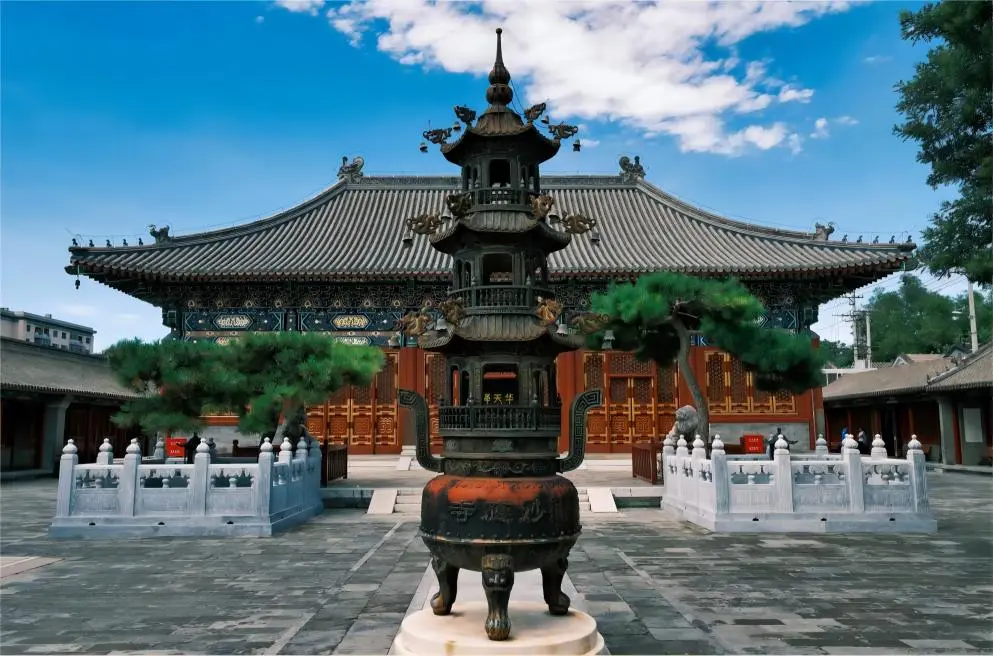
Highlights of White Pagoda Temple: Tibetan Buddhism Meets City Life
What makes Baitasi Temple Beijing truly special is how Tibetan Buddhist rituals coexist with old Beijing hutong culture. Here, ancient faith flows seamlessly into everyday urban life:
- Circumambulation for Blessings (Zhuanta): Each morning, residents and visitors circle the stupa three times, silently reciting the Six-Syllable Mantra (Oṃ Maṇi Padme Hūṃ) — a ritual that has continued for more than seven centuries.
- Hutong Cafes & Cultural Life: In the alleys surrounding Baitasi (especially Baitasi Dong Jia Dao), cafés combine Tibetan motifs with minimalist design. Don’t miss the “Light of the White Pagoda” rooftop café, where you can enjoy coffee while gazing at the golden spire.
- Intangible Cultural Heritage Workshops: The temple occasionally hosts hands-on sessions in Thangka painting and Tibetan incense making, giving visitors a chance to craft meaningful souvenirs.
Blessings and Prayers at Baitasi Temple
Baitasi has long been a place for locals and pilgrims seeking spiritual blessings and peace of mind.
- For Health and Safety: In Tibetan Buddhism, the white stupa symbolizes purity and protection from calamity. Many visitors touch the stone railings while praying for family well-being.
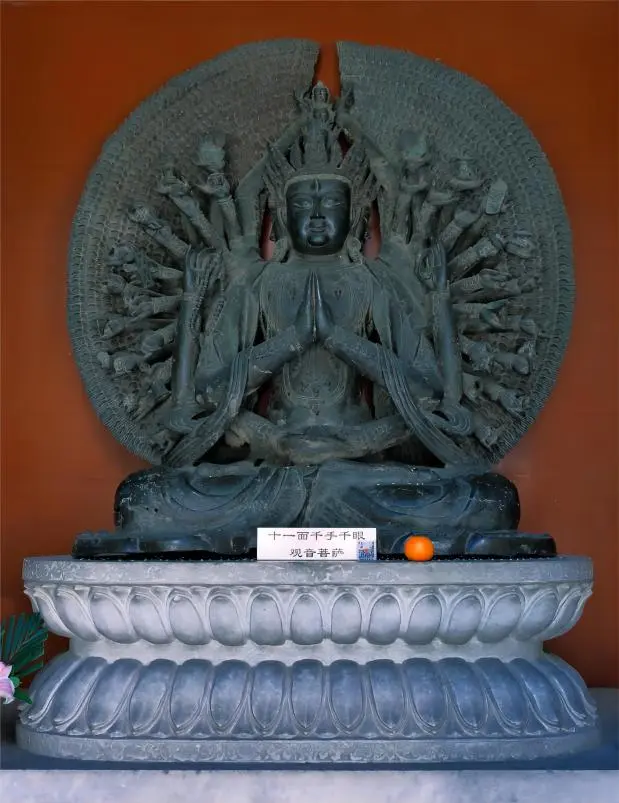
- For Wisdom and Career: Inside the stupa stands Manjushri Bodhisattva, the deity of wisdom. Parents often light Wisdom Lamps for their children or careers.
- For Love and Marriage: The popular legend of the “White Pagoda Red Thread” draws couples to take photos or hang prayer plaques under the ancient trees — seeking harmony and love.
Things to Do at Baitasi Temple and Nearby Hutongs
- Morning Bell & Evening Drum: Join locals in the daily circumambulation ritual around 7:00 AM or 5:00 PM to feel the blend of devotion and city rhythm.
- Explore the Hutongs by Bike: Rent a shared bicycle and ride through nearby alleys like Gongmenkou East Hutong. The red walls, old trees, and courtyards offer beautiful photo scenes.
- Vegetarian Dining & Local Snacks: Inside the temple, try Tibetan butter tea and vegetarian buns. For authentic Beijing flavor, walk five minutes to Huguo Temple Snacks (Huguo Si Xiaochi) and sample Douzhi (fermented mung bean milk) with Jiaochuan (fried dough rings).
Souvenirs and Cultural Gifts
- Tibetan-Inspired Keepsakes: Mini White Pagoda models in bronze or ceramic and prayer wheel keychains are popular collector items.
- Creative Stationery: The temple’s “Baitasi Vow” postcard and notebook series feature the Six-Syllable Mantra and modern design.
- Handmade Heritage: Personalized Thangka miniatures and Tibetan incense gift boxes from workshop classes make meaningful souvenirs.

Visitor Information
- Address: No. 171 Fuchengmen Inner Street, Xicheng District, Beijing.
- Transportation: Take Subway Line 2 to Fuchengmen Station (Exit C), then walk about 10 minutes; or take Bus No. 3, 13, or 42 to “Baitasi Station.”
- Opening Hours: 9:00 AM–5:00 PM (last entry 4:30 PM). Closed Mondays (except public holidays).
- Admission: ¥20, with advance reservation via the official “Baitasi” WeChat account.
Conclusion
The charm of Baitasi (White Pagoda Temple) lies in its role as both a witness to Beijing’s history and a part of daily hutong life. Here, a 700-year-old stupa stands beside modern cafés; pilgrims turn their prayer wheels as tourists take photos; and the chanting of Tibetan Buddhism mingles with the soft hum of city life.
For travelers seeking a deeper Beijing temple experience, Baitasi is more than a monument — it is a living dialogue between faith, history, and modern urban Zen. For more inspiration, explore other highlights on our Beijing Tourist Attractions page.