Baiyangdian Lake, Beijing: Ultimate Water-Town Travel Guide
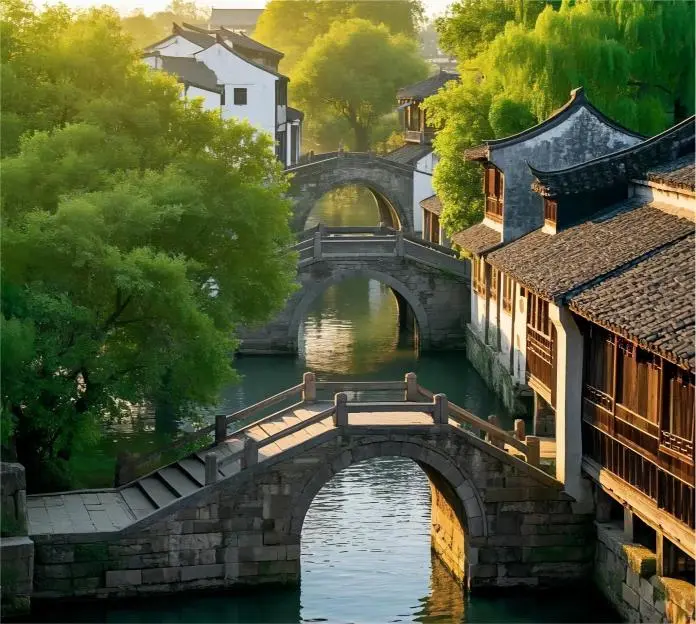
Just 140 km from Beijing, in Hebei’s Xiong’an New Area, lies Baiyangdian Lake, known as the “Pearl of North China”. As the largest freshwater lake on the North China Plain, Baiyangdian is a living museum, holding ten millennia of civilization, centuries of battles, and revolutionary history. For international travelers seeking a mix of nature, culture, and water-town charm, Baiyangdian Lake offers reed mazes, blooming lotus gardens, and the legendary Wild Goose Detachment, providing a unique window into Northern China’s water-town heritage.

I. Baiyangdian Lake in History: Civilization, Defense, and Heroism
The lake’s formation dates back to the Neolithic Age. Archaeologists discovered the Nanzhuangtou site in Xushui, around 10,000 years old. Pottery, grinding stones, and domesticated pig bones confirm the earliest evidence of agriculture and ceramics in North China. Cultures including Beifudi, Yangshao, and Longshan layered on this foundation, creating a unique fusion where the nomadic boldness of the North meets the meticulous farming of the Central Plains.
During the Spring and Autumn and Warring States periods, Baiyangdian was the Yan-Zhao border. In later dynasties, its swamps formed a “Water Great Wall”, inspiring legends like the Yang Family Generals.
In modern history, the Wild Goose Detachment historical site (Yanlingdui), a water-based guerrilla unit during the War of Resistance Against Japanese Aggression, used fishing boats as warships and reeds as camouflage. Their heroics inspired the children’s film Little Soldier Zhang Ga. Today, the memorial hall preserves oars, landmines, and photos, keeping the stories alive.
II. Immersive Water-Town Experiences at Baiyangdian
1. Boating Through the Reed Maze
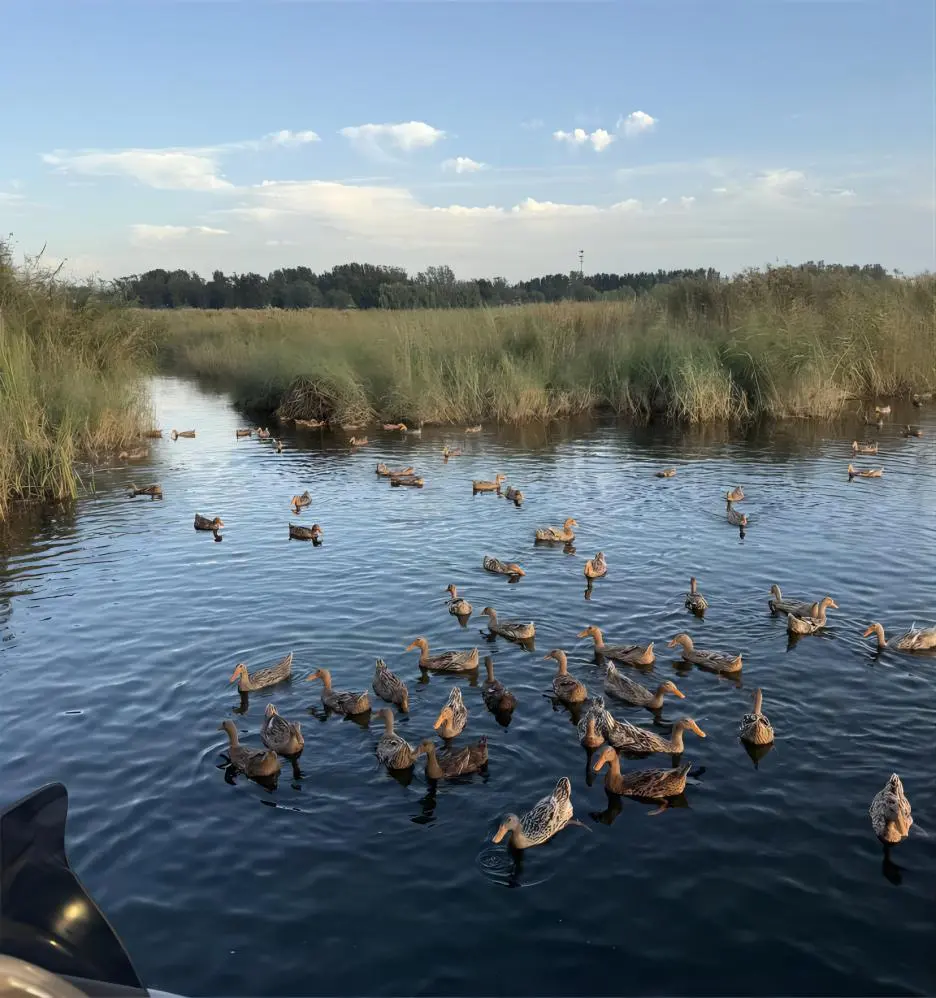
Baiyangdian’s 366 km² reed marshes are its soul. Board a wooden boat or speedboat to explore winding waterways that feel like a green maze. In summer, towering reeds rustle in the wind, creating a wuxia-style cinematic experience. In autumn, reed flowers resemble snow against azure mountains, offering stunning photography opportunities.
2. Lotus Gardens: China’s Largest Water Lily Park
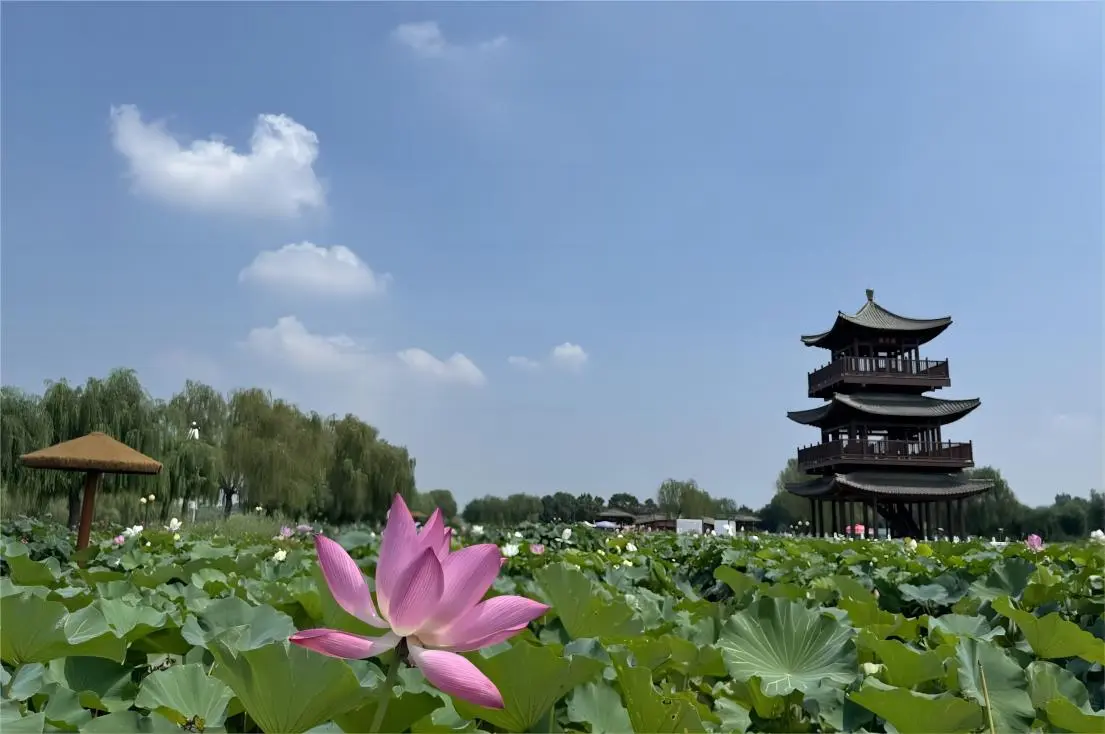
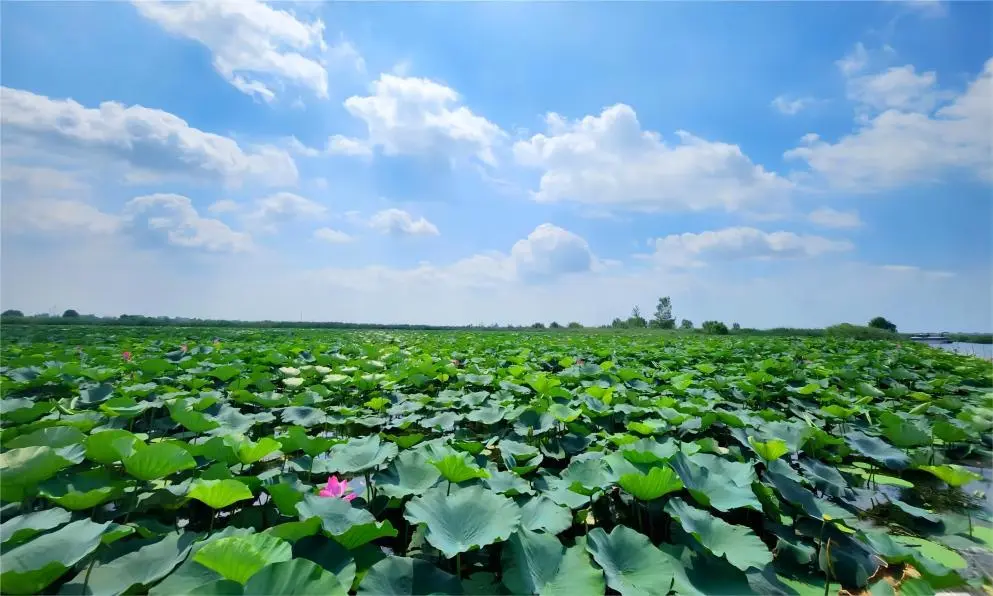
Home to 699 lotus varieties, including the giant Victoria water lily (over 1 m in diameter), Baiyangdian’s lotus gardens peak in midsummer. Pink and white flowers with green leaves cover the lake, while autumn and winter offer serene alternatives, from withered lotus stems in the rain to ice fishing experiences, revealing the northern countryside’s Zen charm.
3. Folk Life and Culinary Delights
In Gazi Village, grey-brick houses and anti-Japanese war sculptures recreate the world of Little Soldier Zhang Ga. Children can grind grain with stone mills or weave reed boats. Evenings feature a “Whole Fish Feast” (Quanyu Yan), including fried small fish, steamed soft-shell turtle, lotus-wrapped meat, and cured red-yolked eggs. As night falls, travelers relax on deck chairs listening to boatmen recount Wild Goose Detachment legends.

III. Travel Tips: Plan Your Baiyangdian Lake Visit
- Transportation: Drive from Beijing (~2 hours) or take the high-speed train to Xiong’an Station, followed by a 30-minute bus ride.
- Tickets: Entry ¥40; wooden boat ~¥150/day; speedboat ~¥260/hour.
- Best Seasons: June–August for lotus, September–October for reeds and migratory birds, winter for ice activities.
IV. Conclusion: Nature Meets History
Baiyangdian Lake is a living dialogue between nature and history. Every reed, lotus, and boat tells a story—from Neolithic pottery to Wild Goose Detachment exploits, to Emperor Kangxi’s travels and the future Xiong’an development. For travelers seeking escape, cultural depth, and scenic beauty, Baiyangdian Lake offers an unforgettable Northern China water-town experience. Want to discover more natural wonders around Beijing? Check out our guide to Top Attractions in Beijing.