Baoshan Temple Shanghai: A Tang-Style Buddhist Sanctuary Frozen in Time
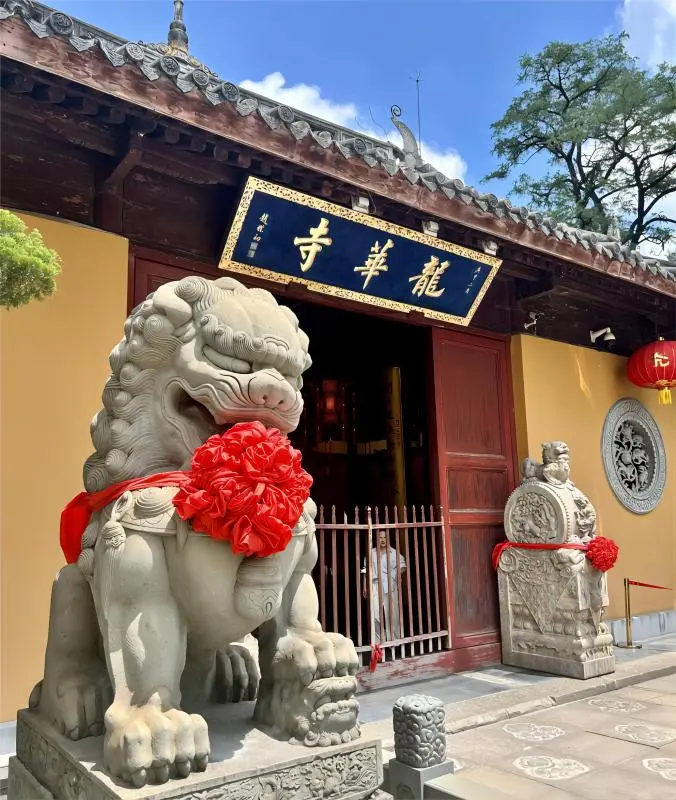
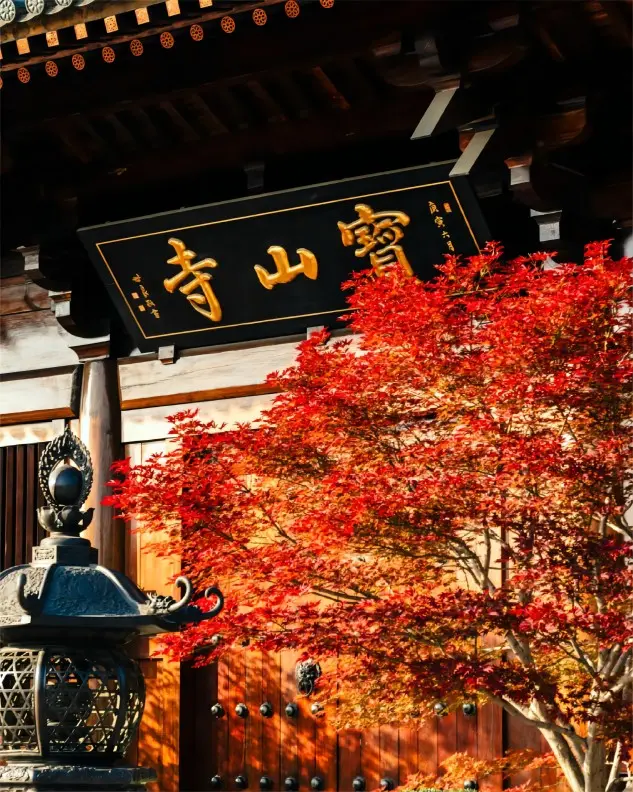
Step into Baoshan Temple in Shanghai and you’ll feel as if you’ve crossed into another era. With its sweeping Tang-style roofs, ancient incense rituals, and tranquil gardens, this temple offers a rare glimpse of the spiritual world that shaped China over a thousand years ago.
A Brief Journey Through Baoshan Temple’s 500-Year History
Baoshan Temple began in 1511 as a small Taoist shrine called Yuhuang Palace. After centuries of change—including war damage and gradual rebuilding—a monk named Jinyong transformed the remaining structures into a Buddhist monastery in the late 1800s.
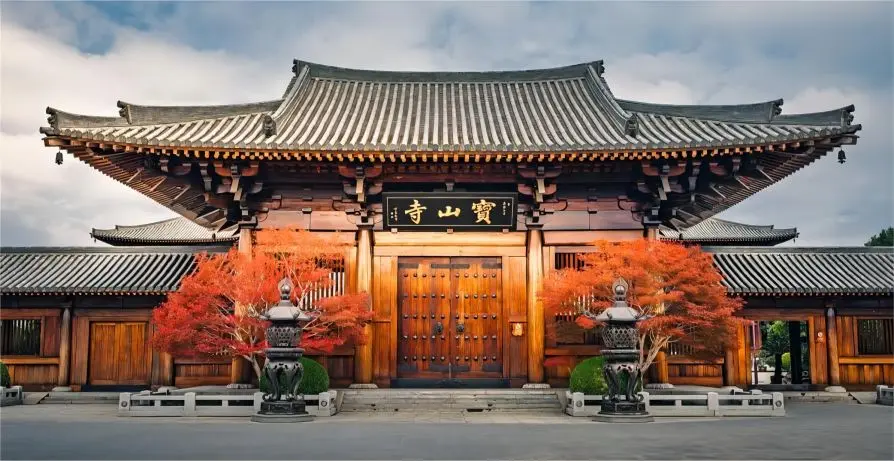
By the 1980s, only two Ming-era halls survived. The temple was reinstated in 1988, and in 2005 underwent a major reconstruction. To preserve its heritage, the entire complex was rebuilt in late Tang Dynasty style, using a full mortise-and-tenon rosewood structure. The new Baoshan Temple reopened in 2011, blending Tang architecture, Song design principles, and Ming–Qing relics into one cohesive historical timeline.

What to See: Top Highlights of Baoshan Temple
Baoshan Temple’s standout feature is its Tang palace-style timber complex, built following the classic Yingzao Fashi layout. Expect to see:
- dramatic dǒugǒng brackets,
- sweeping flying eaves,
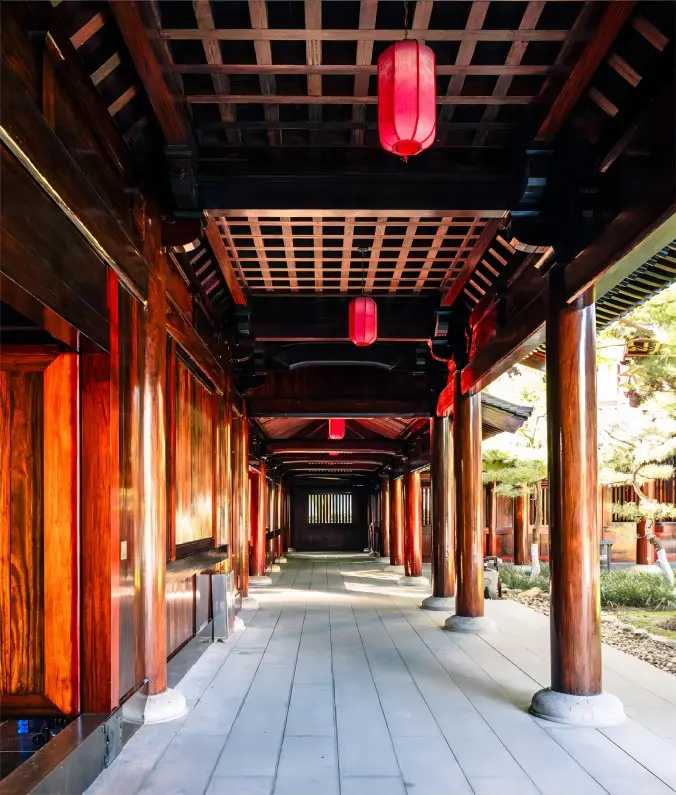
- massive rosewood columns,
- and deep hipped roofs—hallmarks of Tang grandeur.
The Main Hall
The seven-bay Main Hall (Dàxíong Baodian) is a nail-free mortise-and-tenon masterpiece that earned the Luban Prize. Tests by Tongji University show it can resist an 8.0 earthquake, showcasing ancient engineering at its best.
Inside are five bronze Buddha statues and the impressive four-year oil painting “Assembly of the Sea and Clouds,” inspired by Dunhuang and Yongle murals.
Jeta Grove & the Golden Pagoda
To the east, Jeta Grove offers a serene garden escape. Its centerpiece is the Golden Pagoda, a seven-story, 55.3-meter Tang-style timber pagoda—the first newly built of its kind in nearly a millennium. Modeled after the Yingxian Wooden Pagoda, its bronze bells ring softly in the wind.
The grove features covered walkways, the Water Heart Pavilion, stone lanterns, and quiet corners that perfectly blend traditional landscaping with Zen ambience.

A Temple Filled With Devotion and Everyday Wishes
Baoshan Temple is one of the most popular temples in northern Shanghai, attracting students, families, and travelers who come to pray, reflect, or simply soak in the calm.
Here’s what people commonly pray for:
Students & Exam-Takers
Visitors come to the Manjusri Hall, sometimes carrying textbooks or exam papers, to seek wisdom and academic luck.
Health & Peace
The Medicine Buddha Hall draws those wishing for recovery and renewed energy.
Love & Marriage
Singles and couples pray for romantic harmony—some even bring photos or wedding tokens for blessings.
This blend of devotion and everyday hopes gives the temple a warm, human atmosphere that complements its grand architecture.

Signature Experiences to Try
Morning Bell & Evening Drum (5:30–6:30 AM)
Join the monks’ morning chanting to truly feel the temple’s spiritual heartbeat. The deep bell sounds echo through the wooden halls, creating a rare moment of stillness amid city life.
Zen Vegetarian Cuisine
Baoshan Temple is known for its simple, flavorful dishes—especially the Luohan Zhai Noodles (¥10). Topped with minced tofu and string beans, it’s comforting, warm, and surprisingly satisfying.
Souvenirs to Bring Home
The temple shop sells meaningful items rooted in local culture:
- Baoshan Temple Historical Tales – a well-made book for culture lovers.
- Yuepu Bamboo Safety Buckle (Píng’ān Kòu) – handcrafted bamboo rings with Bodhi carvings and tassels, symbolizing harmony and safety.
- Luojing Cross-Stitch Stationery – colorful, intricate embroidery representing local folk heritage.
These make thoughtful keepsakes or gifts.

Practical Info for Visitors
- Admission: ¥20 (cash only)
- Opening Hours: 7:00 AM – 4:00 PM
How to Get There
- Bus: Take Route 839 or 841 to Luoxi Road & Qibei Road, then walk.
- Metro: Take Line 7 to Meilan Lake Station and transfer to a bus or taxi.
- Driving:
- From A30 Hutai Rd exit → left to Hutai → right to Yueluo Highway → Luoxi Road Second Bridge.
- From A20 Hutai Rd exit → north on Hutai → right to Yueluo Highway → Luoxi Road Second Bridge.
Conclusion: A Tang-Style Sanctuary You Won’t Forget
Baoshan Temple is more than a historical site—it’s a rare immersive experience of Tang dynasty Zen aesthetics, living Buddhist tradition, and masterful timber architecture.
Whether you come for photography, history, meditation, or simply to enjoy the peaceful ambience, Baoshan Temple offers a refreshing pause from the pace of Shanghai. And if you’re planning more places to see in the city, check out my page on Shanghai Tourist Attractions for more ideas.