Beijing 798 Art Zone: A Creative Blossom on an Industrial Ruin
In the northeastern suburbs of Beijing, an artistic sanctuary reclaimed from old factories is drawing global attention: the 798 Art Zone. Once an electronic industrial base from the Cold War era, it has now transformed into Asia’s most influential contemporary art hub.
History of the Beijing 798 Art Zone: From Military Factory to Art Utopia
The history of 798 Art Zone is a story of the co-existence of industrial heritage and artistic innovation.
Cold War Legacy: The Glory and Decline of Red Industry
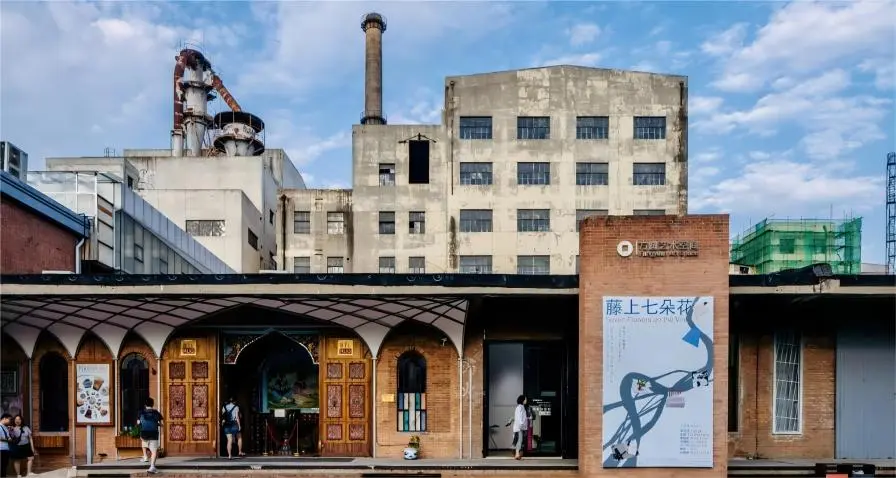
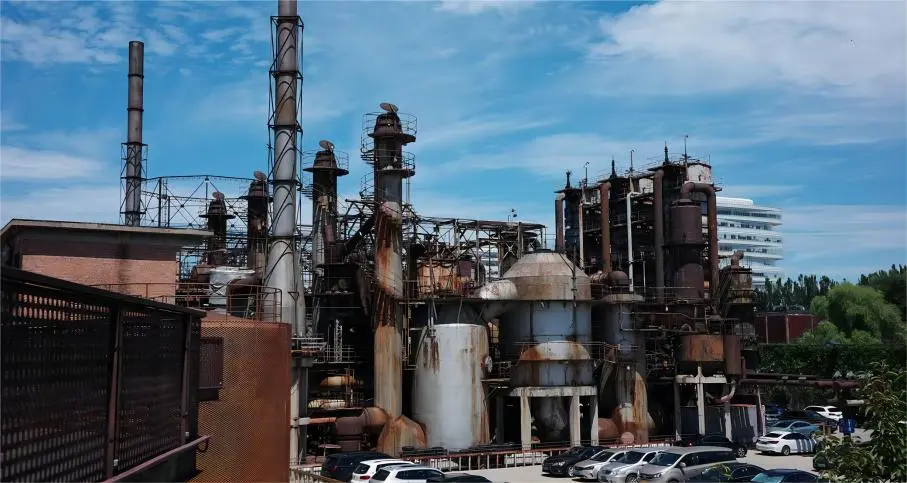
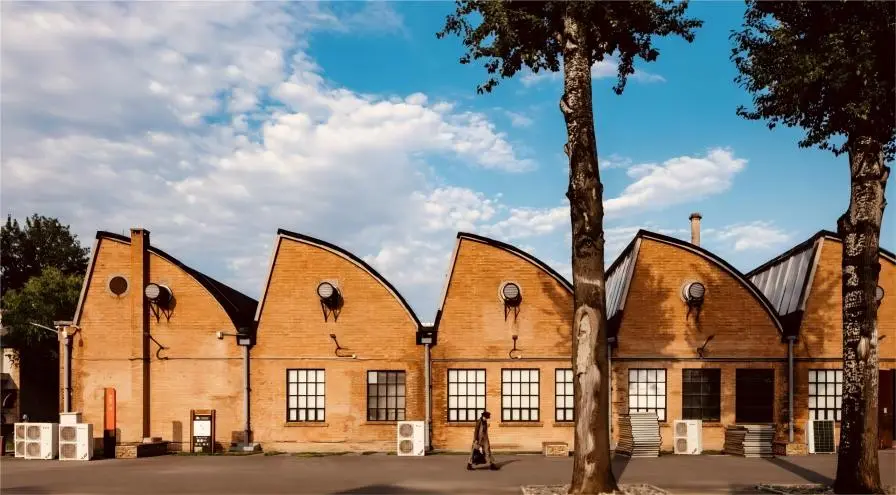
In the 1950s, the PRC built the “718 Joint Factory” in Beijing’s suburbs, with Factory 798 producing electronic components. Designed by East Germany, it featured Bauhaus-style sawtooth buildings, chimneys, and pipes. At its peak, thousands of workers produced China’s first vacuum tube computer. After 2000, production ceased and the site was abandoned.
Artistic Rebirth: A Creative Revolution on the Ruins
In 2002, artist Huang Rui discovered the abandoned factories and, with fellow artists, transformed them into studios and galleries. The raw walls, rust, and vaulted ceilings contrasted with contemporary art, creating a unique atmosphere. By 2003, the Beijing 798 Art Zone officially emerged as a hub blending industrial heritage with modern art.
Cultural Codes: A Trio of Art, History, and Life
798’s allure lies in its ability to blur the lines between art and life, integrating industrial memory, contemporary creation, and the bustle of everyday existence.
Architectural Aesthetics: A Dialogue Between Bauhaus and Eastern Narrative
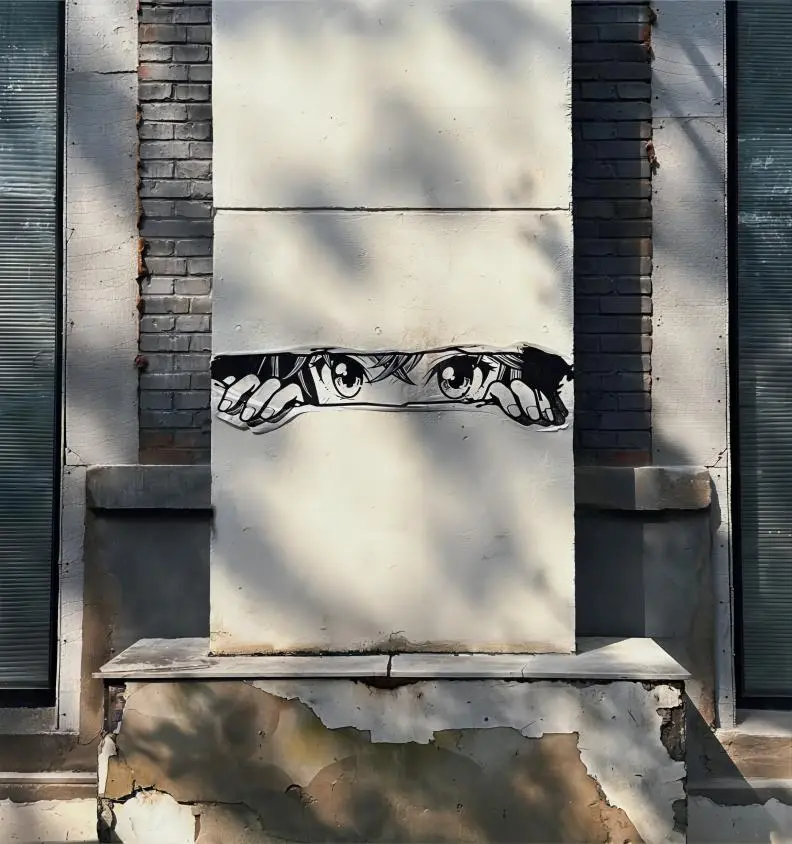
The buildings retain East German Bauhaus elements: geometric lines, modular structures, and large windows. Artists revitalized them with graffiti, installations, and repurposed machinery, turning the industrial space itself into art.
Artistic Ecosystem: From Avant-Garde Experiment to Public Spectacle
798 hosts over 200 galleries, including Ullens Center for Contemporary Art (UCCA), displaying works from renowned and emerging artists. Annual festivals and biennials make it a leading contemporary art hub in Asia.
Lifestyle Fusion: The Perfect Blend of Art and Coffee
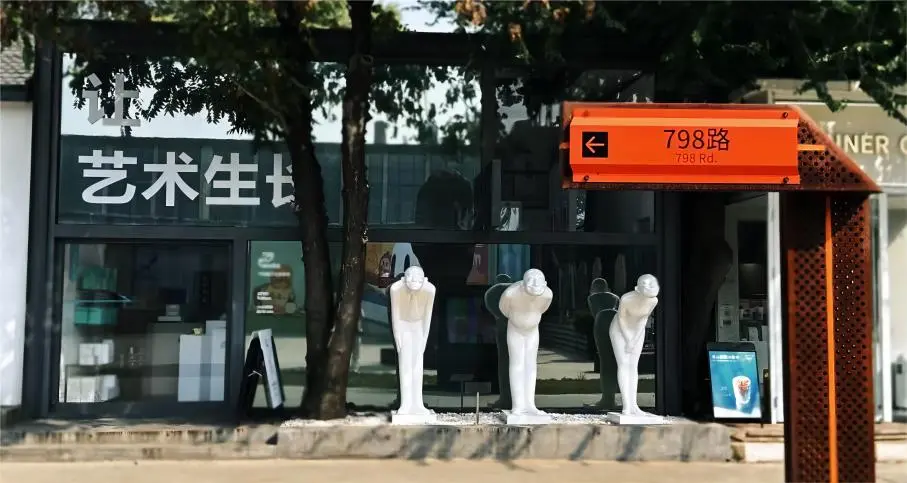
Art in 798 extends beyond galleries into cafes, shops, and public spaces. Repurposed objects and interactive designs create a vibrant, immersive experience, making 798 a creative home for artists and visitors alike.
Classic Experiences: An Immersive Art Journey
Must-See Exhibitions: Dialogue with Masters
- UCCA Center for Contemporary Art: Permanently exhibits works by international masters like Cai Guo-Qiang and Yayoi Kusama, and hosts regular special exhibitions (such as the 2023 “Matisse by Matisse” show, which drew global queues).
- Pace Beijing: Known for large-scale installation art, it has exhibited teamLab’s immersive light and shadow works, demonstrating a stunning fusion of technology and art.
Art Walk: Discovering Hidden Surprises
- The Graffiti Streets: The alleys of 798 hide countless graffiti pieces, ranging from political satire to abstract expression—each one an artist’s “street diary.”
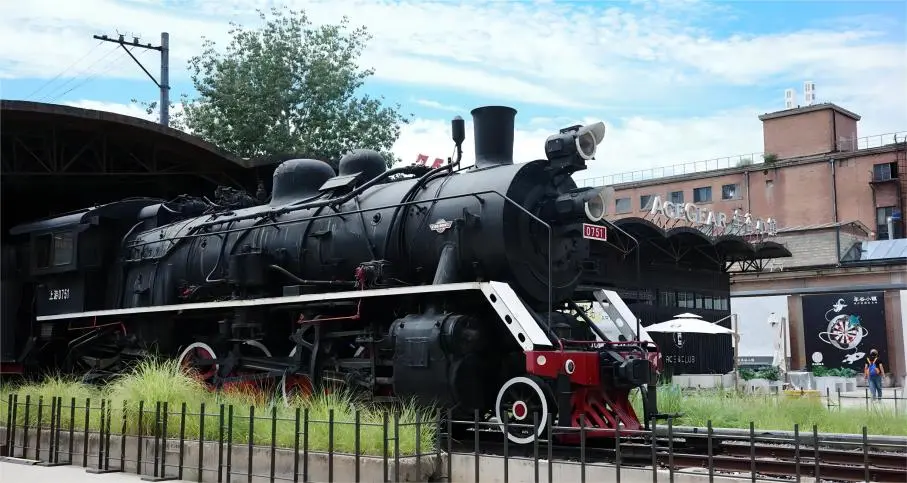
- Locomotive Square: A retired steam locomotive has been converted into a cafe. Sipping coffee inside the train carriage feels like stepping back into the industrial era.
- Creative Market: Every weekend, the main square transforms into a creative market where independent designers sell handmade accessories, art derivatives, and vintage clothing. Be sure to pick up a unique item as a travel souvenir.
Visiting the 798 Art Zone: Tickets, Hours & Transport
- Admission: Most galleries are free; some special exhibitions require tickets (approx. ¥50–¥150).
- Opening Hours: Galleries and institutions typically operate from 10:00 AM–6:00 PM (Closed Mondays). Markets and cafes are open later.
- Transportation: Take Subway Line 14 to Wangjing South Station (Exit B) and walk 15 minutes; or take a taxi to “798 Art Zone South Gate.”
Beijing’s 798 Art Zone is a co-existence of industry and art, a dialogue between history and the future. Here, every wall tells a story, and every artwork challenges perception. If you crave a truly unconventional art experience, come here and let creativity ignite your senses. Want to discover more wonders around Beijing? Check out our guide to Top Attractions in Beijing.