Chongyang Festival Foods in Beijing: Peering Into the Distance of the “Longevity Code” from Hutongs
The Grand Opening: When Cornel Scent Fills the Capital and Chongyang Festival Foods Crowns Longevity
Every year on the ninth day of the ninth lunar month, when Beijing’s ginkgo leaves turn their first autumn gold, the city immerses itself in the poetic charm of the Double Ninth Festival (Chongyang Festival). Rooted in the I Ching, the number nine symbolizes peak yang energy. This festival is perfect for hiking, admiring chrysanthemums, and savoring Chongyang Festival foods that celebrates longevity and family traditions.
From the scent of chrysanthemum wine drifting through the hutongs to steam rising from freshly made Chongyang Cakes, Beijingers interpret the philosophy of lao wu lao yi ji ren zhi lao—caring for elders in their family and beyond—in the most heartfelt way. Today, let’s become “Chongyang Food Detectives” to uncover the cultural meaning and production secrets of Beijing’s festive foods and explore a North–South culinary showdown of “Longevity Flavors.”

I. The Cultural Code: Eastern Wellness Philosophy in Chongyang Festival Foods
The culinary traditions of the Double Ninth Festival reflect the Chinese belief in the unity of humans and nature. Because the number nine (jiu) sounds like “long-lasting,” the double nine of the ninth lunar month is considered highly auspicious. The festival’s celebrated “Chongyang Three Treasures”—Chongyang Cake, Chrysanthemum Wine, and Mutton Noodles—are central to Chongyang Festival foods and symbolize health and longevity.
In Beijing, these customs are embedded in daily life. Pastry masters begin steaming nine-layer Chongyang Cakes before sunrise; elders carry brass pots of freshly brewed chrysanthemum wine; and even a bowl of mutton noodles is slow-simmered with over twenty medicinal herbs. Each dish carries centuries of wellness wisdom and reflects the essence of Chongyang Festival foods.
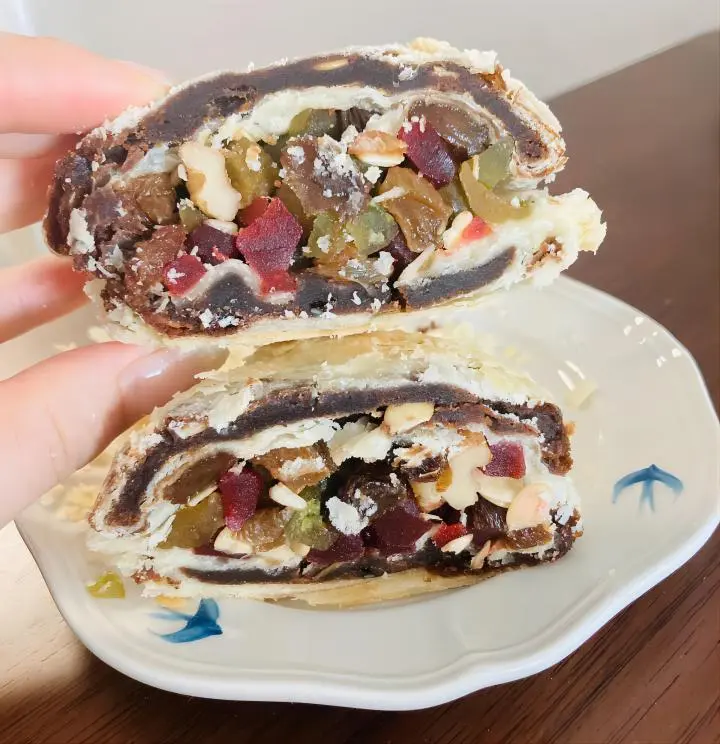
Chongyang Cake (Chongyang Gao) — Simple Home Recipe
- Ingredients: 300g glutinous rice flour, 200g regular rice flour, 200g red bean paste, 50g sugar, dried osmanthus/goji berries/red dates.
- Method: Combine the flours and sugar, adding water until sandy granules form.
- Line a mold with gauze, then layer: flour → bean paste → repeat.
- Decorate with dried fruits and steam for 40 minutes.
- Traditional Tip: Beijing laozihao add walnuts to symbolize harmony and prosperity (hé qì shēng cái), making this an iconic part of Chongyang Festival foods.
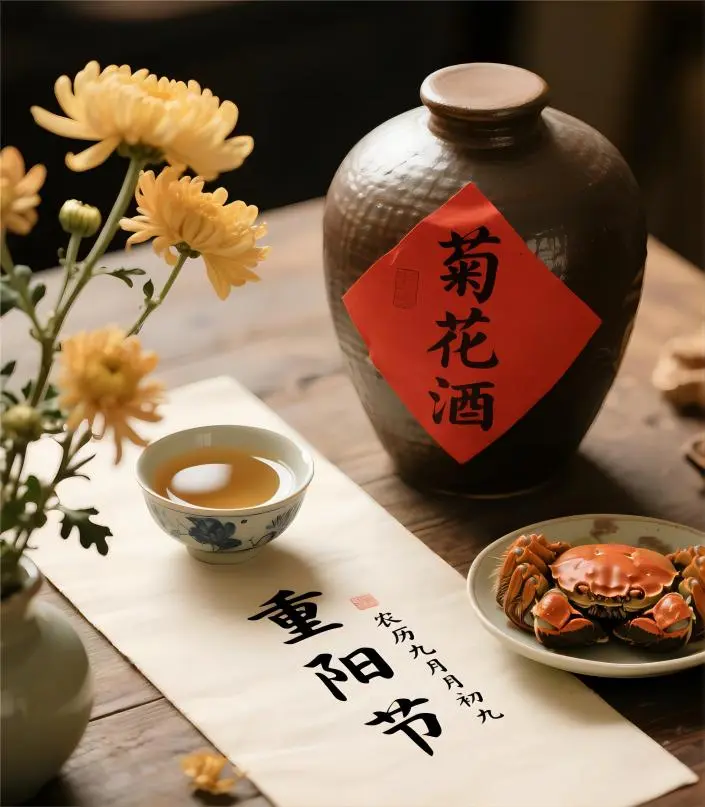
Chrysanthemum Wine (Juhua Jiu) — Simple Home Infusion
- Combine 50g dried chrysanthemums + 500ml baijiu + 50g rock sugar. Seal and infuse for 15 days.
- Locals in Beijing prefer Huai Chrysanthemums, a medicinal herb from Fangshan district. This fragrant drink is a must-try among Chongyang Festival foods.
II. North–South Showdown: The Geographic Code of Longevity Flavor
When Beijing’s steamed Chongyang Cake meets the South’s Chrysanthemum Crisps, or Northern Mutton Noodles confront Jiangnan Crab Feasts, the result is a lively debate on regional interpretations of Chongyang Festival foods.
| Faction | Representative Dish | Beijing Style | Southern Variant | Cultural Insight |
|---|---|---|---|---|
| Pastries | Chongyang Cake | Nine-layer, walnut-filled | Jiangnan Chrysanthemum Crisp / Fujian Chestnut Cake | North favors steaming, South favors baking/frying |
| Beverages | Chrysanthemum Wine | Huai Chrysanthemum + Erguotou | Hangzhou Osmanthus Wine / Guangdong Rice Wine | Beijing’s is amber, Southern styles are golden |
| Staple | Mutton Hún Miàn | Based on Beijing Zhajiang flavors | Jiangnan Crab Noodles / Cantonese Longevity Noodles | North values warmth & nourishment, South values fresh seasonal produce |
Beijing Hidden Gem: In Mentougou, locals say: “Eat flower cake on Chongyang, and you won’t slip while climbing.” They still make Golden Chrysanthemum Cake from wild mountain blooms—a unique highlight of Chongyang Festival foods.
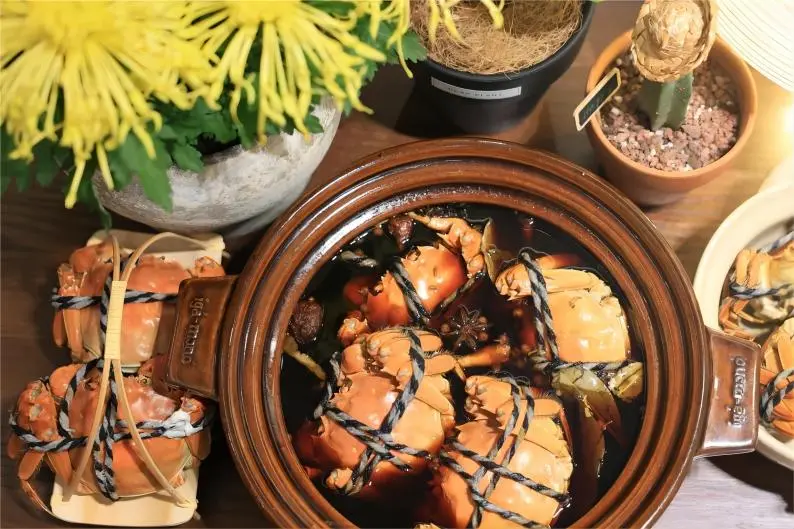
III. Gourmet Map: The Beijing Chongyang Festival Foods Checklist
1. Huguosi Snack Shop (Main Store) — The “Forbidden City” of Chongyang Cakes
- Must-Try: Nine-Layer Chongyang Cake (¥18)
- Access: 3-minute walk from Ping’anli Station, Line 4 (Exit B)
- Experience: Buy a slice and get a hand-written “Longevity” (Shòu) blessing card.
- Tip: Only 200 slices daily—visit before 10 a.m.

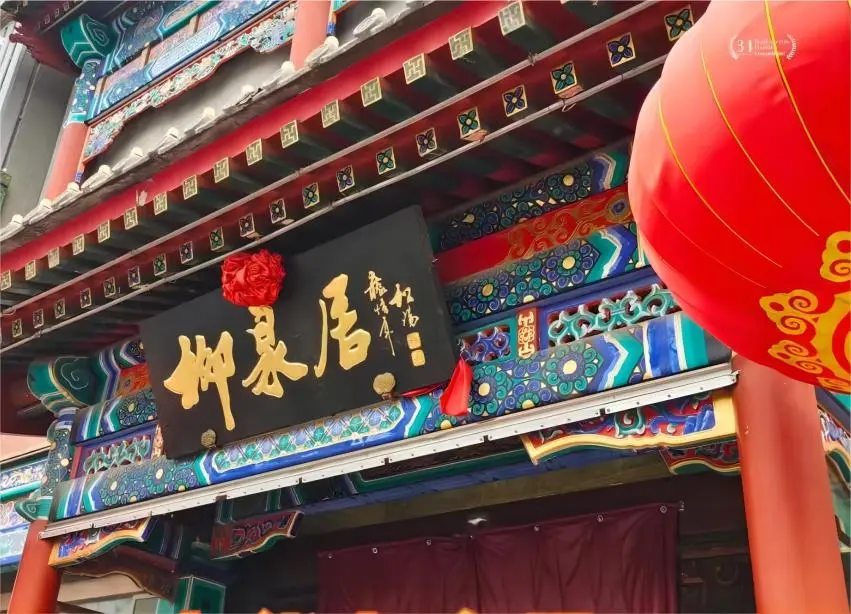
2. Liuquanju (400-Year-Old Brand) — The Capital’s Taste of Autumn
- Must-Try: House-brewed Chrysanthemum Wine (¥38) + Chrysanthemum Fish (¥68)
- Access: No. 178 Xinjiekou South Street, near Jishuitan Station, Line 2
- Fun Fact: Keep your receipt to redeem a DIY cornel (zhuyu) sachet kit.
- Booking: Chongyang Feast Set on Dazhong Dianping (¥298/2 people).
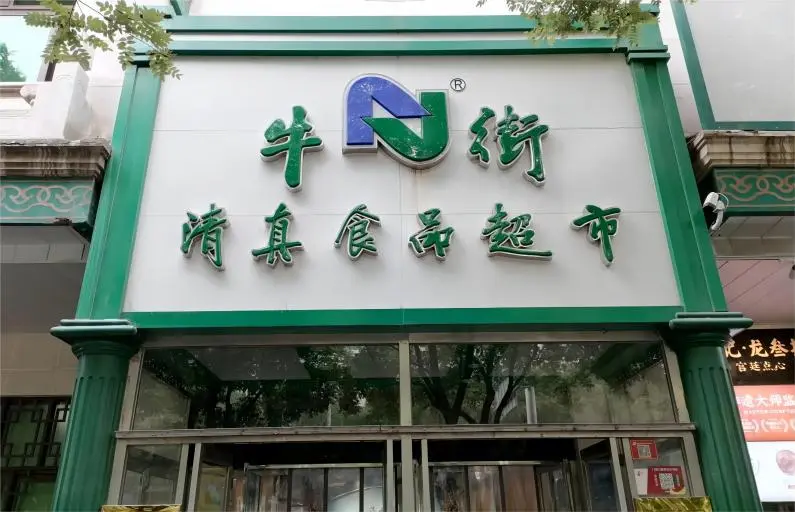
3. Niujie Halal Supermarket — A Pilgrimage Site for Mutton Noodles
- Must-Try: Halal Mutton Hún Miàn (¥25)
- Access: Directly connected to Guang’anmen Nei Station, Line 7 (Exit C)
- Nearby: Walk 5 minutes to Niujie Mosque for cultural exploration.
- Tip: Choose noodle thickness “Er Xi” (medium-thin) for perfect broth absorption.
IV. National Chongyang Culinary Tour (Cross-Regional Picks)
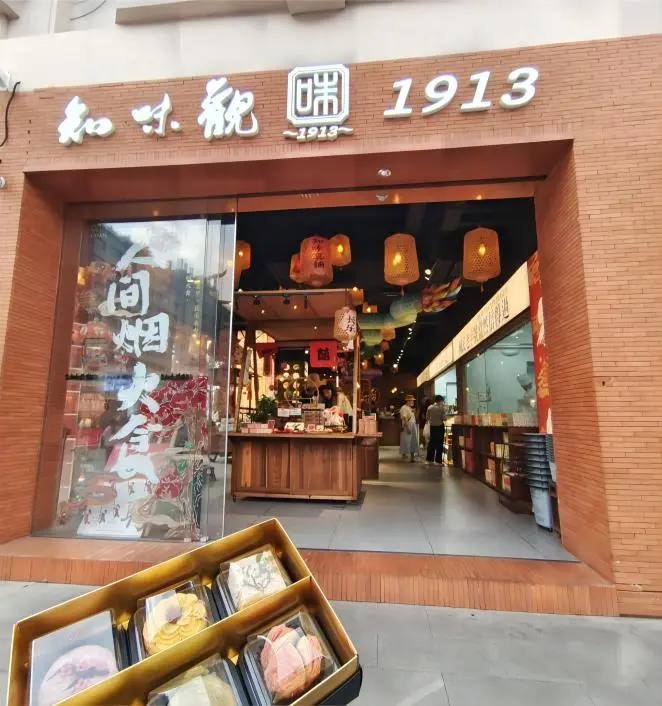
4. Hangzhou · Zhiweiguan (Jiangnan Representative)
- Must-Try: Chrysanthemum Crisp Box (¥45)
- Access: No. 83 Renhe Road, near Longxiangqiao Station, Line 1
- Bonus: Postcards featuring Ten Scenes of West Lake included with some purchases.
5. Guangzhou · Panxi Restaurant (Cantonese Innovation)
- Must-Try: Crab Roe & Chrysanthemum Broth (¥88)
- Access: No. 151 Longjin West Road, near Zhongshan 8th Station, Line 5
- Tip: Book 3 days ahead; pair with aged tangerine peel tea.
6. Xi’an · Laomijia Dayu Paomo (Northwest Flavors)
- Must-Try: Mutton Paomo + Chongyang Sweet Garlic (¥35)
- Access: No. 127 Xiyang Street, near Zhonglou Station, Line 2
- Experience: Join a paomo-tearing contest to win festival-themed souvenirs.
Conclusion: Climb High, Eat Well, and Celebrate Longevity Wherever You Go
From Beijing’s fragrant hutongs to the golden shores of West Lake, every Chongyang flavor carries blessings of health and long life. If you travel in China during this festival, savor seasonal foods, join a mountain-climbing event, and let these dishes guide you into the warmth of Chinese tradition. To dive deeper into Beijing’s real food culture, check out the full selection on our Beijing Local Food Trails page.
Practical Tips
- Chongyang usually falls in mid-to-late October—perfect for visiting Jingshan Park or Xiangshan Park.
- Most laozihao accept digital payments, but small stalls may still prefer cash.
- Choose individually wrapped pastries when traveling.
- Let every bite—whether a soft Chongyang Cake or a sip of chrysanthemum wine—be a taste of a thousand years of Chinese heritage.