The Beijing Confucius Temple & Guozijian: An Oriental Wisdom Journey
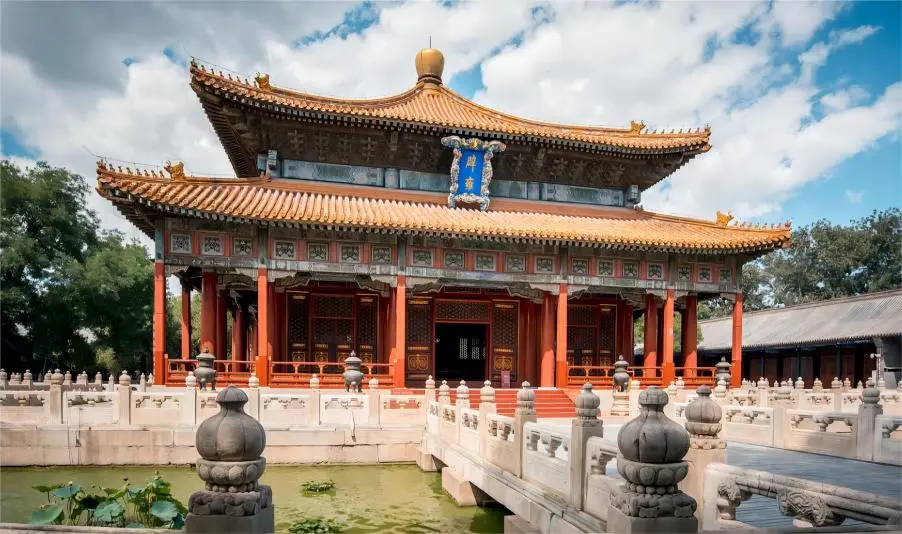
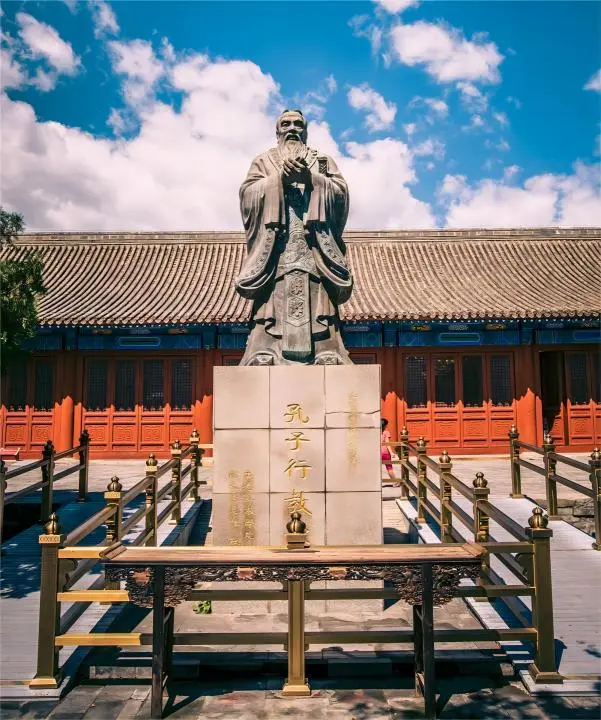
On Guozijian Street in Beijing’s Dongcheng District, two ancient complexes stand quietly: the Confucius Temple (Kong Miao) on the left, dedicated to Confucius, and the Guozijian (Imperial College), the highest educational institution of ancient China, on the right. Following the layout principle of “Temple on the Left, School on the Right,” these sites preserve over 700 years of history, offering a key to understanding Chinese education, culture, and governance. For visitors, this is more than architecture—it is a living museum of Confucian thought.
For more must-see sites, check our Beijing Tourist Attractions page.
I. The Confucius Temple: A Millennial Sanctuary
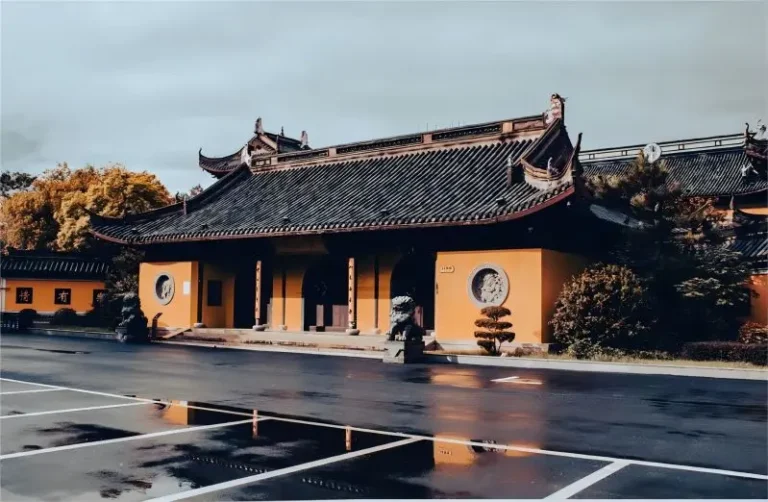
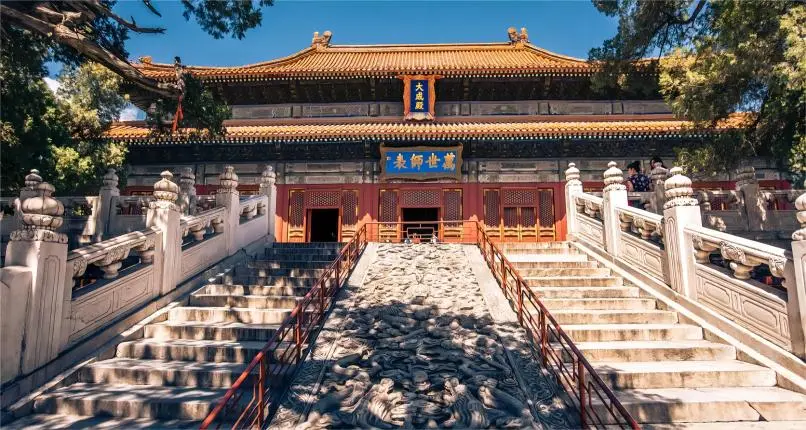
The Beijing Confucius Temple was built in 1302 during the Yuan Dynasty. Emperors of the Yuan, Ming, and Qing dynasties offered sacrifices to Confucius here. Its Hall of Great Accomplishment (Dacheng Dian), with yellow glazed tiles, symbolizes imperial respect for Confucian culture.
Highlights for Visitors:
- Global Influence: Confucianism shaped education across East Asia, including Japan, Korea, and Vietnam. The Inscribed Stelae of the Jinshi record 51,624 scholars, including international students.
- Imperial Examination System: The Keju exemplifies merit-based selection, akin to modern civil service exams. The Forest of Stelae preserves this “Oriental Talent Archive.”
II. Guozijian: The Ancient University City
Founded in 1306, Guozijian served as China’s highest academy and administrative center for education. It trained officials and facilitated cultural exchange. During the Ming Dynasty, students from Korea, Japan, and the Ryukyu Kingdom studied here; the Qing Dynasty added specialized schools for Mongolian and Hui students.
Must-See Architecture:
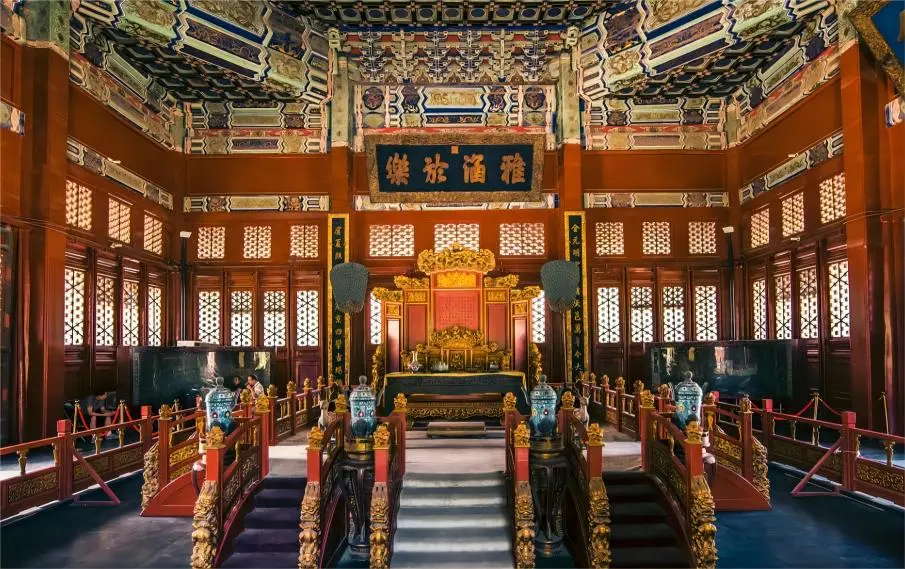
- Biyong Hall: A square hall surrounded by water, reflecting the philosophy of “round heaven, square earth.” Visitors can climb to see where emperors lectured.
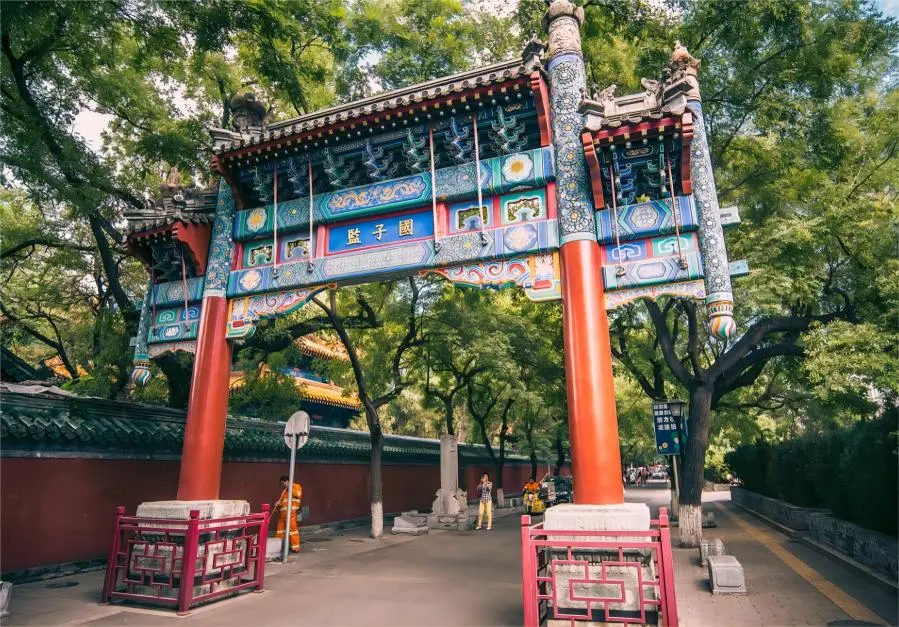
- Glazed Archway: The only archway in Beijing specifically built for education. Inscribed with Emperor Qianlong’s calligraphy “Huanqiao Jiaoze”, meaning “Education is like a bridge, benefiting all directions.”
III. A Dialogue Between East and West
- Imperial Exams & Modern Learning: The Exhibition of Ancient Chinese Imperial Examinations shows rosters (Huangbang) similar to modern graduation certificates. Essay questions resemble thesis formats today.
- Architectural Symmetry: The Confucius Temple’s layout and Guozijian’s axial design echo Western classical structures, offering a cross-cultural perspective.
IV. Visitor Tips
- Opening Hours: 9:00 AM–5:00 PM (last entry 4:30 PM), closed Mondays.
- Tickets: ¥30; students half-price. First 200 visitors on Wednesdays free with online reservation.
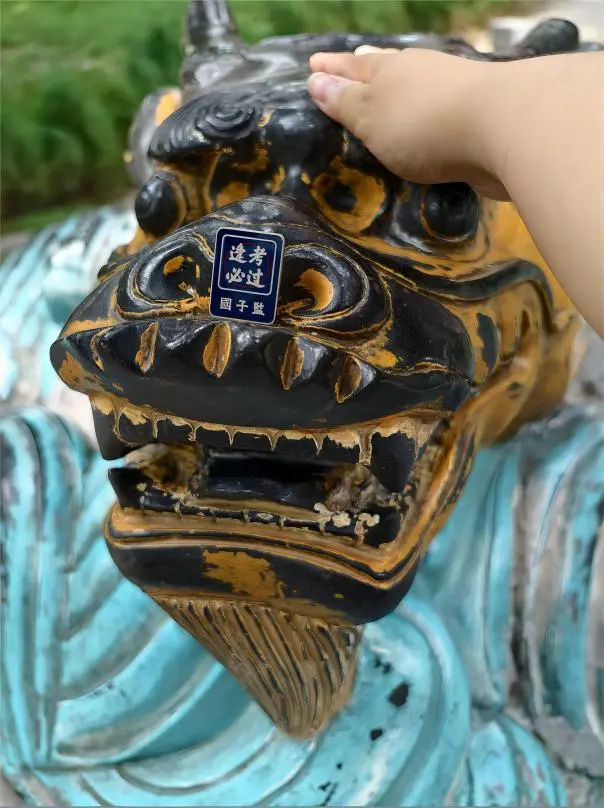
- Highlights: Hall of Great Accomplishment, Inscribed Stelae of the Jinshi, Biyong Hall, Glazed Archway. Don’t miss touching the “Solely Occupying the Turtle’s Head” sculpture for good academic luck.
- Cultural Experiences: Attend sacrificial ceremonies, try ink rubbings, or buy “Zhuangyuan Pens” and “Analects Bookmarks” at creative shops.
Conclusion
The Beijing Confucius Temple and Guozijian are living fossils of Oriental civilization and a “world cultural museum without walls.” Visitors can experience Confucian wisdom, witness millennia of educational tradition, and feel the dialogue between Eastern and Western civilizations. As the sunset gilds the temple roofs, it becomes clear that respect for knowledge and cultural tolerance are universal languages of humanity.