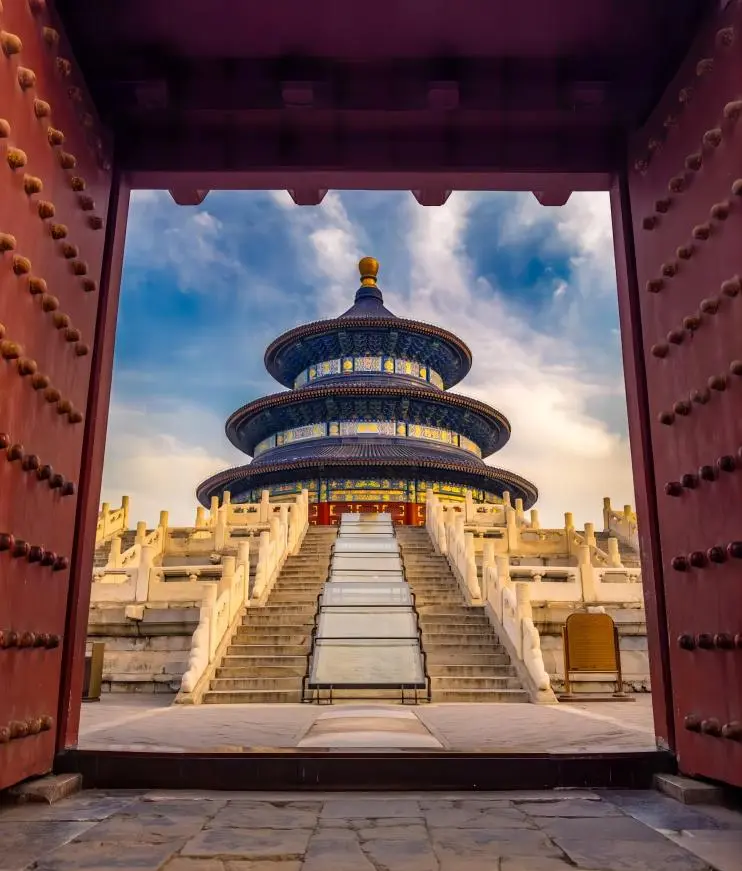
Temple of Heaven: Your Essential Guide to Beijing’s Sacred Landmark
When Maria from Portugal marvels at the colorful Hall of Prayer for Good Harvests, and Konstantin from Russia captures the perfect curve of the Circular Mound Altar, the Temple of Heaven is quietly telling its story. Built in 1420, this UNESCO World Heritage Site is more than a historical complex—it’s a living museum where emperors once prayed for good harvests, and today visitors from around the world come to experience China’s spiritual and cultural traditions.
I. Walking Through History: From Ming Emperors to Modern Travelers
The Temple of Heaven was built by Emperor Yongle, who also created the Forbidden City. Covering an area four times larger than the Forbidden City, this vast site was designed as the Emperor’s pathway to Heaven. Every winter solstice, the Emperor would walk along the Danbi Bridge to perform rituals at the Circular Mound Altar, praying for a prosperous year.
Later expanded by Emperor Qianlong, the Temple became the highest-level ceremonial space in imperial China. From its round altars and symbolic numbers to its carefully aligned halls, everything here reflects the ancient belief in the unity of Heaven and Earth.
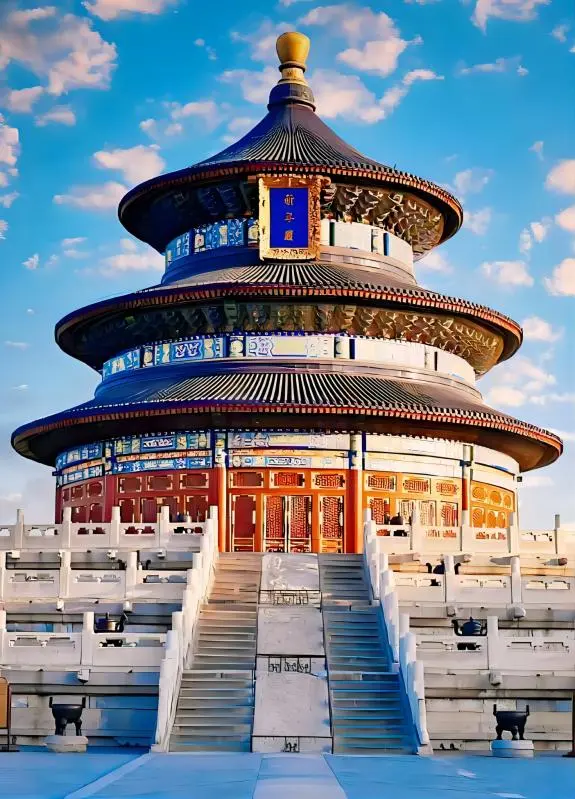
II. Architectural Marvels You Can’t Miss
Walking through the Temple of Heaven, you’ll find that every structure has meaning. Here are the highlights every visitor should experience:
- Hall of Prayer for Good Harvests (Qinian Dian): A stunning triple-roofed hall standing 38 meters tall with no nails or beams, built entirely using traditional mortise-and-tenon techniques. Its 28 golden pillars represent the cosmos, and sunlight filtering through the windows makes the dragons and stars painted on the columns glow.
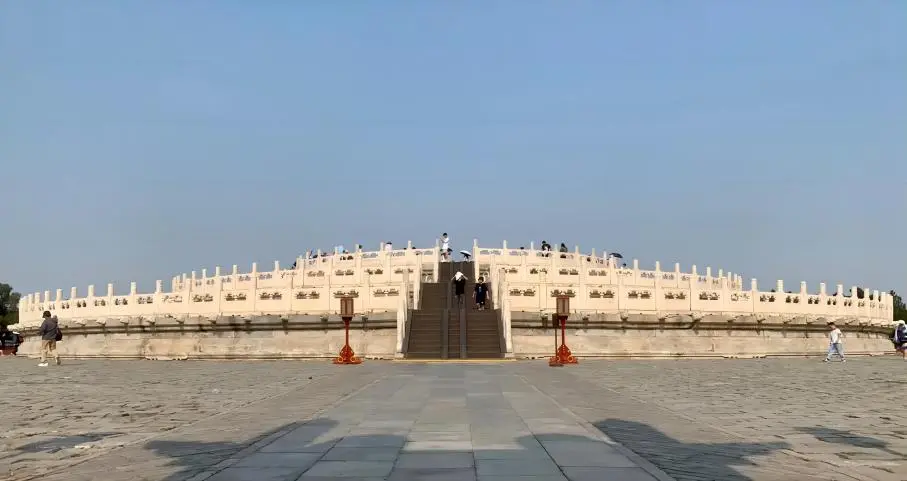
- Circular Mound Altar (Yuanqiu Tan): Stand on the Heavenly Heart Stone in the center and clap or speak—you’ll hear three echoes bounce back, symbolizing Heaven’s response.
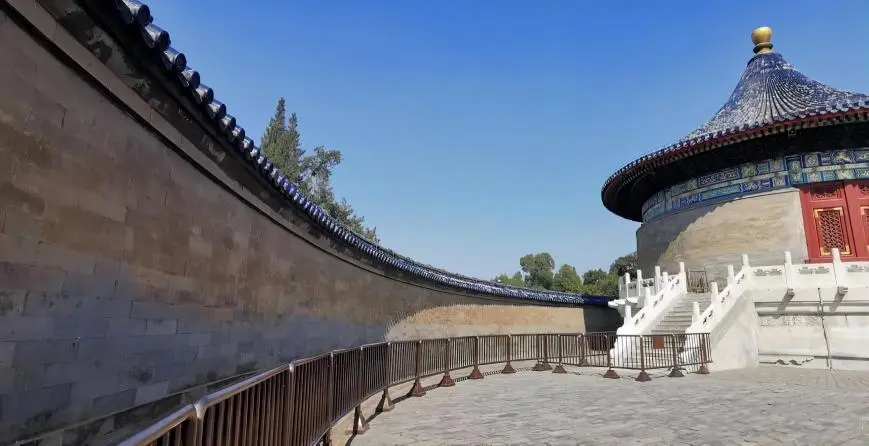
- Echo Wall: Whisper at one end of the Imperial Vault of Heaven’s circular wall, and your voice will travel all the way to the other side—an acoustic marvel that delights visitors.
- Ancient Cypress Trees: With over 3,500 cypresses, the park is also a natural heritage site. Look out for the Nine-Dragon Cypress, whose twisted trunk looks like dragons spiraling upward, and the General Cypress, which has stood guard for over 600 years.
III. Temple of Heaven Today: Where Culture Meets Daily Life
Unlike in imperial times, the Temple of Heaven is no longer reserved for emperors. Today, it is one of Beijing’s most vibrant cultural parks.
- Morning Life: At sunrise, locals gather under the ancient cypresses to practice Tai Chi, sword routines, and traditional music—a unique way to see Beijing life in motion.
- Afternoon Fun: Families and tourists test the Echo Wall or climb the Circular Mound Altar for the perfect photo spot.
- Evening Glow: As the sun sets, the blue tiles of the Hall of Prayer turn golden, while locals gather for square dancing in the open plazas.
The Temple also hosts festivals and cultural events, such as Dragon Boat Festival storytelling sessions or craft workshops. Souvenir shops sell items like Temple of Heaven sachets and rotating magnets, turning cultural symbols into everyday keepsakes.
IV. Travel Tips: How to Make the Most of Your Visit
- Best Time to Visit: Arrive at 6 AM to capture the Hall of Prayer without crowds. On the Winter Solstice at noon, sunlight perfectly aligns at the Circular Mound Altar—a magical experience.
- Hidden Gems: Enter through the North Gate to explore the Hall of Abstinence (Zhaigong), known as a “Mini Forbidden City.” It’s free and gives you a glimpse into the Emperor’s fasting rituals before ceremonies.
- Nearby Experience: After your visit, try the Temple of Heaven Lucky Feast near the West Gate. Their signature pastry shaped like the Hall of Prayer, paired with traditional Douzhi (mung bean milk), makes for a unique Beijing-style afternoon tea.
Conclusion: A Living Dialogue with the Divine
The Temple of Heaven is not just an ancient relic—it’s a place where history, architecture, and daily life come together. Whether you’re standing on the Heavenly Heart Stone, testing the Echo Wall, or simply watching locals practice Tai Chi, you’re participating in a tradition that has lasted for six centuries.
For any traveler exploring Beijing’s top tourist attractions, the Temple of Heaven is more than a stop on your itinerary—it’s an unforgettable dialogue between past and present.
If you want to explore more of Beijing’s imperial heritage, don’t miss the Forbidden City. Our detailed guide, “Decoding the Forbidden City: Your Ultimate Guide to Beijing’s Top Tourist Attractions,” walks you through the palace’s history, highlights, and travel tips—perfect for pairing with your Temple of Heaven visit.