Ming Shu Royal Tombs in Chengdu: A Hidden Ming Dynasty World You Shouldn’t Miss
If you’re looking for a unique, off-the-beaten-path attraction in Chengdu, the Ming Shu Royal Tombs deserve a top spot on your list. While most visitors flock to pandas and hotpot, few realize that Chengdu is also home to one of China’s most important Ming Dynasty princely tomb complexes—a rare chance to step directly into imperial history. A rare look into Ming Dynasty royalty beyond Beijing’s famous Ming Tombs.
This vast archaeological site reveals how the Ming royal family lived, ruled, and were honored after death. It’s atmospheric, quiet, historically rich, and incredibly photo-friendly—an ideal half-day trip for travelers who love culture and discovery.

I. The History: Chengdu’s Royal Past
The Ming Shu Royal Tombs were built for the Princes of Shu, descendants of the Ming Dynasty’s founding emperor, Zhu Yuanzhang. To strengthen control over China’s regions, Zhu divided the empire among his sons, granting Chengdu to his eleventh son, Zhu Chun, who became the first Prince of Shu.
For ten generations, Chengdu served as the political and cultural center of the Shu princely house—leaving behind a large group of royal tombs. These tombs are crucial for understanding:
- the Ming Dynasty princely system
- ancient burial architecture
- stone carving and decorative techniques
- cultural life in southwest China during the Ming era
Today, the site stands as one of Chengdu’s most significant historical attractions.
II. Highlights: What You’ll See Inside
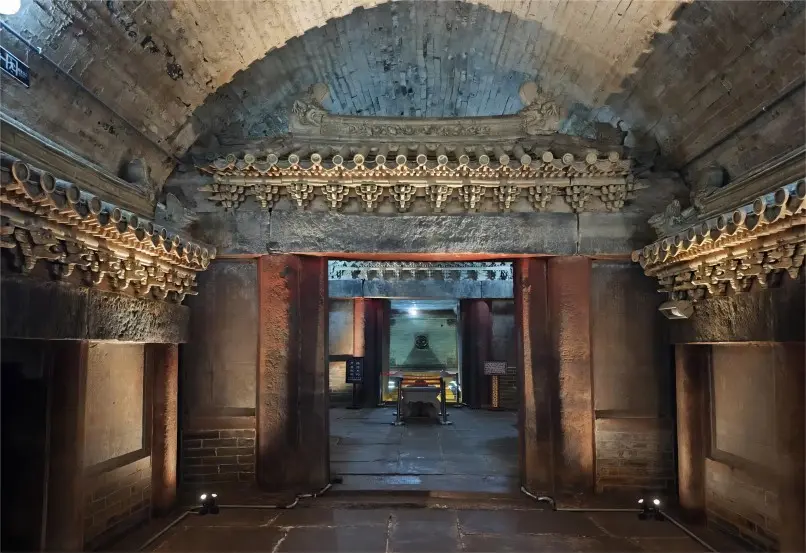
1. 👑 Xiwang Tomb — The Majestic Underground Palace
The Xiwang (Prince Xi) Tomb is the most impressive structure in the complex. Its underground palace is built in a style designed to imitate a traditional wooden courtyard (Siheyuan), carved entirely from blue-gray stone, giving it an ancient yet incredibly refined atmosphere.
Key highlights:
- A grand stone gate decorated with five-clawed dragons, symbols of imperial power
- Colorful glazed tiles and dougong bracket sets (rare for underground structures)
- A stunning double-dragon glazed plaque, inlaid into the main burial chamber wall
- Architectural details that show the prince’s status and his aspiration toward imperial ideals
If you enjoy photographing historical textures, pillars, carvings, and stone passages, this area is a treasure trove.
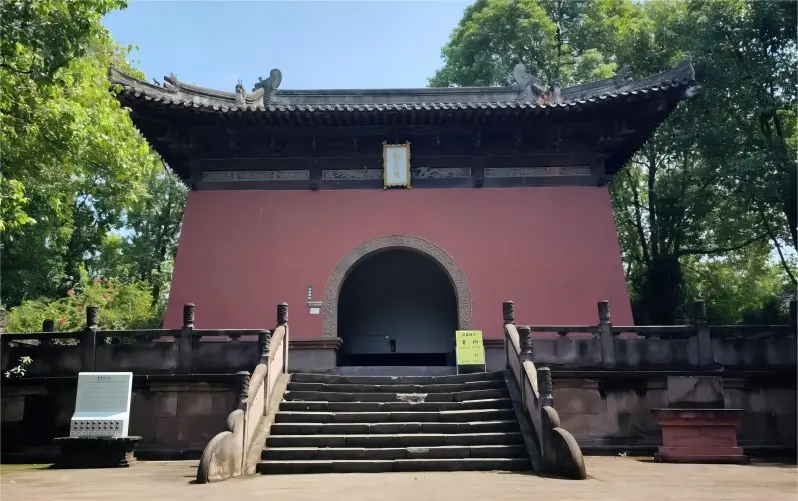
2. 💖 Zhaowang Tomb — A Love Story Carved in Stone
The Zhaowang (Prince Zhao) Tomb is famous for its romantic and symbolic design. It’s a joint burial for the Prince and his consort, featuring:
- A phoenix-patterned Sumeru base for Princess Liu
- A dragon-patterned base for Prince Zhao
- A narrow connecting passage known as the “Path of Longing” (Xiangsi Dao), symbolizing eternal companionship
One of the most intriguing relics here is the coiled dragon stone stele—a dragon body topped with a human head believed to resemble Emperor Zhu Yuanzhang. This blend of reverence and mystery makes the site particularly memorable.
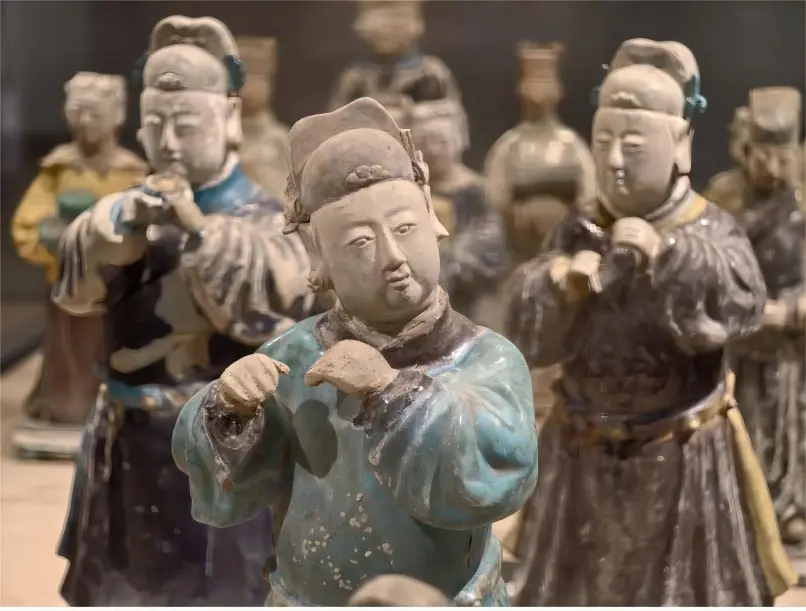
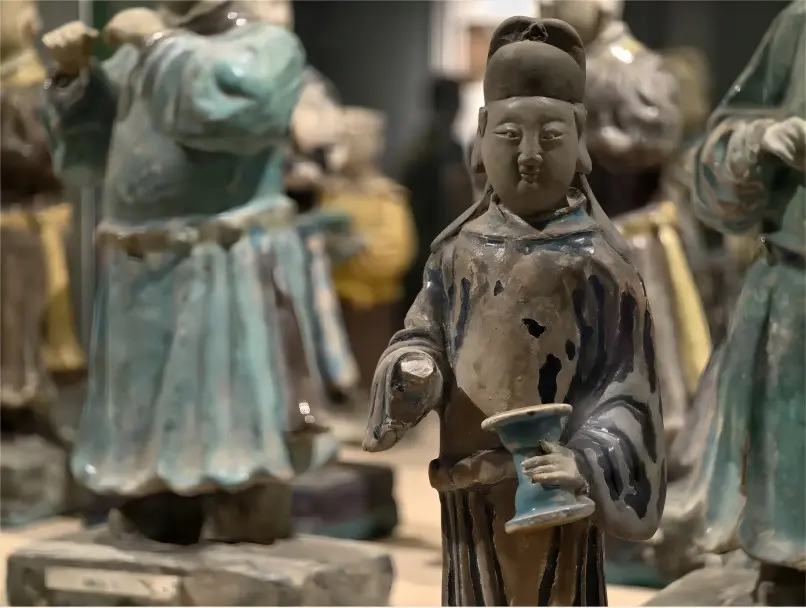
3. 🏺 Artifact Exhibition Hall — The Local “Terracotta Army”
The exhibition hall displays relics unearthed from the tombs, including:
- pottery figurines in large numbers (often called a “Chengdu Terracotta Army”)
- ceramics, bronze, and iron objects
- daily-use items reflecting Ming Dynasty lifestyle
These artifacts offer a vivid look at craftsmanship and social customs from 500 years ago.
III. Visitor Guide: How to Plan Your Trip
1. 🚌 How to Get There
By Metro:
Take Chengdu Metro Line 4 to Mingshuwangling Station and walk about 10–15 minutes.
By Bus:
Take buses 97, 219, or 80 to Chengdu University Station, then walk or bike to the site.
By Car:
From the Third Ring Road, exit at Shiling Interchange, then drive roughly 3 km along Chengluo Road.
2. 🎟️ Ticket Price
A single 12 RMB ticket covers:
- Prince Xi Tomb (Xiwang Tomb)
- Prince Zhao Tomb (Zhaowang Tomb)
- Artifact Exhibition Hall
3. ⏰ Opening Hours
- 9:00 AM – 5:00 PM (last ticket at 4:30 PM)
- Closed every Monday (or the first weekday after a major holiday)
4. ✨ Travel Tips
- Wear comfortable shoes—you’ll walk through underground chambers and a large park area.
- Photography is allowed, but please avoid touching the carvings.
- Spring and autumn are perfect for photos, with cherry blossoms or red maple leaves.
- After the visit, try nearby Sichuan restaurants for an authentic local meal.

IV. Is Ming Shu Royal Tombs Worth Visiting?
Yes—especially if you enjoy history, archaeology, or unique non-touristy places. The site is quiet, atmospheric, and very different from Chengdu’s mainstream attractions. Most travelers spend 1.5–2 hours here.
Ideal for:
- history lovers
- cultural travelers
- families with older kids
- anyone looking for a calm, meaningful experience
Furthermore, to explore more highlights of a Sichuan journey, don’t miss our page on Chengdu Tourist Attractions!