Chengdu Night Markets Series: Finding the Soul of the City
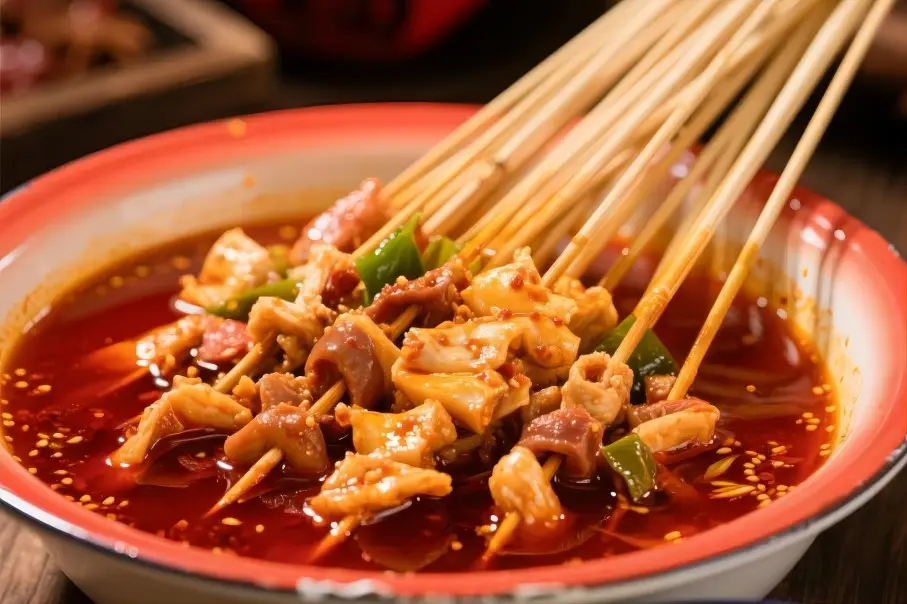
As twilight casts a golden glow on the Jinjiang River, the Chengdu Night Markets Series begins — a sensory journey where irresistible aromas fill the streets. Fiery chili oil, smoky grilled skewers, and freshly baked flatbreads mingle in the evening air, creating the city’s signature night market scent. With the friendly calls of vendors echoing between the stalls, Chengdu’s vibrant street food culture quietly awakens.
For travelers, a night market is more than just food — it’s a window into everyday Chengdu life. Every sizzling skewer tells a local story, and every bowl of noodles carries the warmth of the city.

🌆 What Makes Chengdu Night Markets Special
Chengdu’s night markets are not just about eating — they’re about connecting with the city’s rhythm. From locals chatting over late-night hotpot to students sharing spicy skewers after class, each market reflects a different side of Chengdu’s nightlife and street culture.
Whether you’re tasting your first mapo tofu or trying to master chopsticks over a bowl of dan dan noodles, the night markets offer an unforgettable immersion into the city’s food scene.
🗺️ Chengdu Night Markets Series Guide Overview
This Chengdu Night Markets Series takes you through the best night markets across the city — from historic alleys to student hangouts, from traditional charm to modern flavors.
Series Guide:
- A Blend of Old and New — Kuanzhai Alley & Kuixinglou Street
- The New Wave — Wangping Street & Xiangxiang Alley
- The Artistic Side — Yulin “Ghost Market”
- A Nightlife Legend — Jiuyanqiao Night Market
- Local Vibes — Jianshe Road & Fuqin Night Markets
- Student Paradise — Xipu & Liulangwan Night Markets
💡 Tip: Prices are approximate (1 USD ≈ 7.11 RMB). Popular areas may be slightly higher.

🍢 Chengdu Night Market Survival Guide
1. Choosing a Market
Every Chengdu night market offers its own mix of local classics — from spicy skewers to sweet treats. Two golden rules for first-timers:
- A long line usually means great food.
- Don’t try to visit every market in one night. Pick one or two that match your vibe and enjoy deeply.
2. Payment Tips
Mobile payment (WeChat Pay, Alipay) is widely accepted, but some small vendors still prefer cash. Bring around 100 RMB (~$14 USD) as a backup.
3. Controlling the Spice
Chengdu cuisine is famous for its fiery heat, but you can adjust it with a few key phrases:
- 微辣 (wēi là) – mild spicy
- 少辣 (shǎo là) – less spicy
- 不辣 (bù là) – not spicy
Too spicy? Cool down with a bowl of ice jelly (bīng fěn) or sour plum juice (suān méi tāng) — both Chengdu favorites.
4. Best Times to Visit
- Markets open around 6 PM, peak time is 8–10 PM
- Summer: Go later to avoid the heat
- Winter: Go earlier for warmth
- Weekends: Busiest
- Weekdays: More relaxed
5. Getting Around
The Chengdu Metro connects most markets easily (last train around 11 PM).
For late-night food adventures, Didi ride-hailing apps are reliable and affordable.
6. Cultural Tips
- Eating while standing or walking is part of the fun.
- Vendors are friendly; some speak basic English.
- Compliment their food with “hǎo chī!” (delicious!) — you’ll earn a big smile.
💫 The Warmth of Chengdu: A Final Thought
The Chengdu Night Markets Series celebrates more than food — it reveals the soul of Chengdu. From the lively streets near Chunxi Road to the timeless charm of Kuanzhai Alley, every market tells a story of local pride, flavor, and community.
You don’t need a fancy dinner reservation — just curiosity, an open stomach, and maybe a few napkins. In every sizzling skewer and steaming bowl, you’ll taste the warmth, humor, and hospitality that make Chengdu unforgettable.
Whether you explore one market or the entire series, these Chengdu night markets are your gateway to authentic street food, late-night adventures, and the truest flavor of the city.