Discover the Qiong Kiln Site in Chengdu: A Hidden Gem of Ancient Chinese Ceramics
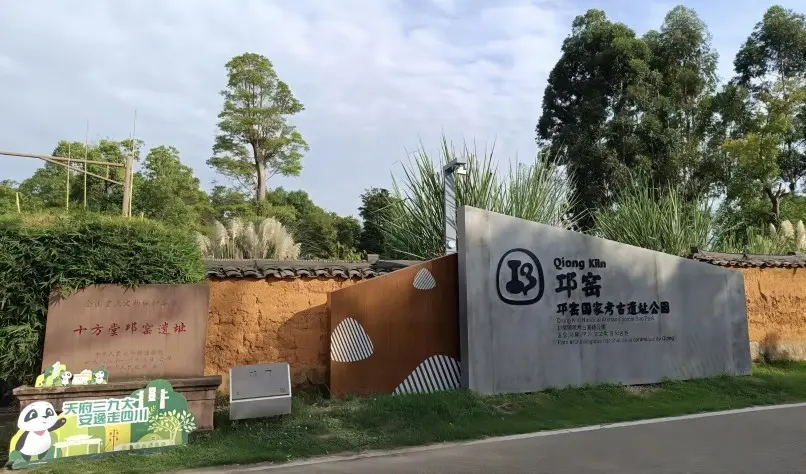
Chengdu is full of historic treasures, but the Qiong Kiln Site feels especially magical. It’s listed with Sanxingdui and Jinsha as one of Sichuan’s top archaeological parks—and once you arrive, you’ll understand why.
For travelers who love history or want to explore China beyond the usual spots, this site is a quiet window into the world of ancient art, trade, and craftsmanship.
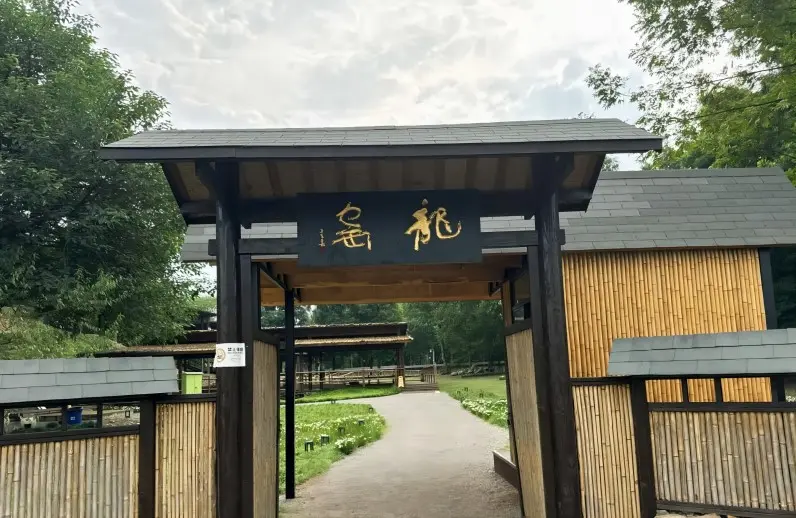
I. History of the Qiong Kiln Site: A Thousand Years of Colored Ceramics
The Qiong Kiln dates back to the Southern Dynasties and thrived through the Sui, Tang, Five Dynasties, and Song periods—over 800 years of ceramic production. It became one of China’s most enduring kilns, famous for its forms and colors.
Its signature technique? Underglaze colored painting—a skill that reached its peak in the Tang Dynasty, long before the well-known Changsha Kiln. This is why many call Qiong Kiln the birthplace of Chinese colored ceramics.
Ceramics from here once traveled across China and overseas. It’s fun to imagine ancient ships carrying these colorful pieces to distant markets—an early cultural exchange linking East and West.
II. Qiong Kiln Site Highlights: Top Attractions and Experiences
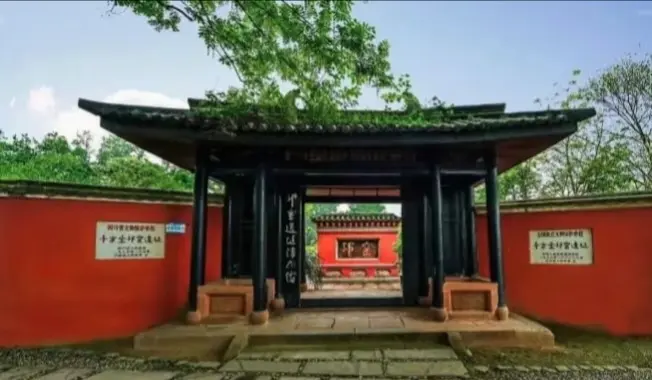
1. Shifangtang Area at the Qiong Kiln Site: Dragon Kiln and Kiln Mounds
This is the heart of the site. You’ll find 14 kiln mounds and a large Tang-era residential zone where tens of thousands of artifacts were uncovered.
Walking through, you may see ceramic fragments underfoot—tiny traces of everyday life from centuries ago.
Don’t miss the 42-meter Dragon Kiln ruin. It stretches across the hillside like a sleeping dragon, showing how massive and advanced the ancient firing techniques once were.
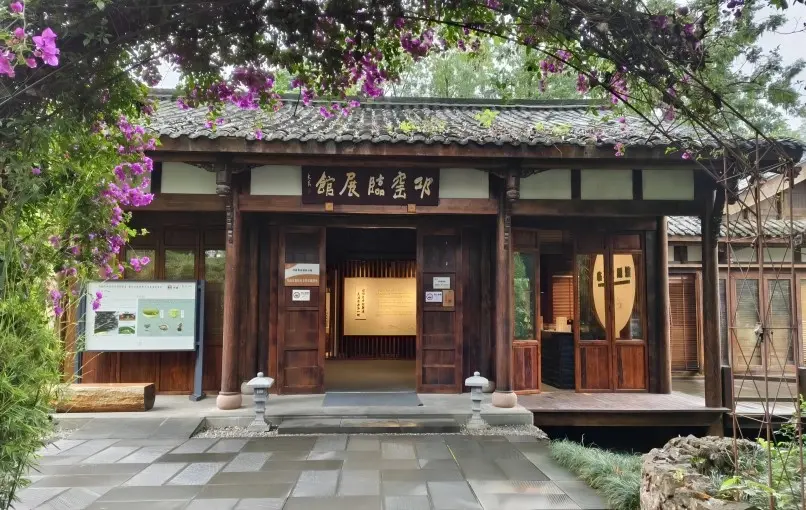
2. Qiong Kiln Site Museum: Tang Dynasty Ceramics Up Close
The museum is compact but rich, filled with beautiful relics:
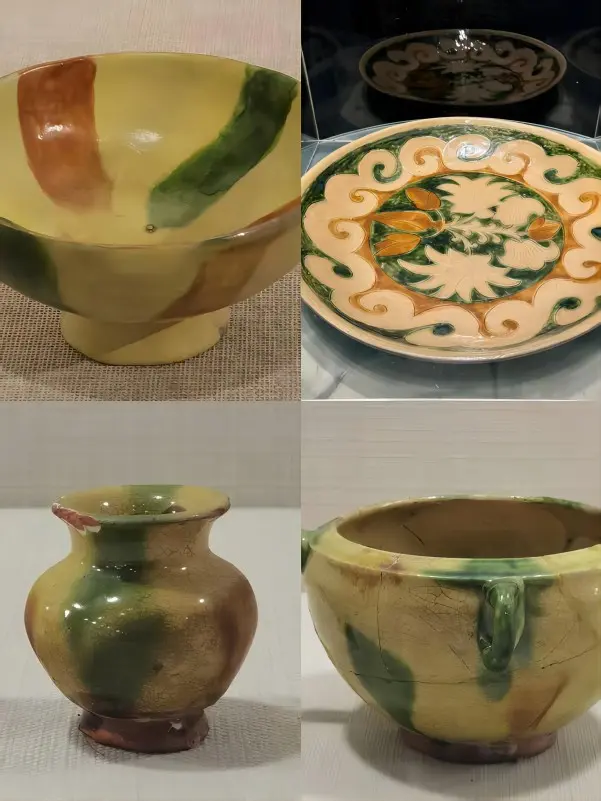
- Qiong Sancai (Three-Color Ware) – Bright, bold, and very “Tang Dynasty” in personality.
- Oil-Saving Lamp – A clever, double-layer design that helped people conserve fuel.
You can view these pieces up close and appreciate the creativity of early ceramic artists.
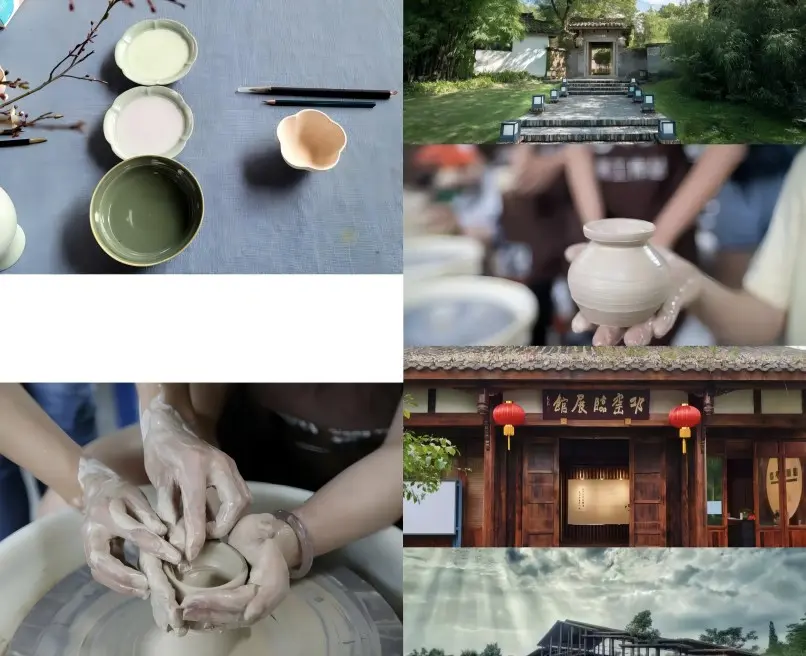
3. Pottery Workshop at Qiong Kiln Site: Hands-On Ceramic Fun
If you love hands-on travel, join a pottery workshop. You’ll shape clay, try traditional techniques, and make your own souvenir. It’s a simple but memorable way to connect with the past.
4. Cultural Fusion at Qiong Kiln Site: Container Zone & Tibetan-Qiang Museum
This area adds a modern and cultural twist:
- The Container Creative Zone blends ceramic themes with trendy designs.
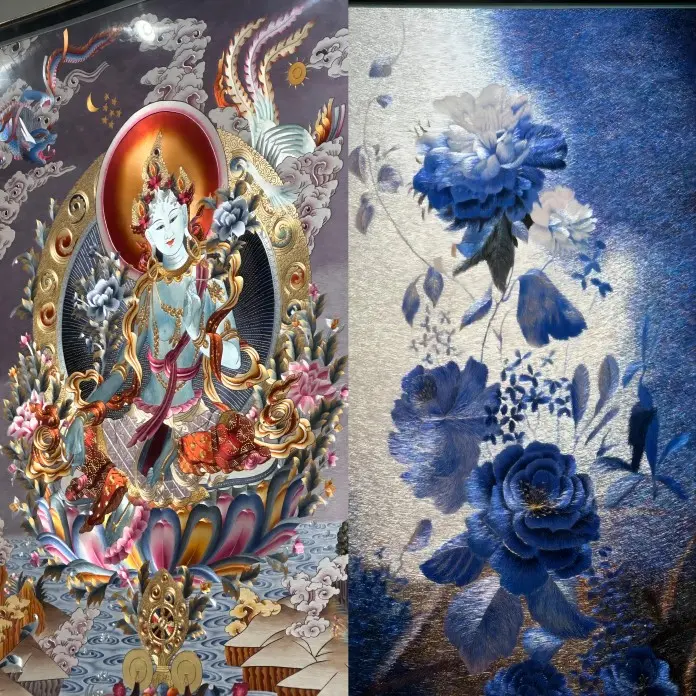
- The Huazhen Tibetan-Qiang Cultural Museum displays stunning Qiang embroidery by Yang Huazhen, a national intangible heritage inheritor.
It’s a great stop if you enjoy folk culture or unique handmade crafts.
III. Visitor Guide: Planning Your Trip
🚗 Getting There
- By car: About 1.5 hours from downtown Chengdu via the Chengwenqiong Expressway.
- By public transport: Train to Qionglai Station, then taxi or local buses (3A/3B/1). The trip takes longer but offers a glimpse of local life.
🎟️ Tickets
Entry is free, though workshops cost extra.
⏰ Opening Hours
Daily 9:00–17:00 (last entry 16:30).
✨ Travel Tips
- Wear comfortable shoes—there’s walking and hands-on work.
- Don’t touch artifacts.
- Try local Sichuan food and Qiong Wine nearby.
The Qiong Kiln Site is more than ruins—it’s a quiet conversation with history. Whether you’re into archaeology, pottery, or unique cultural experiences, this hidden gem offers a rewarding day trip from Chengdu. Furthermore, to explore more highlights of a Sichuan journey, don’t miss our page on Chengdu Tourist Attractions!