Exploring Tiantai Mountain Chengdu: A Calm Escape of Forests, Waterfalls & Fireflies
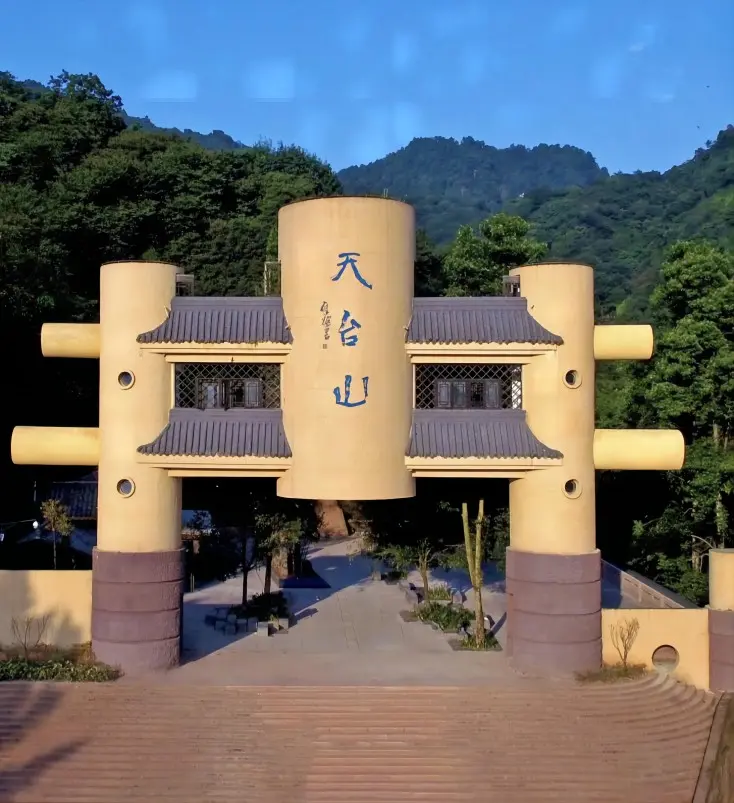
Hidden in the Qionglai Mountains about 110 km from Chengdu, Tiantai Mountain (Tiantaishan) is a place where deep forests, ancient temples, clear rivers, and firefly-filled nights come together. It’s part of a UNESCO World Natural Heritage site and a core habitat for the Sichuan Giant Panda—making it one of the most rewarding nature trips you can take from Chengdu.
If you’re looking for an easy-to-plan getaway with waterfalls, hiking trails, village flavors, and a touch of history, this Chengdu Tiantaishan travel guide walks you through everything you need.
I. Natural Highlights: Forests, Waterfalls & Fireflies
1. A Mountain of Layers
Tiantai Mountain is built like a giant natural staircase, rising from 800 meters to its 1,812-meter peak. Hikers pass through three terraces, each with its own scenery—tall granite rocks, deep valleys, and broad riverbeds shaped over millions of years.
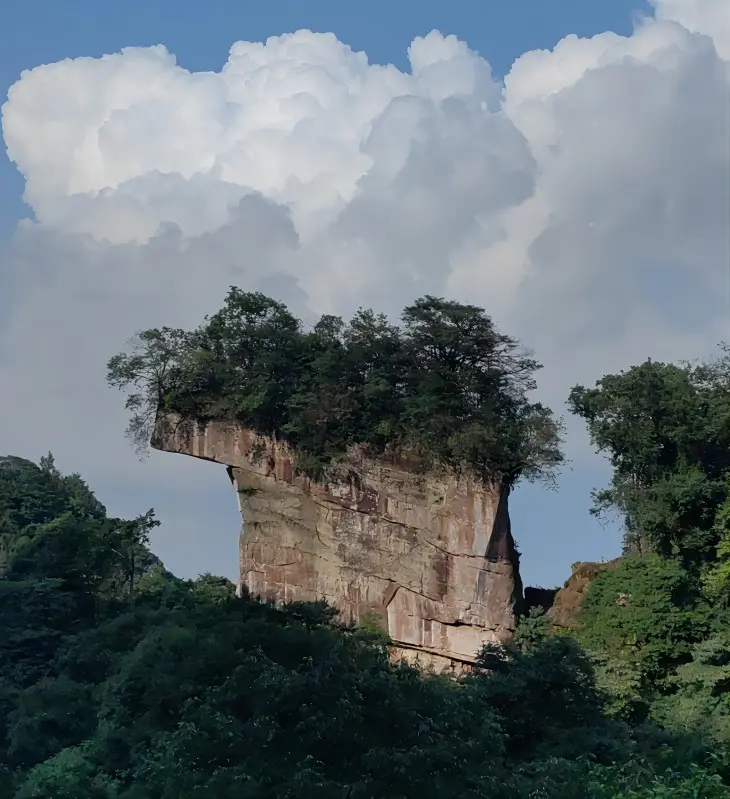
Famous formations like Upside-Down Boot Stone and Celestial Shuttle Stone are easy photo stops along the trail.
2. Waterfalls & Mountain Streams
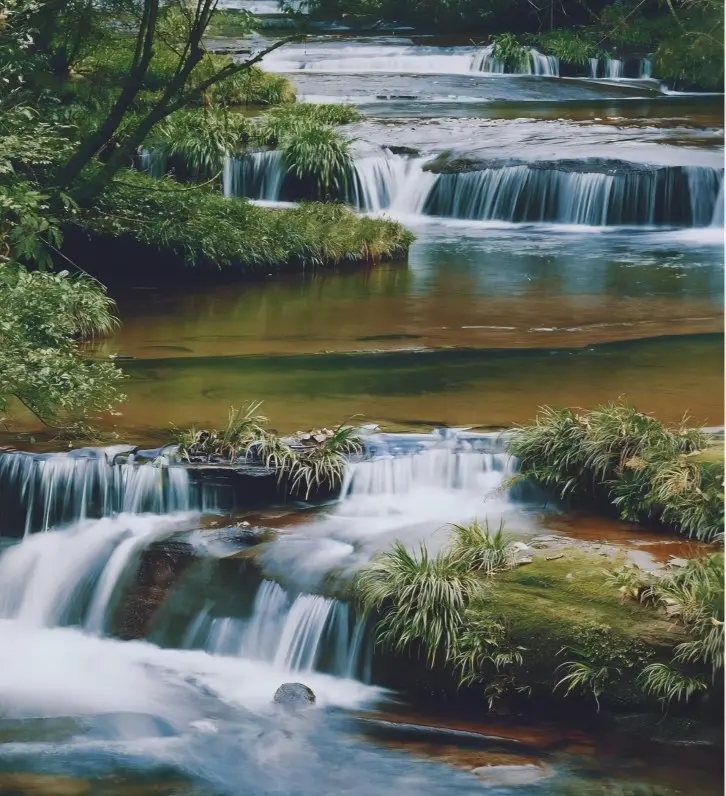
Water is everywhere here—shoals, cascades, stone pools, and long stream corridors.
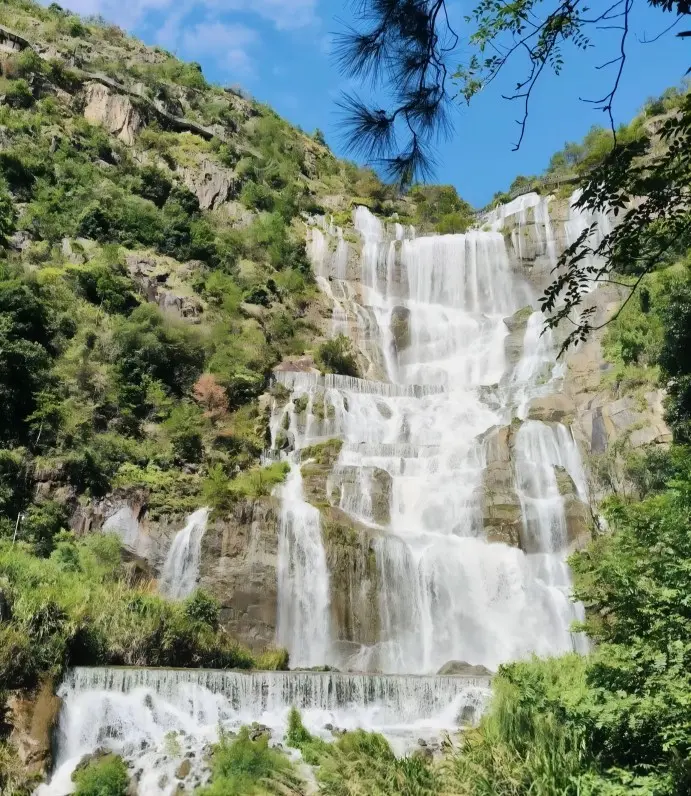
- Rainbow Waterfall: A dramatic 200-meter drop where mist often creates a real rainbow on sunny days.
- Eighteen-Mile Herb Stream: A fun section with rafting, stream tracing, and shaded walkways. Many travelers call it “China’s most relaxing canyon walk.”
3. A Biodiversity Hotspot
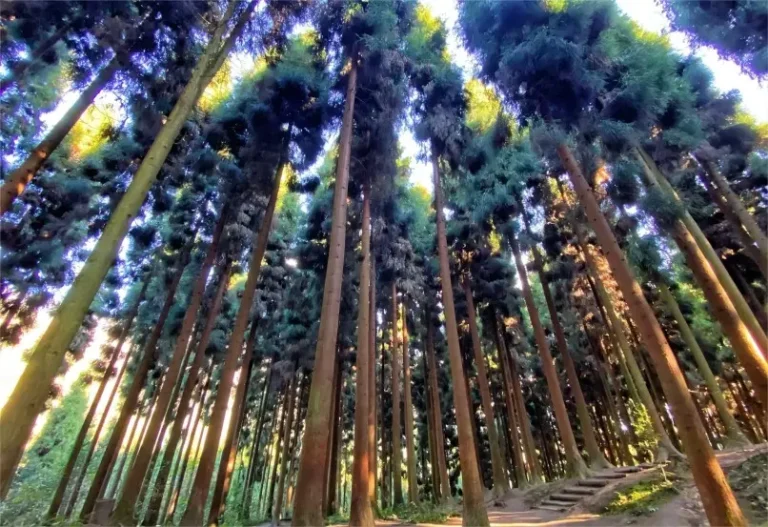
With 95% forest coverage, Tiantai Mountain is full of rare plants and wildlife, including the Dove Tree, Chinese Yew, Lady Amherst’s pheasant, and traces of the Giant Panda.
But the real show happens at night:
17 species of fireflies and over 270 types of butterflies light up the forest from April to October. For many travelers, seeing thousands of fireflies drifting across the trees is the top reason to visit.
II. Cultural Footprints: Temples, Legends & Ancient Scholars
Tiantai Mountain has been a spiritual center for over 2,000 years. According to legend, Yu the Great once climbed here for rituals. Later, Daoists carved caves, Buddhist monks built temples, and Confucian scholars debated under the pine forests.
Famous historic sites include:
- Yongle Temple
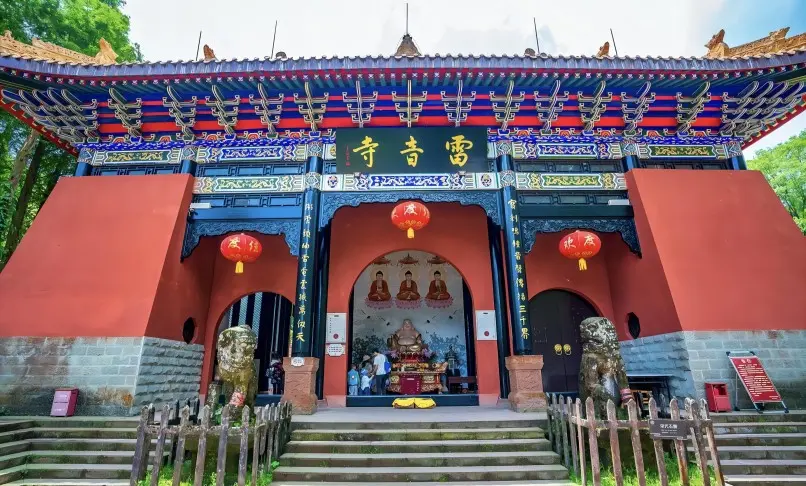
- Leiyin Temple
- Monk’s Yamen, linked to Song Dynasty poets and painters
Even if you’re not a history fan, the blend of temples, forests, and quiet trails makes the cultural section of the hike very peaceful.
III. What to See: A Quick Guide by Elevation
1. Upper Terrace (1,400–1,800m)
- Leiyin Temple: A thousand-year-old temple tucked deep in the forest. Visit in autumn for golden ginkgo leaves.
- Forest Sky Walk: A 300-meter glass walkway above the treetops with views of clouds drifting below your feet.
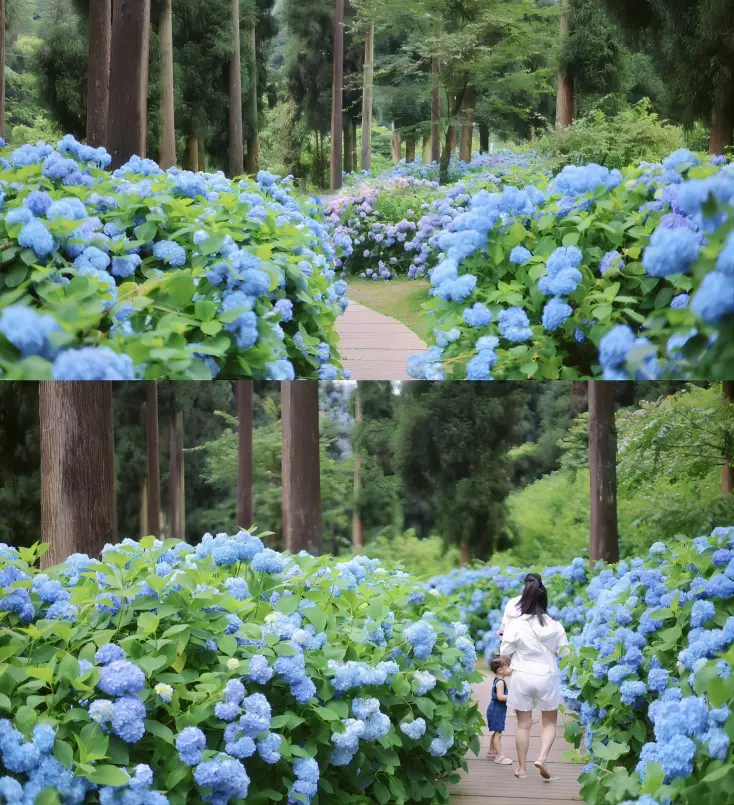
- Hydrangea Sea: Every June, 300 acres of blue and purple blooms turn the mountain into a giant natural garden.
2. Middle Terrace (1,200–1,400m)
- Heaven’s Seam Gorge: Tall cliffs rise 200 meters on both sides—one of the most dramatic sections of the trail.
- Upside-Down Boot Stone: A 30-meter granite tower shaped like a giant boot.
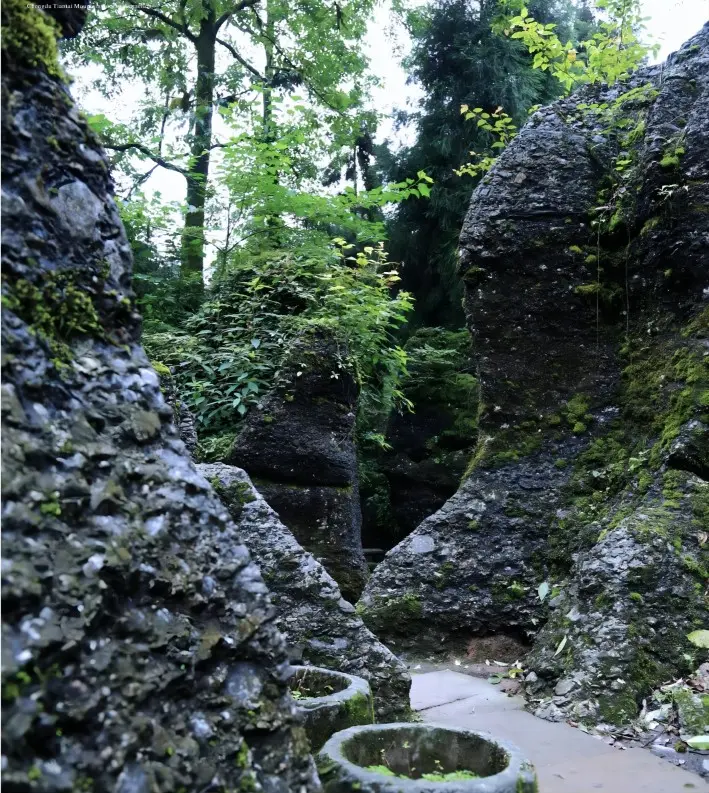
- Flower Stone Forest: A maze of weathered granite—fun for photography and short detours.
3. Lower Terrace (800–1,200m)
- Rainbow Waterfall & Sounding Waterfall: Two of the most impressive falls in the region.
- Firefly Micro-Museum: Learn about fireflies during the day; join a guided nighttime walk to see them in the forest.

IV. Local Experiences: Eat, Play, Explore
1. Mountain Food to Try
- Tiantai Mountain Cured Bacon: Smoky, tender, and usually served with wild vegetables.
- Wenjun Wine Tasting: A local rice wine with a long history and a romantic backstory.
- Forest Picnic: Pre-packed baskets with fresh berries and nuts from nearby farms—great for riverside resting spots.
2. Outdoor Activities
- Water Adventures (June–September): Kayaking, canyoning, and water rock climbing with certified guides.
- Stargazing: Clear summer nights reveal the Milky Way; winter brings bright views of the Orion Nebula.
- Eco Tours: Track panda footprints or join firefly conservation sessions with local biologists.

V. Travel Tips for Visiting Tiantai Mountain
1. Getting There
- By Car: Chengdu → Cheng-Wen-Qiong Expressway → Cheng-Ming Expressway → Shougao Road (approx. 2 hours). Parking is free.
- By Train + Bus: Take the high-speed train to Qionglai Station, then transfer to Bus Route 11 (¥15) directly to the scenic area.
- Inside the Park: A shuttle runs between the Visitor Center and the upper terrace.
2. Tickets & Hours
- Ticket: ¥58 (Dec–Feb half-price with Chengdu–Chongqing A-level scenic area tickets)
- Opening Hours:
- Peak Season: 7:00–18:00
- Off-Peak: 8:30–17:00
- Best Seasons:
- April–June: Fireflies & hydrangeas
- Oct–Nov: Red leaves & cloud sea
- Dec–Feb: Snow & hot springs
3. Where to Stay
- Zen Hotel (Luxury): Hot springs + garden views
- Flower Stone Forest B&B: Glass-wall rooms for firefly watching
- Zheng Tiantai Camping Lawn: Heated tents with hot water
Conclusion
Whether you’re chasing waterfalls, walking through hydrangeas, or watching fireflies float through the dark, Tiantai Mountain offers a calm, refreshing escape from Chengdu. It’s a trip full of scenery, culture, and small surprises—easy to plan and even easier to love. Furthermore, to explore more highlights of a Sichuan journey, don’t miss our page on Chengdu Tourist Attractions!