
China Public Holidays 2026–2027: Statutory Holiday Schedule
| Holiday | 2026 Dates | Duration & Notes | 2027 Dates | Duration & Notes |
|---|---|---|---|---|
| New Year’s Day | January 1–3 | Thurs–Sat (3 days) | January 1–5 | Fri–Tues (5 days, includes 1 day of compensatory leave) |
| Spring Festival | February 15–23 | Sun–Mon (9 days, includes compensatory leave) | February 5–13 | Thurs–Fri (9 days, includes 2 days of compensatory leave) |
| Qingming Festival | April 4–6 | Sat–Mon (3 days) | April 5 | Sun (observed with adjacent weekend) |
| Labor Day | May 1–5 | Fri–Tues (5 days, includes 1 day of compensatory leave) | May 1–5 | Sat–Wed (5 days, includes 1 day of compensatory leave) |
| Dragon Boat Festival | June 19–21 | Fri–Sun (3 days) | June 9 | Wed (1 day off) |
| Mid-Autumn Festival | September 25–27 | Fri–Sun (3 days) | September 15 | Wed (1 day off) |
| National Day | October 1–7 | Thurs–Wed (7 days) | October 1–9 | Fri–Sat (9 days, includes 2 days of compensatory leave and Double Ninth Festival) |
China Public Holidays & Festivals
China’s current statutory holiday system is divided into two categories: holidays for all citizens and holidays for specific groups. Holidays for all citizens traditionally total 11 days, covering the Spring Festival (Lunar New Year), Qingming Festival, Labor Day, Dragon Boat Festival, Mid-Autumn Festival, National Day, and New Year’s Day. Holidays for specific groups include International Women’s Day, Youth Day, and Children’s Day, offering a half-day off to certain populations. Starting from 2025, total holidays for all citizens increase to 13 days, with New Year’s Eve and May 2nd added as statutory holidays, optimizing the schedule for traditional festivals and spring travel.
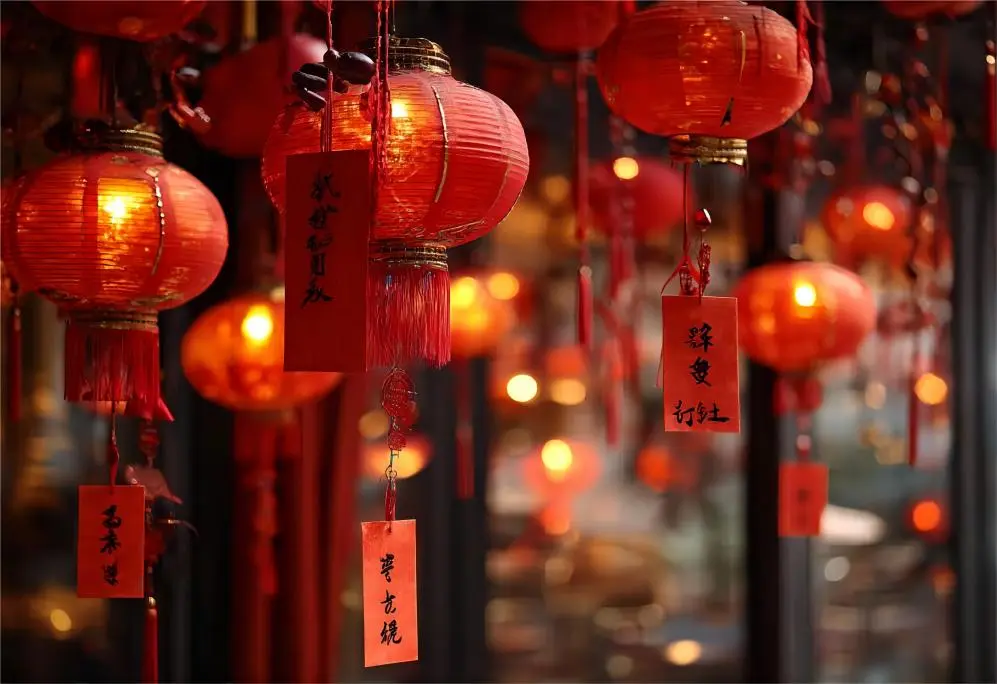
China Public Holidays: Festival Connotations and Cultural Codes
🎆 Spring Festival (Lunar New Year):
Symbolizes reunion and rebirth. Customs include pasting Spring Festival couplets, having a New Year’s Eve dinner, staying up late (shousui), and paying New Year calls (bainian). It is the most solemn ritual in Chinese culture.
🌸 Qingming Festival (Tomb-Sweeping Day):
A day for ancestor worship and tomb sweeping, which also marks a solar term. Folk customs include spring outings (taqing), wearing willow branches, and flying kites, reflecting the philosophy of “harmony between heaven and humanity.”
💪 Labor Day (May Day):
Honors laborers and boosts both cultural engagement and tourism consumption.

🐉 Dragon Boat Festival (Duanwujie):
Commemorates the poet Qu Yuan. Customs include dragon boat racing, eating zongzi (sticky rice dumplings), and hanging mugwort to ward off evil, showcasing reverence for loyalty and nature.
🌕 Mid-Autumn Festival (Zhongqiujie):
A full moon festival symbolizing family reunion. Customs include admiring the moon, eating mooncakes, and lantern parades, embodying the cultural gene of “nation and family as one structure.”
🎇 National Day:
Celebrates the founding of the People’s Republic of China. Flag-raising ceremonies at Tiananmen, Red Tourism, and light shows have become signature celebratory activities.
Does business run during Chinese public holidays?
Statutory holidays are the “golden engine” of China’s tourism market.
- Crowded Hot Spots: During the 2026 Spring Festival, flight bookings for destinations like Kunming, Sanya, and Harbin may rise by 235%. Patterns such as “going north to play in the snow” and “heading south to escape the cold” dominate travel choices.
- Airfare and Hotel Prices Surge: Nine-day holidays stimulate travel demand. Flights on popular routes (e.g., Chengdu–Sanya, Beijing–Harbin) can reach near full price. Hotels in Sanya and Dali may double in price, making “a room is hard to find.”
- Planning Dining and Transport:
- Restaurants & Shopping: Some local restaurants may close, while large commercial areas extend hours. Advance reservations are essential.
- Public Transport: Special holiday schedules for subways and buses; taxis experience huge demand surges.
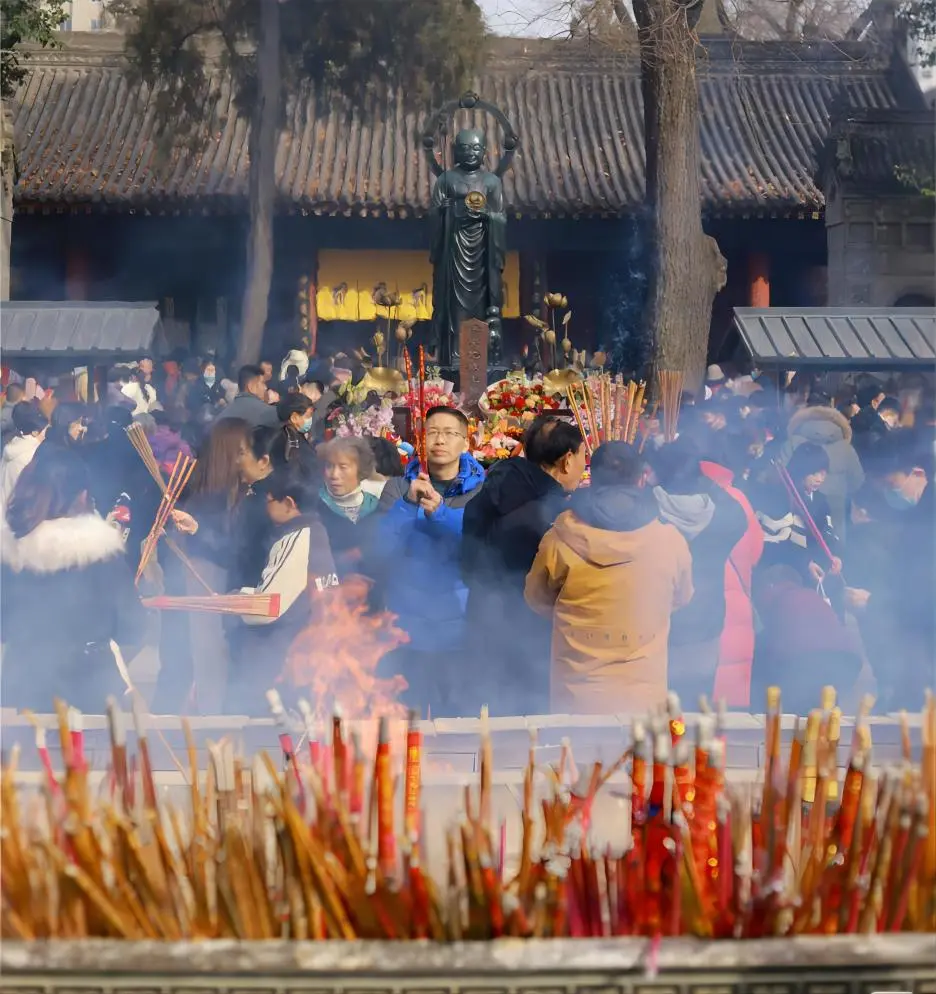
Featured Holidays and Regional Cultural Experiences
Beyond statutory holidays, China’s ethnic festivals offer rich cultural experiences:
- Water Splashing Festival (Dai New Year): Mid-April in Xishuangbanna and Dehong, Yunnan. People splash water for blessings, accompanied by dragon boat races and “flying rockets.”
- Naadam Festival: Grasslands of Inner Mongolia, July–August. The “three manly sports”—horse racing, wrestling, archery—showcase nomadic culture.
- Torch Festival: Yi, Bai, and other ethnic groups, late June in Yunnan and Sichuan. Torches ward off evil; singing, dancing, and bullfighting follow.
- Shoton Festival: Lhasa, Tibet, August. Centered around the unveiling of giant Thangka, Tibetan opera, and yogurt banquets, highlighting Tibetan Buddhist culture.
Ask a Question
If you have any questions about traveling to China, please leave us a message, and we will reply promptly.
Urban China Travelogue
By understanding China’s public holidays, you can plan trips efficiently, avoid peak crowds, and immerse yourself in the unique blend of culture, tradition, and modern tourism.