Complete Guide to Chinese Mooncakes: History, Regional Flavors & Where Travelers Can Try Them
A Bite of China’s Mid-Autumn Charm
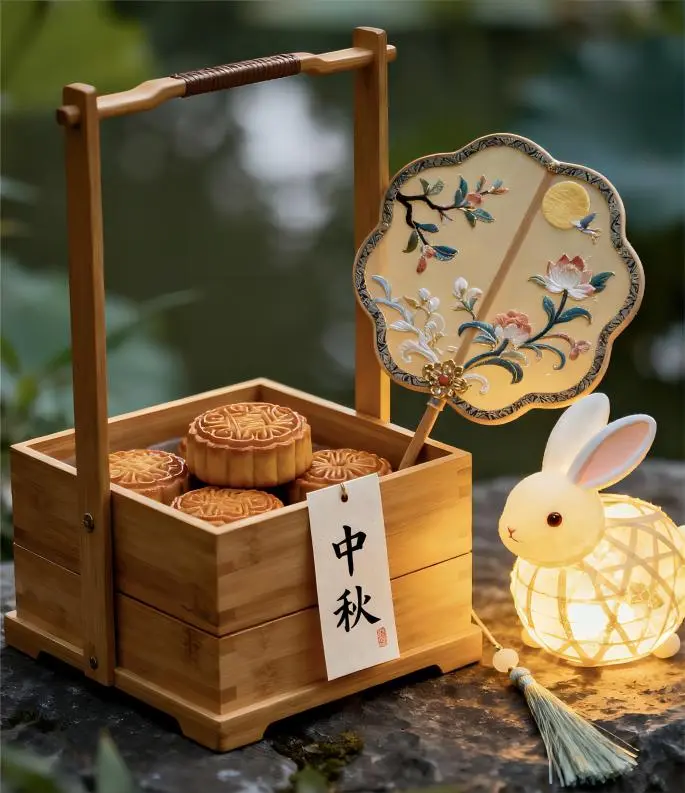
Every September or October, when the Mid-Autumn Festival lights up China with lanterns and full-moon gatherings, one treat becomes the center of the celebration: the mooncakes. To travelers, it may look like a simple round pastry. But inside its glossy crust lies a thousand years of culinary craft, nostalgia, and regional identity.
Whether you’re planning a trip to China during Mid-Autumn or simply want to explore authentic food culture, this guide will walk you through the history, flavors, and best places across China to taste traditional mooncakes like a local.

I. What Exactly Is a Chinese Mooncake? (A Quick Traveler’s Guide)
A mooncake is a round pastry traditionally eaten during the Mid-Autumn Festival, symbolizing reunion and blessings. Most mooncakes have:
- a baked or flaky outer crust
- a dense filling (sweet or savory)
- sometimes a salted egg yolk center representing the full moon
Today you’ll find everything from classic lotus paste to modern ice-cream mooncakes, but traditional styles still dominate local bakeries.
Best time to try:
Late August to early October, with peak availability during the week before the Mid-Autumn Festival.
II. History & Meaning: Why Mooncakes Matter in Chinese Culture
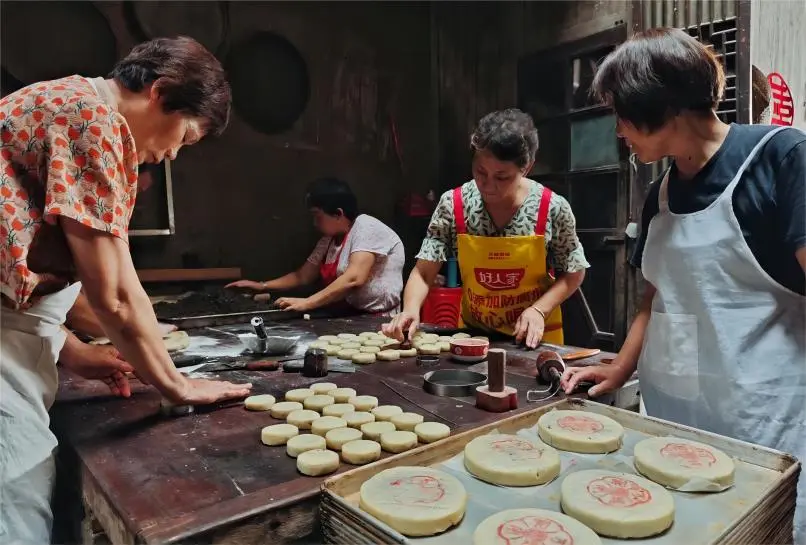
Mooncakes originated during the Tang Dynasty and were later used in a famous legend in which rebel leader Liu Bowen hid secret messages inside mooncakes to overthrow the Yuan Dynasty.
Their round shape reflects traditional Chinese cosmology—“Heaven is round, Earth is square”—and expresses the wish for family reunion.
Cultural symbolism hidden inside:
- Lotus Seed Paste → purity & elegance
- Five-Nuts (Wuren) → Confucian virtues
- Salted Egg Yolk → wealth & prosperity
For travelers interested in cultural depth, mooncakes offer one of the most charming entrances into Chinese philosophy and festival traditions.

III. Mooncake Styles Across China: A Regional Flavor Map
China’s diverse geography creates an incredible range of mooncake personalities. Here are the most iconic types you’re likely to encounter:
| Region | Signature Style | Flavor Profile | Why Travelers Should Try |
|---|---|---|---|
| Cantonese | Double-Yolk Lotus Paste | Sweet, smooth, rich | Internationally famous; perfect introduction for first-timers |
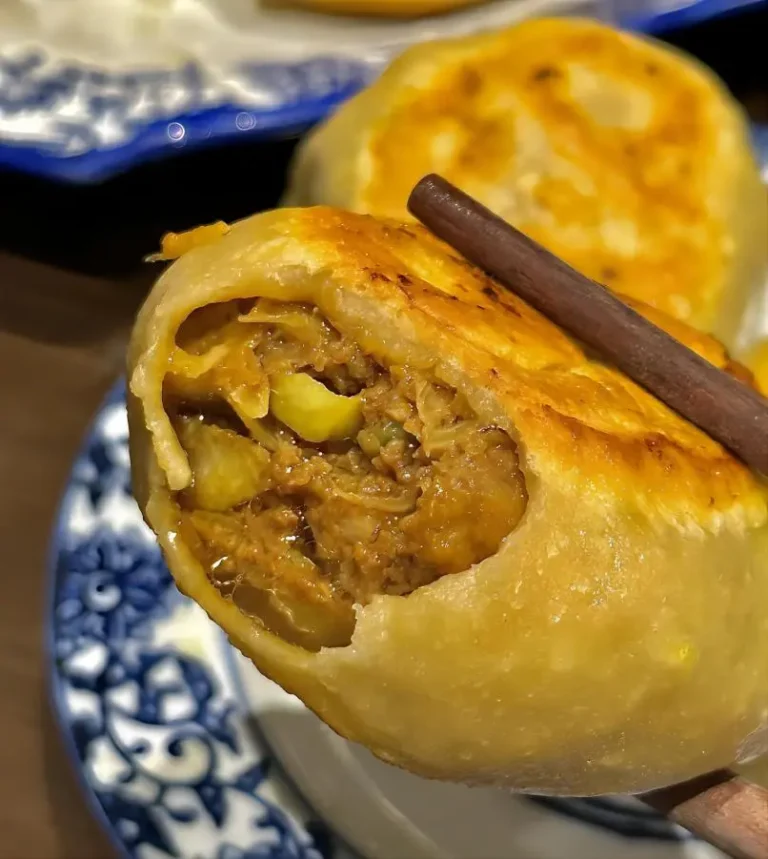
| Suzhou | Fresh Pork Mooncake | Savory, flaky, buttery | Best eaten hot; beloved by Jiangsu locals |
| Beijing | Brown Sugar Ziliahong | Sweet, nutty, old-school | A nostalgic northern classic rarely found outside Beijing |
| Yunnan | Ham Mooncake (Yuntui) | Sweet-savory, aromatic | Unique combination of Xuanwei ham & honey |
| Chaozhou | Laobing (Lard Pie) | Flaky, mellow, mild-sweet | Perfect with Chaozhou Gongfu tea |
Fun fact: Shanxi makes giant mooncakes up to 30 cm wide, and Inner Mongolia even offers cheese mooncakes inspired by local dairy traditions.
IV. Where to Try the Most Authentic Mooncakes in China
Below are traveler-friendly mooncake stops that combine historic flavors, easy transport access, and cultural experiences.

1. Guangzhou — Lianxianglou
- Try: Double-Yolk White Lotus Mooncake (≈ ¥128/box)
- Where: Near Changshou Road Station (Metro Line 1)
- Why Visit:
- On-site mini museum
- Watch pastry chefs shaping and baking mooncakes
- Tip: Pre-order 10–15 days ahead during festival season.
2. Suzhou — Changfa Xibing
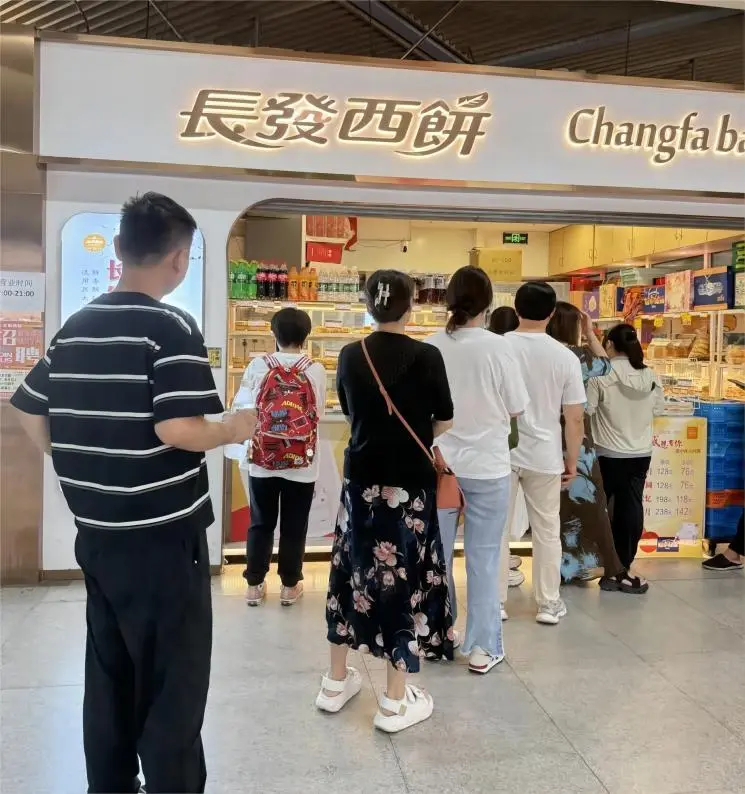
- Try: Fresh Pork Mooncake, best eaten hot (≈ ¥4/piece)
- Where: Near Lindun Road Station (Metro Line 1)
- Why Travelers Love It:
- Famous for its irresistible crispy layers
- Steps away from traditional Suzhou alleys
- Traveler Tip: Come before 10 a.m. to avoid sold-out disappointment.
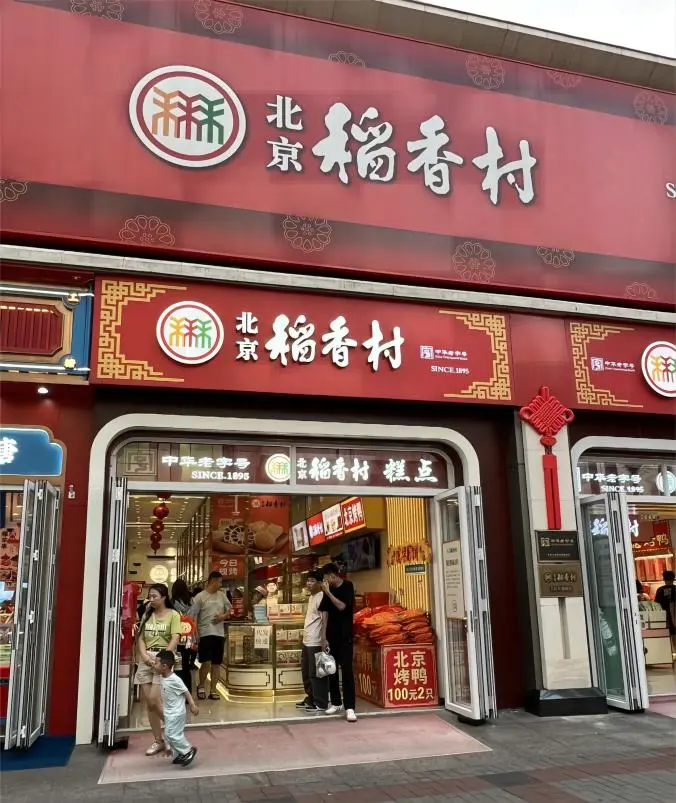
3. Beijing — Daoxiangcun
- Try: “Eight Beijing Delicacies” Gift Box (≈ ¥88)
- Where: Multiple branches; Dongzhimen recommended
- Why Go:
- Customizable mooncakes with engraved patterns
- Perfect gift for friends or hosts
- Booking: Through their official WeChat Mini Program. To dive deeper into Beijing’s real food culture, check out the full selection on our Beijing Local Food Trails page.
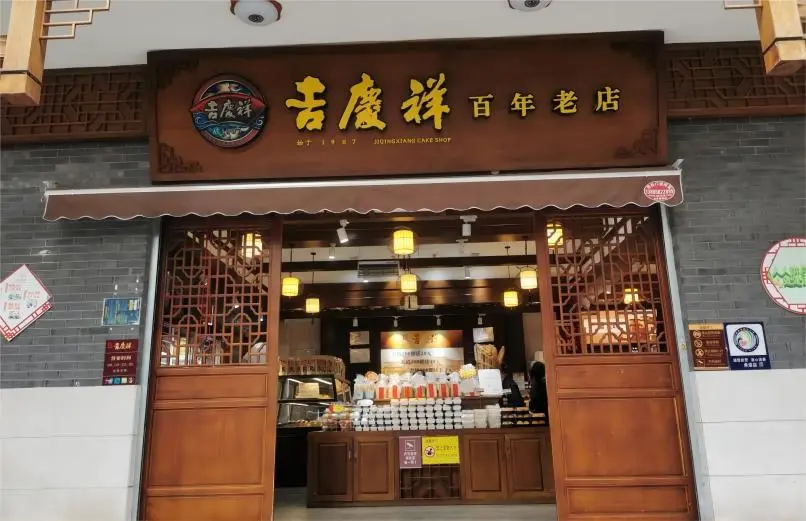
4. Kunming — Jiqingxiang (Ham Mooncake Originator)
- Try: Hard-Crust Ham Mooncake (≈ ¥6/piece)
- Where: Near Dongfeng Square Station
- Nearby: Kunming Old Street for Yunnan architecture
- Tip: Short shelf life—eat fresh on the same day.
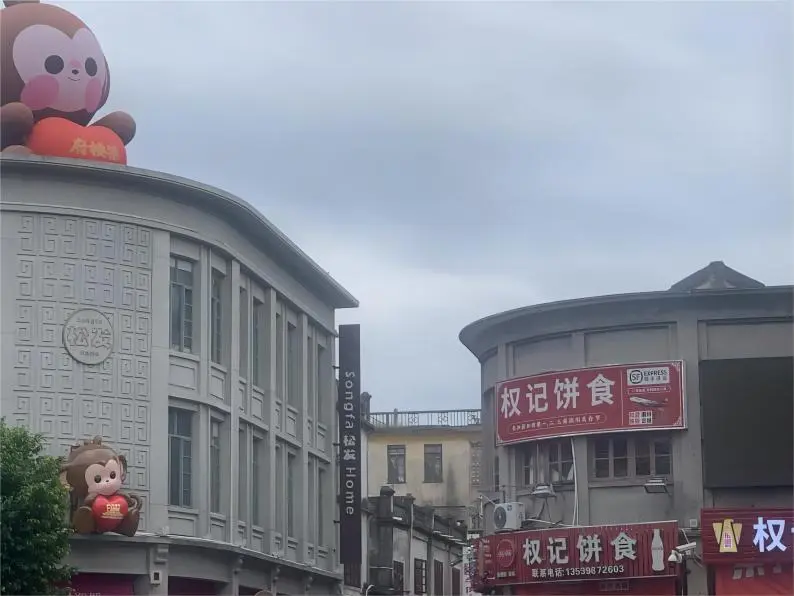
5. Chaozhou — Quanji Bingjia (Intangible Heritage Shop)
- Try: Laobing (Lard Pie) (≈ ¥15/piece)
- Where: Paifang Street, near Kaiyuan Temple
- Highlight: Book a workshop to try making your own Chaozhou-style mooncake
- Pair With: Phoenix Dan Cong tea for a full tea-culture experience.
V. Buying Mooncakes as a Tourist: Practical Tips
- Choose vacuum-sealed gift boxes if traveling long distances
- Traditional mooncakes last 7–10 days at room temperature
- For international flights, avoid egg-yolk mooncakes, which some countries restrict
- Try a regional sampler box if you’re short on time
Conclusion: Travel China One Mooncake at a Time
Whether you’re wandering in Beijing’s old hutongs or sipping tea in Chaozhou, mooncakes accompany the journey like edible symbols of reunion and warmth. Try as many regional flavors as you can—each one tells a different cultural story. And who knows? You might just find your own “moonlit favorite” during your travels. If you’re curious about other traditional Chinese festival foods, feel free to explore our Festival Food Guide for more delicious cultural stories.