
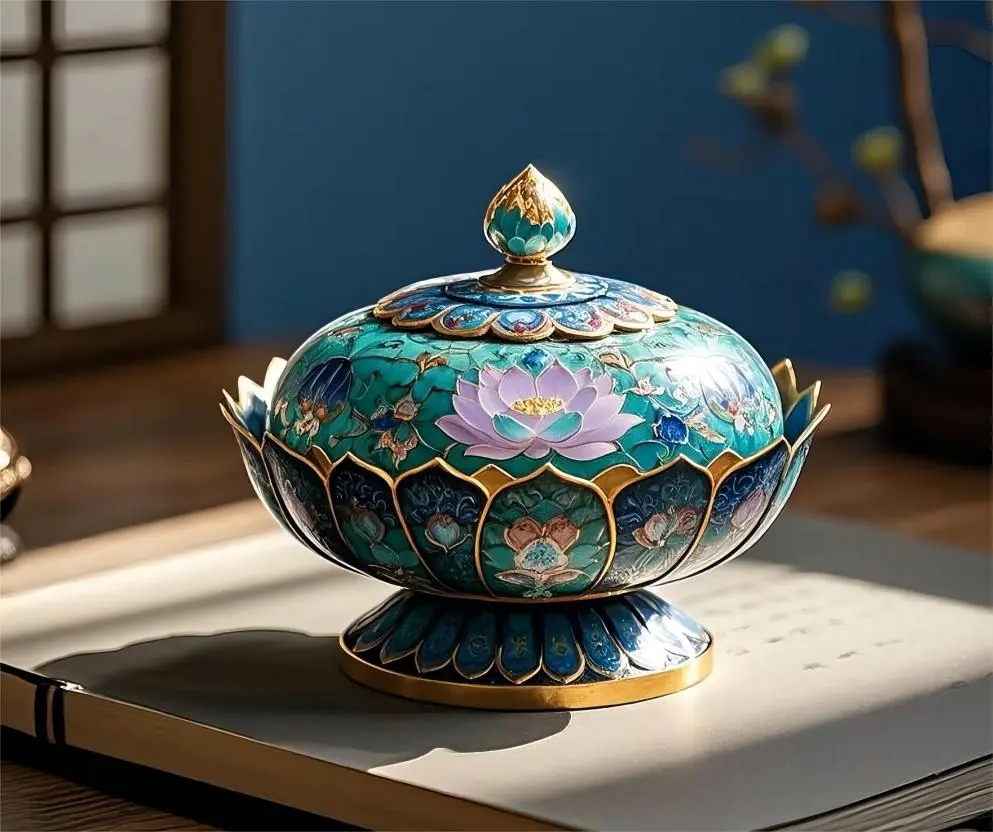
Cloisonné Beijing: Discover Jingtailan, China’s Timeless Enamel Art
As you wander through the red walls and golden roofs of Beijing’s Forbidden City, your eyes may be caught by dazzling Cloisonné artworks—metal-and-enamel treasures shimmering under the light. Known locally as Jingtailan, Cloisonné Beijing represents one of the most exquisite forms of traditional Chinese craftsmanship. Celebrated for over six centuries, this imperial art combines vibrant enamel colors, copper precision, and deep cultural symbolism. Join us as we explore the fascinating history, intricate process, and best places to experience Cloisonné in Beijing today.
I. The History of Cloisonné Beijing : From the Silk Road to Beijing’s Imperial Court
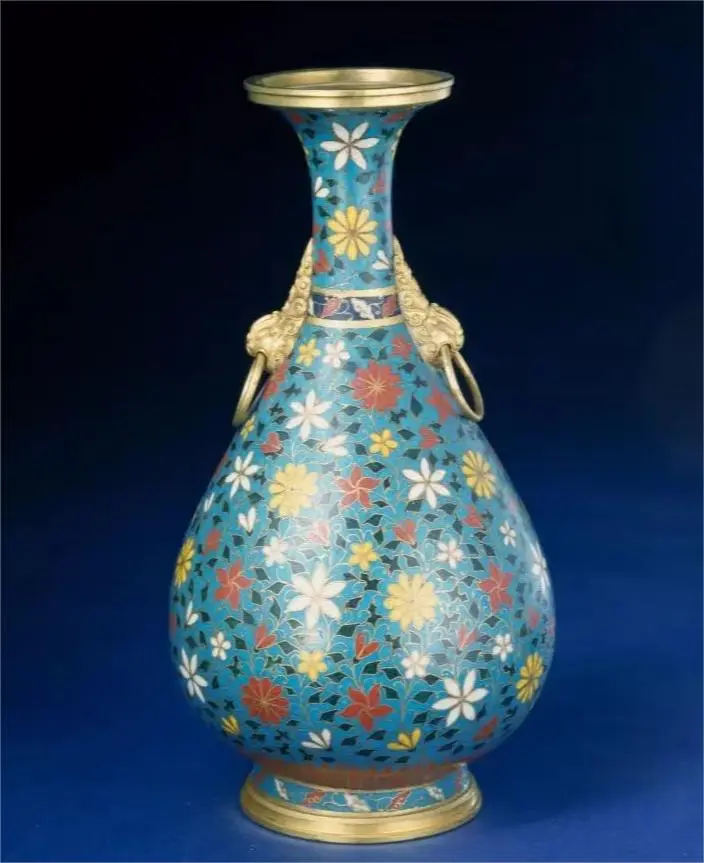
The formal name of Jingtailan is “Copper Body with Filigreed Enamel” (Tong Tai Qia Si Fa Lan), a craft whose origins trace back to the Sui and Tang Dynasties. The enameling technique, believed to have come from the Arabian region, entered China via the Silk Road in the 13th century. Known at the time as Dashi Kiln Ware or Fulangqian (Foreign Enamel Inlay), it merged with Chinese techniques of bronze casting, ceramic glazing, and metal engraving—creating a truly Eastern interpretation of enamel art.
During the Jingtai era of the Ming Dynasty (1450–1457), the art reached its golden age. The dominant glaze color, a deep peacock blue, inspired the name Jingtailan (Jingtai Blue). In the Qing Dynasty, especially under Emperor Qianlong, production flourished further—expanding from ritual vessels to screens, furniture, and decorative items adorned with lotus blossoms, dragons, and phoenix motifs.
In 1904, a masterpiece from the Laotianli Workshop—the Precious Ding Incense Burner—won a Gold Medal at the Chicago World’s Fair, bringing this once-imperial art to international acclaim.
II. How Cloisonné Beijing Is Made: The Art of Jingtailan Craftsmanship
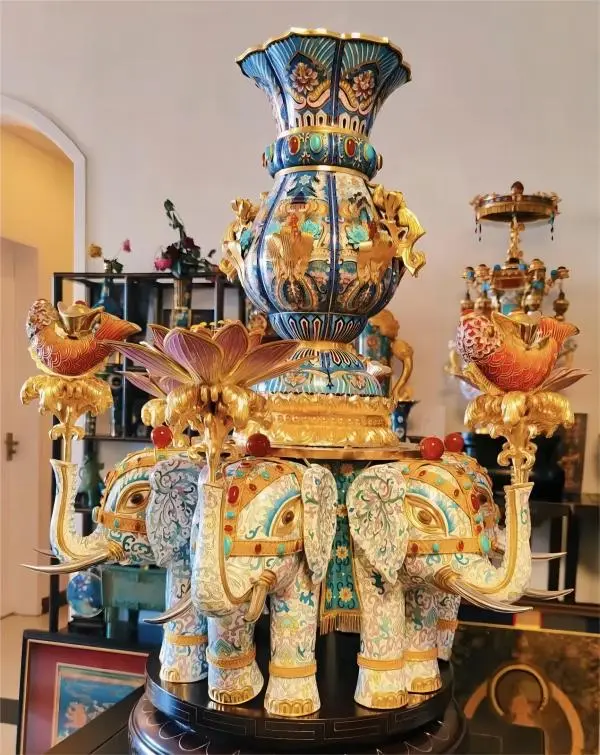
Creating one Cloisonné piece involves over 100 meticulous steps, from making the copper body to filigree wiring, enamel filling, kiln firing, polishing, and gilding.
The most delicate stage is Filigree Inlay (Qia Si), where copper wires—just 0.07 mm thick—are hand-shaped into intricate motifs such as lotus flowers or cloud patterns and then soldered to the body.
Next comes Enamel Filling (Dian Lan), where artisans use fine tools to fill each tiny cell with colored enamel paste. Because the glaze shrinks when fired, this step is repeated three to four times before polishing and gilding reveal a surface described as “more brilliant than gold, more lustrous than jade.”
Masterpieces of Jingtailan
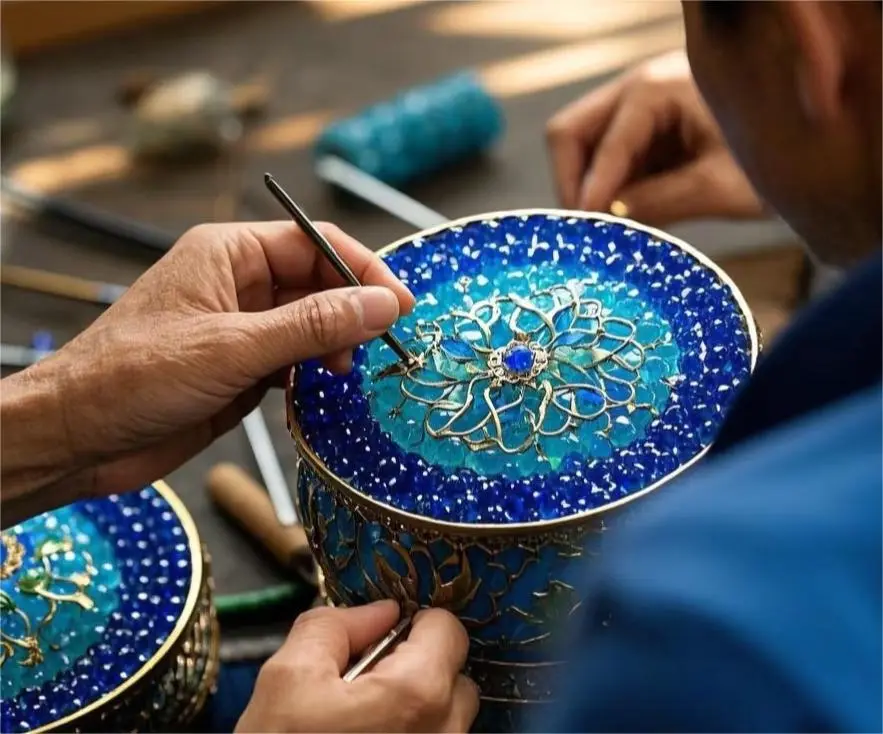
- Peace Across the Four Seas Vase (Si Hai Sheng Ping) — The official gift at the 2014 APEC Summit, featuring a carved Hetian jade map of the Asia-Pacific region symbolizing global harmony.
- Vessel of Flourishing Prosperity: National Treasure of Jingtailan (Sheng Shi He Zun) — A 2025 creation modeled on the Zhou Dynasty He Zun ritual vessel, blending the solemnity of bronze with the brilliance of enamel.
- Ship of Friendship (You Yi Zhi Chuan) — Presented to the United Nations in 2015, this Zheng He–inspired treasure ship features 380 enamel inlays, symbolizing “sailing together in harmony.”

III. Where to See and Experience Cloisonné in Beijing
For those seeking an immersive journey into Beijing’s traditional crafts, Cloisonné is a must-see experience. Here are the best places to admire and even try this ancient art yourself.
1. The Palace Museum (Forbidden City)
Home to some of the world’s finest Cloisonné masterpieces from the Yuan, Ming, and Qing Dynasties, including the Beast-Eared Tripod Censer and Lotus-Hooked Ding Censer.
An interactive area allows visitors to observe or even try filigree and enamel filling techniques under guidance.
2. China Cloisonné Art Museum
China’s first museum dedicated entirely to Cloisonné. Here you’ll find a full timeline of development—from Yuan-era prototypes to modern innovations.
Visitors can watch live demonstrations through glass workshops and even create their own enamel souvenirs in the upstairs studio. AR treasure hunts and professional guided tours make it ideal for families and culture lovers.
3. Beijing Enamel Factory
Recognized as a National Intangible Cultural Heritage Demonstration Base, this factory combines exhibition and hands-on education.
You can admire award-winning pieces such as Auspicious Horse Welcoming Spring and Golden Rooster Enduring, or join Cloisonné workshops ranging from 2-hour introductory classes to 3-day master programs.

Hands-On Experiences and Cultural Activities
- Workshops: Learn how to bend copper wire, apply enamel, and take home your own handmade bookmark or jewelry box.
- Expert Lectures: Museum programs often feature national-level heritage inheritors sharing insights behind the saying: “One piece of Cloisonné equals ten pieces of Imperial Porcelain.”
Travel Tips:
- Book experience classes in advance, especially those led by national-level artisans.
- Avoid touching displays and disable flash photography inside museums.
- For authentic souvenirs, look for reputable brands such as “Jing Fa.” Prices range from a few hundred to several thousand RMB.
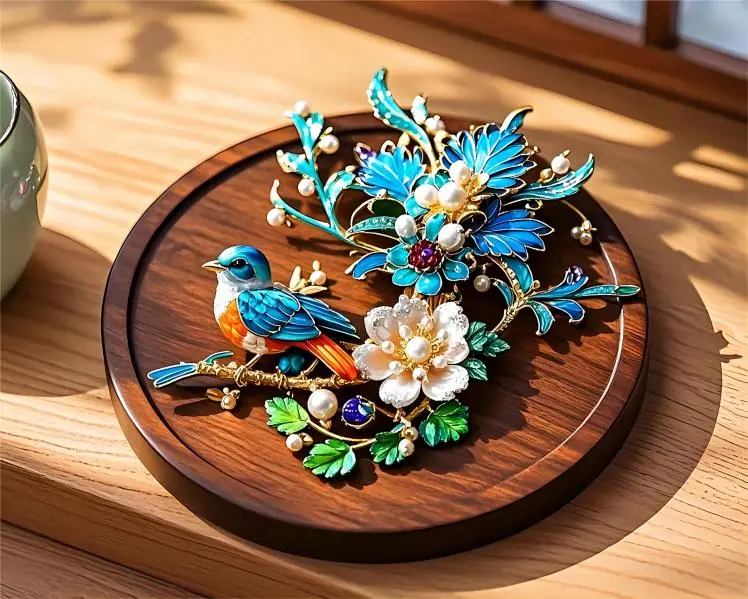
IV. Keeping Tradition Alive: Cloisonné in Modern Beijing
From imperial gifts to modern national treasures, Cloisonné continues to evolve as a symbol of China’s enduring craftsmanship. Whether you’re creating your own enamel pendant at the Beijing Enamel Factory or admiring a centuries-old censer in the Forbidden City, you’re connecting with a living tradition that transcends time.
This brilliant fusion of art, history, and human touch awaits your discovery in the heart of Beijing.
👉 Discover more in our Beijing Tourist Attractions Collection and China Cultural Heritage Tours Collection to plan your journey.



Good day! I could have sworn I’ve visited this site before but after looking at some of the posts I realized it’s new to me.
Anyways, I’m definitely pleased I stumbled upon it and I’ll be book-marking it and checking back frequently!