Dajue Temple, Beijing: Where Zen Meets Nature in the Western Hills
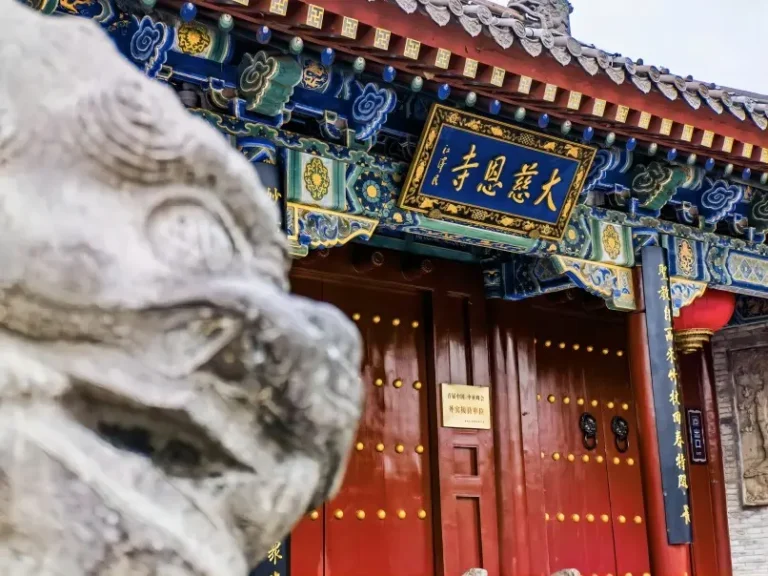
Tucked away at the foot of Yangtai Mountain in Beijing’s Haidian District, the ancient Dajue Temple (Great Awakening Temple)—founded in the Liao Dynasty—is known as the “Crown of the Western Hills Monasteries.” Hidden among pine forests and spring water, it blends the solemnity of Liao architecture with the elegance of Ming–Qing gardens. Its tranquil landscapes and enduring blessing culture make it one of the most peaceful temples in Beijing for those seeking Oriental Zen and natural beauty.

I. A Cultural Landmark in the Flow of History
Founded in 1068 AD as Qingshuiyuan (“Clear Water Garden”), Dajue Temple was later expanded during the Jin and Ming Dynasties. Emperor Qianlong visited multiple times, inscribing plaques such as “The Place of No Coming and Going” and “Action and Stillness in Harmony.”
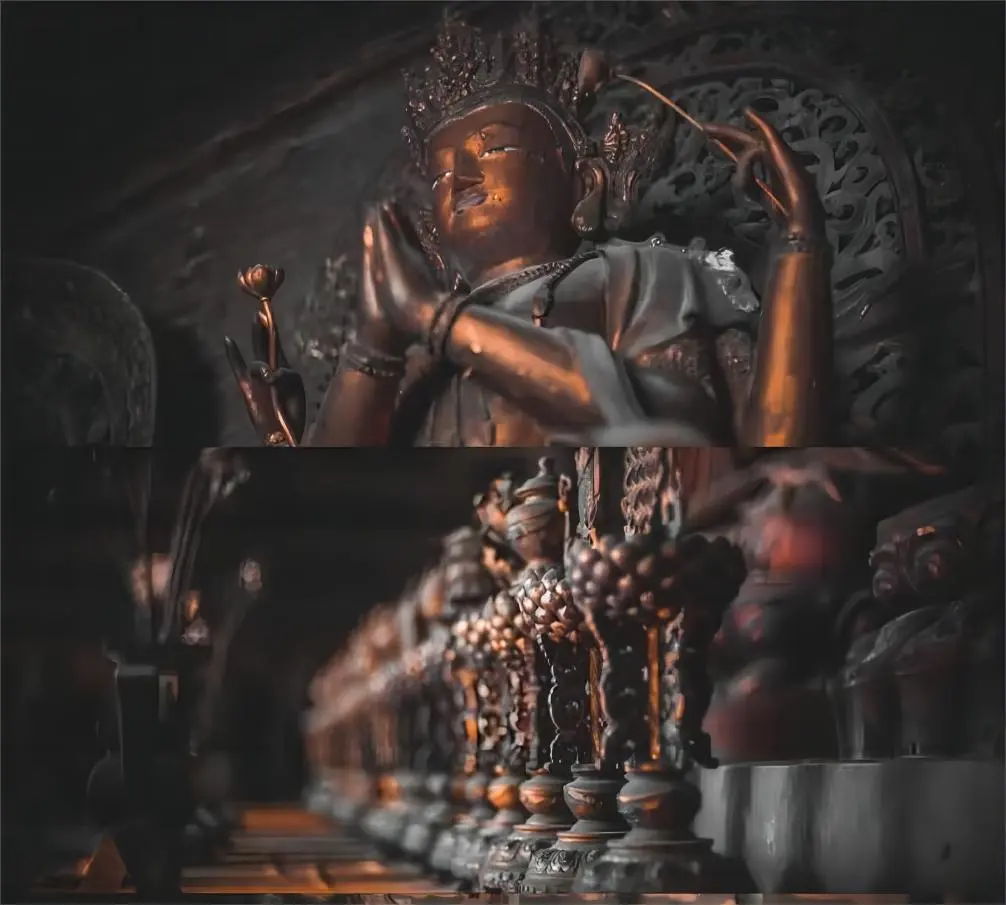
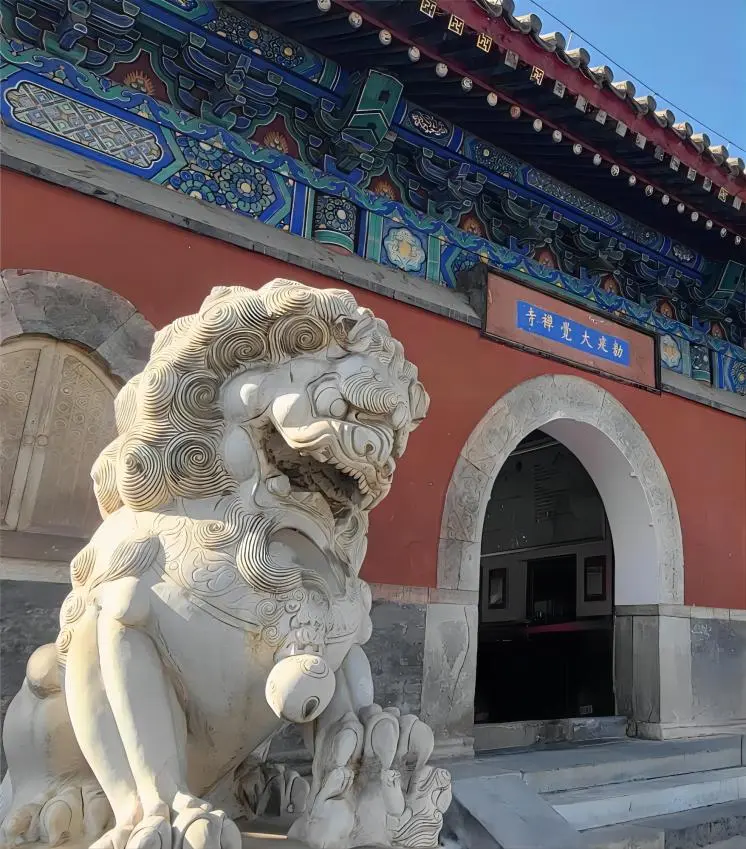
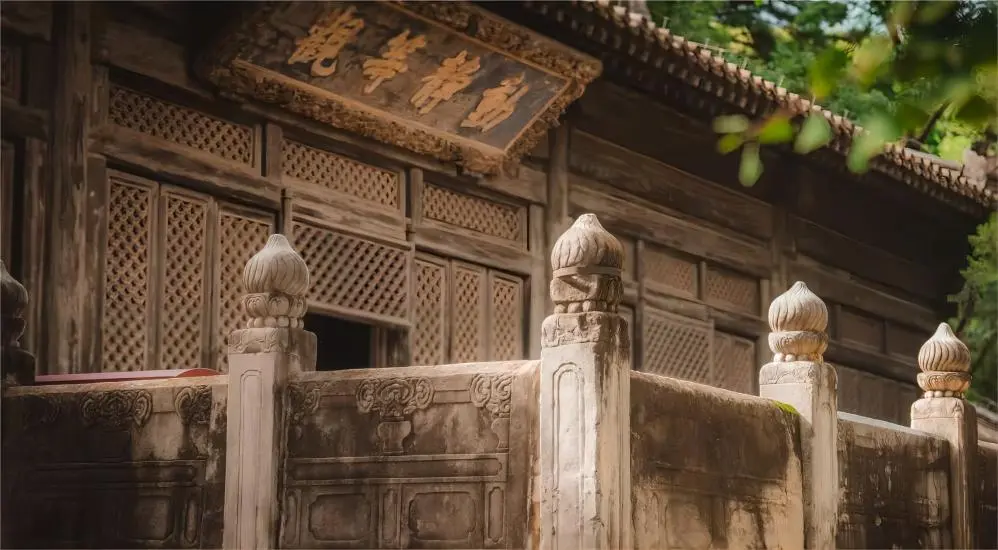
Dajue temple’s layout follows the mountain’s slope: the Mountain Gate, Hall of Heavenly Kings, Grand Hall of the Great Sage, Hall of Amitabha Buddha, and Great Compassion Altar are arranged along the axis, surrounded by halls like the Dragon King Hall and Wenchang Pavilion.
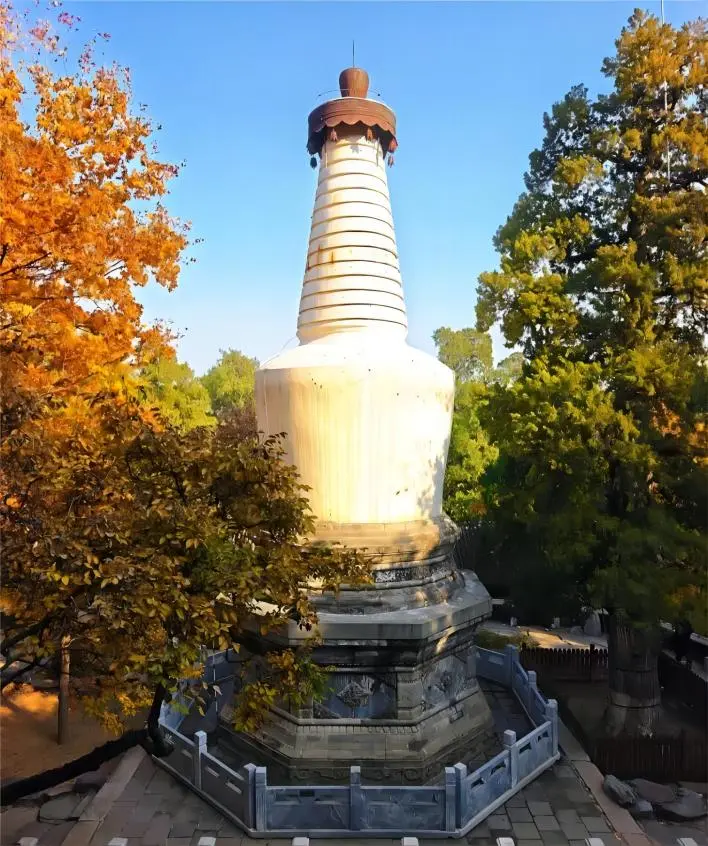
Behind the Great Compassion Altar stands a 1,000-year-old ginkgo tree, over 30 meters tall—its golden leaves each autumn have earned it the title “King of Western Hills Ginkgos.”
II. The Secret of Abundant Incense: Where Faith Flows with Nature
- Prayers for Health and Longevity:
The Dragon King Hall is famous for the legend that it “protects life and governs rain.” Visitors pray here for health and favorable weather, often touching the Longevity Stone for blessings of peace and vitality. - Hopes for Academic Success:
The Wenchang Pavilion, dedicated to the God of Literature, is a favorite among students and parents who come to light Wisdom Lanterns and tie red strings, wishing for academic progress and clarity. - Symbol of Harmony and Love:
The Intertwined Cypress (Lianli Bai) in front of Siyi Hall symbolizes eternal love. Couples take photos beneath it, praying for lifelong companionship and mutual understanding.
III. Visitor Must-Do Experiences: The Dual Gift of Zen and Scenery
1. Explore Ancient Architecture
- Liao Dynasty Stone Stele: The “Qingshuiyuan” inscription at the gate proves Dajue Temple’s millennium-old history.
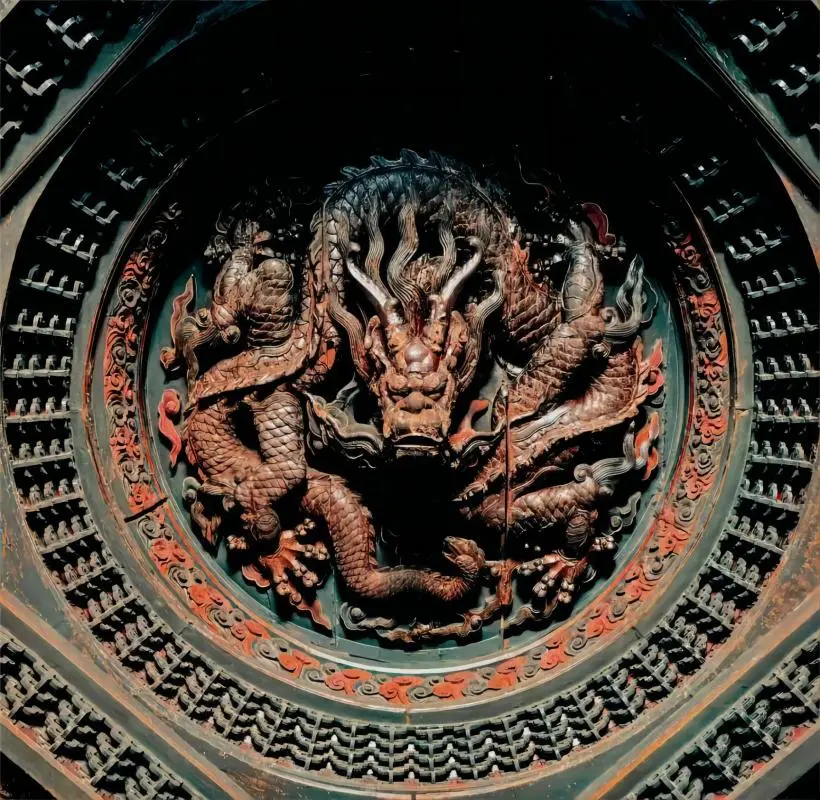
- Ming Dynasty Ceiling Frescoes: Brilliantly colored and detailed, the “ceiling paintings” (Tinhua Caihua) in the Grand Hall are a visual delight.
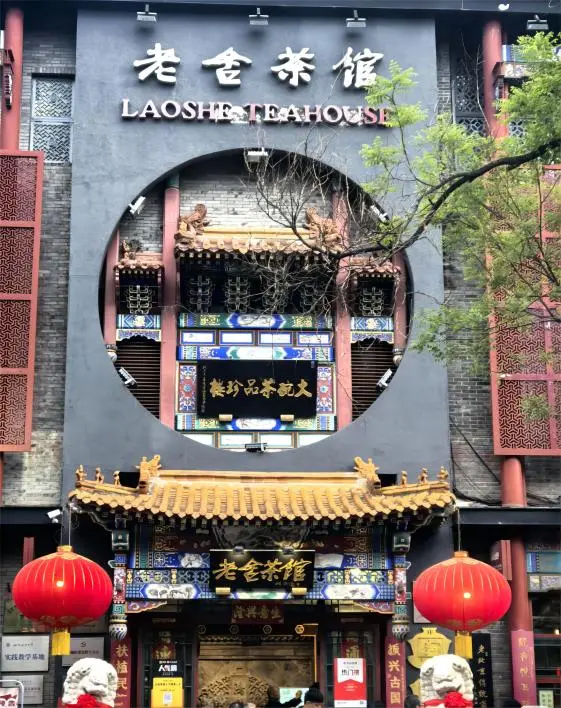
- Qing-Style Garden: Behind the main temple, the Minghui Tea House offers elegant rockeries and water features inspired by southern gardens.
2. Join a Zen Ritual
At 9:00 AM daily, the temple hosts its Morning Class (Zaoke) ceremony. Visitors can observe quietly, listening to Sanskrit chants and feeling the serenity of “one purified thought.”
On Buddha’s Birthday (the 8th day of the 4th lunar month), the Sprinkling Purifying Blessings ritual allows guests to bathe Buddha statues with fragrant water, symbolizing cleansing away worldly troubles.
3. Experience the Seasons
- Spring: Enjoy blooming magnolias and lilacs, sip Zen tea, and copy sutras under the blossoms.
- Autumn: Capture the golden sea beneath the ancient ginkgo—an unmissable photo spot.
- Winter: After snow, the temple becomes a silver world of absolute stillness, perfect for meditation.
IV. Souvenir Guide: Taking Zen Home
- Cultural Gifts:
- Ginkgo Leaf Bookmarks — made from the temple’s fallen leaves, inscribed with Buddhist verses.
- Dajue Temple Postcards — showcasing the temple’s architecture and seasonal beauty.
- Zen Sachets — filled with sandalwood and mugwort, embroidered with “Fortune” and “Longevity.”
- Blessed Dharma Items:
- Consecrated Mala Beads — sandalwood or Bodhi seed, symbolizing inner peace.
- Dragon King Talisman — for protection and wellness.

V. Practical Information
- Address: No. 9 Dajuesi Road, Sujiatuo Town, Haidian District, Beijing
- Hours: 8:00 AM–5:00 PM (ticket sales end 4:30 PM)
- Admission: ¥20 (includes Minghui Tea House)
- Transport: Subway Line 16 → Beianhe Station (Exit D) → Bus 633 → “Dajue Temple” stop
- Tips: Keep silent, no photography inside halls. Spring and autumn are ideal seasons.
- Zen Tea Tip: Enjoy vegetarian tea and light meals at Minghui Tea House, where “Zen and Tea share one flavor.”
The Spirit of Dajue Temple
Dajue Temple is not just a Buddhist landmark—it’s a dialogue between nature, faith, and the human heart.
Whether you walk under the ginkgo’s golden canopy or listen to morning chants, you may realize that the true power of this place lies not in a single wish, but in its quiet call toward awakening and peace. “Great Awakening in the human world, Bright Wisdom under heaven.” For more inspiration, explore other highlights on our Beijing Tourist Attractions page.