Savoring the Dragon Boat Festival: Discover the Cultural Flavor of Zongzi
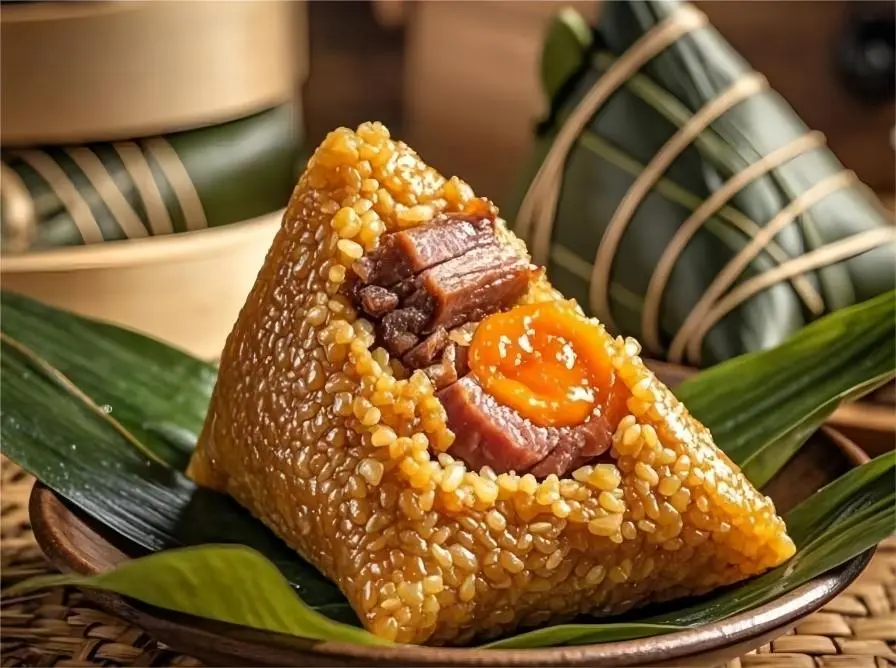
When visiting China during the Dragon Boat Festival (Duānwǔ Jié), it won’t take long before a familiar fragrance drifts through the streets and markets. That warm, leafy aroma belongs to zongzi—sticky rice dumplings wrapped in bamboo leaves—an iconic taste of summer and a cultural tradition preserved for more than 2,000 years.
As one of China’s four major traditional festivals, the Dragon Boat Festival blends history, memory, and flavor. Today, let’s dive into the world of zongzi and explore why this humble rice dumpling has become a symbol of family, ritual, and regional identity.
I. A Story of Memory and Blessing
The origins of zongzi trace back to the Warring States period. According to legend, after the patriotic poet Qu Yuan drowned himself in the Miluo River, local residents wrapped glutinous rice in leaves and tossed them into the water to keep fish from disturbing his body. Over time, this act of remembrance evolved into a cherished tradition.
Today, zongzi is more than a festival food. It represents people’s wishes for good fortune, protection from evil, and family unity. Although zongzi can be enjoyed year-round, the ritual of wrapping and sharing them each Duānwǔ remains one of the most nostalgic scenes in Chinese households.
Whether sweet Northern varieties or savory Southern ones, every bite carries a piece of home, memory, and cultural continuity.
II. How Zongzi Is Made: The Craft Behind the Flavor
1. Choosing the Ingredients
- Leaves: Usually bamboo or reed leaves, prized for their fresh, earthy aroma.
- Glutinous Rice: The base of every zongzi, soaked in advance to achieve the ideal soft-yet-chewy texture.
- Fillings: A reflection of regional culture—sweet red bean paste, jujube, and honeyed dates in the North; savory pork, salted egg yolk, and cured meats in the South; plus modern variations like fruit, chocolate, or mixed grains.
2. Wrapping the Zongzi
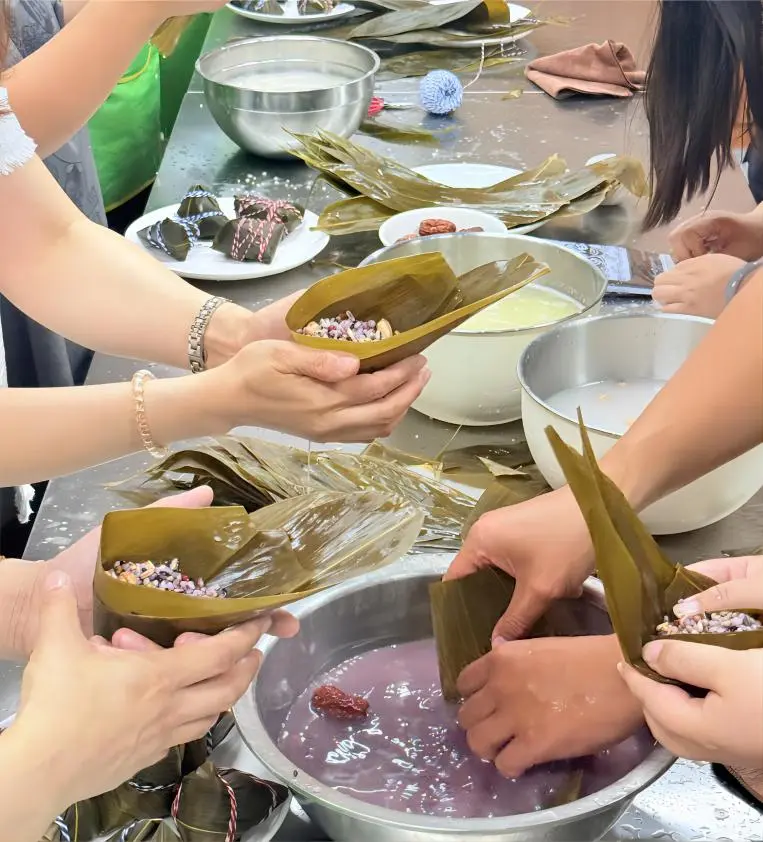
Two leaves are folded into a cone, filled with rice and ingredients, then tightly sealed and tied with string. Different regions use different wrapping styles—pyramid, triangular, cylindrical—but all symbolize good wishes.
3. Cooking
The wrapped zongzi are boiled or steamed for several hours, allowing the fragrance of the leaves to infuse the rice. When unwrapped, the aroma rises instantly—warm, soothing, and unmistakably festive.
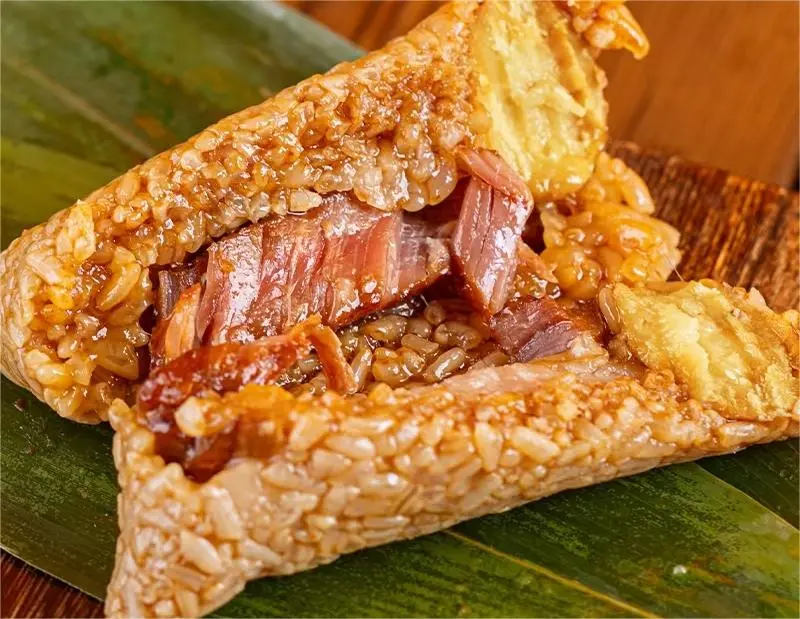
III. North vs. South: A Delicious Tour of Regional
China’s vast culinary landscape has given rise to diverse styles of zongzi:
• Northern
Primarily sweet.
Beijing and Northern provinces favor fillings such as red dates, red bean paste, and honey. These zongzi are typically small, delicate, and lightly sweet.
• Southern
Rich and savory.
Cantonese-style zongzi often include fresh pork, salted egg yolk, and cured meat. Jiaxing zongzi (Zhejiang) are famous nationwide for their soft rice and tender, flavorful pork. These varieties are usually larger and more filling.
• Specialty
Many regions boast local versions—Guangxi’s huge Pillow Zongzi, Fujian’s braised-pork zongzi, Hainan’s coconut-shred zongzi—each with distinct ingredients and stories.
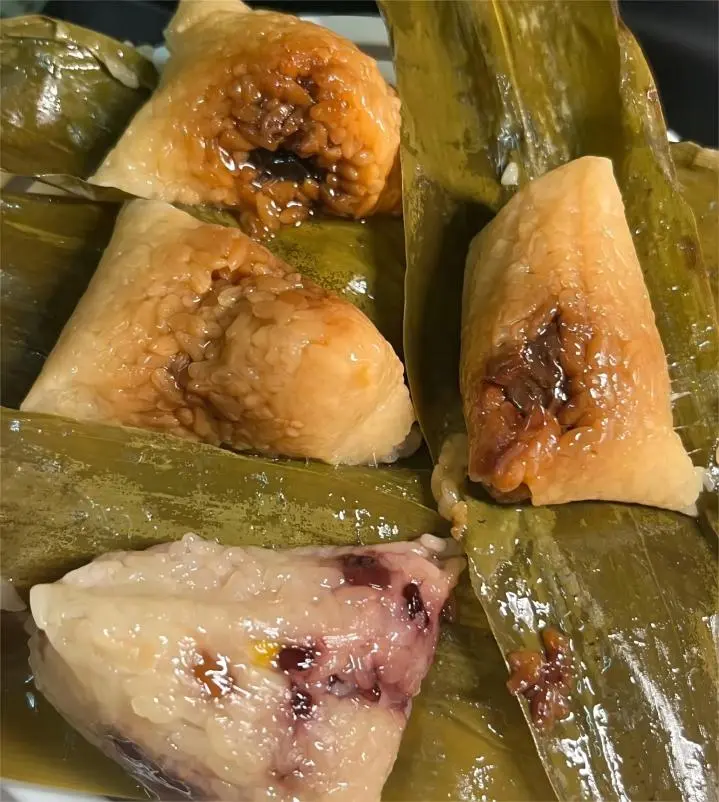
IV. Where to Taste Zongzi: 5 Recommended Spots Across China
1. Wufangzhai (Jiaxing Main Store): A Century-Old Icon of Jiangnan Zongzi
Location: 286 Zhongshan Road, Jiaxing, Zhejiang
Price: ¥20–40 per person; classic pork zongzi ¥8–10 each (great value)
Access: In Jiaxing’s city center; take a bus to Jiangnan Mansion or a short taxi ride.
Specialty: Founded in 1921, Wufangzhai is the benchmark for Jiaxing zongzi—sticky yet structured, rich but never greasy. Their signature pork zongzi uses a balanced lean–fat mix wrapped in fragrant, soft glutinous rice.
Insider Tip: Clean space, friendly service. Expect crowds during the Dragon Boat Festival, so arrive early. Vacuum-packed gift boxes available.
Reservations: Not needed (queues common during peak times).
Nearby: South Lake Scenic Area, Yuehe Historical Street—ideal for a classic Jiangnan stroll after your meal.
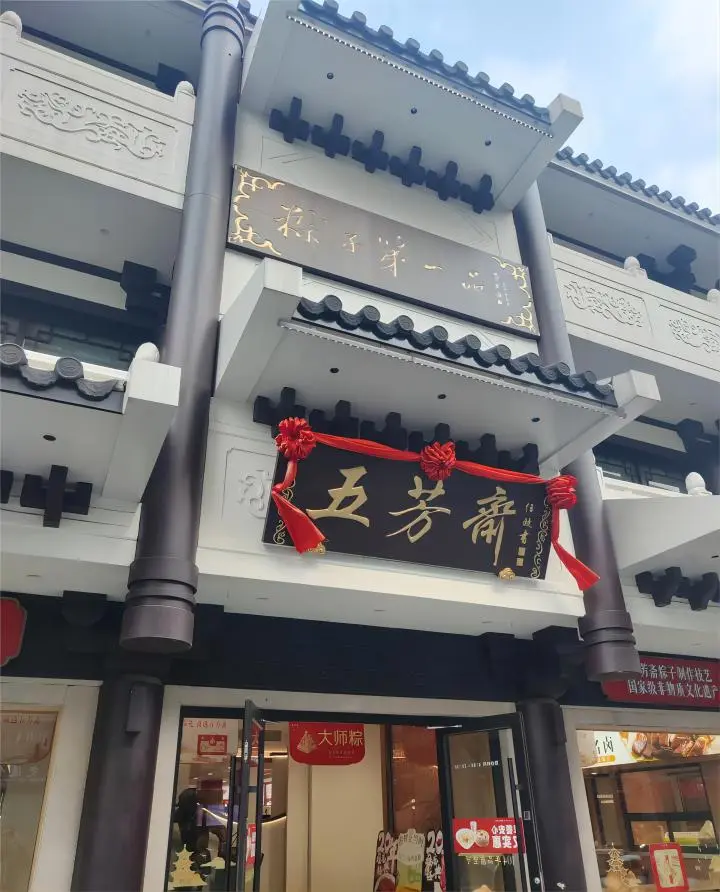
2. Zhenzhen Laolao (Hangzhou Hefang Street): A Taste of Hangzhou’s Dragon Boat Tradition
Location: 155 Hefang Street, Hangzhou, Zhejiang
Price: ¥25–45 per person; specialty zongzi ¥10–15 each
Access: On busy Hefang Street. Take Metro Line 1 to Ding’an Road (Exit D), then walk 10 minutes.
Specialty: A beloved Hangzhou brand known for its handmade Inheritor Zongzi. Top picks include the Fresh Pork Zong and Bean Paste Zong—simple, fragrant, and true to Hangzhou flavors.
Insider Tip: Hefang Street gets packed during holidays. Visit in off-peak hours. They also offer classic Hangzhou snacks.
Reservations: Possible by phone/online—double-check hours.
Nearby: Hu Qing Yu Tang TCM Museum, Zhu Bingren Bronze Art Museum.
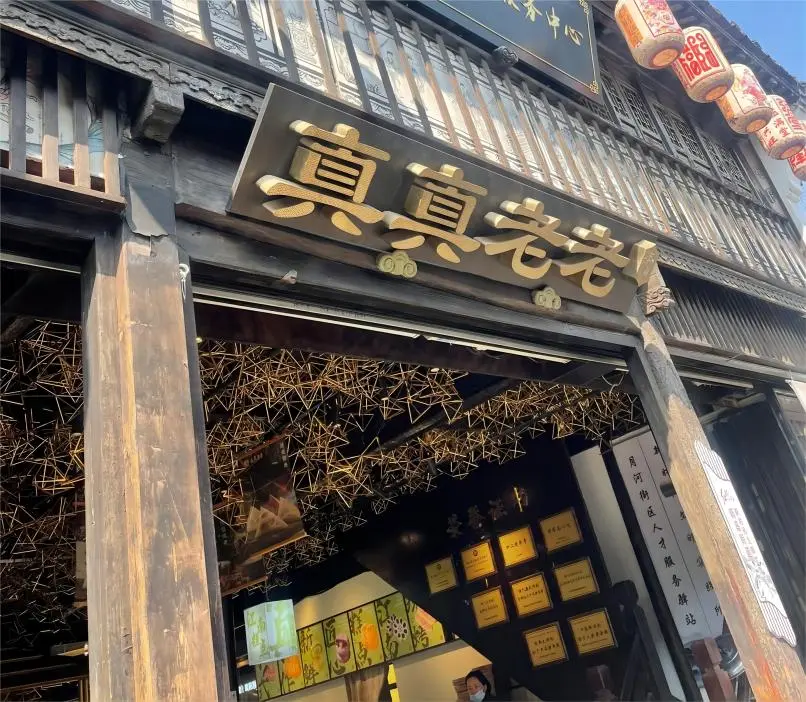
3. Zhu Laoda (Huzhou Yishang Street): The Signature Flavor of Huzhou Zongzi
Location: 77 Yishang Street, Huzhou, Zhejiang
Price: ¥20–35 per person; classic zongzi ¥8–12 each
Access: Bus to Yishang Street station, short walk.
Specialty: Established in 1887, Zhu Laoda is synonymous with Huzhou-style zongzi. Their Washed Bean Paste Sweet Zong is aromatic and not overly sweet, while the Fresh Pork Zong is savory and tender.
Insider Tip: Expect festival crowds. Arrive early. Local pastries also available.
Reservations: Phone/online (confirm availability).
Nearby: South Taihu Lake Resort, Feiying Pagoda, Lianhua Village for scenic and cultural stops.

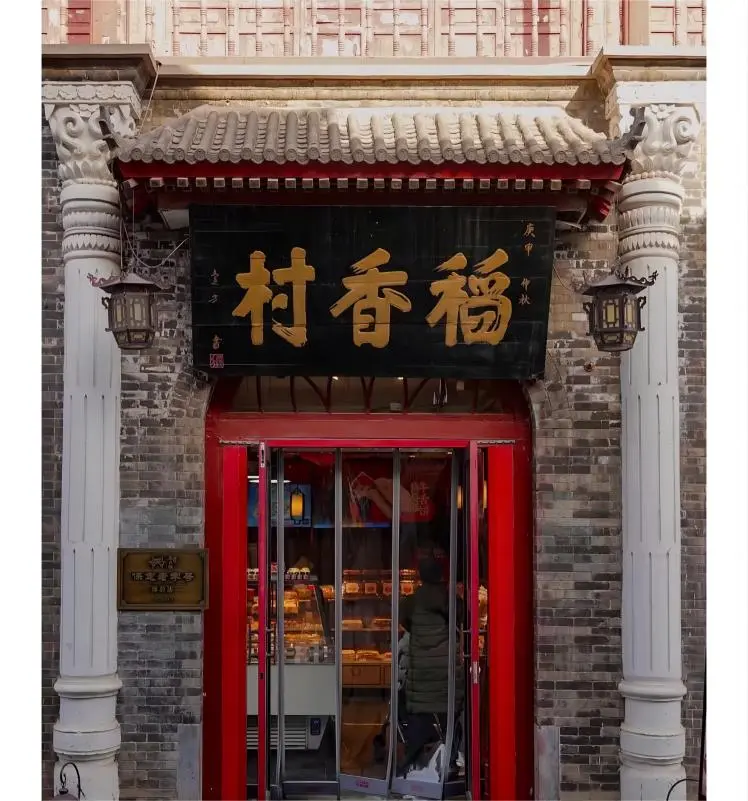
4. Daoxiangcun (Beijing Qianmen Store): Classic Northern-Style Zongzi
Location: 133 Qianmen Street, Dongcheng District, Beijing
Price: ¥30–50 per person; zongzi ¥10–15 each
Access: Metro Line 2/8 to Qianmen Station (Exit C).
Specialty: A historic Beijing Laozihao, Daoxiangcun offers signature Northern-style zongzi. Try the Small Date Zongzi and Bean Paste Zongzi for moderate sweetness and soft texture; the Fresh Pork Zongzi is rich and satisfying.
Insider Tip: Qianmen is tourist-heavy—avoid peak hours. They also sell popular Beijing pastries like Eight Delicacies and Saqima.
Reservations: Phone/online (check hours).
Nearby: Tian’anmen Square, Forbidden City—both within walking distance.
V. Conclusion: A Festival’s Spirit Wrapped in Leaves
More than a food, zongzi is a symbol of the Dragon Boat Festival—carrying wishes for peace, remembrance, and reunion. Whether you prefer the pure sweetness of the North or the bold flavors of the South, zongzi invites you to experience China’s traditions in the most delicious way possible.
During your trip, try visiting a local shop—or even join a family to wrap a few yourself. This Dragon Boat Festival, let zongzi be your gateway to understanding China’s heart and heritage. To dive deeper into Beijing’s real food culture, check out the full selection on our Beijing Local Food Trails page.