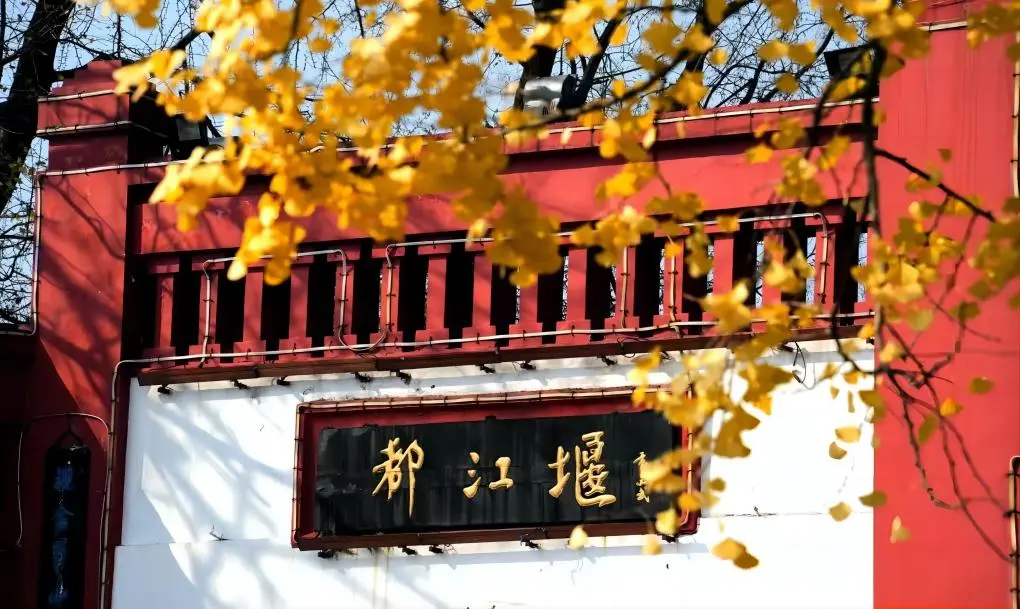
Dujiangyan Irrigation System: A 2,200-Year-Old Ecological Wonder Near Chengdu
An Ancient Love Letter to Nature
In a world where massive dams dominate rivers, there is one place that still flows freely — Dujiangyan, an ancient irrigation system on the Chengdu Plain in Southwest China.
For over 2,200 years, this UNESCO World Heritage Site has tamed floods and nourished farmlands — without using a dam. Built on the philosophy of “following the current,” Dujiangyan remains a masterpiece of ecological engineering and a living example of sustainable harmony between humans and nature.
There are no roaring machines here — only the quiet conversation between mountains and rivers. It doesn’t shout “man conquers nature,” but rather whispers the timeless Chinese wisdom of “Harmony between Heaven and Man.”
For modern travelers seeking sustainability and meaning, Dujiangyan is more than a scenic attraction near Chengdu — it’s an ecological poem written in water and stone.
I. Dujiangyan: A 2,200-Year-Long “Natural Experiment”
1. The Secret of the World’s Only Living Irrigation Heritage
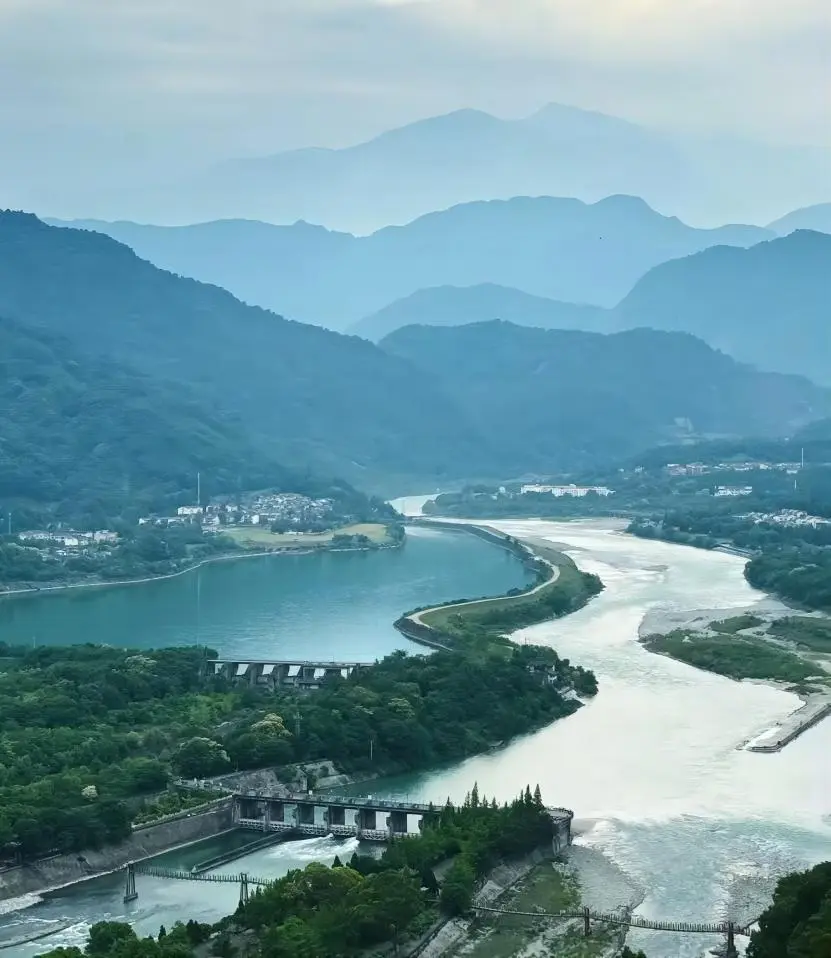
Dujiangyan is the world’s only ancient irrigation project still in operation today — and it has no dam. Built around 256 BC by the visionary engineer Li Bing and his son, it harnesses the natural topography where the Minjiang River leaves the mountains.
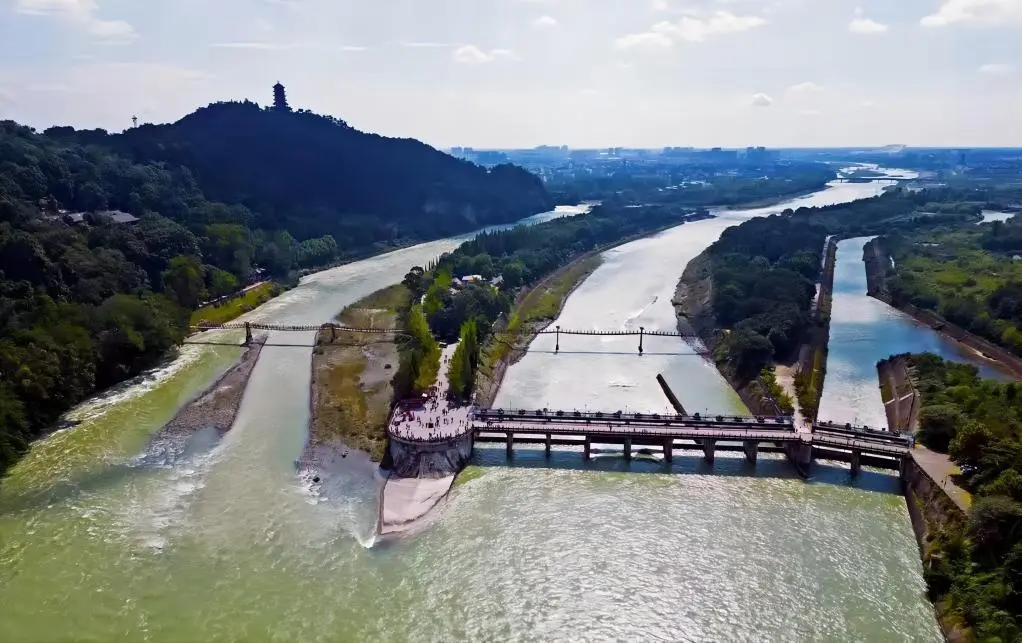
The system consists of three ingenious structures: the Fish Mouth Levee (Yuzui), the Flying Sand Weir (Feishayan), and the Bottle-Neck Channel (Baopingkou). Together, they control floods, irrigate farmland, and support navigation — all through nature’s own power.
- Fish Mouth Levee: Divides the Minjiang River into the Inner River (for irrigation) and the Outer River (for flood discharge). During high-water season, floods flow outward; during dry seasons, the Inner River provides steady irrigation.
- Flying Sand Weir: Its curved design automatically channels silt and debris into the Outer River, preventing blockages — a 2,000-year-old ecological filter still working today.
- Bottle-Neck Channel: A narrow, human-made passage that precisely regulates water flow into the Inner River, ensuring the Chengdu Plain stays fertile — “where drought and flood obey human will.”
UNESCO commends it for demonstrating “the ancient Chinese people’s profound understanding of natural laws.” Modern engineers often describe it as “the perfect marriage of science, ecology, and philosophy.”
2. From “Managing Water” to “Managing the Heart”
Beyond its engineering genius, Dujiangyan embodies a philosophy that shaped Chinese civilization. Li Bing and his son did not try to conquer the river — they learned from it. By studying its flow and terrain, they guided water rather than forcing it, creating a self-regulating system.
This idea of “guiding according to circumstances” mirrors Daoist wu wei (effortless action) and Confucian zhongyong (the Doctrine of the Mean). It reflects the timeless pursuit of harmony between humanity and nature — a lesson still relevant in today’s climate crisis.
Standing on the Fish Mouth Levee, watching the water split and reunite, one can’t help but wonder: Have we relied too much on machines and too little on wisdom? Perhaps the true key to sustainability lies in cooperation with nature, not control.
II. Travel Experience: Touching Living History
1. Must-See Spots: A “Hydraulic Aesthetics” Journey
- Fish Mouth Levee: Best viewed from the Anlan Suspension Bridge, where the river divides beneath your feet — a moment that feels like stepping back to the Qin Dynasty.
- Flying Sand Weir: Explore the Hydraulic Model Exhibition Hall to see how water flow changes across seasons — an interactive lesson in “using softness to overcome hardness.”
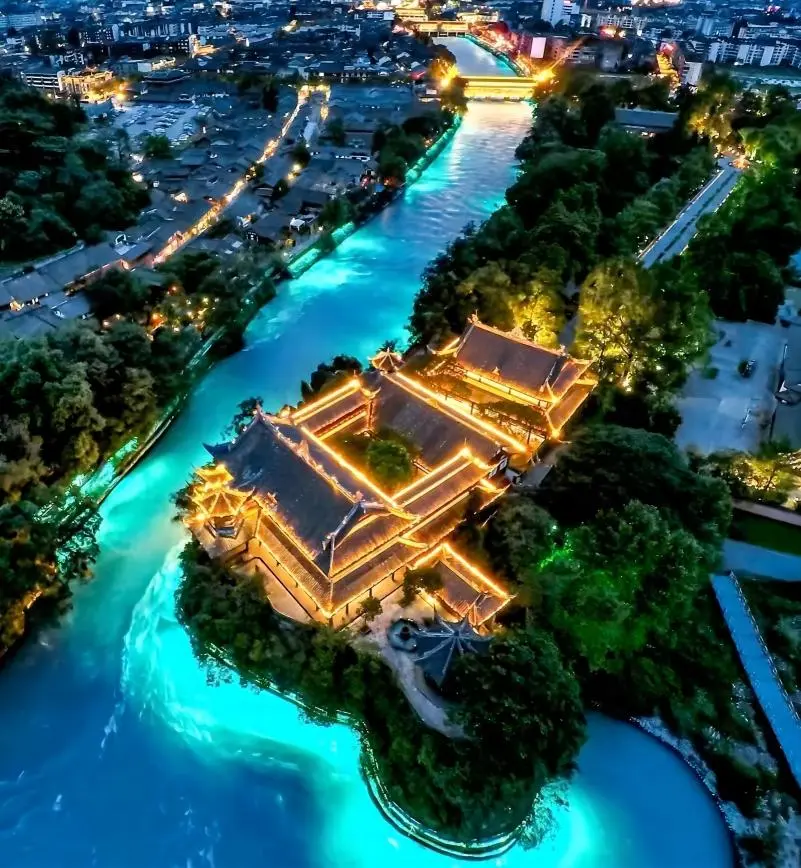
- Two Kings Temple (Erwang Miao): Dedicated to Li Bing and his son, this temple’s murals and carvings tell 2,000 years of water management history — an open-air museum of Chinese hydraulic culture.
- Bottle-Neck Channel: Stand at the narrow gorge where turbulent water suddenly flows calmly downstream — a living metaphor for “using the small to control the great.”

2. Insider Experiences: Be an Ancient Chinese Engineer for a Day
- Join the Water Releasing Festival: Held around early April, locals reenact the ancient macha (temporary dam) cutting ritual to release water. Participate in drumming and the symbolic dam-breaking ceremony.
- Hike Along the Inner River: Follow the channel as it nourishes villages and rice fields — a journey through how “a drop of water built a civilization.”
- Night View at Nanqiao Bridge: As lights shimmer on the Minjiang River, capture a scene often called “blue tears of Dujiangyan.”
Conclusion: An Ecological Poem for the Future
Dujiangyan proves a timeless truth — progress doesn’t mean conquering nature, but dancing with it.
As the world faces climate change and water scarcity, this 2,200-year-old system offers more than a technical miracle. It offers a philosophy of coexistence — respect the laws of nature, act with moderation, and use wisdom to achieve balance.
Among all Chengdu attractions, Dujiangyan stands out as both a breathtaking landscape and a living UNESCO World Heritage Site — a place where the past and the future still flow together.
Come to Dujiangyan, and let the water that has flowed for over two millennia tell you — humans and nature can truly live in harmony. Planning a trip to Dujiangyan? Don’t miss our complete Dujiangyan travel guide for detailed tips on tickets, best visiting routes, opening hours, and how to make the most of your Chengdu day trip.
Travel Information:
Ticket: ¥80 (includes park shuttle bus).
Transit: Take the high-speed train from Chengdu’s Xipu Station to Lidui Park Station (30 minutes).
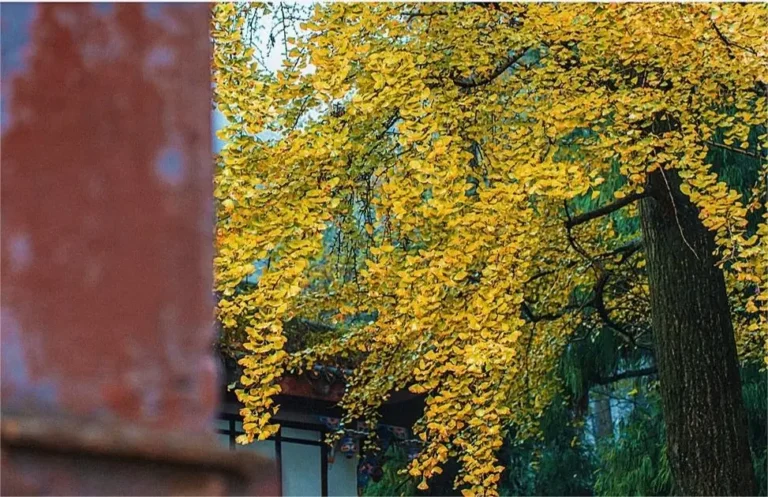
Best Season: All year — spring for blossoms, summer for riverside cool, autumn for golden leaves, winter for mountain snow.