Fengxiang Clay Sculpture: Xi’an’s Intangible Heritage
Walking through Xi’an’s Muslim Quarter (Huimin Jie), you might notice colorful, charming clay figurines that immediately catch your eye. These are Fengxiang Clay Sculptures, a folk art tradition from Shaanxi with a history of over 600 years, and one of China’s Four Great Clay Arts. Recognized on the National Intangible Cultural Heritage list in 2006, these sculptures are more than souvenirs—they are a window into the aesthetics and beliefs of China’s agrarian civilization.
From intricate tigers to auspicious frogs, each piece carries stories of blessing, protection, and celebration.
I. History of Fengxiang Clay Sculpture
Originating in the Ming Dynasty, Fengxiang Clay Sculpture began in Liuying Village, Fengxiang. Local artisans crafted figurines for the imperial court, including Clay Roosters praised as “divine objects.”
The Loess Plateau’s soil gave the craft its unique texture: high viscosity and low impurities allow for smooth, durable sculptures. Over centuries, these figurines became symbols of folk beliefs:
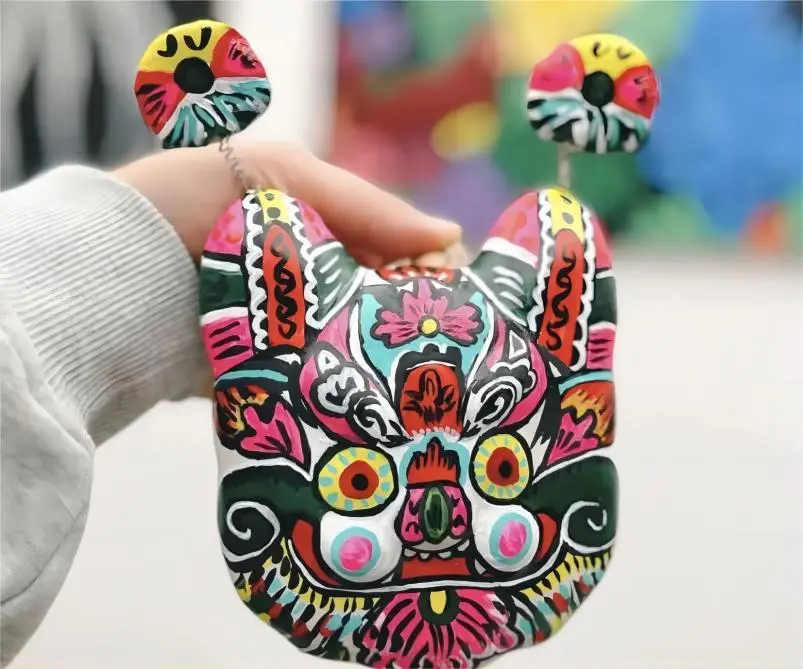
- Tiger Head Hanging Piece (Hutou Guapian) – wards off evil for newborns.
- Five Poisons Frog (Wudu Qingwa) – used during Dragon Boat Festival to protect families and pray for a bumper harvest.
These works embody both artistry and daily life, earning the nickname “clay that speaks.”
II. Classic Fengxiang Clay Sculpture Works
Fengxiang Clay Sculpture is characterized by bright colors, exaggerated forms, and auspicious symbolism. Key examples include:
1. Painted Clay Sitting Tiger (Nicaizuohu)
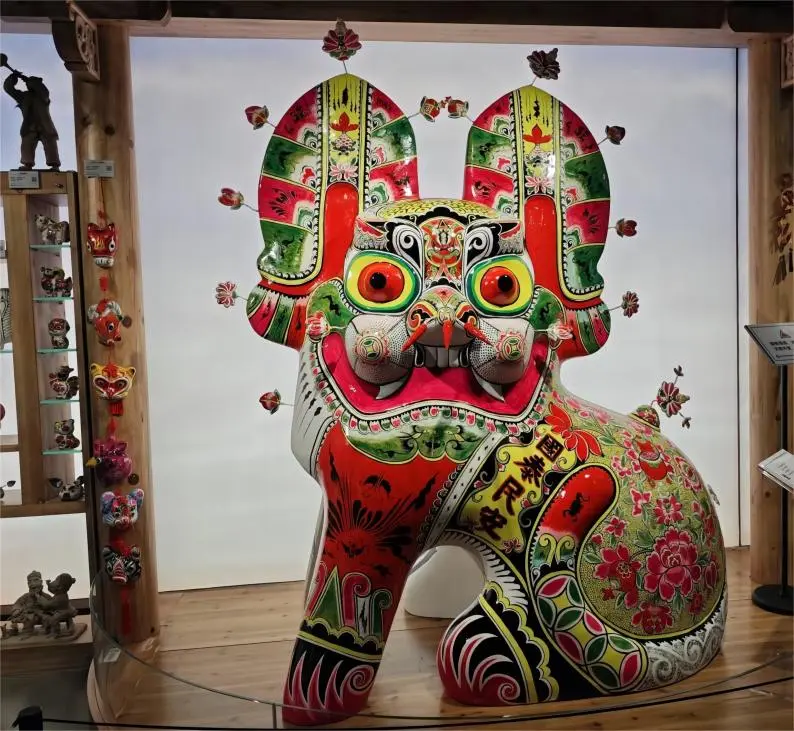
The iconic 30 cm sitting tiger features black patterns on a white base, highlighted with red, green, and gold. Decorated with Taoist motifs like Eight Trigrams (Bagua) and the character “Wang” (King), it blends majesty with folk beliefs. In 2002, it was featured on a Chinese Zodiac Stamp, becoming a national cultural ambassador.

2. Tiger Head Hanging Piece
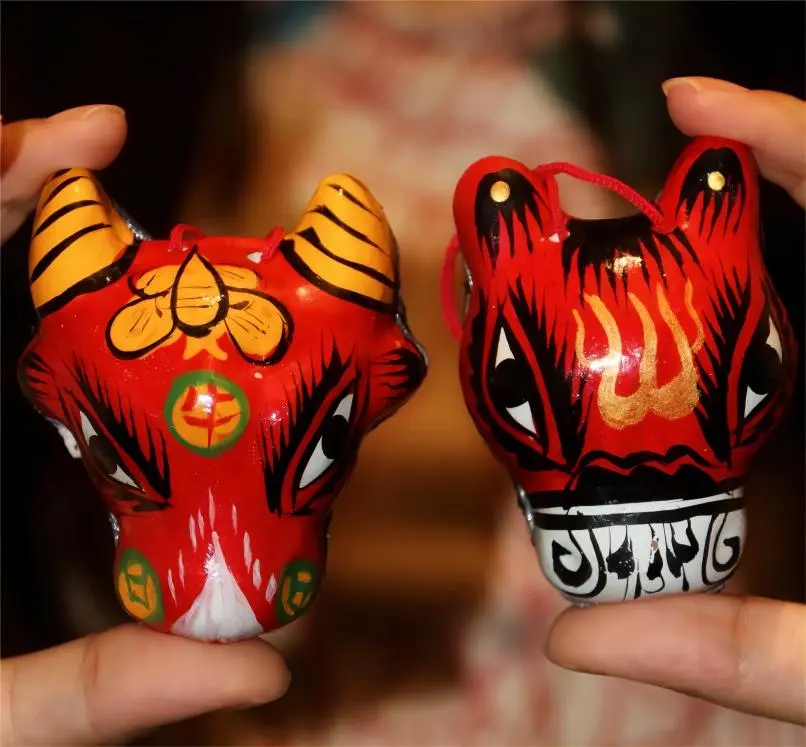
Designed for newborns, this 15 cm circular piece has a rounded tiger face with the characters “Wang” and “Fu” (Fortune) to protect children. It is now a popular souvenir and cultural product.
3. Five Poisons Frog (Wudu Qingwa)
A Dragon Boat Festival tradition, this clay frog displays the Five Poisons (snake, scorpion, centipede, gecko, toad), symbolizing protection. Often holding wheat, it also signifies abundance and agricultural blessings.
III. Where to See and Try Fengxiang Clay Sculpture in Xi’an
1. Shaanxi Intangible Cultural Heritage Museum (Xi’an Branch)
Near the Big Wild Goose Pagoda, the museum hosts a Fengxiang Clay Sculpture Thematic Exhibition. Visitors can explore over 100 works, tools, and interactive installations. Hands-on workshops are held every Sunday, letting tourists craft their own small clay tigers.
2. Yongxingfang Intangible Cultural Heritage Street
This “heritage alley” features a Fengxiang Clay Sculpture Workshop by Liuying Village artisans. Visitors can buy traditional pieces like sitting tigers and hanging pieces, or creative items like clay phone stands and fridge magnets. Master artisan Hu Xinming often demonstrates the full process “from mud to sculpture.”
3. Shuyuan Gate Cultural Street
The Clay Sculpture Home shop allows visitors to customize sculptures from photos or designs, including zodiac figures and cartoon characters. Turnaround is 3 days, with prices from ¥200–¥800. Mini clay kits are available as cultural gifts for children.

IV. Travel Tips for Fengxiang Clay Sculpture
- Purchasing: Keep traditional unglazed clay pieces away from humidity; waterproofed cultural products are safe for travel.
- Cultural Etiquette: Motifs like the Five Poisons are for protection, not decoration—ask permission before photographing.
- Best Time to Visit: Year-round exhibitions; Sunday workshops are ideal for hands-on experiences.
- Extended Experience: Pair with Shaanbei Paper-Cutting or Ansai Waist Drum experiences to explore broader Loess Plateau culture.

Conclusion: Six Centuries of Expression in Clay
Handling Fengxiang clay and watching the first stroke of red bring a tiger’s face to life is not just a crafting activity—it is participating in centuries of cultural dialogue. Using simple clay, artisans have condensed Loess Plateau life, agrarian wisdom, and the Chinese aspiration for beauty into enduring works. In Xi’an, a city where history and modernity merge, Fengxiang Clay Sculpture invites visitors to touch, create, and carry home a piece of living culture.
Discover more in our Xi’an Tourist Attractions Collection and China Cultural Heritage Tours Collection to plan your journey.