
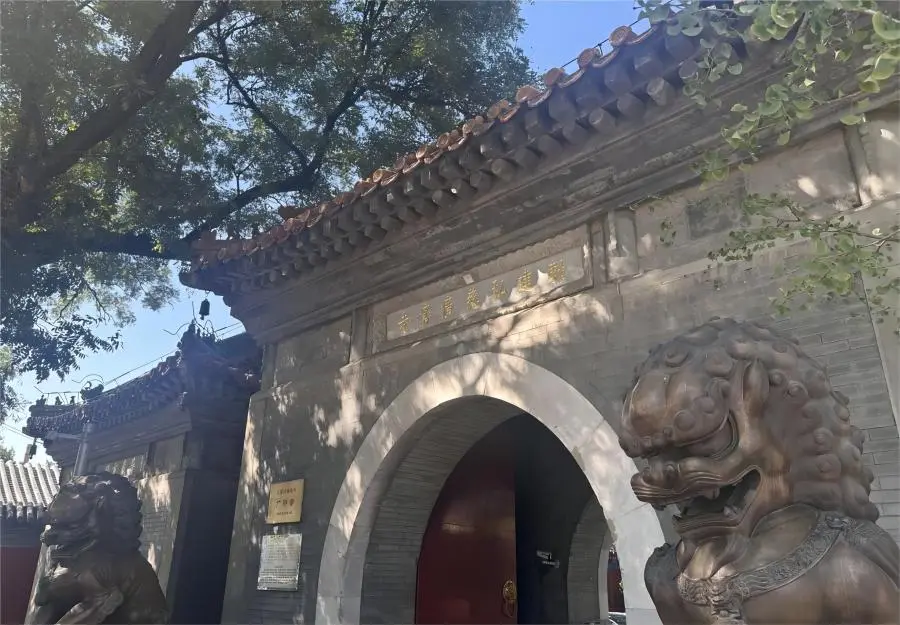
Guangji Temple, Beijing: Tranquil Zen and Human Warmth in the Heart of the Capital
Nestled on Fuchengmen Inner Street in Beijing’s Xicheng District, the ancient Guangji Temple (Broad Mercy Temple) was founded during the Jin Dynasty (1141 AD). Today, it serves as the headquarters of the Buddhist Association of China, combining profound Buddhist culture, architectural elegance, and an atmosphere of peace amid urban bustle. It is not only a sanctuary for monks and scholars but also a beloved destination where people seek blessings for love, career, and peace of mind.
I. A Cultural Landmark in the River of History
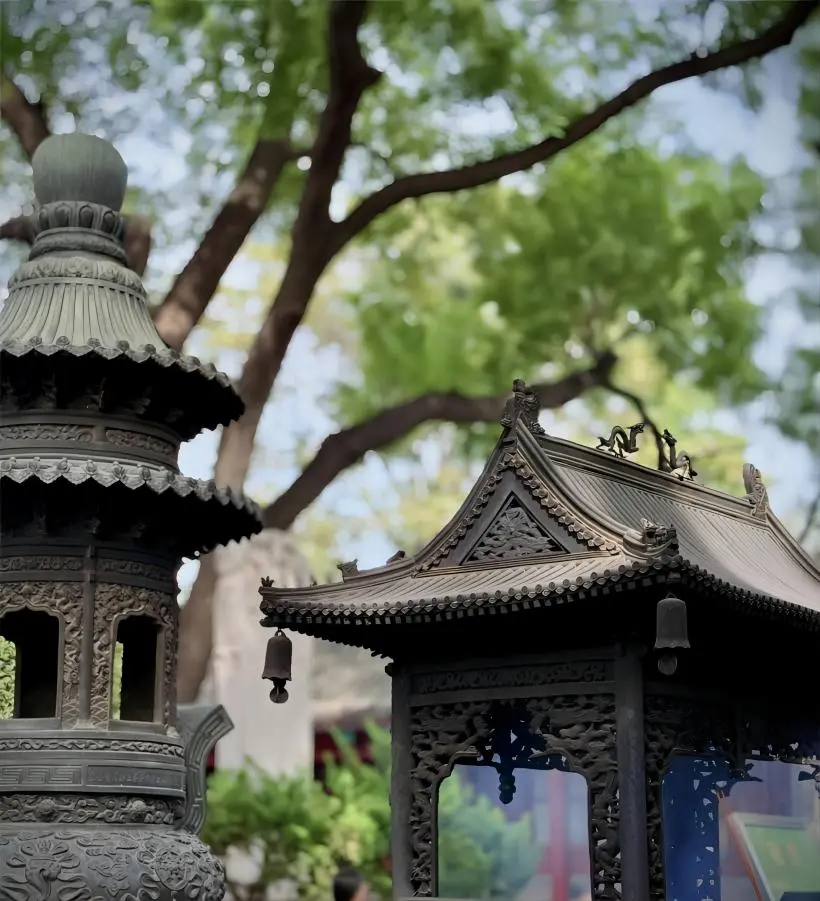
Originally known as Xiliucun Temple, Guangji Temple was rebuilt in the Ming Dynasty (1457 AD) and renamed “Hongci Guangji Temple” by Emperor Xianzong. During the Qing Dynasty, emperors Kangxi and Qianlong repeatedly visited to worship and inscribe plaques, elevating it to imperial temple status. Today, it remains a central hub of Chinese Buddhism, preserving Ming Dynasty structures and Qing Dynasty relics of immense cultural value.
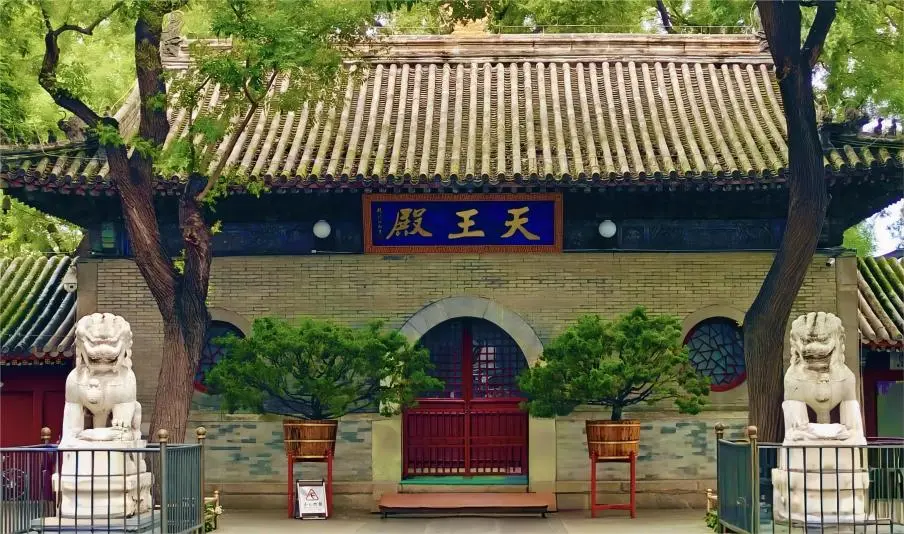
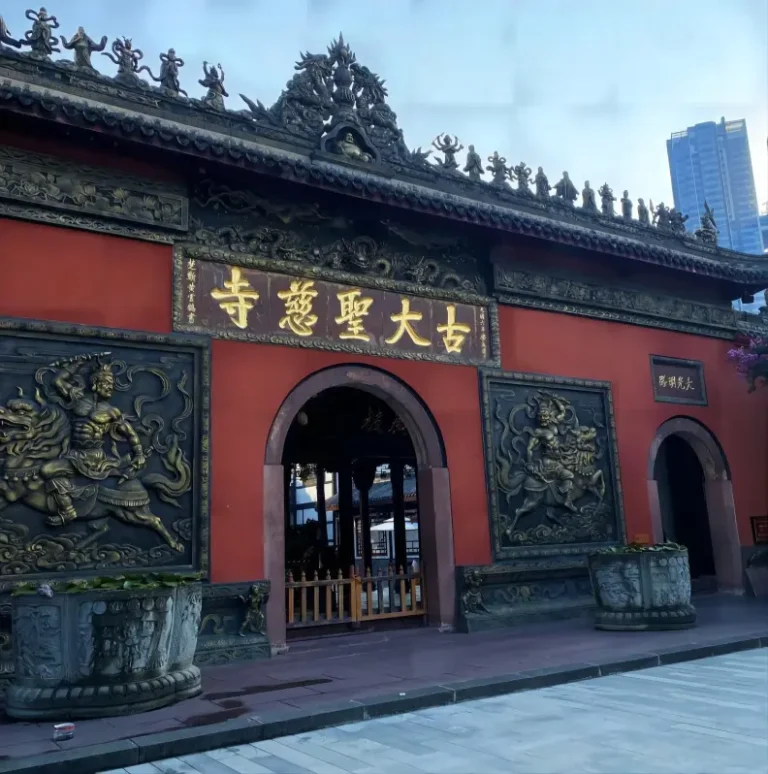
The temple follows the grand Ming–Qing layout: from the Mountain Gate to the Hall of Heavenly Kings, the Grand Hall, the Perfect Through Hall (Yuantong Dian), and the Sutra Repository. Inside, visitors can admire the Buddhas of the Three Ages, the exquisite Thousand-Hand Guanyin, and the sacred Blood Sutras, all designated National First-Class Cultural Relics.

II. The Secret of Abundant Incense: From Faith to Everyday Blessings
Guangji Temple’s prosperity stems from its deep heritage and connection between belief and daily life:
- Blessings for Marriage: The Thousand-Hand Guanyin in the Perfect Through Hall is famed for granting wishes. Couples tie red strings to pray for harmony and touch the Buddha’s foot to seek fertility and family happiness.
- Prayers for Career and Protection: Business visitors light incense at the Grand Hall to invite noble assistance and ward off misfortune. Monks perform chanting rituals, filling the temple with solemn warmth.
- Hub of Cultural Exchange: As the seat of the Buddhist Association of China, Guangji Temple regularly hosts lectures, meditation workshops, and tea-zen sessions, allowing visitors to experience the union of “Zen and Tea as One.”

III. Visitor Highlights: A Dialogue Across Centuries
Appreciate the Temple’s Architectural Beauty
- Ming Dynasty Frescoes: The four Heavenly Kings retain their original color and form, reflecting the artistry of Ming Buddhist sculpture.
- Thousand-Hand Guanyin: Standing 3 meters tall, the statue’s 42 arms hold Dharma implements symbolizing compassion.
- Qing Dynasty Blood Sutras: The Lotus Sutra written in tongue-tip blood testifies to the depth of devotion.
Experience Living Zen
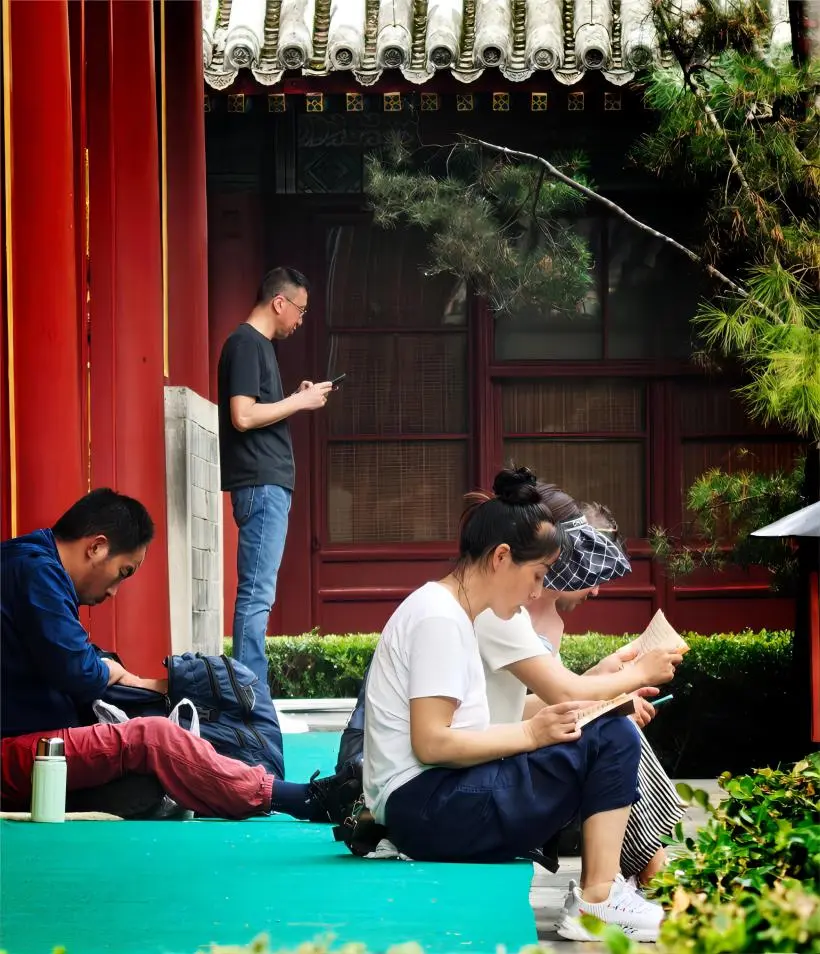
Each morning at 10:00 AM, the Morning Chanting Ceremony (Zaoke) invites visitors to meditate amid Sanskrit chants. On the 1st and 15th of each lunar month, the Pufuo Dharma Assembly allows guests to chant alongside monks and feel the resonance of Buddhist sound and spirit.
City Life and Serenity Intertwined
After visiting, stroll along Fuchengmen Inner Street, tasting old Beijing snacks like Douzhi (fermented mung bean milk) and Jiaochuan (deep-fried rings). The contrast between “cultivating the heart within, savoring life outside” defines Guangji Temple’s living Zen.
IV. Souvenir Guide: Bringing Home a Touch of Zen
- Creative Store Picks:
- Heart Sutra Copybooks: Practice mindful writing and experience inner calm.
- Thousand-Hand Guanyin Ornament: Wooden or glazed, symbolizing peace and good fortune.
- Guangji Temple Bookmarks: Featuring temple imagery, ideal keepsakes for travelers.
- Traditional Dharma Items:
- Sandalwood or Crystal Mala Beads: Consecrated by monks, symbolizing wisdom.
- Herbal Sachets: Mugwort and cinnabar blends to invite peace and protection.
V. Practical Information
- Address: No. 25 Fuchengmen Inner Street, Xicheng District, Beijing
- Opening Hours: 7:00 AM–4:30 PM (Free Admission)
- Transportation: Subway Line 2 to Fuchengmen Station (Exit C), 5-minute walk; or Bus No. 3 or 13 to “Fuchengmen Nei.”
- Tips:
- Please keep quiet; photography inside halls is prohibited.
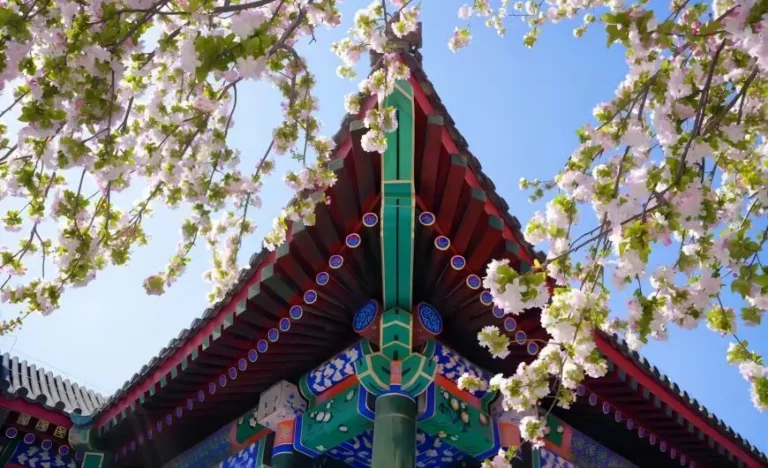
- Visit in spring to see the blooming crabapple trees while enjoying tea and poetry.
- Zen meditation sessions require prior booking via the Buddhist Association of China’s official site.
The charm of Guangji Temple lies in its role as both a living chronicle of Buddhist culture and a bridge between faith and daily life. As incense smoke rises amid Ming frescoes and morning bells, you may find that true blessings lie not in specific wishes—but in the Oriental wisdom that restores inner peace. For more inspiration, explore other highlights on our Beijing Tourist Attractions page.

You made some nice points there. I looked on the internet for the subject and found most individuals will consent with your blog.