Haipai Qipao: Shanghai’s Iconic Cheongsam and Oriental Modernity
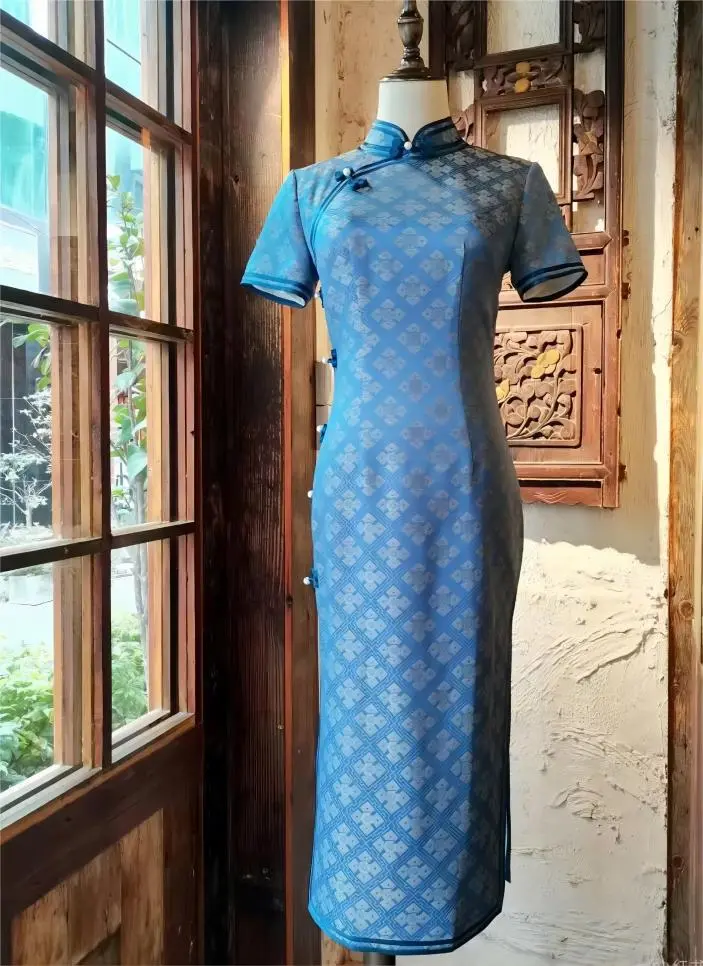
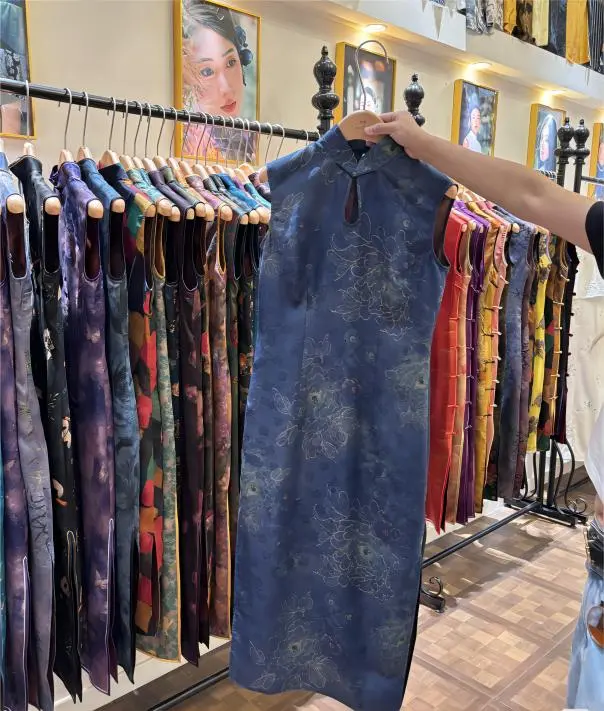
As you stroll under the plane trees along the Bund in Shanghai, have you noticed elegant women gracefully wearing form-fitting qipao? These perfectly tailored gowns retain their Oriental charm while seamlessly integrating Western fashion elements. This is the Haipai Qipao, also known as the Shanghai Style Cheongsam, celebrated as a symbol of Oriental modernity. Recognized as part of China’s Intangible Cultural Heritage, the Haipai Qipao is far more than clothing—it is a living history of Shanghai written in silk. This guide explores its historical origins, classic designs, contemporary innovations, and immersive experiences, helping you discover the elegance and cultural significance of Shanghai’s iconic cheongsam.
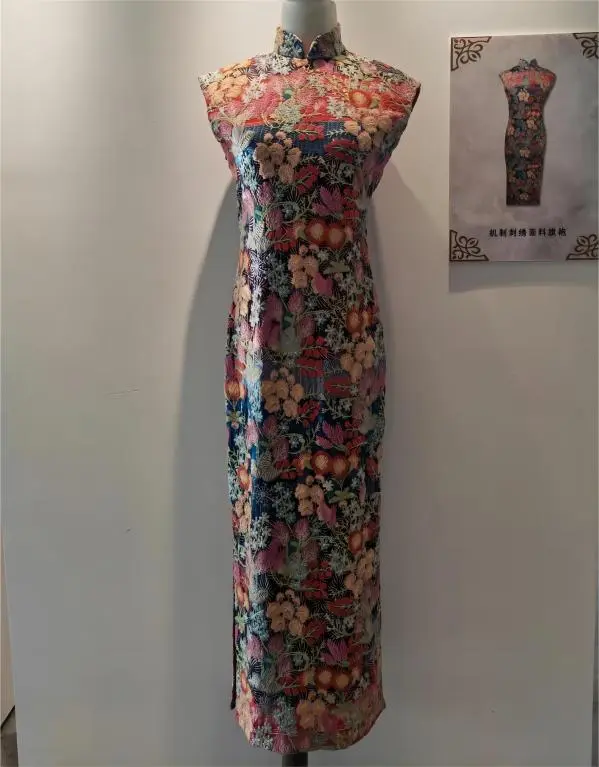
I. Haipai Qipao: Bridging East and West in Fashion
1. From Traditional Qizhuang to Modern Qipao
The qipao traces its origins to the Manchu Banner Dress (Qizhuang) of the Qing Dynasty, designed with wide robes and large sleeves for horse riding and archery. With Shanghai opening up to foreign trade in the late 19th century, Western tailoring techniques began influencing local dress. By the 1920s, Shanghai tailors introduced three-dimensional cutting, creating qipao with cinched waists, high slits, and short sleeves. In 1929, the Nationalist Government officially designated the qipao as the “National Dress” (Guofu), elevating it from a regional garment to a national cultural symbol.
2. The Golden Age of Haipai Qipao
Shanghai in the 1930s and 1940s was the “Paris of the Orient.” Film stars such as Ruan Lingyu and Zhou Xuan popularized the qipao through cinema, with appearances in films like The Goddess and Street Angel. Meanwhile, socialites like Tang Ying and Lu Xiaoman commissioned bespoke qipao, transforming the gown from everyday wear into haute couture art.
3. The Innovation Code: East Meets West
The Haipai Qipao embodies the philosophy of “Chinese essence, Western application”. Mandarin collars (pan-kou) adopted Western button techniques, Italian lace pipings adorned the edges, and fabrics ranged from French jacquard silk to Indian textiles. In 1947, Yang Chentai designed the “Dragon-Pattern Qipao” for Madame Chiang Kai-shek (Song Meiling), combining traditional embroidery with Western shoulder pads—a hallmark of the Haipai Qipao’s international fashion expression.
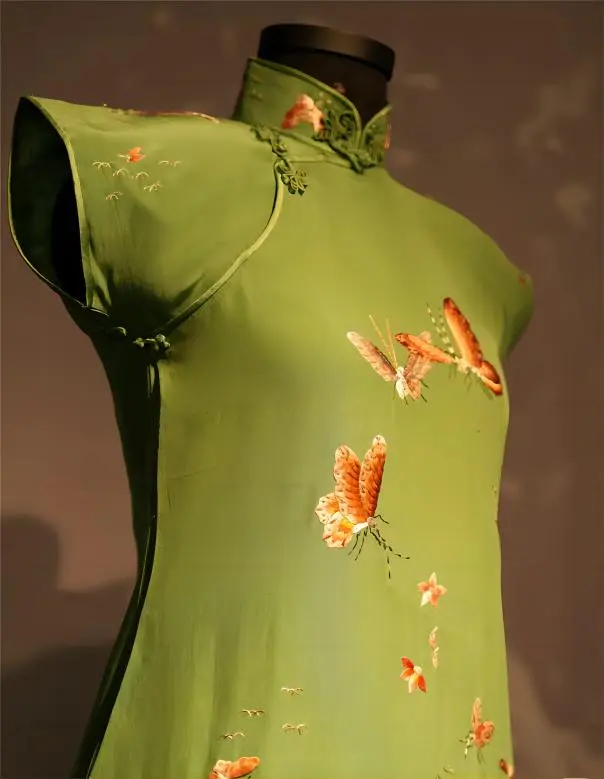
II. Classic Masterpieces: Timeless Artistry of Haipai Qipao
1. Literary Elegance: Eileen Chang’s Qipao
Writer Eileen Chang (Zhang Ailing) was both a qipao enthusiast and cultural advocate. In Love in a Fallen City, she described Bai Liusu wearing a pale gauze qipao with lotus-leaf sleeves and a perfectly fitted waist—a design philosophy “neither too tight nor too loose”, epitomizing the Haipai Qipao’s ability to highlight form without constraining the body. Today, Chang’s former residence in Shanghai preserves original qipao sketches, showcasing the timeless elegance of Haipai tailoring.
2. Cinematic Icons
In the 1934 film The Goddess, Ruan Lingyu wore a black satin qipao adorned with a single white rose, embodying elegance and resilience. In Wong Kar-wai’s 2000 film In the Mood for Love, Maggie Cheung wore 26 qipao designed by William Chang Suk Ping, including the iconic “Dark Green Grapevine Qipao” with Italian jacquard silk and pearl embellishments—symbolizing a modern revival of Shanghai’s cheongsam culture.
3. Contemporary Innovations
Modern inheritors of Shanghai’s intangible heritage continue innovating. Qiu Haisuo’s “Ink Wash Qipao” blends traditional Chinese ink painting with laser-cutting technology to create three-dimensional silk landscapes. At Shanghai Fashion Week 2023, designer Guo Pei debuted a “Metallic Qipao” featuring 3D printed scale-like decorations, maintaining the classic silhouette while adding futuristic flair—showing the boundless potential of Haipai Qipao in modern fashion.
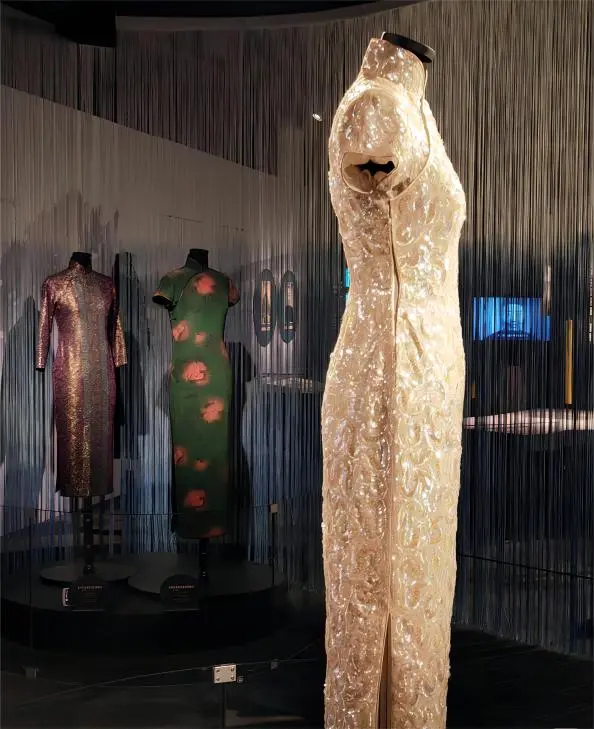
III. Immersive Experience Guide: Become a Haipai Socialite for a Day
1. Must-Visit Cultural Landmarks
- Shanghai Qipao Culture Museum: Exhibits over 300 Republican-era qipao, including private collections from the Soong sisters. Visitors can try mandarin knots (pan-kou) and experience traditional sewing techniques.
- Tianzifang Qipao Workshop: Inside a Shikumen (stone-gate house), artisans demonstrate piping and embroidery. Custom qipao orders are possible, taking 3–5 days.
- The Bund Origin Vintage Photo Studio: Offers 1930s-style photoshoots with vintage qipao, accessories, and Old Shanghai charm.
2. Pre-Trip Tips
- Measurements: Ensure bust, waist, hip, and height measurements are accurate for a perfect fit.
- Accessories: Pair with Oriental-style jewelry, such as pearl necklaces or jade bracelets; opt for 3–5 cm heels.
- Etiquette: Handle museum exhibits carefully; photography is allowed in workshop areas.
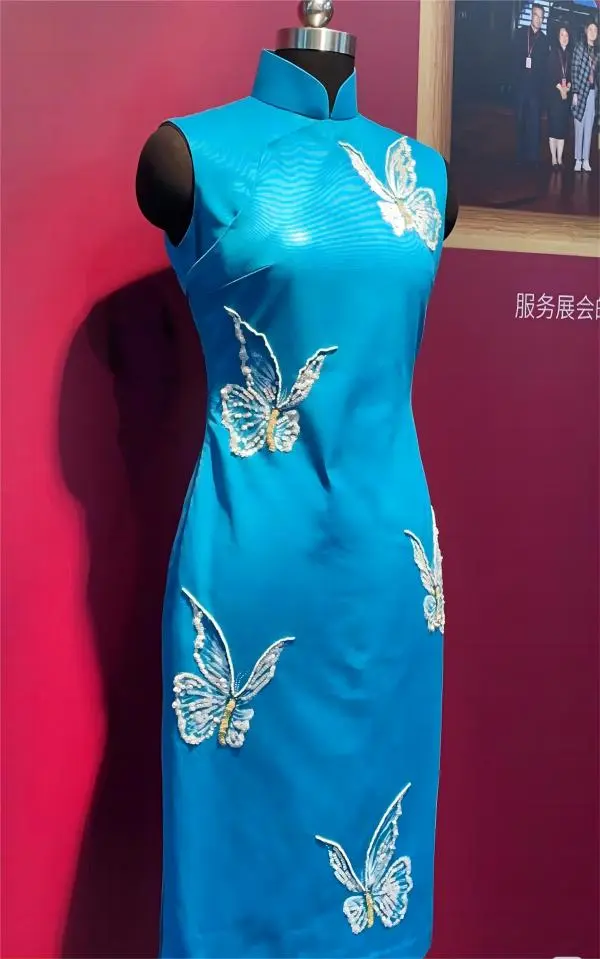
IV. Haipai Qipao: Oriental Modernity That Never Fades
Watching silk take shape in Tianzifang workshops, you may imagine stylish women walking Avenue Joffre (now Huaihai Road) a century ago. From Manchu attire to national ceremonial dress, from manual tailoring to digital design, the Haipai Qipao continues to strike a balance between tradition and modernity. As Guo Pei once said:
“The qipao is not a piece of clothing; it is a way of life.”
Next time you hear the melody of Ye Lai Xiang (Fragrance in the Night), put on a qipao, stroll Shanghai’s longtangs (laneways), and let the city’s history and fashion come alive on you.
Discover more in our Shanghai Tourist Attractions Collection and China Cultural Heritage Tours Collection to plan your journey.