Jietai Temple, Beijing: The Thousand-Year Ordination Altar of Zen
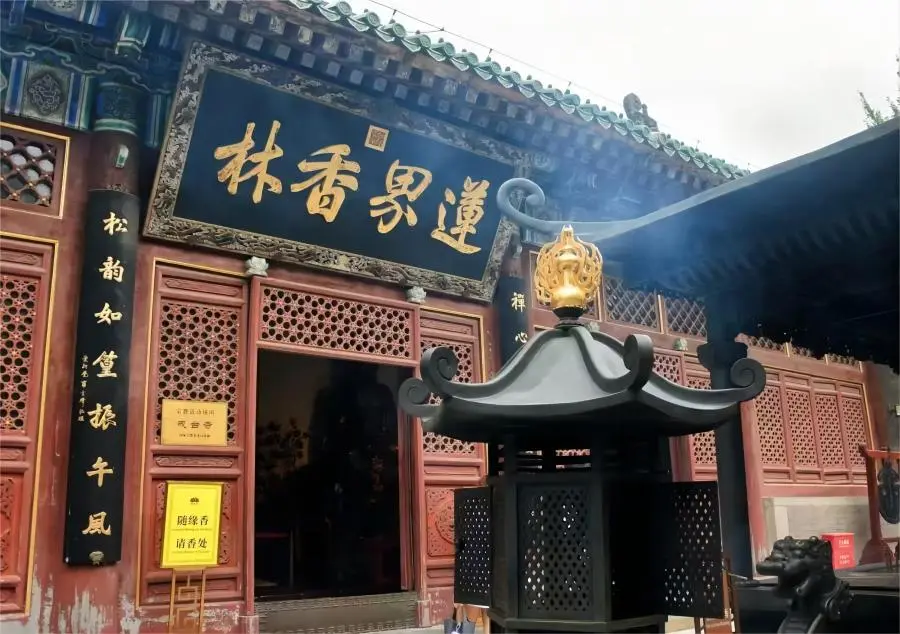
Nestled in the serene mountains of Mentougou on the western outskirts of Beijing, the thousand-year-old Jietai Temple (Ordination Altar Temple), established in the fifth year of the Tang Dynasty’s Wude reign (622 AD), stands as a timeless sanctuary of Buddhist wisdom. Known as the “Foremost Ordination Altar Under Heaven,” it harmoniously blends ancient architecture, venerable pines, and profound spirituality. Today, it is both a sacred Buddhist site and a refuge for modern spiritual seekers.

I. A Millennium of History and Architecture
Originally named Huiju Temple, Jietai Temple rose to prominence during the Liao Dynasty when Master Fajun established China’s largest ordination altar, making it the highest center of monastic practice in Northern China. During the Ming Dynasty, Emperor Yingzong renamed it Wanshou Chan Temple, though it remained popularly known as Jietai Temple.
The temple preserves Liao Dynasty steles and Yuan Dynasty sutra pillars, including Master Fajun’s Stele of Meritorious Deeds, documenting the Sinicization of Buddhism. Built into the mountain, the temple faces west to east, with its central axis pointing toward Beijing—an “Auspicious Sun” layout inspired by Khitan sun worship traditions.
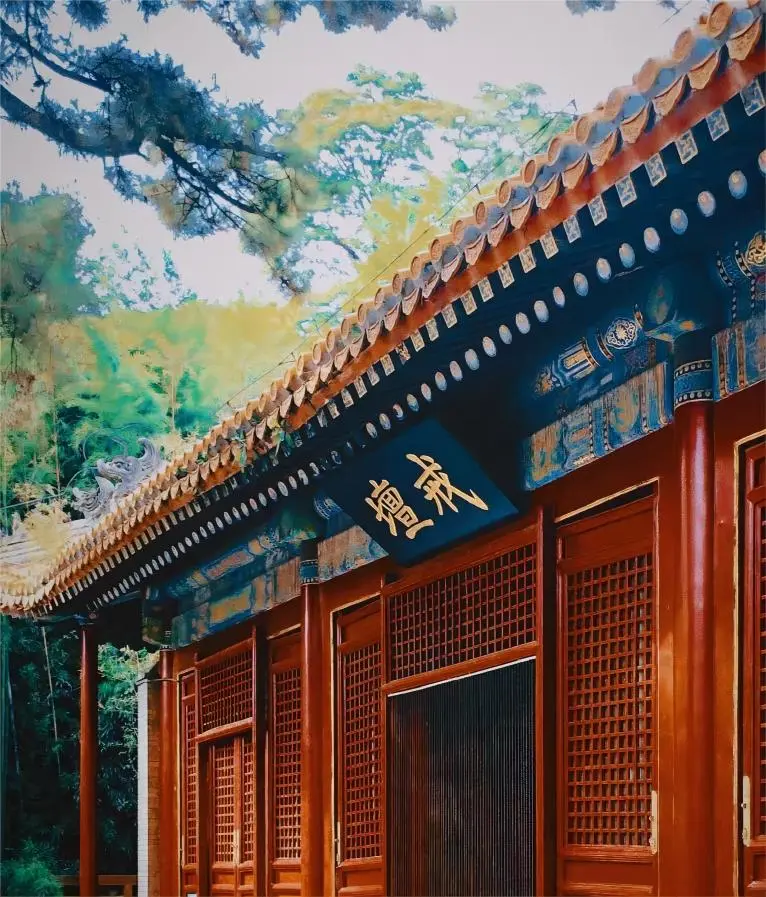
The complex includes the Hall of Heavenly Kings, the Grand Hall, the Thousand Buddhas Pavilion, and the Ordination Altar Hall—a 3.5-meter-high square marble platform carved with 113 Guardian Deities, representing the pinnacle of Chinese Buddhist ordination.
II. Understanding “Jie” (Precepts) and Spiritual Philosophy
At the heart of Jietai Temple is the concept of “Jie” (Precepts), the moral and behavioral disciplines guiding monks and lay practitioners. These precepts help prevent wrongdoing, restrain harmful thoughts, refine speech and actions, and cultivate a calm, focused, and compassionate mind.
The Ordination Altar (Jietan) is the sacred site where monks receive these precepts. Ordination symbolizes spiritual rebirth—shedding past attachments to begin a new life as a disciple of the Buddha.
Beyond religious practice, “Jie” offers timeless guidance for modern life. In our fast-paced world, a visit to Jietai Temple encourages visitors to “abstain from restlessness” (jie fú zào), experience inner serenity, and appreciate the profound calm that disciplined mindfulness brings.
III. The Temple’s Blessing Culture
Jietai Temple is also renowned for its prayers and blessings:
- Legends of Protection: In 1900, during the Eight-Nation Alliance invasion, locals sought refuge in the temple. Legend holds that the statues miraculously protected them, making “averting disaster and overcoming hardship” a central theme of worship.
- Safety and Prosperity: Visitors burn incense in front of the Hall of Wealth, praying for family well-being and career success.
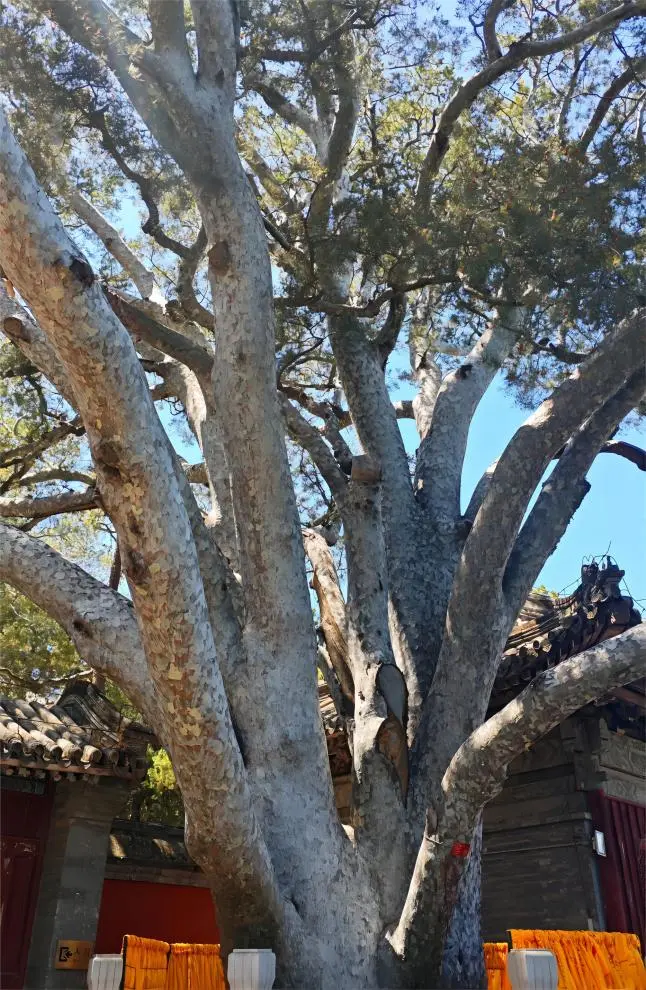
- Love and Fertility: The ancient Nine Dragon Pine symbolizes marital harmony. Couples also visit the Guanyin Hall, believing in Master Fajun’s blessings for children and family harmony.
IV. Must-Do Visitor Experiences
- Step onto the Ordination Altar to imagine monks’ solemn vows across centuries.
- Touch the “Dragon Scale” bark of the 1,400-year-old Nine Dragon Pine.
- Observe the Yuan Dynasty sutra pillar, carved with musicians and instruments, highlighting ancient cultural exchange.
- Stroll through the Peony Garden, once home to Prince Gong Yixin, with rare black peonies and tranquil Jiangnan-style pavilions.
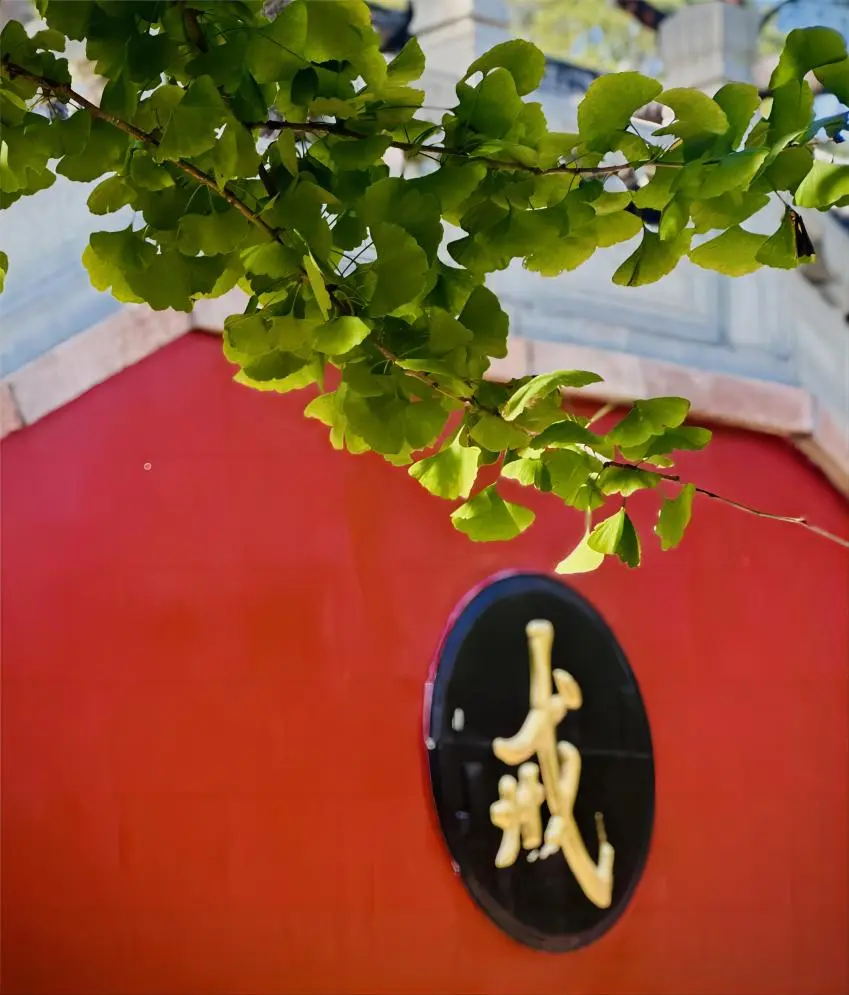
- See the hermaphroditic ginkgo tree in autumn—a unique spectacle offering dual seasonal beauty.
- Join Zen activities, such as calligraphy or meditation, embracing the philosophy: “Letting go is liberation.”
V. Souvenir Guide
The Cultural and Creative Store north of the Grand Hall offers:
- “Jietai Zen Cat” Series: Playful cat-themed designs combined with temple motifs.
- Glazed Magnets: Featuring the Ordination Altar and ancient pines.
- Zodiac Prayer Bracelets: Personalized blessings by zodiac sign.
- “Landing Success” Postcards: Pray for success in studies or career.
- Prayer Sachets: Fragrant herbs for home or car protection.
VI. Practical Information
- Address: Jingkun Road, Yongding Town, Mentougou District, Beijing
- Opening Hours: 8:30 AM–4:30 PM
- Admission: ¥45 (half price for students; free for seniors 60+)
- Transportation:
- Bus: S1 Subway Line to Shichang Station, then Bus 948 or M44 to Jietai Temple Station.
- Car: Park at Jietai Temple Second Parking Lot—five-minute walk to the entrance.
- Tips: Visit early for quiet. Wear comfortable shoes—many steps.

VII. Continue Your Spiritual Journey
If Jietai Temple’s serene wisdom inspires you, explore more sacred sites in our Temple Collection, where every monastery tells its story of devotion, Zen, and timeless beauty.
The timeless charm of Jietai Temple lies in its blend of history, architecture, and spiritual depth. As you enter the gates and hear the pines whisper alongside temple bells, you may discover that the truest blessing is not a fulfilled wish, but the peace and clarity awakened within yourself. For more inspiration, explore other highlights on our Beijing Tourist Attractions page.