Longquan Temple Beijing Travel Guide: Exploring the Zen of Technology and Ancient Wisdom in a Millennial Buddhist Monastery
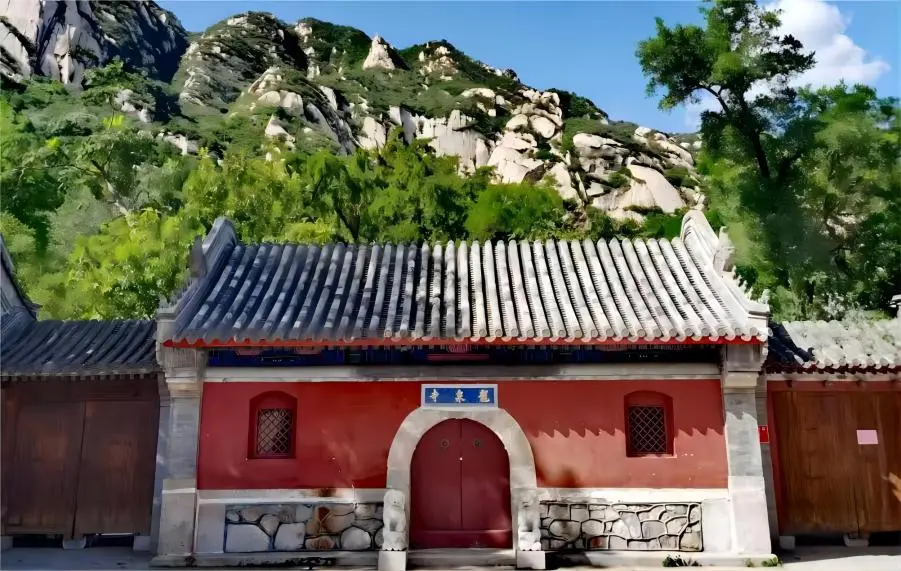
Located in the Phoenix Ridge Natural Scenic Area of Haidian District, about 40 kilometers from central Beijing, the thousand-year-old Longquan Temple (Dragon Spring Temple) is a serene yet dynamic Buddhist monastery that bridges tradition and modernity. Founded during the Liao Dynasty (951 AD), this Beijing Buddhist temple has gained international attention for its combination of ancient wisdom, modern technology, and spiritual blessings.
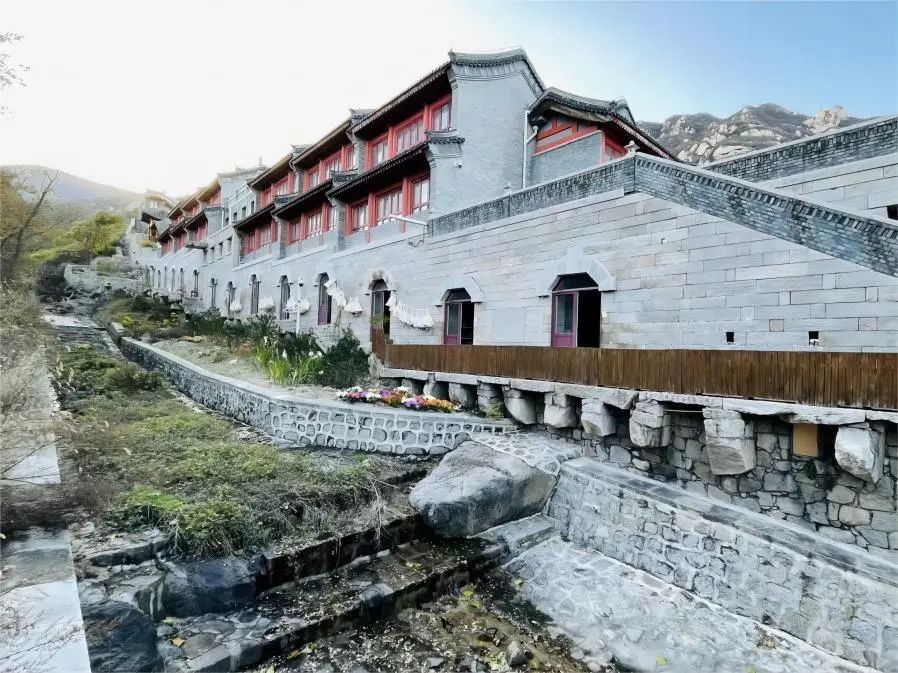
History of Longquan Temple, Beijing
Founded in 951 AD during the Liao Dynasty, Longquan Temple is one of the oldest Buddhist temples in Beijing. Facing east and nestled against Phoenix Ridge, the temple is surrounded by centuries-old trees — including two 600-year-old cypresses at the gate and a thousand-year-old ginkgo within the courtyard.
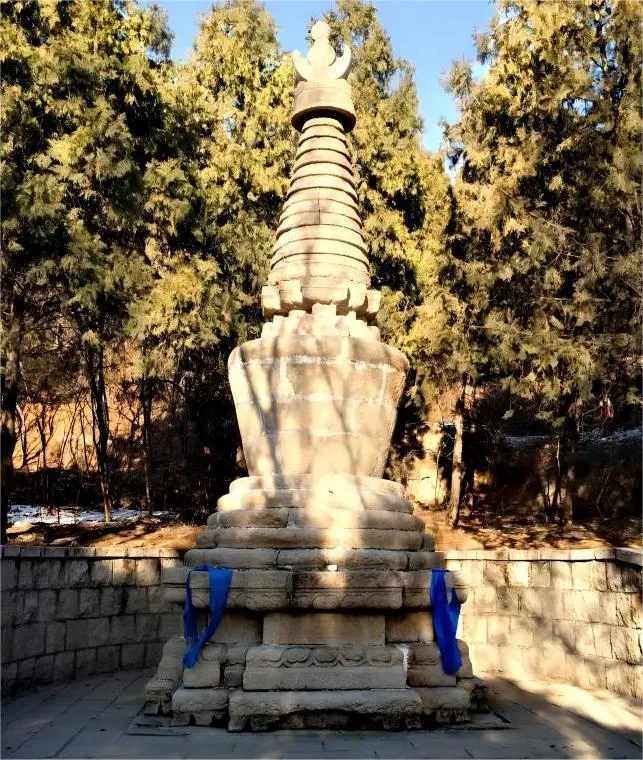
At the entrance stands the Golden Dragon Bridge, built by the first abbot, Master Jisheng. Nearby, the Jisheng Pagoda commemorates his passing, with legends of auspicious clouds and singing birds marking his nirvana.
During the Qianlong era of the Qing Dynasty, the temple was rebuilt into a three-courtyard complex, preserving classic Ming–Qing architecture. After reopening to the public in 2005, Longquan Temple adopted a modern management model under Abbot Xuecheng, blending ancient Buddhist order with contemporary organization.
Highlights of Longquan Temple: The High-Achieving Monastic Community and Tech-Zen Culture
Longquan Temple became widely known as “the temple most like a tech company” because of its remarkable monastic community, composed of monks and novices with master’s and doctoral degrees from elite universities such as Tsinghua University, Peking University, and the Chinese Academy of Sciences. Their innovative approach integrates technology with Buddhist practice:
- Robot Monk Xian’er : The world’s first Buddhist AI monk, capable of answering Dharma questions, playing Zen music, and chatting with visitors using internet slang.
- Xian’er Animation: The temple’s animated series featuring Xian’er has won China’s Golden Monkey Award, sharing Chan (Zen) Buddhist stories with millions of online viewers.
- Digital Temple Management: From volunteer scheduling to Dharma assembly coordination, the temple’s self-developed systems exemplify smart management in a Buddhist setting, inspiring the nickname “China’s most tech-savvy temple.”

Blessings and Culture: The Secret Behind Longquan Temple’s Flourishing Incense
The vibrant energy of Longquan Temple Beijing comes not only from its thousand-year history but also from how it resonates with the spiritual needs of modern visitors seeking Buddhist blessings.
- For Marriage Luck: The “Lovers’ Slope” near the temple is famous among singles who hang prayer plaques for love. The temple’s Matchmaker Hall (Yuelao Dian) is a popular place to pray for relationships.
- For Wisdom and Study: Many parents bring their children to pray at the Manjushri Hall, seeking intelligence and success—befitting the temple’s identity as a “high-achiever temple.”
- For Spiritual Healing: The temple offers Zen meditation retreats, Eight-Precept programs, and the Earth Heart Farm (Dadi Xin Nongchang) for hands-on agricultural Zen practice, helping visitors find peace through mindful labor.

Things to Do at Longquan Temple, Beijing
- Morning Bell and Evening Drum: Attend the serene morning chanting ceremony (6:00 AM in summer, 6:30 AM in winter) as monks’ chants echo through the Phoenix Ridge mountains—a must for any Beijing temple visitor.
- Volunteer Experiences: Participate in temple volunteer work—help in the library, assist with animation projects, or engage in charity programs for a deeper connection with monastic life.
- Vegetarian Dining: The Longquan Dining Hall (Longquan Zhai Tang) serves purely vegetarian meals. Try the signature “Arhat Vegetables” and Zen Tea, with an average cost of about ¥30 per person.
Souvenirs and Cultural Gifts
- Buddhist-Themed Products: The Xian’er dolls and robot monk models are among the temple’s most popular items. Hand-painted Heart Sutra folding fans combine Buddhist art and philosophy.
- Traditional Crafts: Unique ginkgo leaf bookmarks and scented sachets are handmade by volunteers under monastic guidance—each with its own serial number.
- Technology-Inspired Gifts: The Xian’er AR postcards, revealing 3D animations when scanned, are favorites among younger visitors and social media enthusiasts.
Visitor Information
- Address: No. 27 Fenghuangling Road, Haidian District, Beijing, China.
- Transportation: Take Subway Line 16 to Beianhe Station, then transfer to Bus Zhuanyun 16, or take Bus 346 from Xiyuan Hub Station to Phoenix Ridge Terminus.
- Opening Hours: 8:30 AM–4:00 PM (subject to seasonal changes).
- Admission: Free (advance reservation required via the official Beijing Religious Sites Reservation Platform).
Conclusion
The beauty of Longquan Temple Beijing lies in its ability to harmonize ancient Buddhist wisdom with modern innovation. Here, millennial trees stand beside AI robots, and the echo of the morning bell merges with the hum of digital life. Whether you come to pray for blessings, study Zen philosophy, or simply explore a Buddhist temple unlike any other in China, Longquan Temple offers a journey that transcends time, technology, and the human spirit. For more inspiration, explore other highlights on our Beijing Tourist Attractions page.