Discover Shaanbei Paper-Cutting: Xi’an’s Intangible Heritage
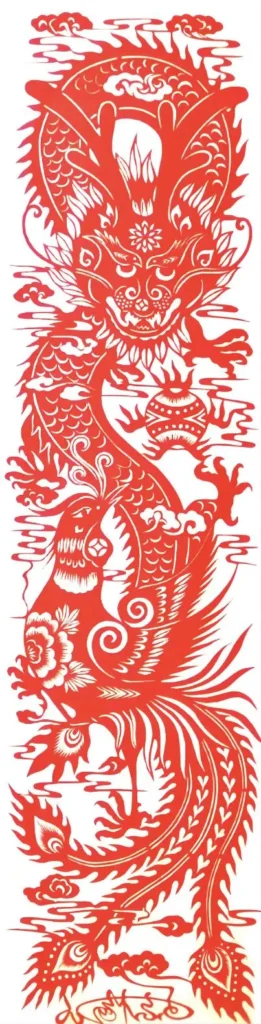
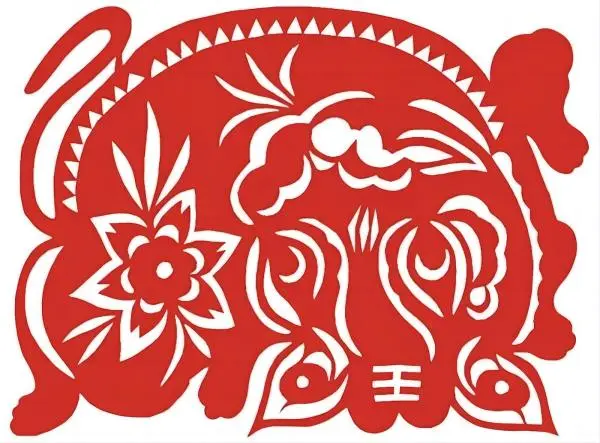
As you stroll through the Loess Plateau or the bustling streets of Xi’an, bright red paper-cuts decorating windows, doors, and alleys immediately catch your eye. This is Shaanbei Paper-Cutting (Shaanbei Jianzhi), a folk art that combines boldness with delicate patterns, and one of China’s UNESCO Intangible Cultural Heritages. Each piece tells a story — from ancient myths to daily life — preserving the rich culture of Shaanbei for over a thousand years.
Whether you are a cultural traveler or an art lover, exploring Shaanbei paper-cutting offers a unique window into China’s traditions.

I. The History of Shaanbei Paper-Cutting
Shaanbei Paper-Cutting traces its roots back to the Neolithic Age, with patterns resembling the human-headed snakes and fish-bodied humans of the Yangshao culture. By the Northern and Southern Dynasties, round floral designs (tuanhua) appeared in tomb relics, and by the Tang Dynasty, paper-cutting had evolved into a respected art form, referenced in Du Fu’s poetry.
Shaanbei’s geography — a rugged plateau surrounded by loess gullies — shaped its distinct style. Women transformed simple paper into intricate art, creating a “wordless history book” to record life, festivals, and folklore.
Some classic motifs include:
- Kirin Sending a Child (Qilin Songzi) – celebrates childbirth and blessings for children.
- Pine Crane for Longevity (Songhe Yiannian) – a symbol of health and long life.
Through these patterns, Shaanbei paper-cutting has become both a cultural living fossil and a vivid expression of daily life.
II. Symbols and Stories in Shaanbei Paper-Cutting
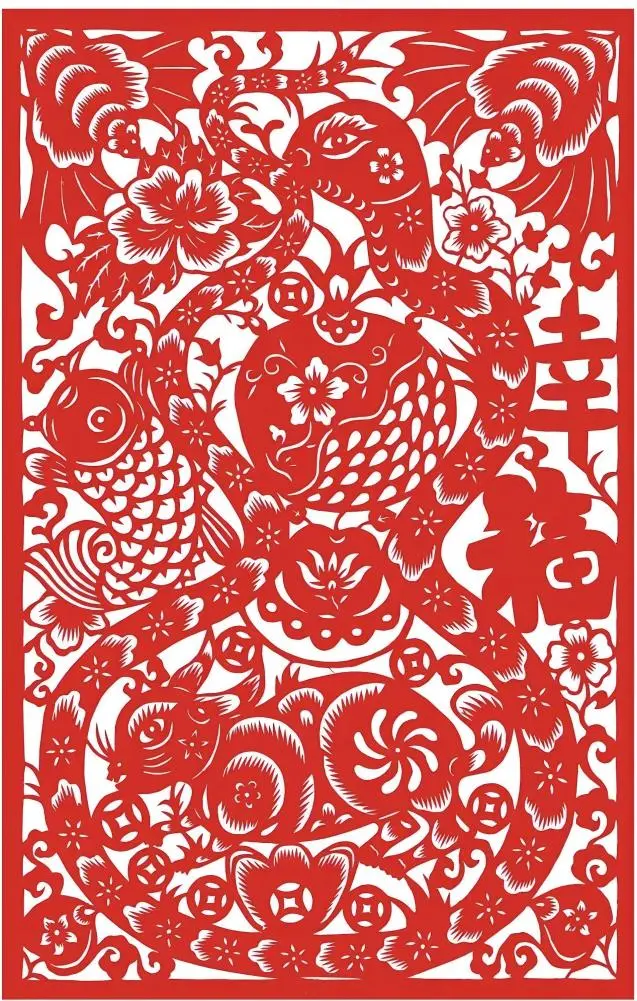
The subjects of Shaanbei Paper-Cuts are like a visual encyclopedia of folk culture:
- Fertility and Blessings: Zhuaji Wawa (Knotted-Hair Doll), Snake Coiling the Rabbit, Eagle Stepping on the Rabbit.
- Daily Life & Labor: Scenes like Old Man Carrying Firewood and Cutting Grain at Temple Fairs are depicted with humor and exaggeration. Even farming tools carry auspicious meanings.
- Mythology & Deities: Guardian gods, Door Gods, Kitchen Gods, and the God of Wealth often appear, continuing a stylistic dialogue with ancient Han relief carvings.
Recent competitions highlight the art’s dynamic evolution: Zhang Ning’s Shaanbei Intangible Heritage shows folk customs like waist drums and storytelling, while Gao Qin’s Great Beauty of Shaanbei captures the rugged beauty of the Loess Plateau in vibrant colors.
Today, Shaanbei paper-cutting is not just decoration — it is a living narrative of culture and identity.

III. Where to Experience Shaanbei Paper-Cutting in Xi’an
1. Shaanxi Intangible Cultural Heritage Museum
An immersive journey into the world of paper-cutting awaits here, with hundreds of original works, replicas, and interactive installations.
- Highlights: Qing Dynasty Twelve Zodiac Round Flower (Shi’er Shengxiao Tuanhua), and contemporary Ansai Waist Drum series.
Visitors can learn the history, watch demonstrations, and take photos of vibrant exhibits.
2. Yongxingfang Intangible Cultural Heritage Street
Known as the “Paper-Cutting Alley,” Yongxingfang is a living market of folk art, where artisans sell traditional window flowers, door gods, and modern cultural products like bookmarks and lampshades.
- Special Experience: Personalized paper-cutting — give your name or pattern to the artisan for an on-the-spot creation.
3. Shuyuan Gate Cultural Street
This artistic district blends traditional and modern aesthetics. Galleries and handicraft shops showcase Shaanbei paper-cutting for souvenirs, home décor, or gifts.
- Recommended Shops:
- Paper-Cutting Home (Jianzhi Renjia) – intricate, family-inherited works, free gift wrapping.
- Intangible Heritage Workshop – one-hour hands-on experience (¥150 per person) with all materials included.

IV. Travel Tips for Shaanbei Paper-Cutting
- Best Time to Visit: Before the Spring Festival for the “Paper-Cutting Welcomes the New Year” event; summer visits are better indoors.
- Cultural Etiquette: Avoid black paper (funeral color), favor red and gold. Ask permission before photographing artisans.
- Extended Experience: Combine with Ansai Waist Drum and Xintianyou folk songs, the “Three Wonders of Ansai,” for a full cultural journey.
- Shopping Guide: Traditional paper-cuts are affordable at Yongxingfang; museum shops sell high-end collector pieces like silver ornaments.
Conclusion: A Living Red Tradition
As scissors glide over red paper and scraps fall like snowflakes, you are witnessing millennia of culture at the artisan’s fingertips. Shaanbei Paper-Cutting condenses the Loess Plateau’s landscape, agrarian wisdom, and human creativity into enduring works of art.
In Xi’an, a city where ancient traditions meet modern life, this “red veil” invites you to participate, observe, and take a piece of history home.
Discover more in our Xi’an Tourist Attractions Collection and China Cultural Heritage Tours Collection to plan your journey.