Fashan Nunnery in Shanghai: A Hidden Jiangnan Zen Sanctuary for Urban Women in Yangpu
A Quiet Jiangnan Escape Behind Shanghai’s Bustling Cityscape
Shanghai is famous for its neon skyline and café-lined streets, but just steps from Guoquan Road in Yangpu hides a quiet world of incense, tea, and Jiangnan charm—Fashan Nunnery.
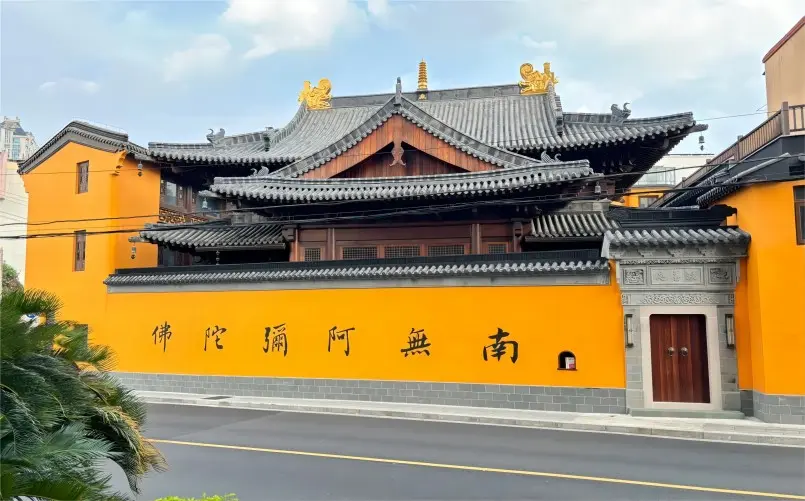
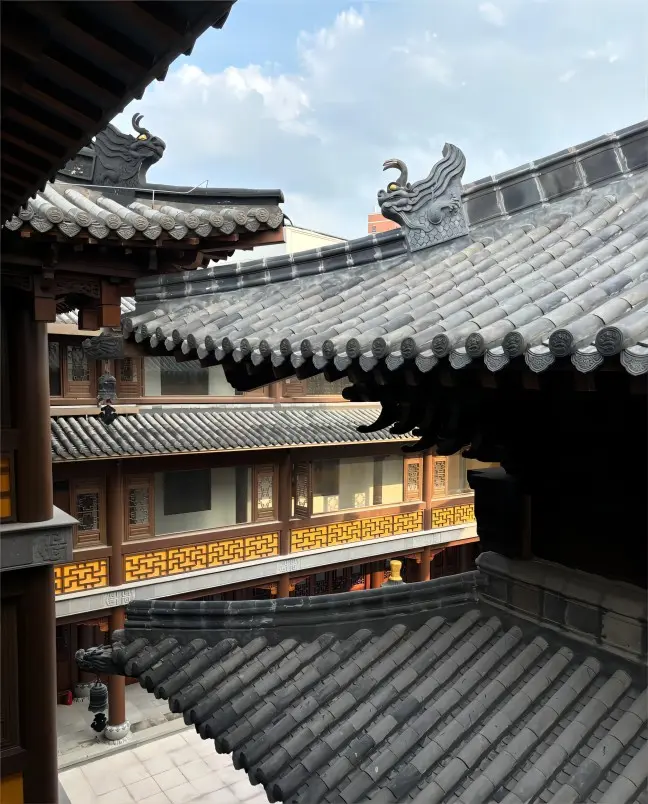
Founded in the late Qing Dynasty and wrapped in lush greenery, this compact and elegant nunnery feels less like a major urban temple and more like a gentle Jiangnan retreat. With its white walls, dark-tiled roofs, and peaceful courtyards, it offers a rare moment of stillness for anyone overwhelmed by city life.
I. A Glimpse into History: From Private Shrine to Beloved Nunnery
Fashan Nunnery dates back to the Guangxu era of the Qing Dynasty (1875–1908). It began as a private family shrine built by a local gentry family seeking blessings. As more devotees visited, it expanded into a nunnery and was named “Fashan”—symbolizing the spread of Dharma and virtue.
Architectural Highlights
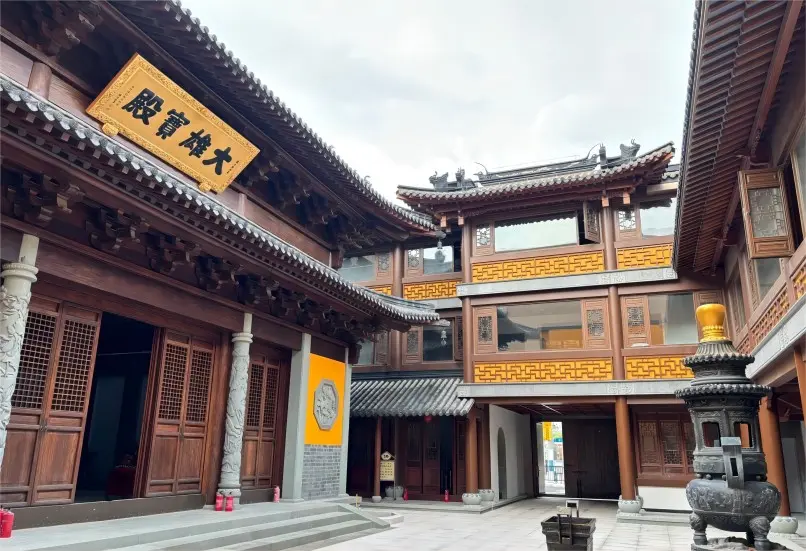
Designed in a classic Jiangnan Republican-era style, the nunnery follows a one-entry, three-courtyard layout:
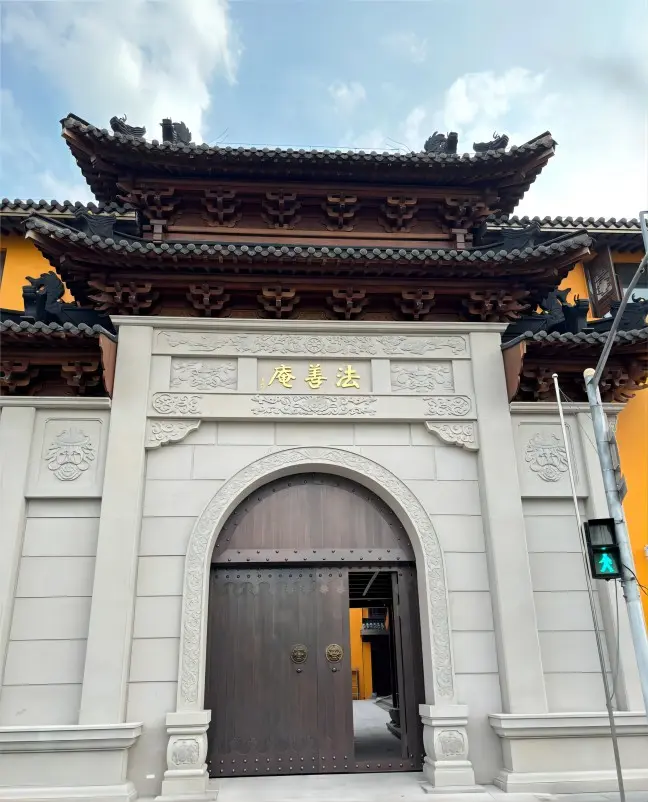
- Mountain Gate: A brick-carved archway inscribed with “Fashan Nunnery.” Its couplets express the temple’s mission to bring peace and compassion to all sentient beings.
- Mahavira Hall: Featuring a single-eave xieshan (half-hipped) roof, with bronze wind bells that ring softly whenever a breeze passes.
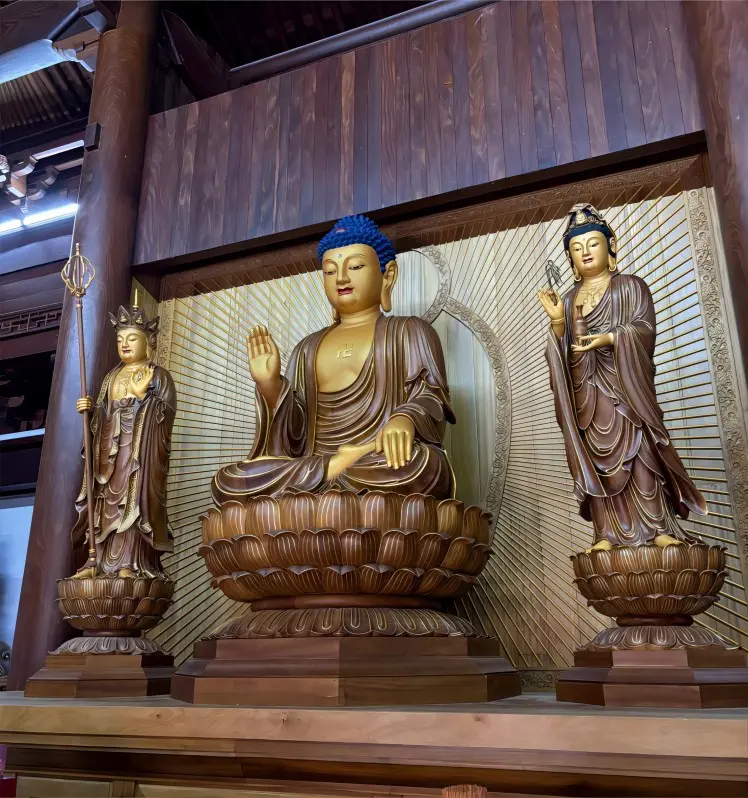
- Guanyin Hall: Home to a Thousand-Hand Guanyin statue. Two ancient ginkgo trees stand at the entrance—when their leaves turn gold in autumn, the entire courtyard feels like an ink-wash painting.
II. Why Fashan Nunnery Is Loved by Urban Women
Unlike Shanghai’s larger temples, Fashan Nunnery has quietly become a spiritual haven for female devotees. Many come here seeking emotional calm, blessings for their families, or simply a place to rest their minds.
1. Three Halls with Three Kinds of Blessings
Guanyin Hall — For Love and Relationships
Single women often visit to pray for romantic harmony or a suitable partner. Many tie red prayer ribbons on the ancient trees or bring home a tiny Guanyin charm believed to offer emotional protection.
Medicine Buddha Hall — For Health and Protection
Devotees circumambulate the hall three times to pray for peace and longevity. Nuns sometimes offer “Peace Charms” filled with mugwort and scripture pages—small amulets kept in bags, pillows, or cars.
Kṣitigarbha Hall — For Inner Peace and Family Harmony
People come here to pray for deceased loved ones or seek reconciliation in family matters. The nunnery even runs a Spiritual Counseling Room, where senior nuns offer free emotional guidance—a comforting resource for many modern women.
III. Three Experiences You Shouldn’t Miss
1. Sutra Copying: A Quiet Dialogue with Yourself
The Sutra Copying Room is open daily, offering Heart Sutra and Great Compassion Mantra templates. Visitors copy scriptures at wooden tables while wind bells chime in the background. Finished works may be taken home or placed in the merit box—many believe it helps accumulate blessings.
2. Zen Tea Tasting: “One Moment, One Meeting”
Fashan Nunnery’s Zen Teahouse serves complimentary tea, usually Pu’er or Longjing. Nuns demonstrate a slow, mindful brewing process reflecting the principle that “Zen and tea are one.”
Visitors sip tea, talk quietly, and often make new friends—an experience many describe as grounding and introspective.
3. Vegetarian Cuisine: Simple Flavors, Pure Ingredients
The Fashan nunnery’s canteen is famous for its clean, natural flavors:
- Luohan Noodles: A savory topping of mushrooms, wood ear, and bamboo shoots.
- Vegetarian Steamed Buns: Stuffed with tofu and seasonal greens.
Ingredients come directly from the nunnery’s garden, cooked without MSG. Lunch service is limited, so arrive before 11:30 AM to avoid queues.
IV. Practical Guide for Your Visit
Basic Information
- Address: 681 Guoquan Road, Yangpu District, Shanghai
- Metro: 8-minute walk from Guoquan Road Station (Line 10, Exit 4)
- Opening Hours: 7:00 AM – 4:30 PM
- Admission: Free; three incense sticks provided at no cost
- Phone: 021-65110234
Souvenirs Worth Bringing Home
- Mini Guanyin Charms — small metal or jade charms symbolizing peace
- Hand-Copied Sutra Scrolls — beautifully framed, ideal as gifts
- Vegetarian Snacks — seasonal mooncakes, walnut biscuits, etc.
Nearby Itinerary Suggestions
- Fudan University (Handan Campus): Classic academic architecture, perfect for a short walk.
- University Road Coffee Street: Independent cafés, bookshops, and creative markets—great for an afternoon break.
V. Conclusion: A Quiet Sanctuary for the Modern Soul
In a city that never stops moving, Fashan Nunnery offers a gentle reminder: peace does not only exist on distant mountains—it can be found right in the middle of everyday life. And if you’re planning more places to see in the city, check out my page on Shanghai Tourist Attractions for more ideas.
Travel Tip: Special events like the Thousand-Person Sutra Copying take place on Guanyin’s birthday (2nd lunar month, 19th day) and Guanyin’s enlightenment day (6th lunar month, 19th day). Check the official notice board for details.