Jing’an Temple Shanghai : A Spiritual Sanctuary in the Heart of the City
In the bustling heart of Shanghai, where skyscrapers rise and life moves fast, the gilded Jing’an Temple stands as a timeless spiritual haven. Nestled in Jing’an District, this ancient Buddhist temple offers visitors a rare glimpse of tranquility and cultural heritage amidst the modern metropolis.
I. History: A Thousand-Year Journey
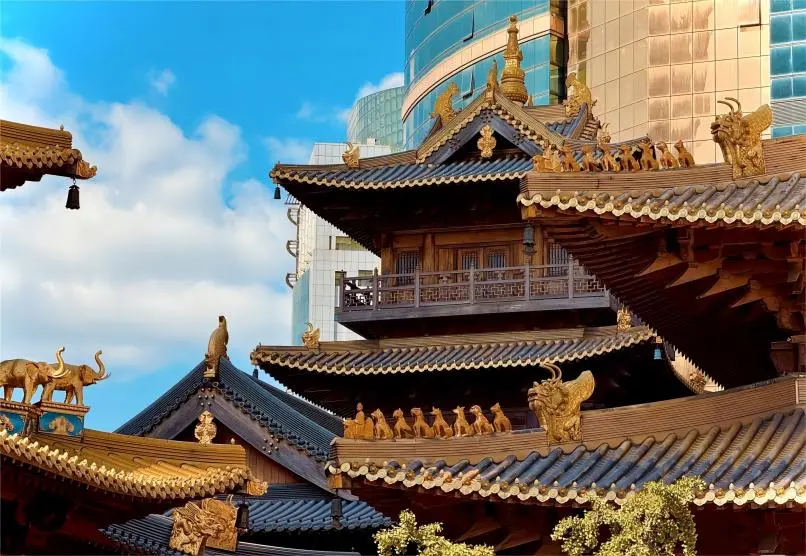
Jing’an Temple traces its roots back to the Three Kingdoms period (3rd century AD), originally named Huduchongxuan Temple. Over centuries of dynastic change and urban transformation, the temple relocated to its current site in 1216 AD during the Southern Song Dynasty, receiving its present name.
This millennium-old sanctuary has silently witnessed Shanghai’s evolution from a small fishing village to an international city. Each brick and statue reflects a rich history, offering visitors a tangible connection to the past.
II. Architecture: Tradition Meets Modernity
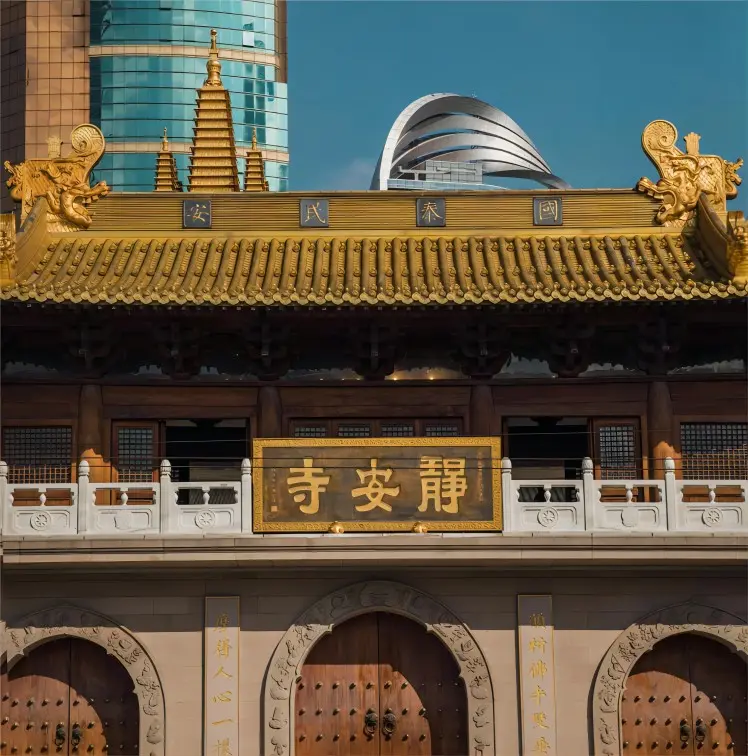
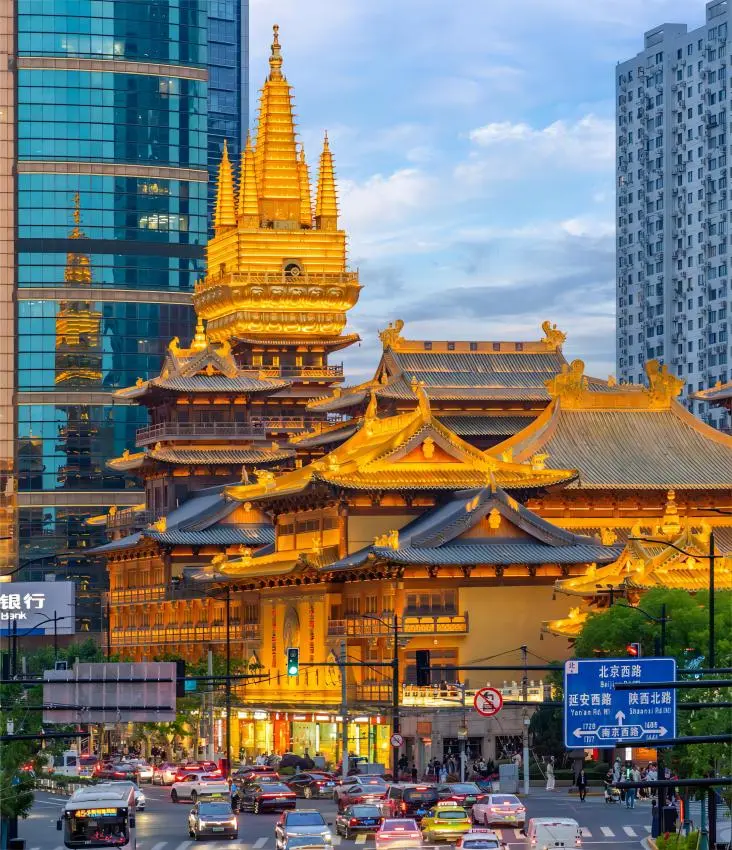
The temple is a visual feast, blending traditional Chinese architecture with modern design.
- Mountain Gate & Main Halls: The flying eaves and dǒugǒng brackets resemble eagles in flight, while vermilion columns exude sacred majesty.
- Jing’an Pagoda: Soaring nine stories, adorned with bronze tiles and gold roofs, every carving displays exquisite craftsmanship.
- Modern Touches: Energy-efficient lighting creates a magical nightscape, highlighting the harmony between tradition and innovation.
Visitors experience a seamless fusion of old and new, reflecting both reverence for heritage and Shanghai’s forward-looking spirit.

III. Spiritual Life: Incense, Prayers, and Inner Peace
Jing’an Temple is a hub of daily worship. The scent of incense and rhythmic Buddhist chants create a serene atmosphere. People come with different intentions:
- Young Visitors: Career success and academic advancement
- Middle-aged Visitors: Family well-being and health
- Elderly Visitors: Longevity and harmony
Through prayer and meditation, the temple offers a refuge from urban stress, allowing all visitors to seek spiritual balance.

IV. Specialty Halls: Tailored Blessings
Each hall focuses on specific prayers:
- Mahavira Hall (Dàxíong Bǎodiàn): Career and academic success
- Guanyin Hall: Health, safety, and family harmony
- Underground Buddhist Hall: Wealth and business prosperity
These halls provide targeted spiritual support, catering to diverse needs.
V. Unique Experiences: Engaging with Buddhist Culture
Visitors can fully immerse themselves in Buddhist traditions:
- Morning & Evening Chanting: Participate in monastic chants for spiritual cleansing and calm.
- Zen Tea (Chán Chá Yī Wèi): Enjoy the art of tea in a serene, incense-filled environment.
- Buddhist Culture Lectures: Gain insights into philosophy, history, and art through expert-led talks.
These experiences allow travelers to connect deeply with both Buddhist culture and Shanghai’s heritage.

VI. Visitor Information
- Admission & Hours: ¥50, 7:30 AM – 5:00 PM (last entry 4:30 PM)
- Getting There:
- Metro: Line 2 or 7, Jing’an Temple Station, Gate 1 or 6
- Bus: Routes 20, 37, 40, 57
VIII. Conclusion
Jing’an Temple in Shanghai is more than a tourist attraction; it is a living center of Buddhist culture, history, and spirituality. Whether you seek inner peace, cultural insight, or simply want to experience a unique side of Shanghai, Jing’an Temple offers a sanctuary and a timeless memory in the heart of the city. And if you’re planning more places to see in the city, check out my page on Shanghai Tourist Attractions for more ideas.