Si Ding Cuo Sacred Lake: The Mirror of the Sky in Western Sichuan
Why Visit Si Ding Cuo?
Hidden deep along the Western Sichuan loop, Si Ding Cuo Sacred Lake is one of the region’s most untouched alpine landscapes. Sitting at an altitude of 4,200 meters, it blends snow-covered peaks, crystal-clear water, and vast starry skies into a single, quiet scene. Unlike well-known destinations such as Daocheng Yading, Si Ding Cuo remains largely undeveloped, offering travelers a rare sense of solitude and spiritual calm.
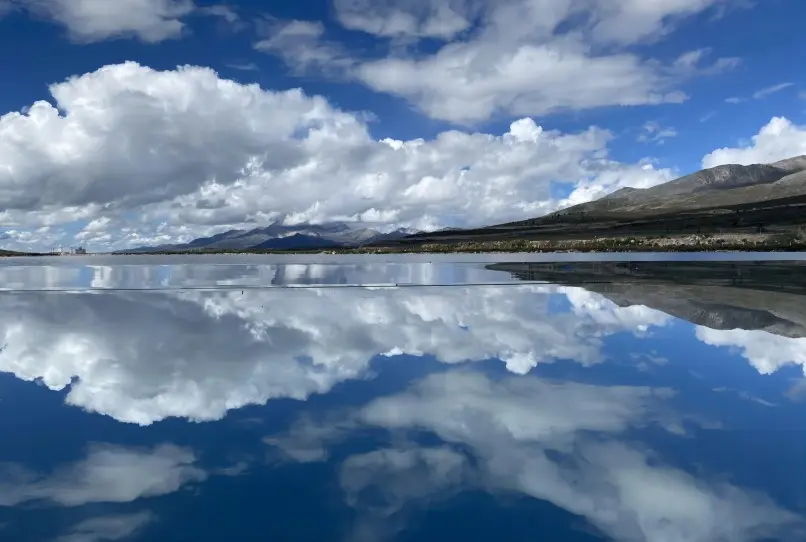
Often called the “Mirror of the Sky,” Si Ding Cuo reflects Mount Gongga and the surrounding peaks so clearly that the line between sky and land seems to disappear.

Where Is Si Ding Cuo Sacred Lake?
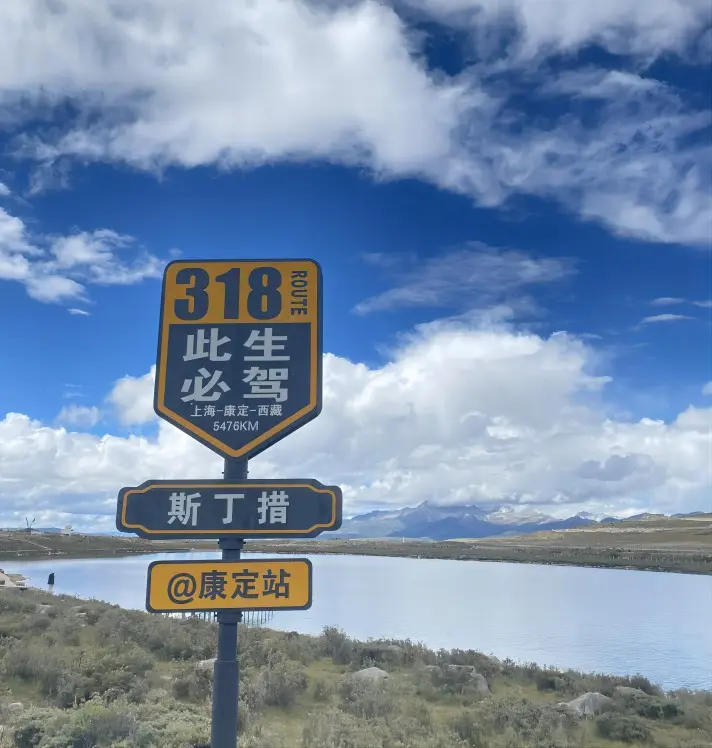
Si Ding Cuo is located near Jiagenba Town, Kangding City, in Garzê Tibetan Autonomous Prefecture. Backed by Mount Gongga (7,556 m)—known as the “King of Shu Mountains”—the lake faces the rolling peaks of the eastern Tibetan Plateau.
The area is quiet and free of commercial development, with only wind, water, and distant prayer flags breaking the silence.
What Makes Si Ding Cuo Special?
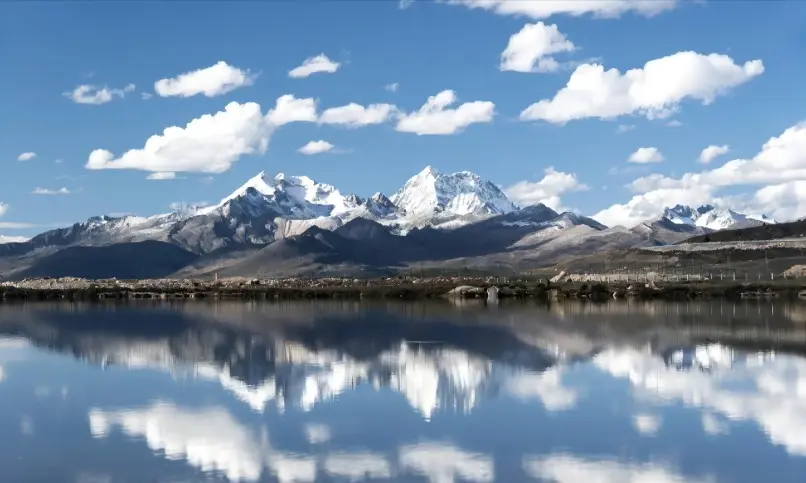
Snow Mountains Reflected Like a Mirror
On clear days, Mount Gongga and nearby peaks are perfectly reflected in the still water. Waiting for sunrise here is unforgettable: as the first light touches the snow, the lake slowly turns gold, as if the entire plateau is waking up.
A Sacred Lake on the Plateau
In Tibetan, “Si Ding Cuo” means “Pearl Sea.” Local Tibetans regard it as a holy lake and often walk clockwise around the shore to pray for blessings. The water’s blue-green color comes from its mineral-rich composition, appearing sapphire-like in winter and emerald-toned in summer.
One of Western Sichuan’s Best Stargazing Spots
Thanks to its high altitude and minimal light pollution, Si Ding Cuo is an exceptional place to photograph the Milky Way. On clear summer nights, stars stretch across the sky in stunning detail, reflected faintly on the lake’s surface.

Culture, Faith, and History Around Si Ding Cuo
Worship of Mountains and Lakes
In Tibetan belief, mountains and lakes are living spirits. As a spiritual gateway to Mount Gongga, Si Ding Cuo connects the human world with the divine. During festivals, locals circle the lake and release Lungta (prayer papers), sending wishes into the wind.
Khampa Tibetan Culture
This region is part of the Khampa cultural heartland, known for its warmth and hospitality. During festivals, travelers may encounter locals in traditional dress performing the Xianzi circle dance and singing ancient folk songs.
Traces of the Tea-Horse Road
Si Ding Cuo once lay along routes connected to the historic Tea-Horse Road, where caravans rested while trading tea and horses. Old stone paths and weathered prayer flags still hint at this layered past.

Best Things to Do at Si Ding Cuo
Walk the Lakeside Trail
A gentle walk around the lake takes about one hour. It’s the best way to experience the sacred atmosphere, observe prayer flags, and enjoy changing reflections throughout the day.
Photograph Sunrise and Sunset
- Sunrise: 6:30–7:30 AM
- Sunset: 6:30–7:30 PM
The lakeside viewing platform offers the most complete panoramic views of Mount Gongga and the surrounding peaks.
Stargazing and Night Photography
Bring a tripod to capture the Milky Way. With permission from local villagers, camping near the lake allows you to watch stars from your tent in near-total silence.
Explore by Horseback
Horse rentals (around ¥100/hour) are available locally, offering a traditional way to explore nearby grasslands and hills.
What to Eat Near Si Ding Cuo
Food is simple but warming—perfect for high-altitude travel:
- Yak butter tea: Salty and rich, helps with cold and altitude
- Tsampa: Roasted barley flour mixed with butter tea
- Stone pot chicken: Local chicken simmered with wild mushrooms
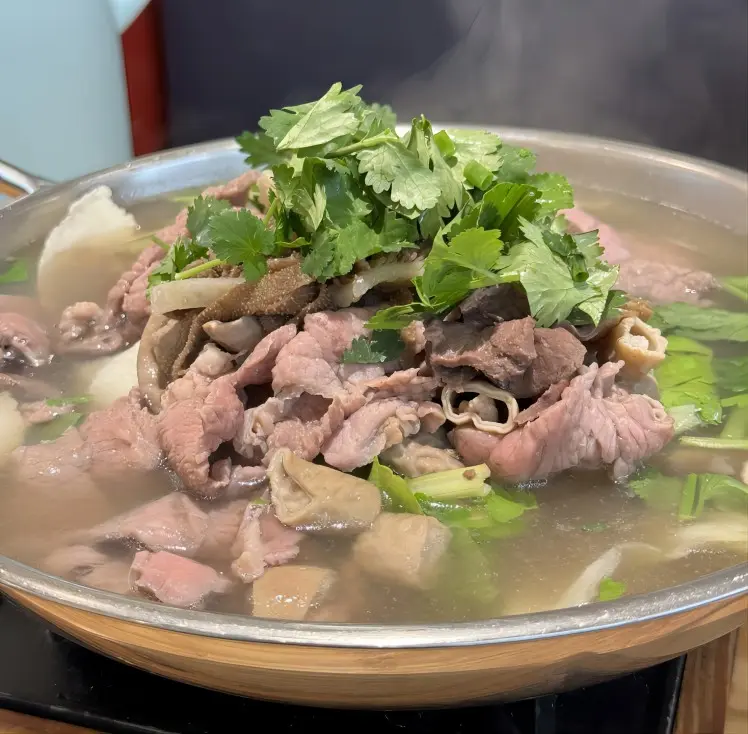
- Yak meat hot pot: Hearty and filling
Meals are usually available at nearby Tibetan homestays, where hosts welcome guests like family.
How to Get to Si Ding Cuo from Chengdu
Self-driving: Chengdu → Ya’an → Kangding → Xinduqiao → Jiagenba → Si Ding Cuo (approx. 450 km, 7–8 hours). An SUV is strongly recommended due to gravel roads.
Public transport:
- Bus from Chengdu Xinnanmen Station to Kangding (about 5 hours)
- Shared car to Jiagenba (about 2 hours)
- Local hired car to the lake (30 minutes)

Where to Stay
- Near the lake: Camping (bring a cold-weather sleeping bag) or simple Tibetan guesthouses (¥150–¥300/night, meals included)
- Jiagenba Town: More comfortable hotels (¥300–¥500/night)
Best Time to Visit Si Ding Cuo
- June–August: Best for stargazing and camping
- September–October: Ideal for photography with autumn colors and snow peaks
- November–March: Quiet and snowy, but extremely cold with icy roads
Practical Travel Tips
- Altitude is 4,200 meters—drink water, move slowly, and consider altitude medication
- Nights are cold even in summer; bring a windproof jacket and warm hat
- Ask permission before photographing locals
- Always walk clockwise around prayer wheels and sacred sites
Is Si Ding Cuo Worth Visiting?
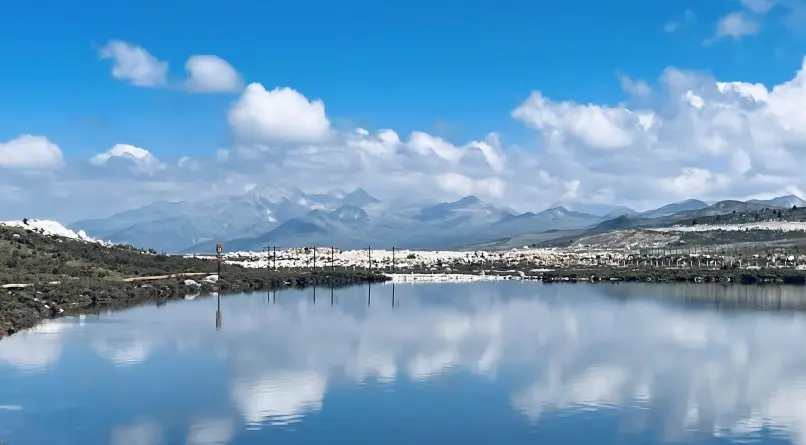
Si Ding Cuo is not about ticking off attractions—it’s about slowing down. Watching clouds drift over Mount Gongga, seeing snow peaks mirrored in still water, and standing under a sky full of stars reminds you that travel is less about conquering places and more about listening to them.
For travelers seeking silence, sacred landscapes, and true alpine solitude, Si Ding Cuo remains one of Western Sichuan’s most poetic destinations. Furthermore, to explore more highlights of a Sichuan journey, don’t miss our page on Chengdu Tourist Attractions!