Stone Flower Cave Beijing (Shihuadong): A Stunning Underground Palace in Fangshan
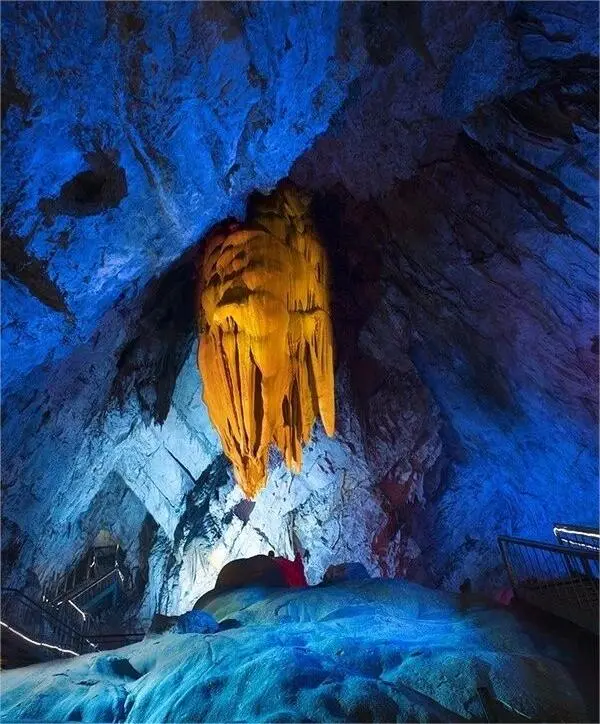
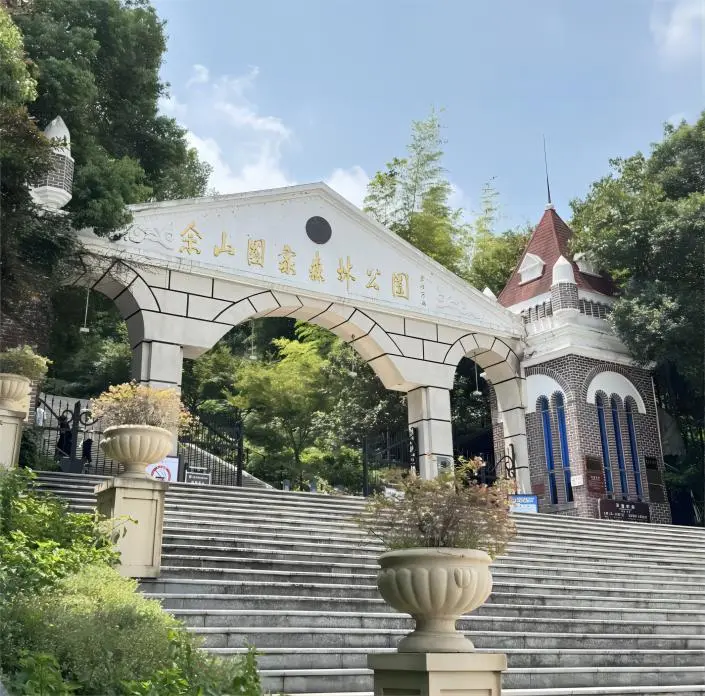
Just 40 kilometers southwest of central Beijing, hidden in the scenic Fangshan District, lies one of northern China’s most extraordinary natural wonders — the Stone Flower Cave (Shihuadong). Often called the “Underground Pearl of Beijing,” this vast limestone cavern combines breathtaking natural formations, fascinating history, and rich geological significance. For travelers seeking an unforgettable underground adventure near Beijing, Stone Flower Cave is an absolute must-visit.
The Cultural History of Stone Flower Cave (Shihuadong)
The story of Stone Flower Cave dates back to 1446, during the Ming Dynasty, when a monk named Yuanguang accidentally discovered it. Captivated by its magnificent underground world, he inscribed the characters “Qianzhen Cave” (Hidden Truth Cave) on the entrance cliff and sculpted Buddhist carvings such as the “Ten Kings of Ksitigarbha Bodhisattva.” Later, during the Jingtai reign (1456), a statue of Ksitigarbha Bodhisattva was added, and the cave became known as “Shifo Cave” (Stone Buddha Cave), a place of deep spiritual significance.
After centuries of natural evolution, the site was scientifically explored in 1978 and officially opened to the public in 1987 as Shihuadong Cave. Today, it is recognized as a National AAAA Tourist Attraction, a National Scenic Area, and part of the Fangshan Global Geopark, attracting countless visitors eager to explore its underground beauty.
Exploring the Underground World of Stone Flower Cave
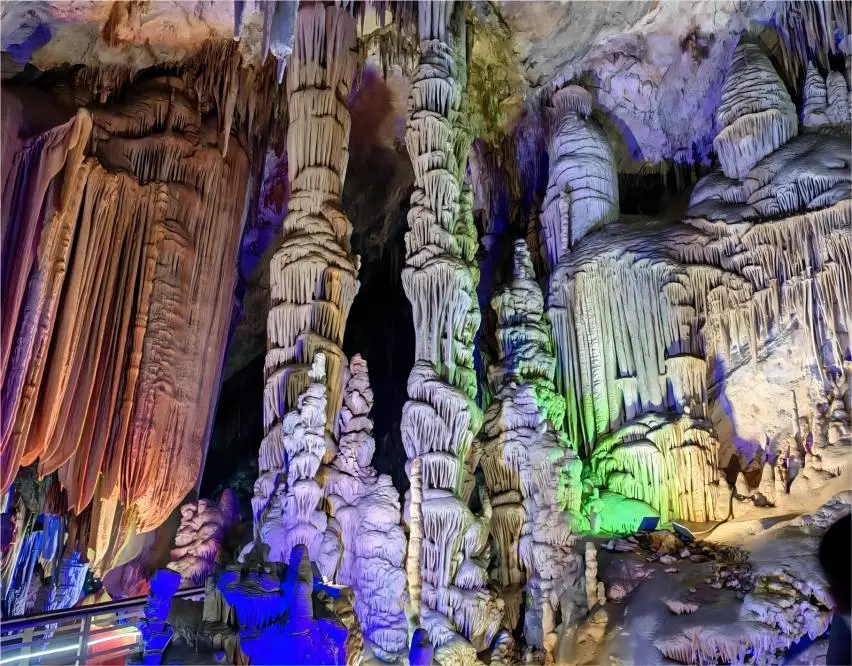
Stepping into Stone Flower Cave Beijing feels like descending into a shimmering subterranean kingdom. The cave system is made up of seven layers, four of which are open to visitors, forming a 2,500-meter tourist route. With a constant temperature of 13°C year-round, it’s a perfect escape from Beijing’s summer heat.
Ten Natural Wonders to Discover
Among the cave’s highlights are ten spectacular sights, each showcasing nature’s artistry at its best:
- Jade Pool Stone Lotus (Yaochi Shilian) — Mushroom- or cauliflower-shaped speleothems, representing the most complete moonmilk formations found in China.
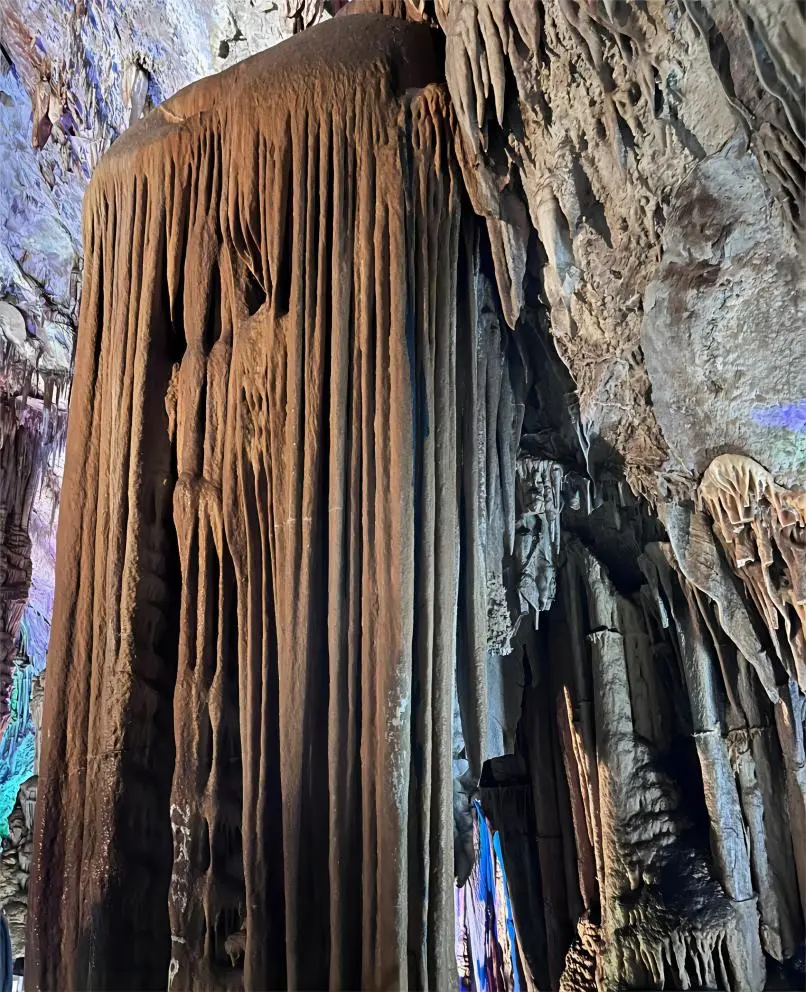
- Unfolding Silver Flags (Yinqi Manjuan) — Translucent stone draperies that resemble fluttering silk banners.
- Galloping Flow Waterfall (Tengliu Pubu) — A stunning rock waterfall nearly 10 meters high and 20 meters wide, resembling a frozen cascade of rushing water.
- Heaven-Supporting Mandarin Duck Pillars (Qingtian Yuanyang Zhu) — Twin columns symbolizing eternal unity and balance.
Each formation is beautifully illuminated by modern light art, casting colorful reflections that transform the cave into a dreamlike gallery of nature and light.

Five National Firsts: A Geological Treasure
Stone Flower Cave holds several national records, including:
- The most cave layers in China
- The most complete types of secondary chemical deposits
- The best-developed moonmilk formations
- Exceptionally preserved stalactites, stalagmites, and stone draperies
- One of the richest geological research sites in northern China
These unique features make Shihuadong not only a visual marvel but also an invaluable site for scientific and geological study.

Visitor Guide to Stone Flower Cave Beijing
🕗 Opening Hours
Daily from 8:30 AM – 5:00 PM. Visitors are encouraged to arrive early to enjoy the full cave experience.
🎟️ Tickets
- Adults: ¥70 per person
- Discounts: Available for students, seniors, and children
- Tickets can be purchased on-site or through major online travel platforms.
🚗 How to Get There
From downtown Beijing, take the Fangshan subway line, then transfer to a local bus or taxi directly to the Shihuadong Scenic Area.
For self-driving visitors, simply search “Stone Flower Cave Fangshan” in your GPS app for easy navigation. Parking is available near the entrance.
🧥 What to Wear
The cave remains cool throughout the year — around 13°C — so bring a light jacket and wear comfortable, non-slip shoes.
⚠️ Travel Tips
- Avoid touching cave formations to help preserve the site.
- Flash photography is not recommended.
- Follow local park regulations to protect this fragile natural wonder.

Best Time to Visit Stone Flower Cave
The best months to visit Stone Flower Cave Beijing are April to October, when the surrounding landscape is lush and the weather mild. The cave’s cool interior also makes it a perfect summer retreat from Beijing’s heat.
Nearby Attractions in Fangshan District
- Zhoukoudian Peking Man Site – A UNESCO World Heritage Site only 20 minutes away.
- Yunju Temple – A serene Buddhist temple surrounded by mountains.
- Beijing Fangshan Global Geopark Museum – Offers deeper geological insights.
Combine your visit to Stone Flower Cave with these nearby destinations for a full day of culture, nature, and exploration.
Preserving the Underground Pearl of Beijing
The name “Stone Flower Cave” (Shihuadong) comes from the calcite crystal formations resembling blooming flowers inside the cavern. Each one is a masterpiece shaped by time and water. Visitors are encouraged to respect and protect this fragile ecosystem so that future generations can continue to marvel at Beijing’s most stunning underground attraction.
✨ In Summary
Stone Flower Cave Beijing is a destination that seamlessly blends science, art, and nature. Whether you’re a geology enthusiast, a history lover, or simply looking for a cool summer escape, Shihuadong Cave offers a mesmerizing journey into the depths of time. Want to discover more natural wonders around Beijing? Check out our guide to Top Attractions in Beijing.