Xi’an’s Timeless Love: Huaqing Palace & The Song of Everlasting Sorrow
For history and culture lovers, Huaqing Palace in Xi’an offers an immersive experience, highlighted by the spectacular outdoor show “The Song of Everlasting Sorrow”. Explore the imperial hot springs, grand architecture, and the legendary love story of Emperor Xuanzong and Yang Guifei, all set against the backdrop of Mount Li and the Wei River. For a detailed travel guide to Huaqing Palace and “The Song of Everlasting Sorrow”, check out our Xi’an Attractions Guide.
Huaqing Palace: An Eastern Imperial Epic
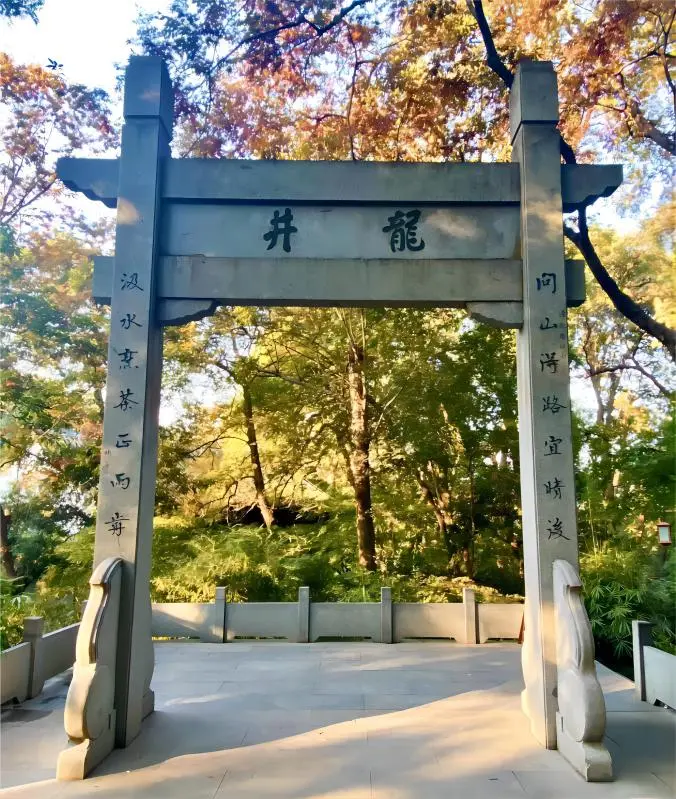
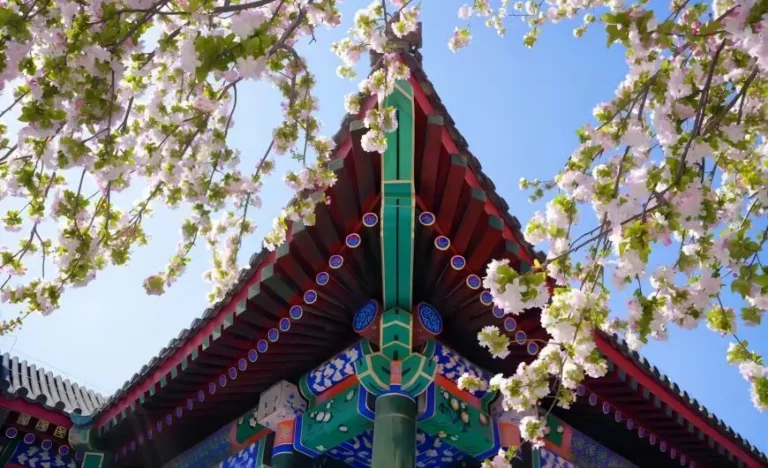
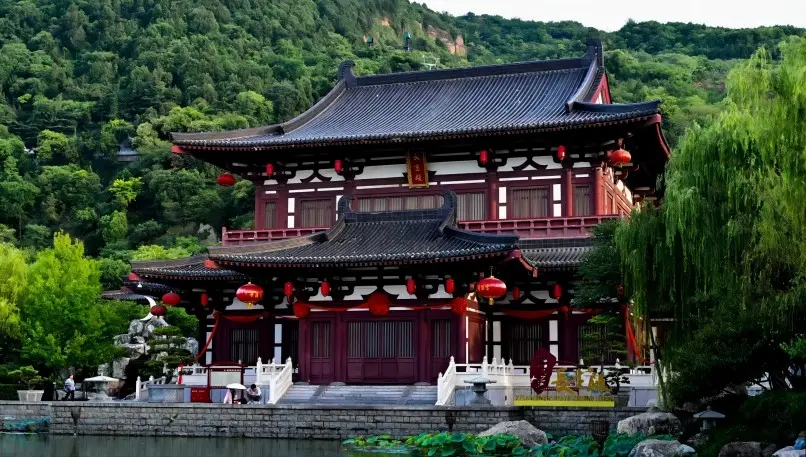
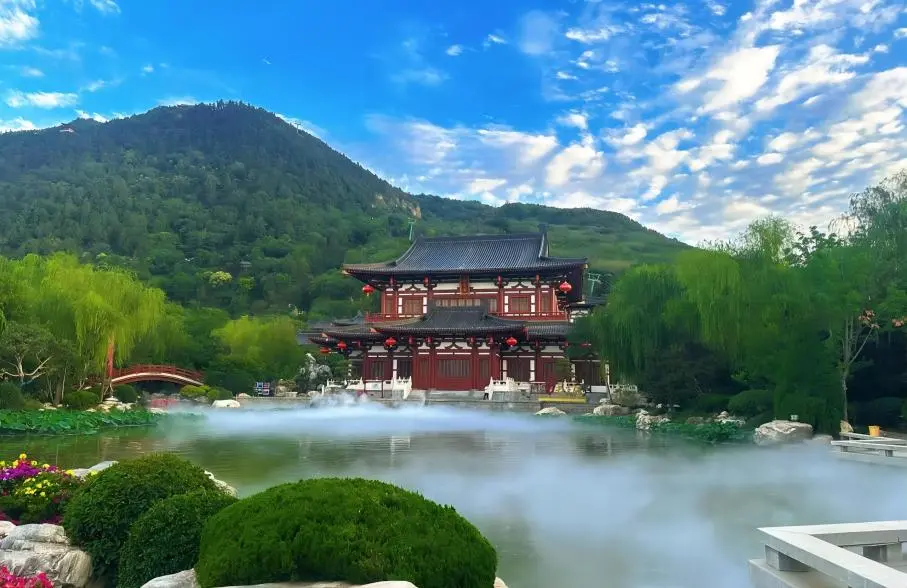
Backed by Mount Li and facing the Wei River, Huaqing Palace has been a royal retreat since the Western Zhou Dynasty. During the Tang Dynasty, it was the favorite getaway of Emperor Xuanzong and his consort Yang Guifei. Its hot springs, known as the “Number One Imperial Spring under Heaven,” include five royal bath sites such as the Crabapple Bath. The palace’s red walls and green tiles create stunning visual contrasts, enhanced by natural surroundings. The UK’s The Times once wrote that Huaqing Palace’s hot spring culture is a “perfect blend of Eastern imperial life and natural therapy.”
The Song of Everlasting Sorrow: A Tang Dynasty Love Story
The outdoor musical “The Song of Everlasting Sorrow” brings Huaqing Palace to life. Using Mount Li and Jiulong Lake as its stage, with 700 performers, water effects, and 3D projections, the show re-creates the tragic love story of Emperor Xuanzong and Yang Guifei. National Geographic praised it for combining nature with digital art, offering an impact comparable to Las Vegas shows.
The show has nine parts, starting with the emperor and his consort and ending with their reunion in the heavens. Creative holographic projection makes Yang Guifei’s robe appear to float, reminiscent of London’s West End musical *Phantom of the Opera*.

Cultural Resonance: From the Tang Dynasty to the World
Huaqing Palace is not just a historical site—it is a bridge connecting past and present. In 2024, the AR book series Another Look at the Tang Dynasty visualizes Tang history for young audiences worldwide. Characters like “Xie Aman,” inspired by Tang dancers, blend Buddhist cave painting style with Disney animation. Forbes called it an “innovative model for exporting Eastern culture.”
International visitors can experience Chinese philosophy and culture firsthand: the hot springs symbolize “the unity of man and nature”, the opera demonstrates “art and power”, and the show interprets Eastern family-state ethics through a timeless love story. This narrative connects Tang Dynasty culture to Greek mythology and Shakespearean drama.
Tips for Your Trip
- Best Time to Go: April–October. Evening shows combine pleasant weather with starry skies.
- Tickets: Section A of the middle zone recommended (398 RMB).
- Cultural Gems: Visit the museum of royal bath sites before the show. Try Guifei Chicken Wings after the show, a Tang Dynasty royal recipe.
As dusk falls and the drums sound near Jiulong Lake, Huaqing Palace comes alive as a “living history book,” blending hot springs, architecture, dance, and modern technology into a cultural celebration accessible to every traveler. As UNESCO once said of Huaqing Palace, “This is not just a part of China’s heritage, but a cultural memory bank for all of humanity.”