
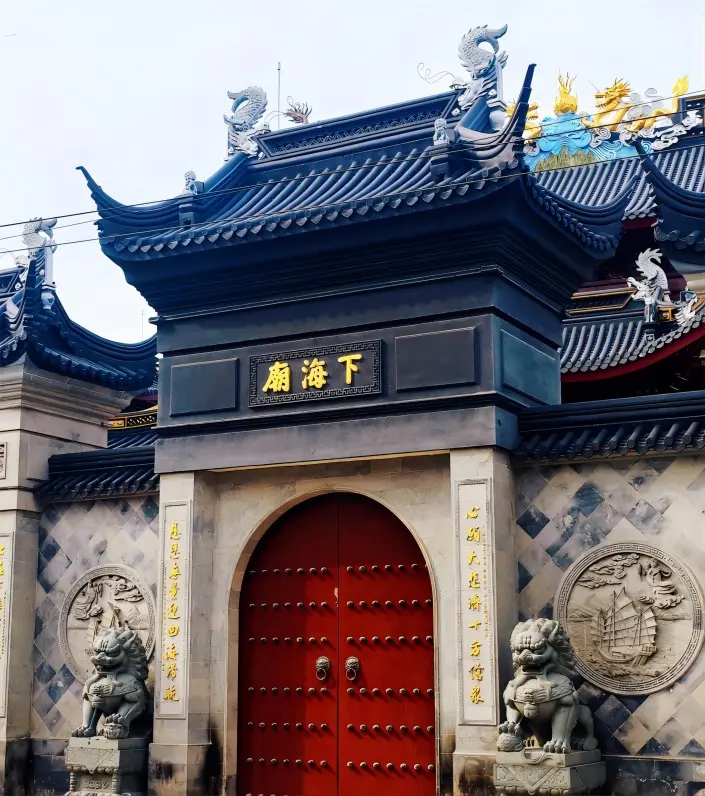
Xiahaimiao Temple Shanghai: Millennium Zen Sanctuary on the Huangpu River
A Hidden Zen Oasis in the Heart of Shanghai
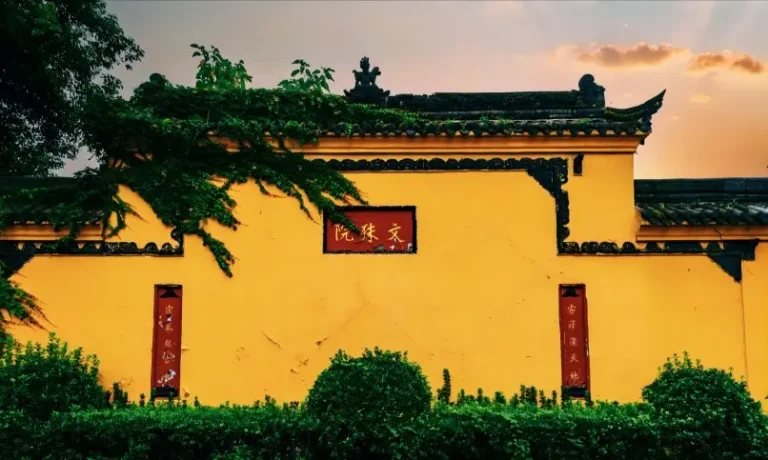
Amid the neon lights of the Bund and the towering skyscrapers of Lujiazui, a quieter world of incense and Zen awaits near Tilanqiao in Hongkou District—Xiahaimiao Temple. Founded during the Ming Dynasty, this millennium-old sanctuary once guided fishermen safely to shore. Today, it serves as a spiritual recharge point for busy city dwellers seeking calm and balance.
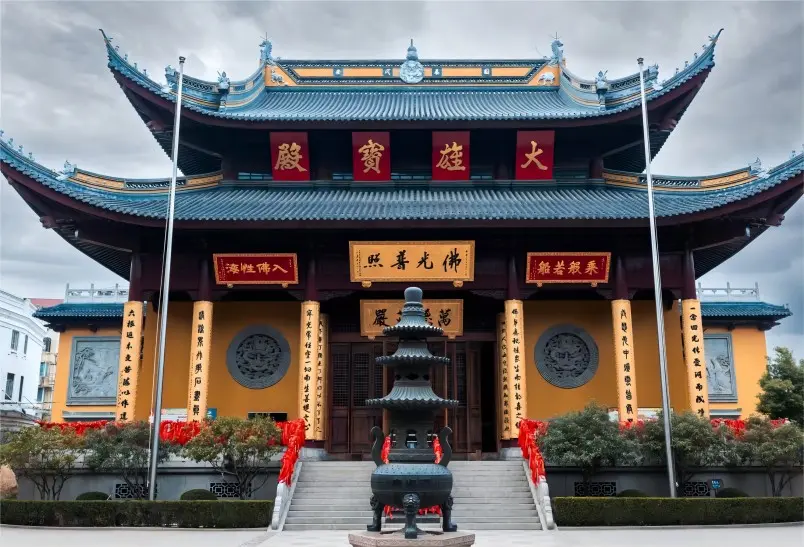
I. From Fishermen’s Faith to Urban Zen Landmark
Xiahaimiao Temple started as a small shrine during the Hongwu era (1368–1398), built by fishermen praying for safe voyages. Its location along the lower stretch of the Shanghai Pu (now Suzhou Creek) gave it the name Xiahaimiao, or Lower Sea Temple.
In the Qing Dynasty, during Qianlong’s reign (1736–1795), it expanded into a three-courtyard complex, adding a Mazu Hall and a God of Wealth Hall, becoming a hub for folk beliefs in Shanghai.
Cultural Fusion
Xiahaimiao temple showcases Haipai (Shanghai-style) culture—a harmonious blend of Buddhism, Taoism, and folk beliefs.
- Main Hall: Sakyamuni Buddha
- Mazu Hall: Sea Goddess for safe journeys
- God of Wealth Hall: Civil and martial deities of prosperity
The oldest relic, a bronze bell from the Jiaqing reign (1796–1820), is still rung during festivals, its sound carrying blessings for the city.
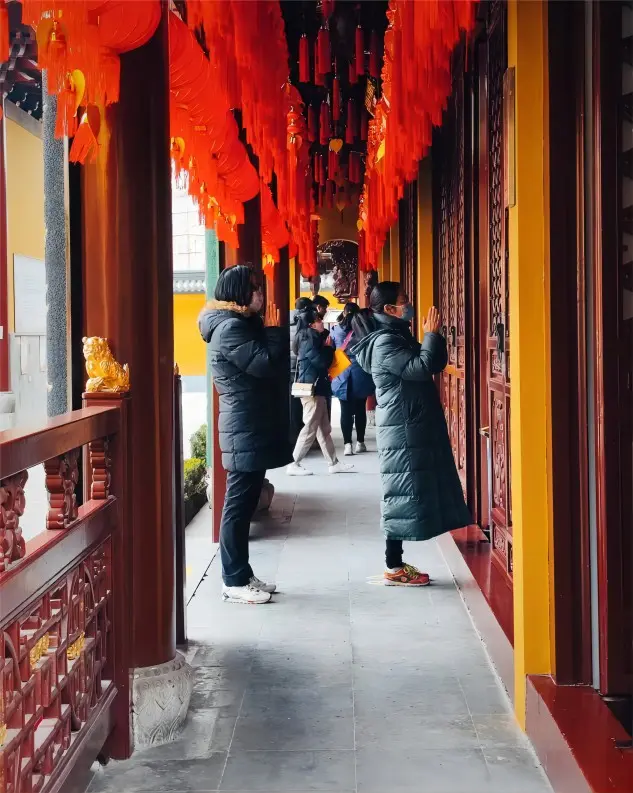
II. Spiritual Practices and Urban Zen Experiences
1. The Triple Blessing: Peace, Wealth, and Love
- Mazu Hall – Safety: Visitors light incense or take home a miniature Mazu charm (~¥30) for safe travels.
- God of Wealth Hall – Prosperity: Devotees touch the God of Wealth’s hand for luck or hang incense sachets with coins in offices or cars.
- Hehe Immortals – Relationships: Young singles pray for harmony by tying red threads at the statues’ feet or joining matchmaking events (“Zen-style dating”).
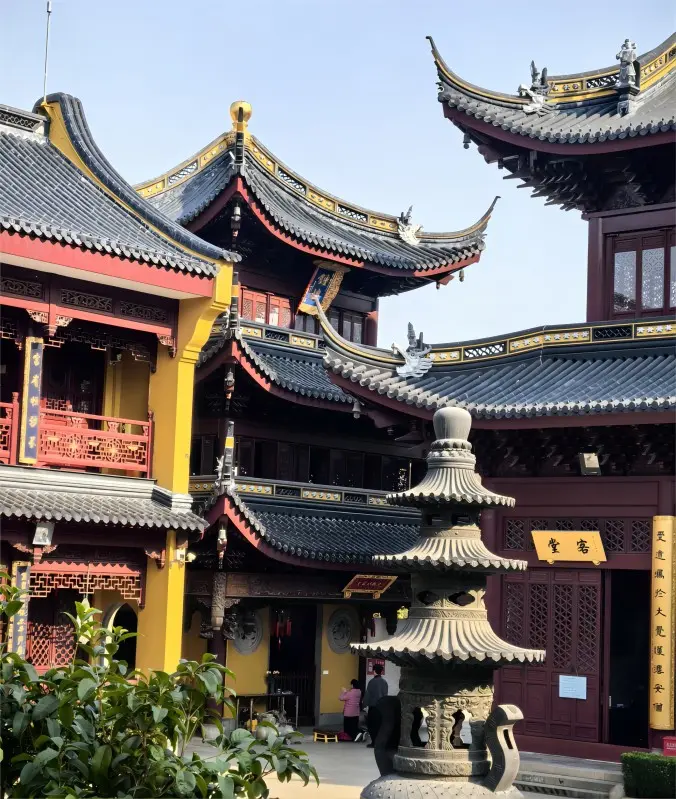
2. Three Unmissable Experiences
a. Touch the Fortune Stone
A bluestone in the temple backyard is inscribed with “Turn Luck.” Visitors place their palms on it to feel the stone’s energy and symbolically reverse misfortune.
b. Zen Tea Ceremony
Xiahaimiao temple’s teahouse serves Fujian Tieguanyin and Zhejiang Longjing. Visitors watch volunteers demonstrate mindful brewing—warming cups, pouring water, inhaling aroma—a moment to slow down and reflect.
c. Sutra Copying for Inner Peace
The Sutra Copying Room is open daily with templates of the Heart Sutra and Sutra of Auspiciousness. Visitors quietly copy texts, seal them in envelopes, or place them in the merit box—a ritual for accumulating blessings and calming the mind.
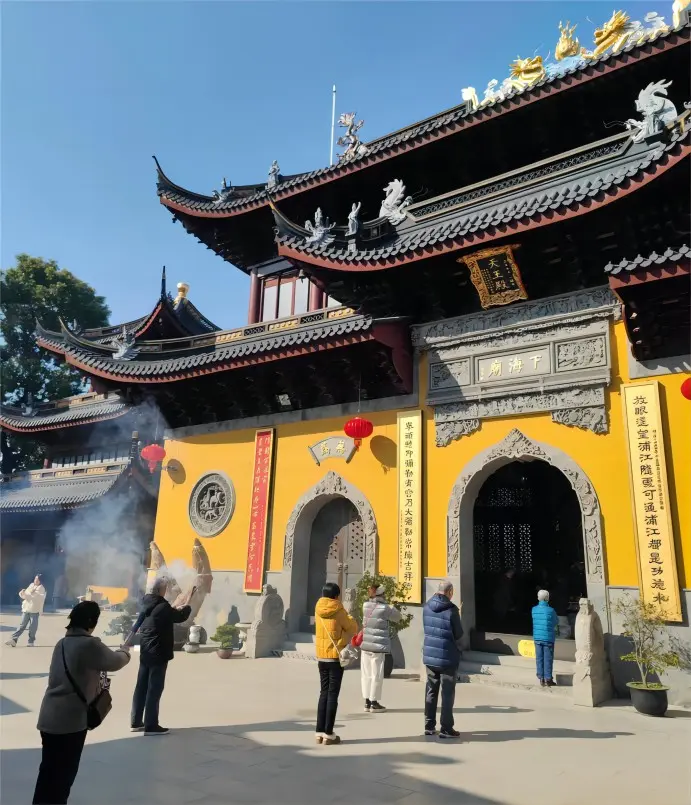
III. Practical Guide for Visiting Xiahaimiao Temple
1. Basic Info
- Address: 73 Kunming Road, Hongkou District, Shanghai
- Metro: 5-minute walk from Tilanqiao Station (Line 12, Exit 3)
- Hours: 7:30 AM – 4:30 PM
- Admission: Free; three incense sticks provided, donations optional
2. Souvenir Suggestions
- Mini Mazu Charms: Symbolize protection (~¥30–¥100)
- Prosperity Incense Sachets: Mugwort and coins for luck (~¥20–¥50)
- Hand-Copied Sutra Scrolls: Decorative and spiritual (~¥50–¥100)
3. Nearby Attractions
- Tilanqiao Historical District: Explore Jewish Refugee Museum (¥20) and heritage architecture.
- North Bund Riverside Green Space: 15-minute walk; scenic Huangpu River views and photo opportunities.
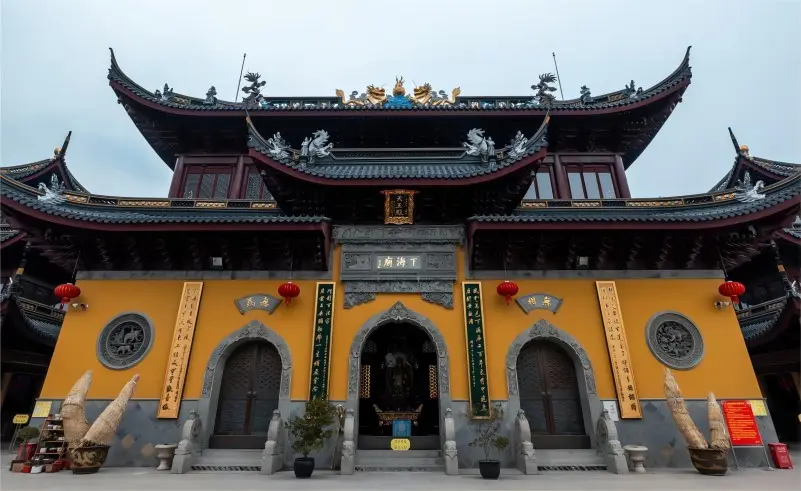
IV. Conclusion: A Zen Anchor in the City
Xiahaimiao Temple is a millennium-old sanctuary blending ancient faith with modern urban life. Every incense stick, cup of tea, and copied sutra reminds visitors that true peace comes from within, not from the city’s hustle. And if you’re planning more places to see in the city, check out my page on Shanghai Tourist Attractions for more ideas.
Travel Tip: Festivals on Mazu’s Birthday (3rd lunar month, 23rd day) and God of Wealth Day (1st lunar month, 5th day) feature the Thousand-Person Prayer Assembly and God of Wealth Parade. Check the official site for booking.
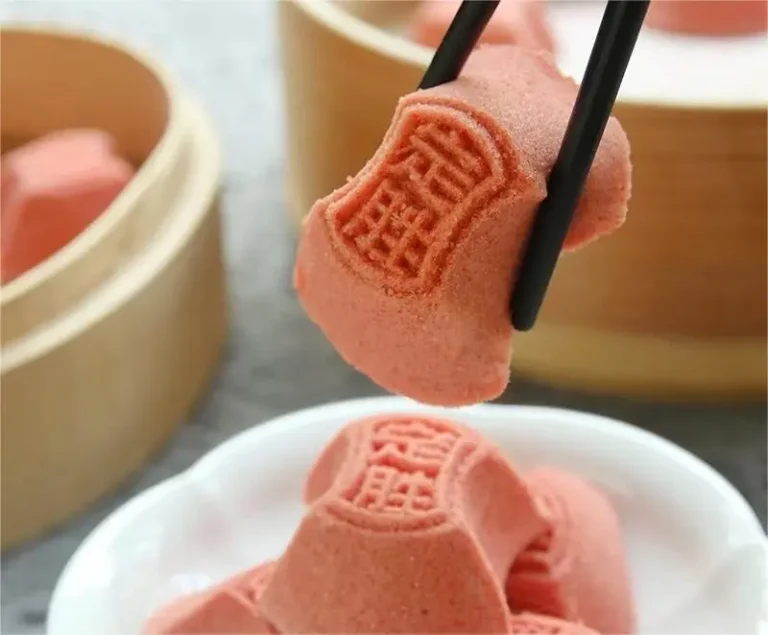

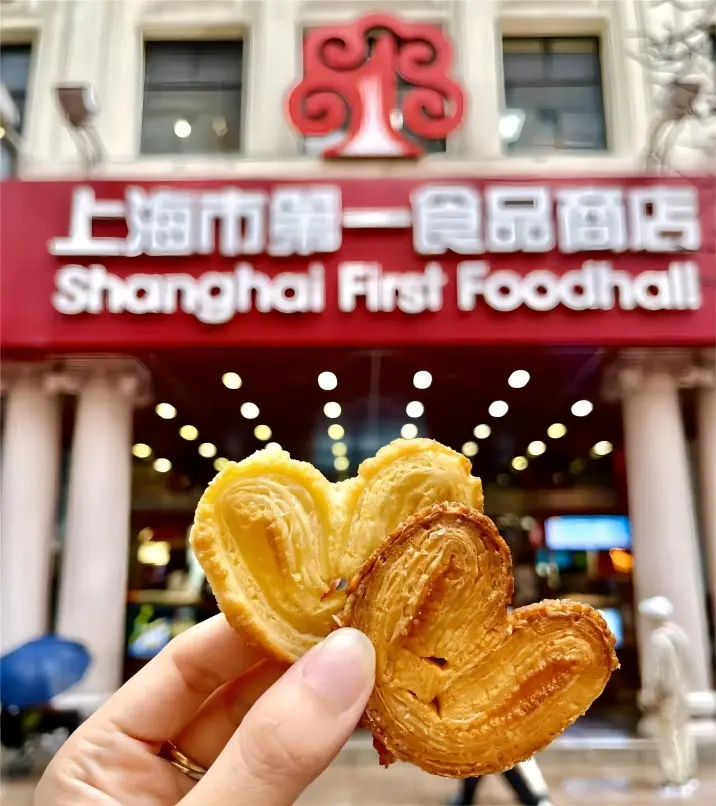
![Crab Roe Xiaolongbao, a signature [Shanghai local food] delicacy with savory soup bursting inside](https://urbanchinatravelogue.com/wp-content/uploads/2025/10/crab_roe_xiaolongbao_shanghai_local_food-768x750.webp)