Biangbiang Noodles: Xi’an’s Legendary Belt-Wide Noodles with a 1,000-Year History
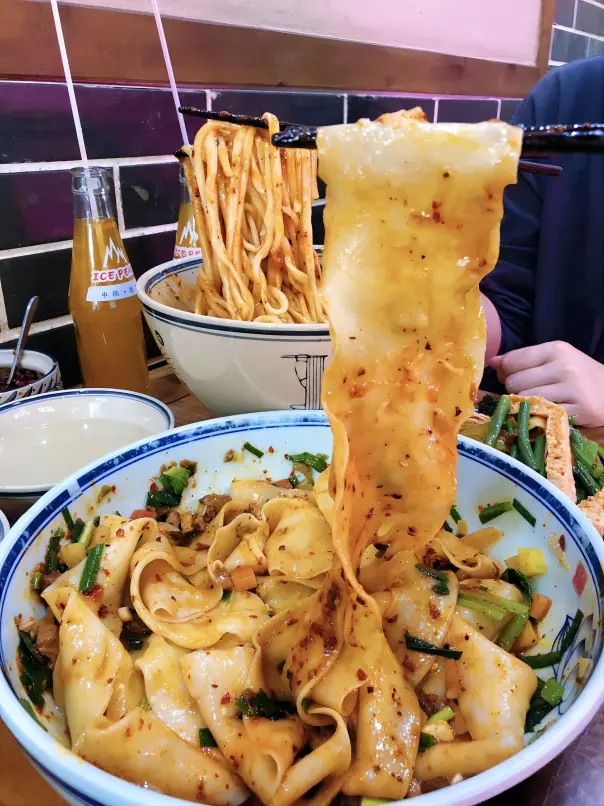
As the chef slams the dough against the wooden table, a loud “Biang—Biang—” echoes through the kitchen. Minutes later, a bowl of Biangbiang noodles—wide as a belt, coated in bright red chili oil and topped with fresh green onions—lands in front of you.
For travelers, Xi’an Biangbiang noodles are more than just food. They are a cultural puzzle, featuring one of the most complex Chinese characters ever written, a dramatic hand-pulled technique, and bold flavors that define the heart of Xi’an cuisine.
I. What Does “Biang” Mean? The Hardest Chinese Character Explained
The character for “Biang” is famous across China for its complexity. With 56 strokes, it is often called the hardest Chinese character to write—and most people can’t write it from memory.
- Origin: The name comes from the sound made when the dough is slapped against the table: Biang! Biang!
- Memory Song: A traditional folk rhyme helps people remember the character by describing elements like “the Yellow River,” “a horse,” and “a heart.”
- Local Fun: In Xi’an, you’ll see this giant character painted on noodle shop walls. Tracing it with your finger is a favorite tourist activity.

II. How Biangbiang Noodles Are Made: The Art of Belt-Wide Noodles
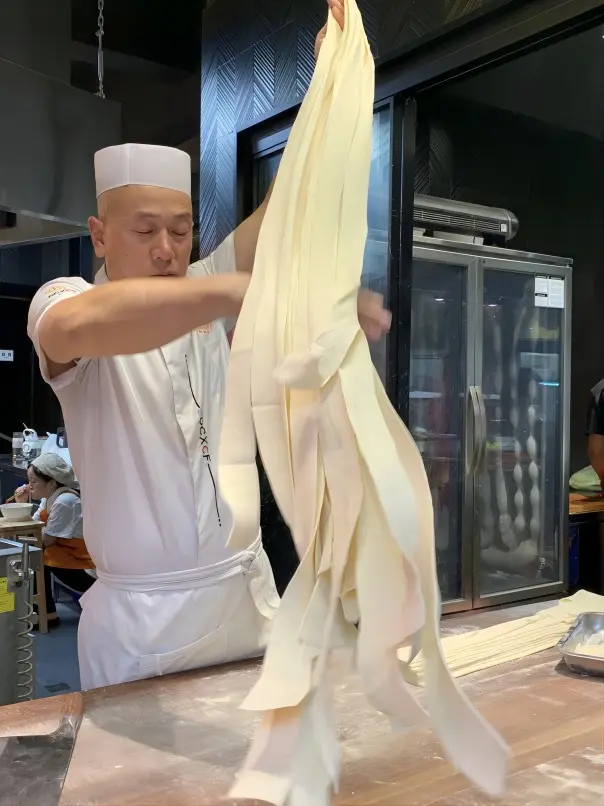
The soul of Biangbiang noodles lies in their dramatic hand-pulled technique. These noodles are famous for being “as wide as a belt.”
- The Dough: High-protein flour and water are kneaded into a firm dough and rested for over two hours to ensure elasticity.
- The Pull: The chef swings and slaps the dough against the table, stretching it into a single noodle more than half a meter long.
- The Texture: Thick, chewy, and aromatic, the noodles absorb sauces beautifully while keeping their bite.
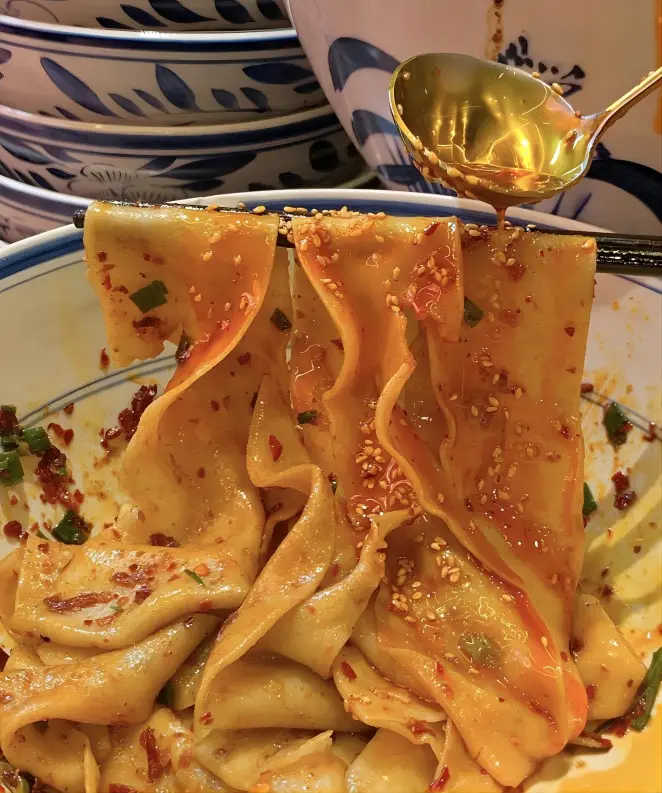
III. Types of Biangbiang Noodles You Can Order
In Xi’an, Biangbiang noodles come with different toppings and sauces:
- Oil-Splashed (Classic Style): Chili powder, garlic, and green onions topped with sizzling hot oil—the most iconic version.
- Saozi (Minced Meat): Served with a rich sauce of diced pork, tofu, and carrots.
- “Three-in-One”: A popular choice combining chili oil, minced meat, and tomato-egg sauce in one bowl.
- Noodle Soup: Locals always ask for the noodle-boiling water on the side, believing it helps digestion.

IV. Best Places to Eat Biangbiang Noodles in Xi’an
Here are some of the most popular local spots for Xi’an Biangbiang noodles:
| Shop Name | Area | Avg. Price | Why It’s Popular |
|---|---|---|---|
| Aihua Kudai Noodle | Yongning Gate | 18–25 RMB | Over 30 years old; free noodle refills |
| Biangbiangmian | Bell Tower | 20–30 RMB | Open kitchen with live noodle-pulling shows |
| Lao Bai Jia | Muslim Quarter | 22–45 RMB | Famous halal beef version |
| Ma Hong | Muslim Quarter | 25–35 RMB | Excellent three-in-one noodles and sweet garlic |
| Zui Chang’an | Shuyuanmen | 38–68 RMB | Elegant setting, ideal for a relaxed meal |

V. Practical Tips for First-Time Visitors
- Don’t Over-Stir: Mix gently to coat the noodles without breaking them.
- Wear Dark Clothing: Chili oil splashes are a common “souvenir.”
- Share a Bowl: Portions are large—sharing leaves room for more Xi’an street food.
- Best Time: Lunch is ideal; most shops are busiest between 12:00–1:30 PM.
Conclusion: Why Biangbiang Noodles Are a Must-Try in Xi’an
Lifting a single belt-wide noodle from the bowl is like lifting centuries of history. Biangbiang noodles capture the bold spirit of Xi’an and the legacy of the Silk Road. Sit down in a lively local shop, listen to the biang-biang sound, and enjoy one of Xi’an’s most iconic dishes.
For a deeper taste of the city, visit our Xi’an Local Food Trails guide to explore traditional snacks, street food, and the everyday dishes locals truly love.